Twist Haven Chalet
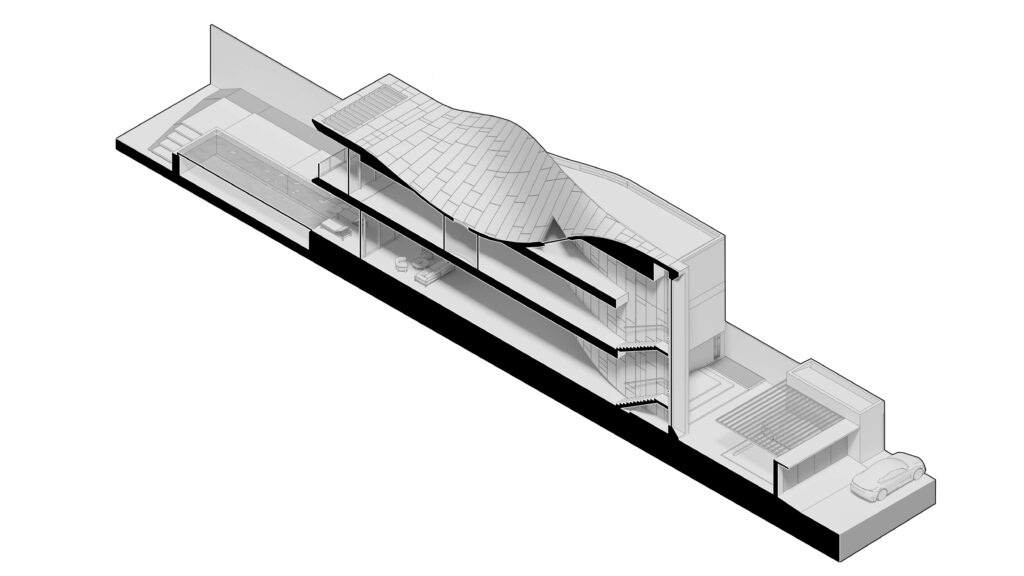
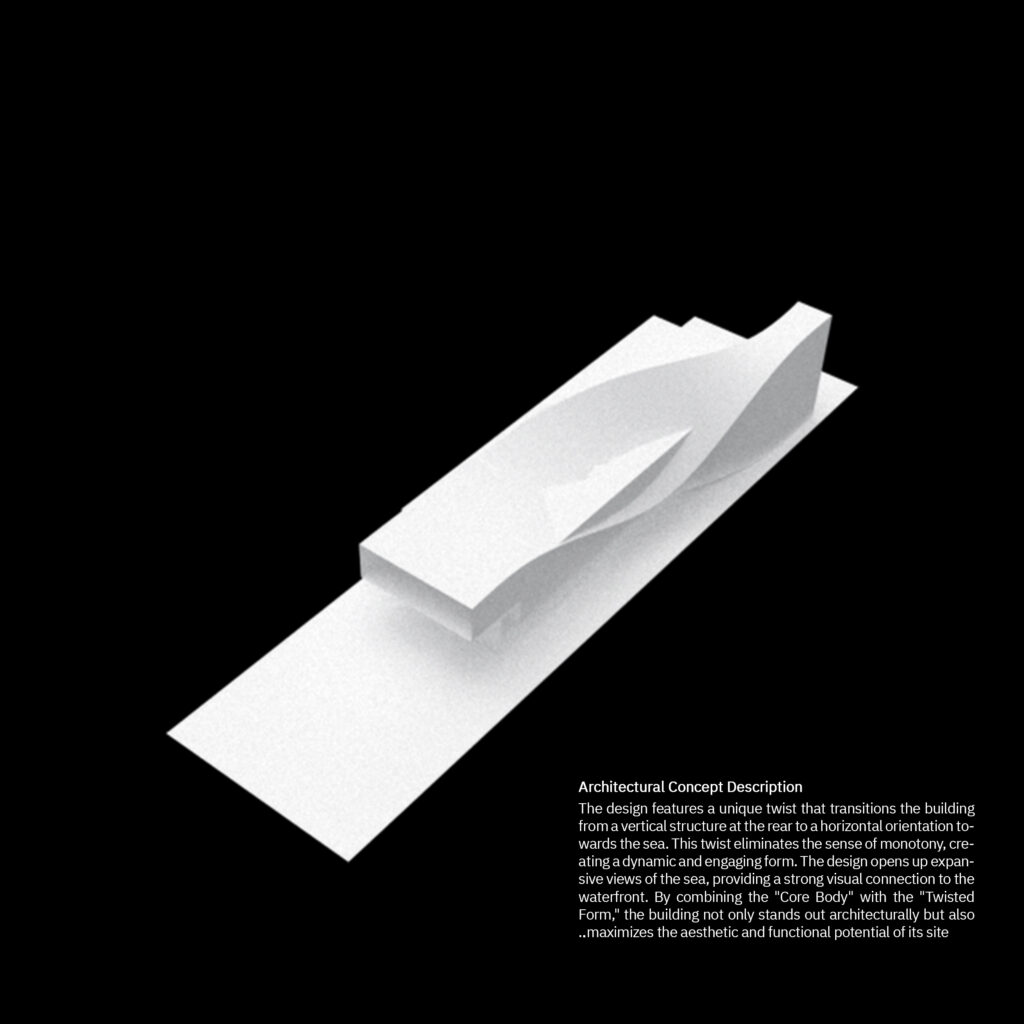
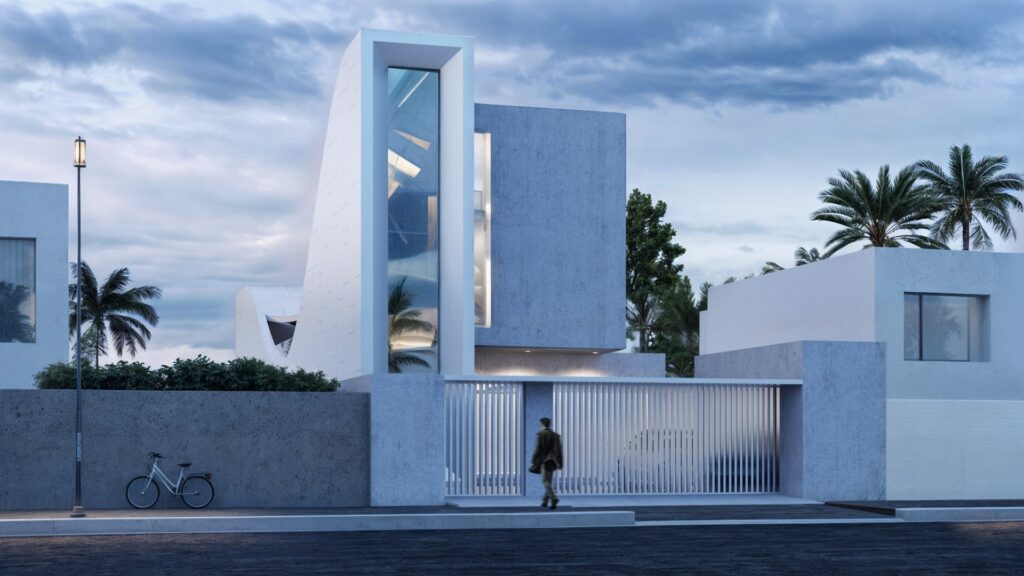
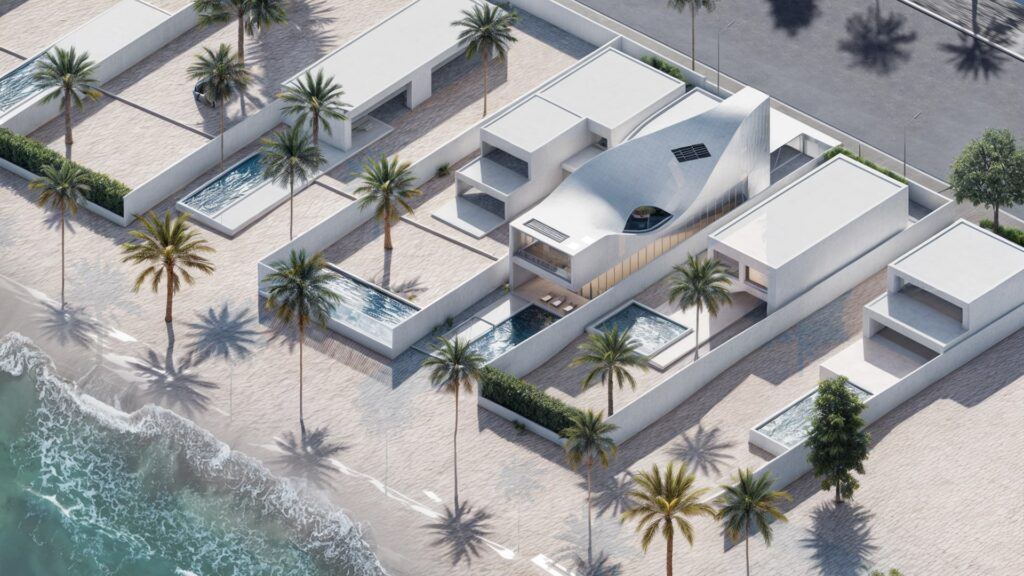
The plot at Durrah Al Arus is not a constraint that the design overcomes. It is the condition that produced the design’s central architectural idea. A frontage of 10.5 meters against a depth of 55 meters — a ratio of one to five — is a site that demands a solution to a single problem: how does a building that faces a narrow street also face an open sea?
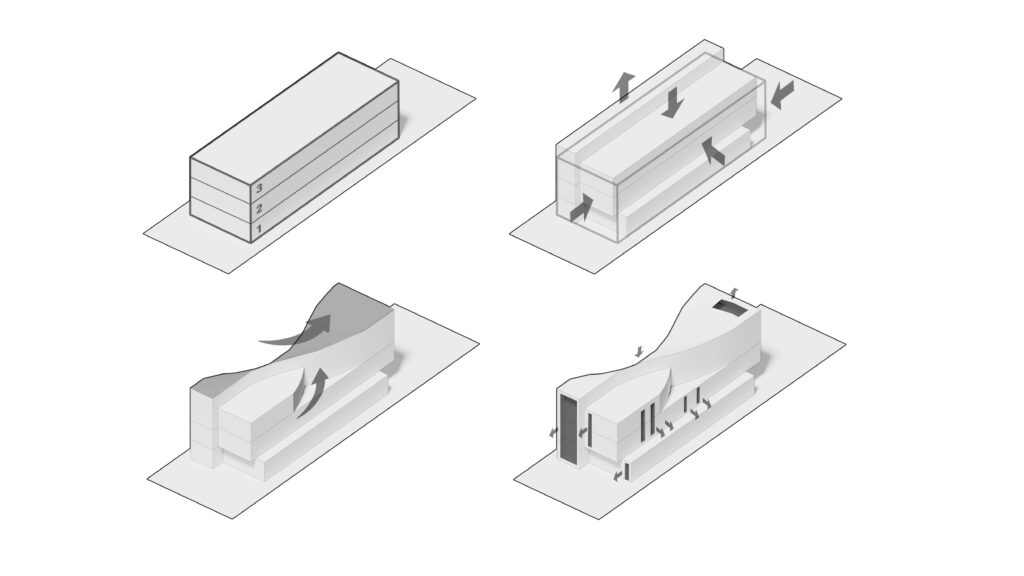
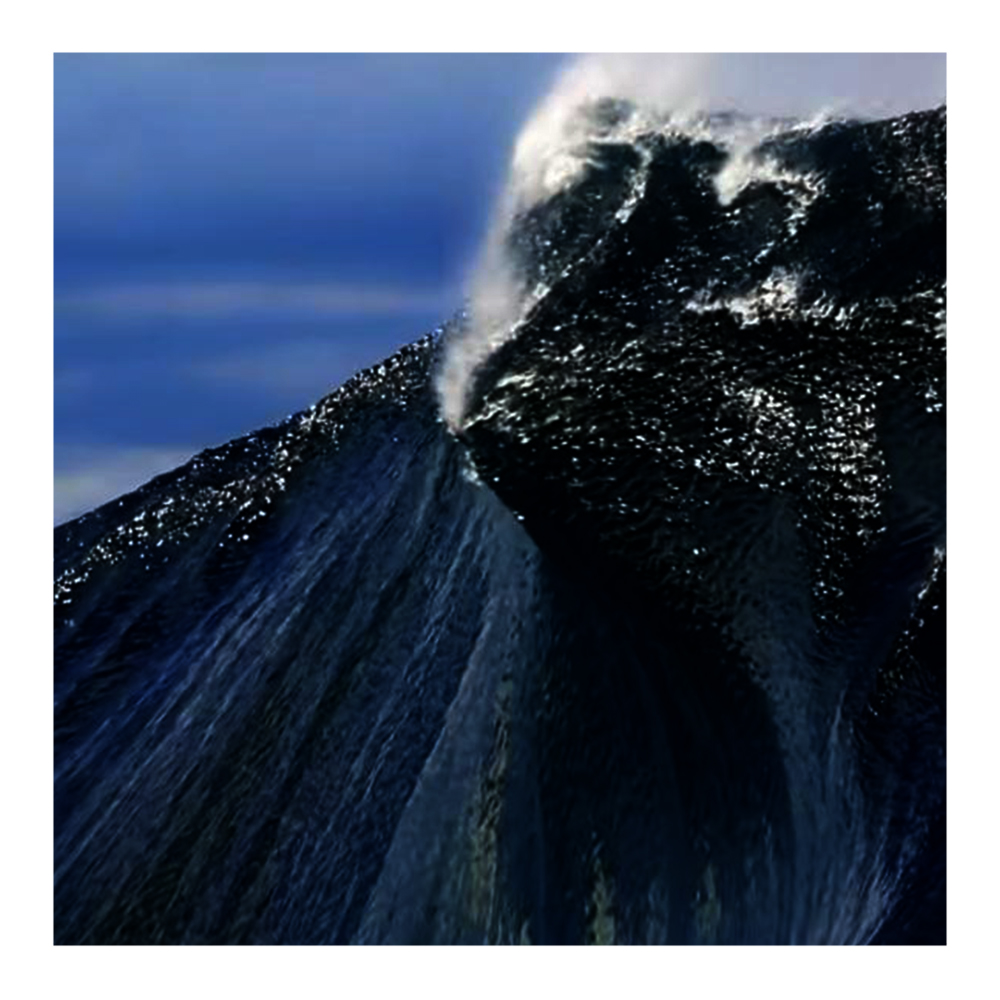
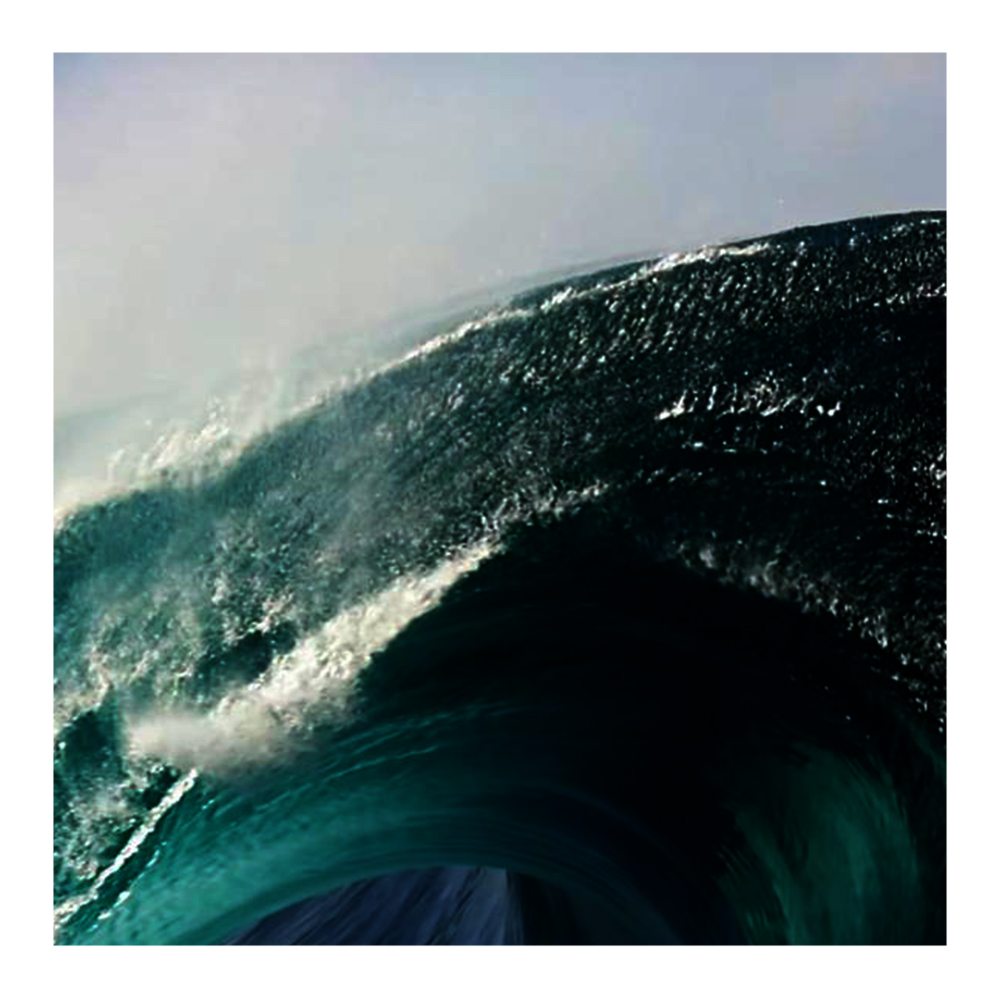
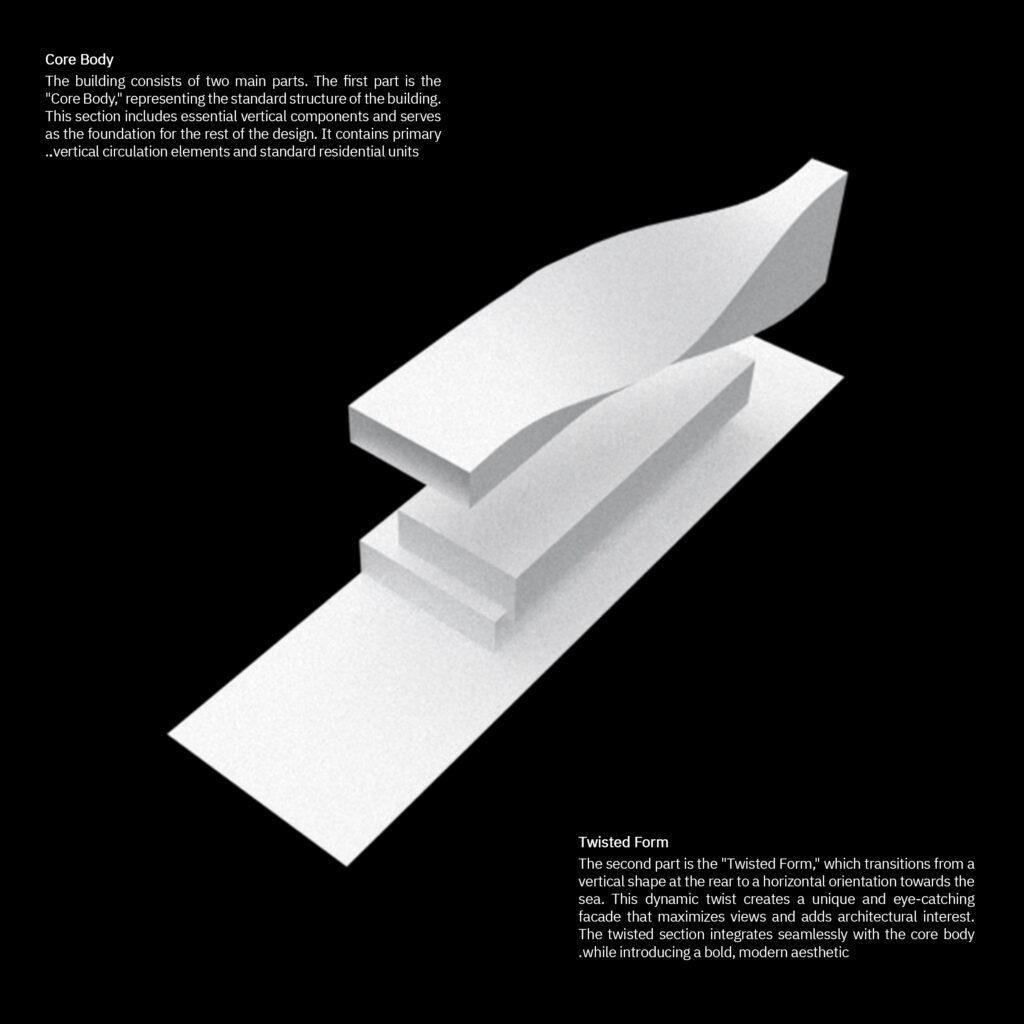
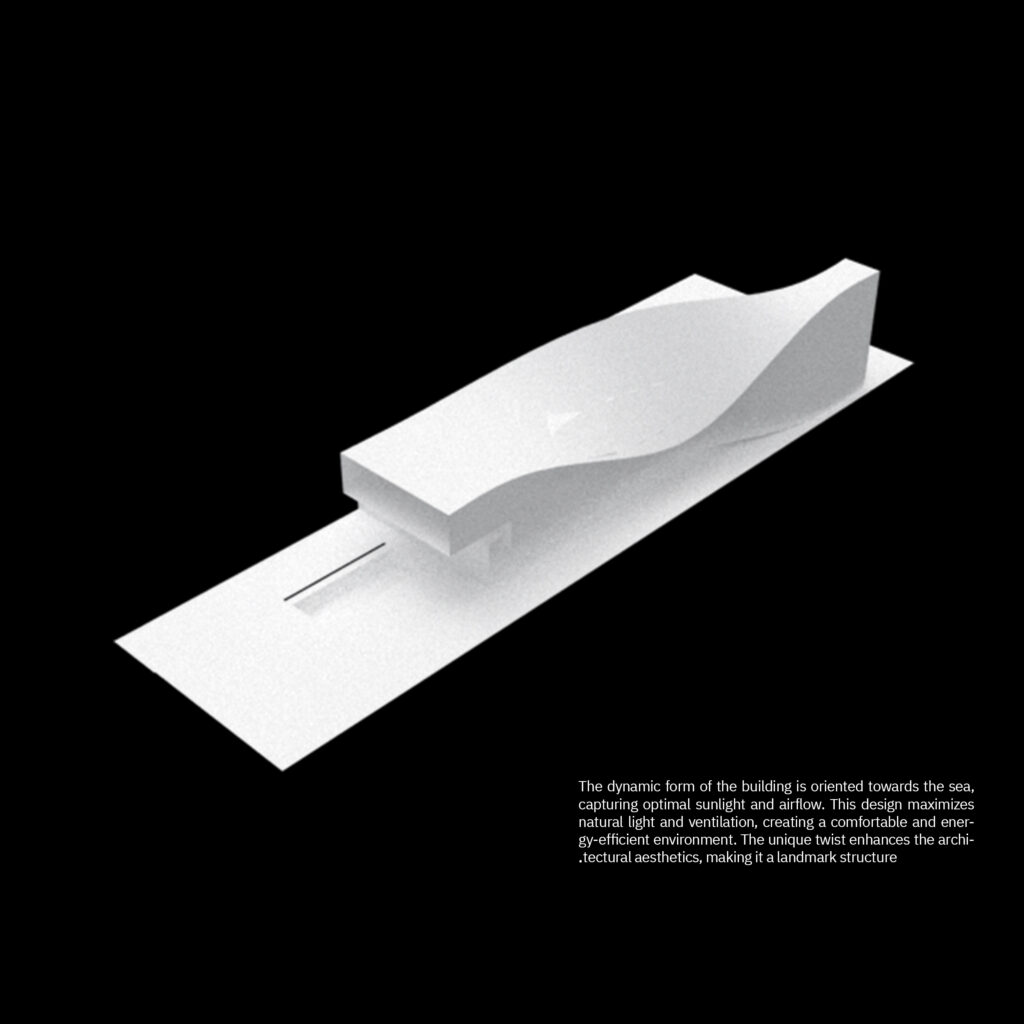
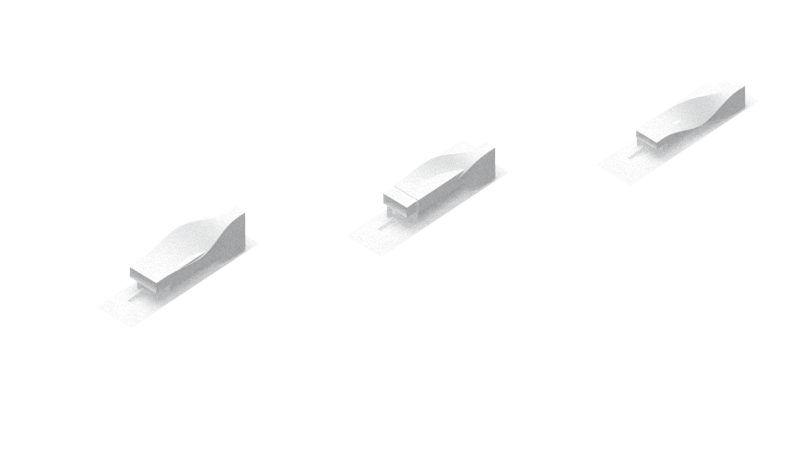
The answer is that it turns. The building begins at the street with a primary mass that is orthogonal and grounded — a stable structural body that reads the street’s geometry and provides the building’s vertical anchor. Above and behind it, a secondary mass begins a controlled rotation: 30 degrees of twist for every 10 meters of depth, the form rotating continuously from the street threshold toward the beach face until the building has reoriented itself completely toward the Red Sea. The geometry draws from the Möbius strip — a surface that begins in one orientation and arrives, through continuous transformation, at another. At the street, the building presents a composed urban facade. At the beach, the same building opens entirely toward the water, its glazed face maximizing the panoramic view that the site’s coastal position makes available.
Location          Durrah Al Arus, Jeddah, Saudi Arabia
Client            Private
Type              Luxury Residential Chalet
Land Area         550 m²
Building Area     634 m²
Plot Dimensions   10.5 m x 55 m
Floors            Ground + 2 + Penthouse
Status            Completed
Year              2024
Principal         Ibrahim Nawaf Joharji
Scope             Architecture, Spatial Planning, Facade Design
The floor-to-floor heights vary between 3.5 and 4.7 meters across the building’s section, adjusted to absorb the natural contour difference between the street level and the beach level — a drop of between 1.5 and 2.2 meters that the section resolves without steps or ramps visible to the occupant, the building’s internal geometry accommodating the topographic shift as part of the structural logic rather than as a separate problem. The concrete slab and column system provides the structural stability that the twisting secondary mass requires, its spans calculated against the angular rotations that the Möbius geometry demands at each level.
The program distributes across three habitable levels with a clarity that the twisting form reinforces rather than complicates. The ground floor surrenders its full area to collective life — living spaces, dining, kitchen, pool, and direct beach access — the social program occupying the level where the building is most connected to the outdoor ground plane and the sea beyond it. The first floor rises into four bedrooms, each with its own en-suite bathroom, organized around a double-height living area that connects vertically to the ground floor below. The penthouse level above completes the section with the master bedroom and a suite of multi-functional spaces — lounge, storage, service room — the large strategically placed window at this level capturing the panoramic view that the building’s full rotational movement has been working toward since the street threshold. The view from the penthouse is not a window in a facade. It is the building’s argument resolved — the end point of a form that began facing a narrow street and arrived, through 55 meters of controlled rotation, facing the open sea.
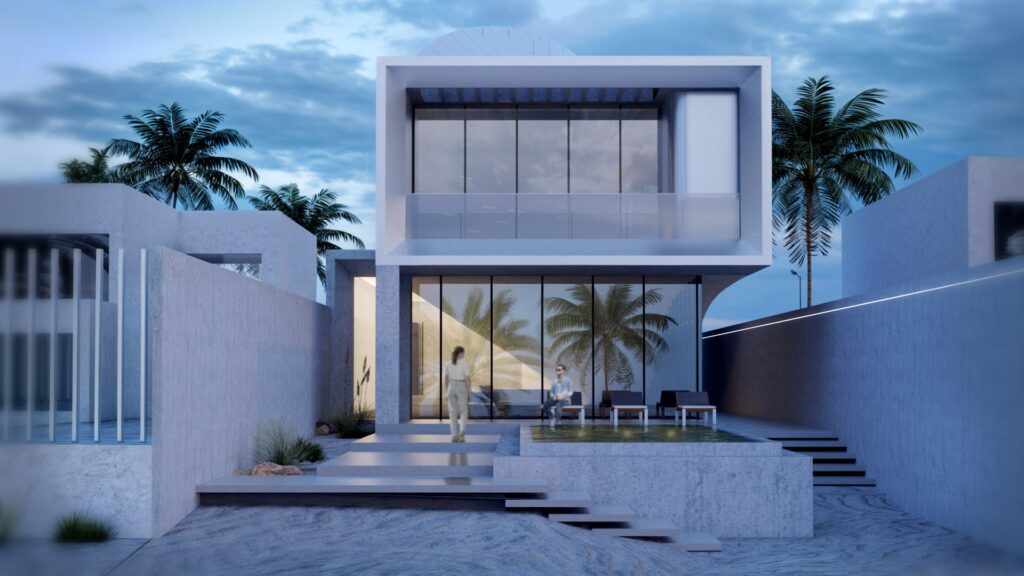
The facade materials distinguish the two masses that the building comprises. The twisted secondary mass is clad in aluminum or fabric — lightweight, smooth, and suited to the dynamic geometry of a surface that is never flat — giving the building’s rotating form a material expression that acknowledges its movement. The primary mass’s beach-facing elevation carries extensive glazing, the window-to-wall ratio on this face maximizing natural light admission and the coastal view without the thermal penalties that unshaded glazing produces in Jeddah’s climate. Shading devices on this elevation manage the solar gain while preserving the visual relationship between the interior and the water.
A side entrance and garage address the ground floor’s access from the street without compromising the primary facade’s coherence. The garden and pool are positioned on the ground floor between the building and the beach — the outdoor living zone at the level where the building and the coastline meet. Privacy and security across all levels were addressed through the placement of openings and the orientation of the balconies, the twist of the building producing sightline conditions at each floor that are different from the one below, each level seeing the sea from a slightly different angle as the form continues its rotation toward the water.
The methodology governing this type of site-specific spatial resolution is detailed in how-we-work. For private clients with coastal plots whose dimensions present equivalent planning challenges, the engagement framework is outlined in bespoke-architecture.