
MFJ Mansion
The site on Obhur Creek carries one of Jeddah’s most coveted views the bay opening westward, the light off the water changing through the day from the sharp white of noon to the deep amber of the Red Sea at dusk. The MFJ Mansion does not face this view. It turns toward it, the way a person turns toward something they have been waiting for.
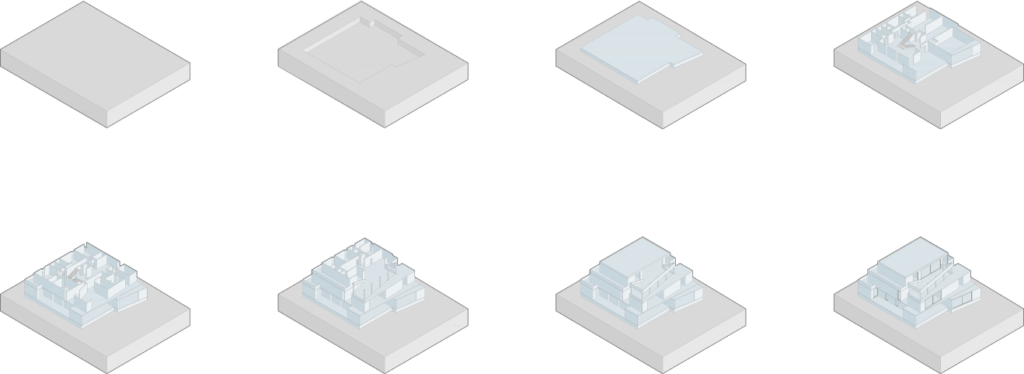
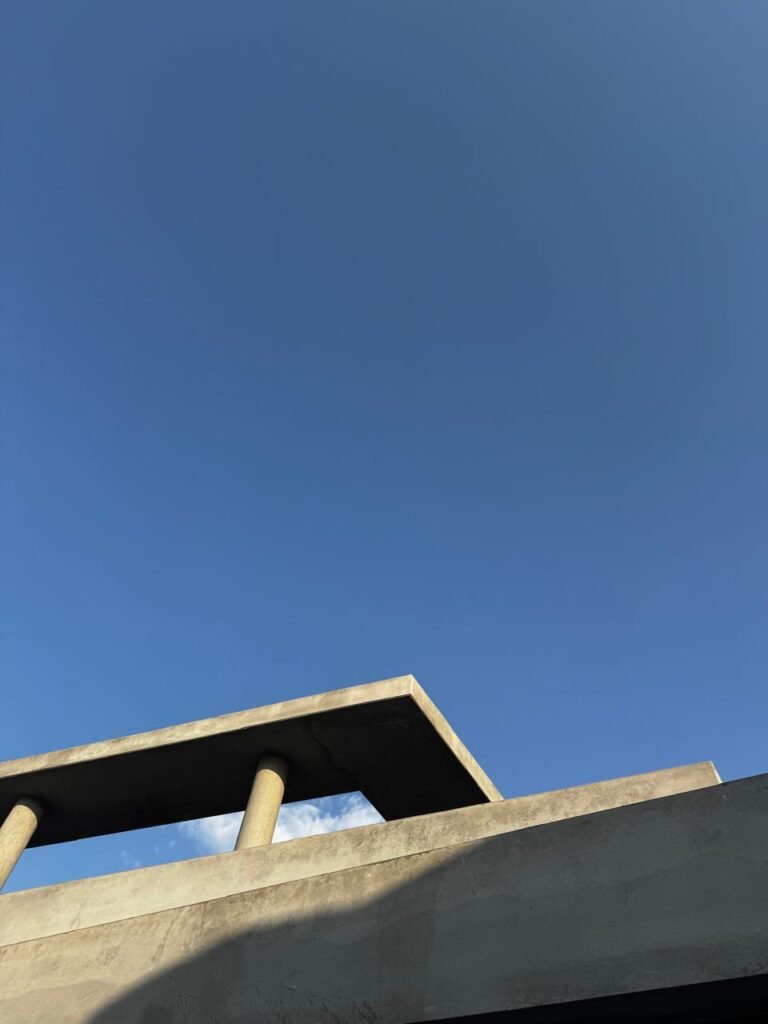
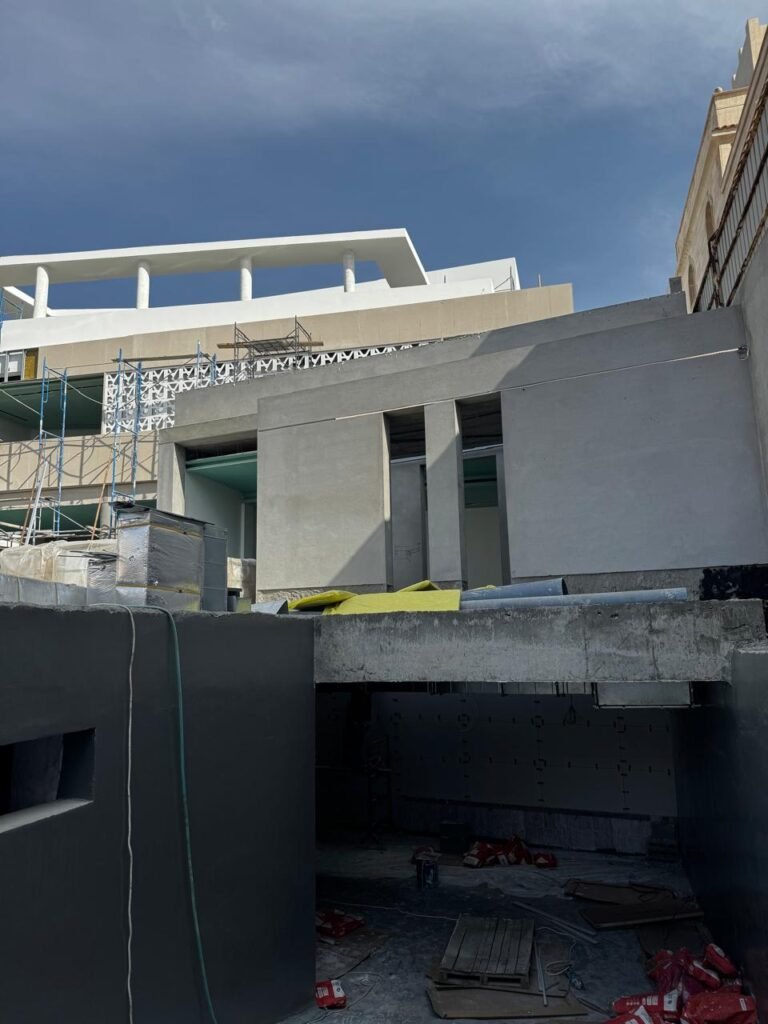
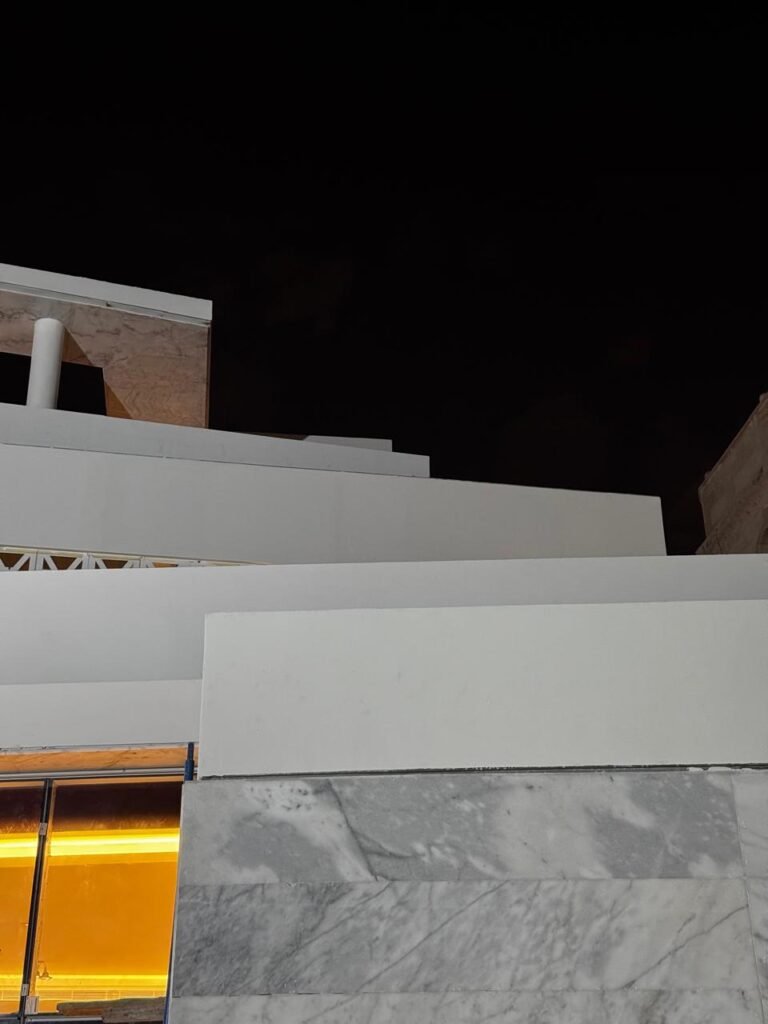
The building rises from its ground footprint in a form that is orthogonal and grounded at the base, then begins a controlled rotation as it ascends the upper volumes twisting progressively toward the bay, the terraces stepping outward as the building turns. The movement is not abrupt. It follows the same logic as a color swatch wheel rotating around a fixed point: every level shares the same center of gravity as the one below it, but each has turned slightly further toward the water. By the time the form reaches its highest level, it has completed its orientation toward the sea entirely. The building arrives at its view through the act of rising toward it.

Location          Jeddah, Saudi Arabia
Client            Private
Type              Private Mansion
Status            Completed
Year              2023
Principal         Ibrahim Nawaf Joharji
Awards            Luxury Lifestyle Awards 2025 — Best Contemporary Residential Architecture
                  International Property Awards 2025 — Saudi Arabia
Scope             Architecture, Interior Design, Landscape, Sustainability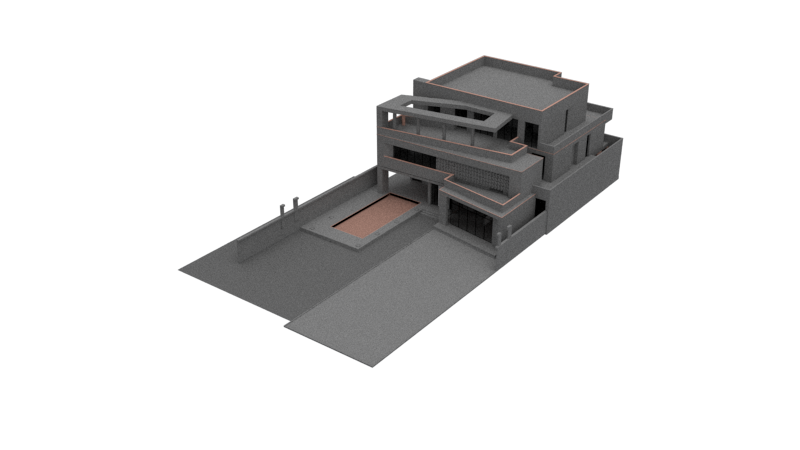
MFJ Mansion by INJ Architects has been recognized with two international awards in 2025 — the Luxury Lifestyle Awards and the International Property Awards (Saudi Arabia).
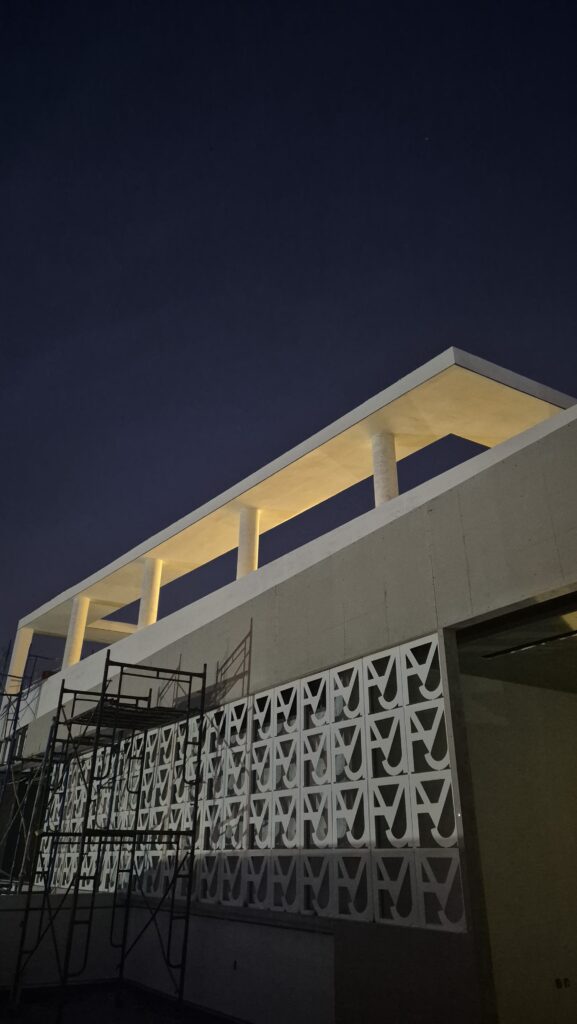
The terraces produced by this rotation are the project’s most consequential environmental decision. Each stepped plane extends further toward the bay than the one below it, and each is oriented at a slightly different angle to the sun’s path. The result is a facade that never casts the same shadow twice. In the morning, the eastern faces of the terraces carry the first light while the bay-facing surfaces remain in shade. By midday the stepped geometry produces a complex pattern of lit and shaded surfaces that shifts as the sun moves across the facade. In the late afternoon, as the Red Sea light comes in low from the west, the terraces intercept it at the angles that maximize the depth of shade on the inhabited spaces below. The form provides its own climate control through its geometry before any mechanical system is engaged.

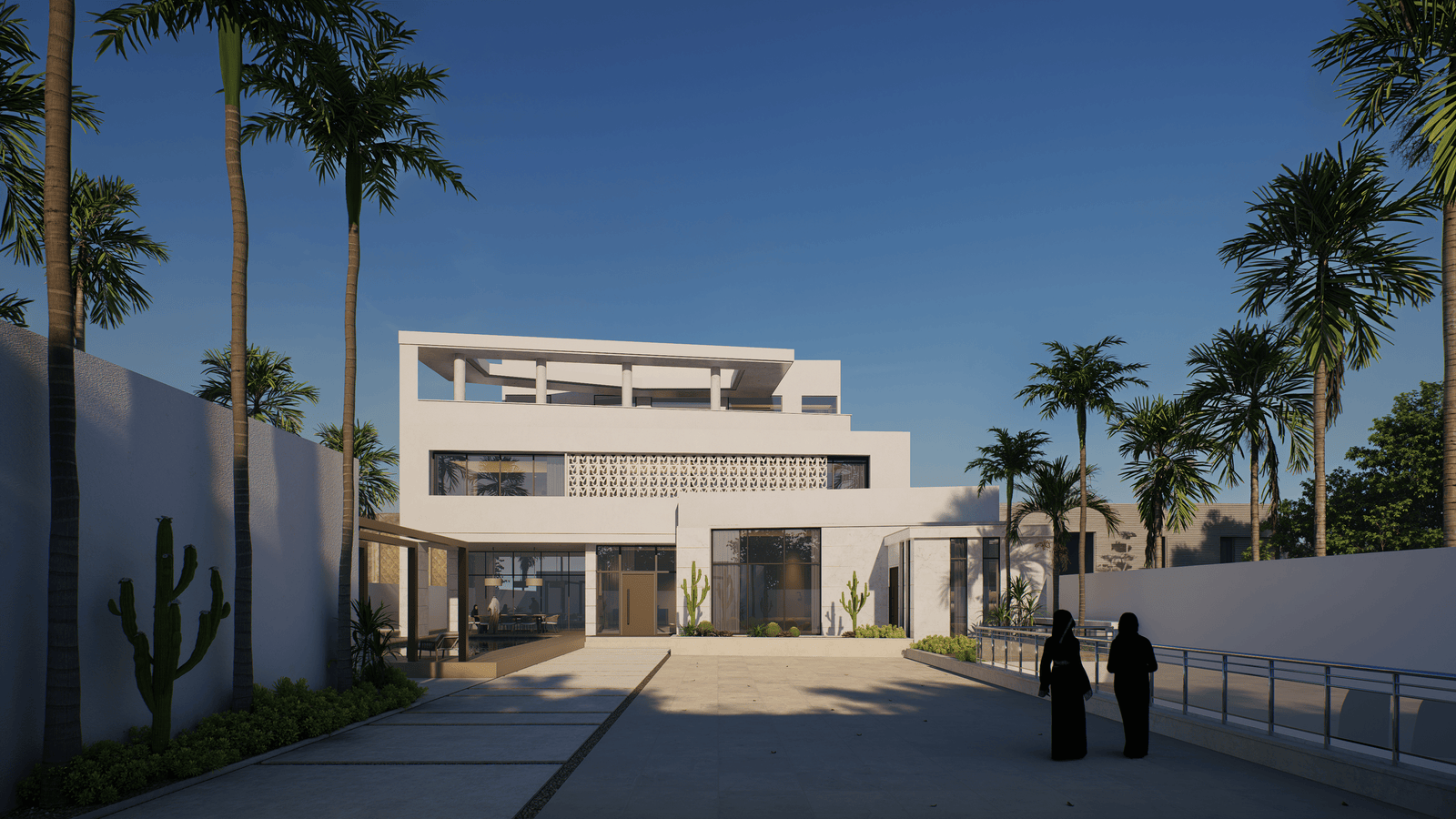
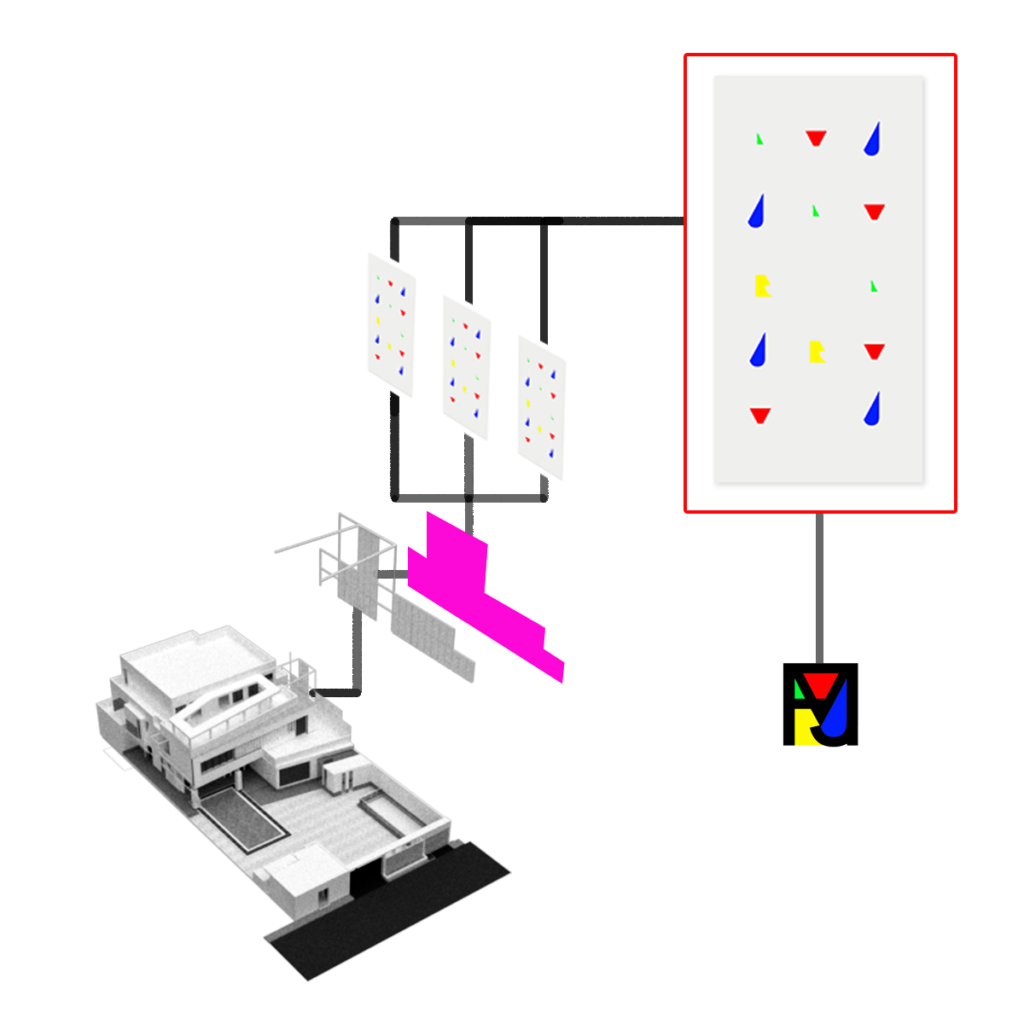
The facade system that covers this rotating form was developed with equal precision. Custom-crafted panels of 50×50 centimeters are layered across structural steel frameworks and secured with bronze clamps — a connection detail that is both a structural component and a visible element of the facade’s character. The panels are not flush. They are installed with a controlled depth variation that produces a rhythmic interplay of light and shadow across the surface, the relief shifting as the viewing angle changes and as the light moves through the day. The multi-tiered composition moves from raw steel at the structural layer through successive refinements to the finished exterior surface — a progression from industrial logic to architectural resolution that is legible in the completed facade. This is the visual signature of the MFJ Mansion: a geometric niche effect achieved not through applied decoration but through the precision of the layering system itself.

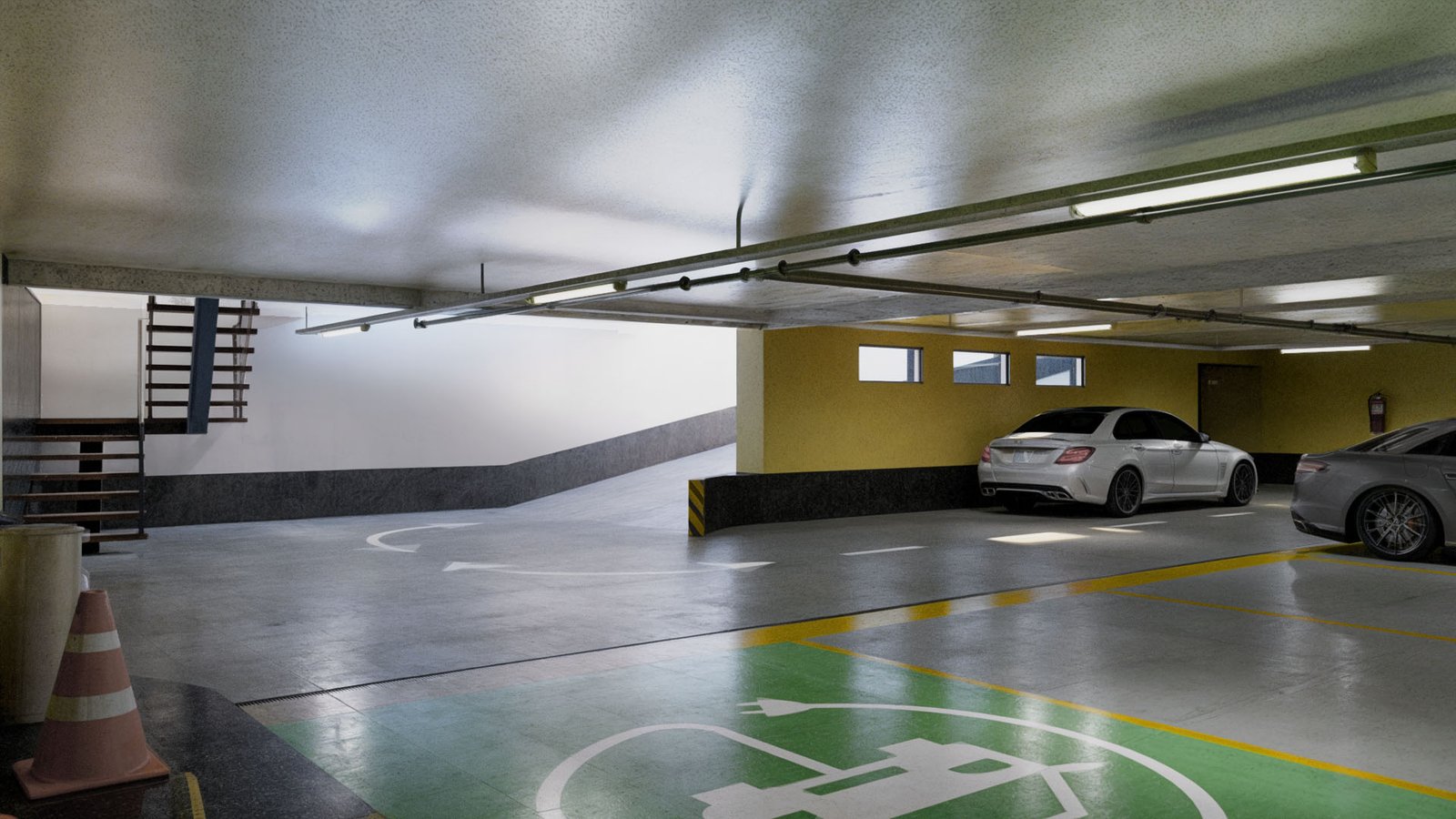
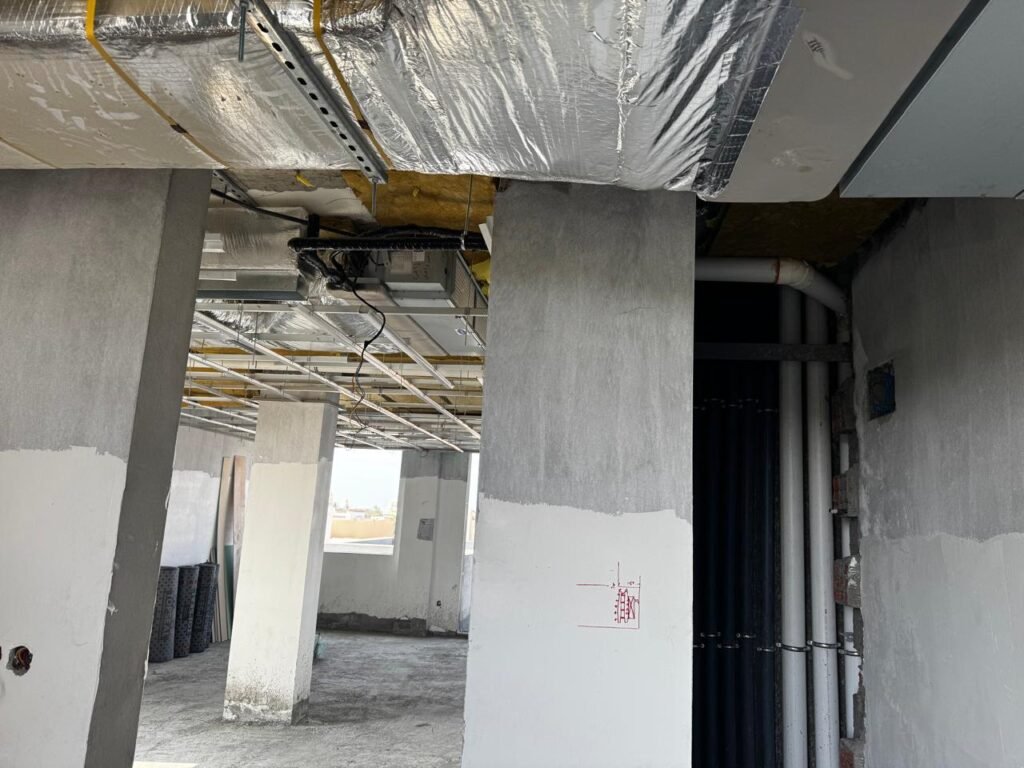
The environmental systems embedded in the building follow the same logic as its form — each decision derives from the specific conditions of the site rather than from a generic sustainability specification. The water management system recirculates and recycles water throughout the mansion, the closed-loop circulation eliminating the wastage that conventional residential water systems produce at this scale. The building’s window placement, shading geometry, and use of reflective surfaces were calculated together as an integrated system governing natural ventilation — the prevailing sea breeze from Obhur Creek channeled through the building’s section to reduce the thermal load on the mechanical cooling systems. Wind that arrives from the bay is received and directed by the same rotation of form that opens the mansion toward its view. The environmental performance and the spatial experience share the same generating decision.




The MFJ Mansion received the Luxury Lifestyle Awards 2025 for Best Contemporary Residential Architecture and the International Property Awards 2025 in the Saudi Arabia category — two recognitions that reflect the project’s resolution of the relationship between spatial ambition and environmental responsibility at the scale of a private residence. The design methodology governing projects of this complexity is detailed in how-we-work. The sustainability principles embedded in the building’s environmental systems are outlined under sustainability. For private clients considering residential commissions that demand the same depth of architectural and environmental resolution, the engagement framework is available through bespoke-architecture.