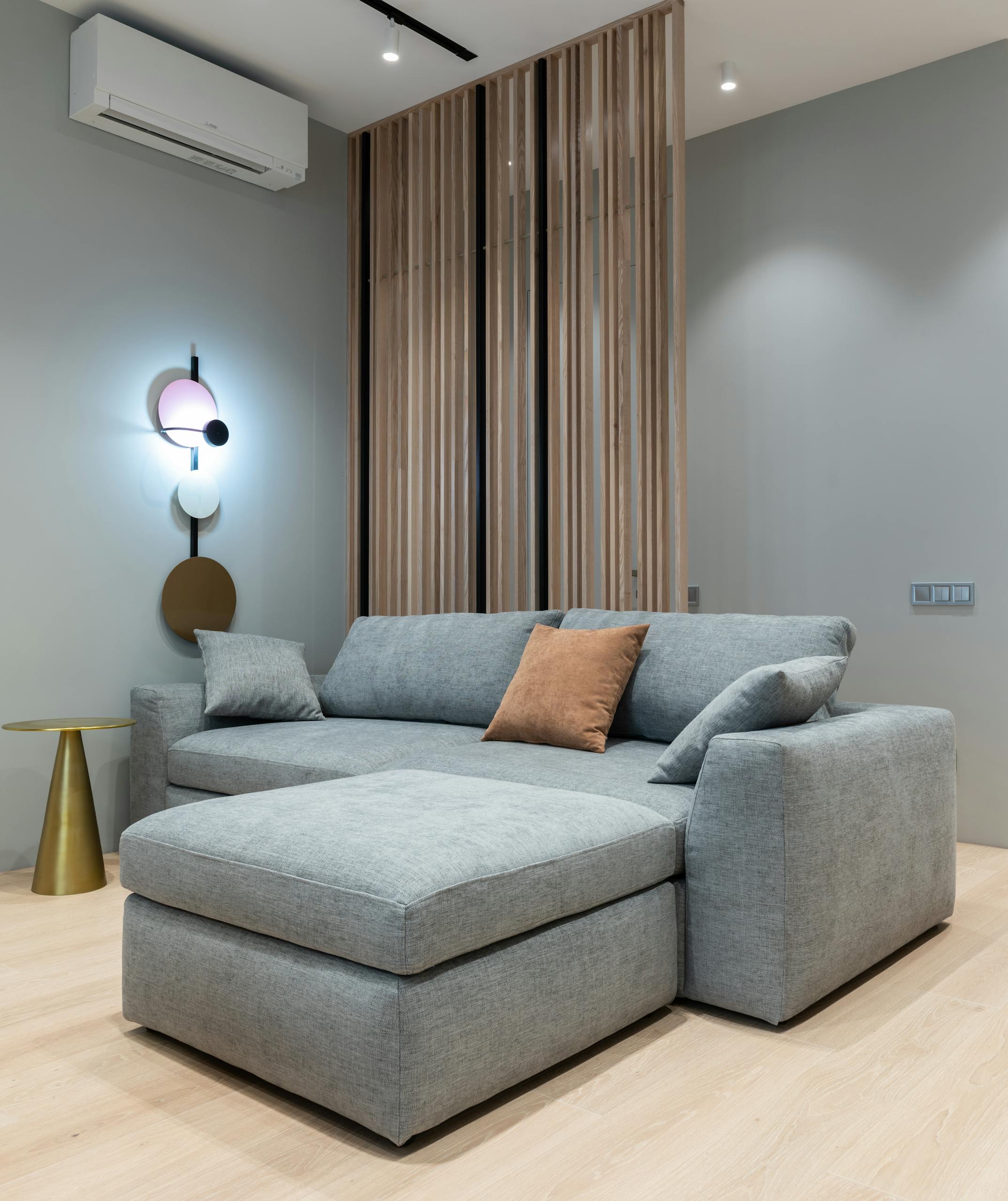
Seating is one of the most space defining elements in any interior. It determines circulation paths, visual weight, social interaction patterns, and daily comfort. The choice between modular seating systems and traditional sofas is not only about style. It directly affects how a room adapts to changing needs, how efficiently floor area is used, and how comfortable the seating remains over years of use.
Understanding the structural and ergonomic differences between these two seating approaches helps homeowners, designers, and workspace planners make more informed layout decisions.
What Modular Seating Systems Are
Modular seating consists of multiple independent sections that can be rearranged into different configurations. These sections may include corner units, armless seats, chaise extensions, or ottoman modules. Because each piece functions as part of a larger system, layouts can expand, shrink, or reorient depending on the room.
The defining feature is adaptability. A modular setup can form a compact sofa for a small apartment, then later expand into a large sectional when moved into a bigger living space. Modules can also be separated to create multiple seating zones, which is useful in open plan interiors or multipurpose rooms.
This flexibility makes modular seating particularly suitable for spaces where layout changes are expected over time.
What Traditional Sofas Provide
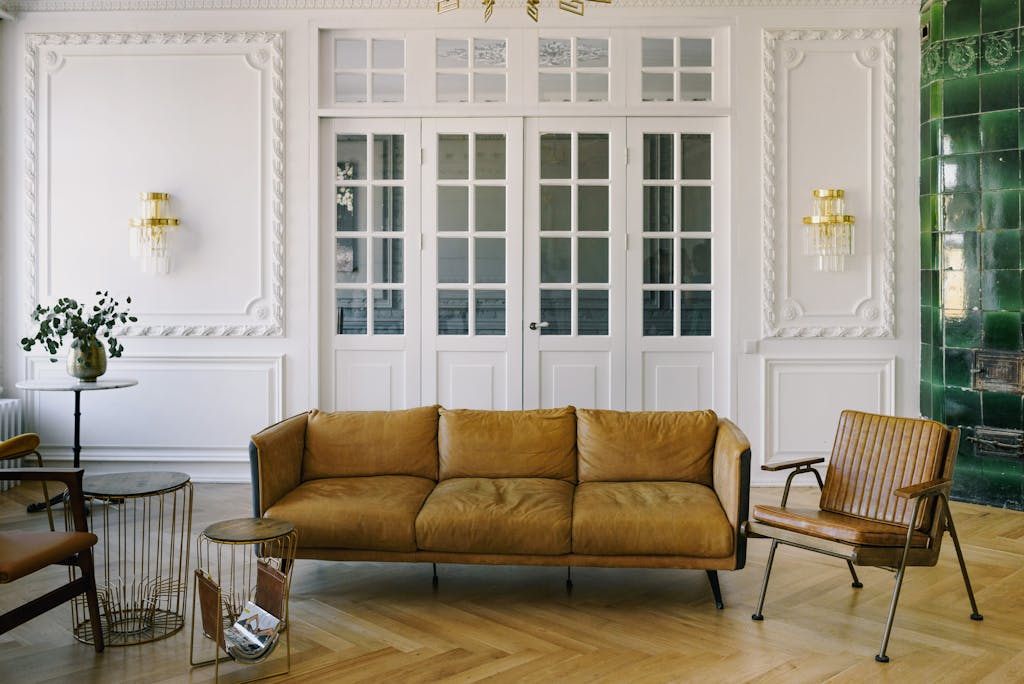
Traditional sofas are fixed form seating units with a permanent shape and structure. They typically come as two seat, three seat, or larger fixed couches, sometimes paired with separate armchairs.
Their main advantage is structural consistency. Because the frame is built as one unified object, traditional sofas often feel more rigid, stable, and predictable in comfort. Cushion support tends to be evenly distributed across the full length, and there are fewer connection points that may loosen over time.
Traditional sofas are also generally simpler to purchase, deliver, and position. The user chooses one size and places it in the room without needing configuration decisions.
Space Efficiency in Real Layouts
Modular seating often performs better in irregular floor plans. Rooms with unusual corners, narrow widths, or mixed use zones benefit from the ability to tailor the seating footprint precisely. Modules can be aligned to walls, wrapped around corners, or broken into smaller pieces to open circulation routes.
Traditional sofas tend to work best in clearly defined rectangular living rooms where furniture placement is stable and unlikely to change. Their fixed proportions make spatial planning straightforward but less adaptable.
In small apartments, modular seating can either save space or waste it depending on configuration discipline. Poorly planned modules may create excessive depth or awkward overlaps, while carefully selected modules can eliminate unused gaps.
Comfort Differences Over Long Use
Comfort depends on cushion density, seat depth, back support angle, and upholstery material, but construction style also matters.
Modular seating sometimes introduces slight firmness variation between sections because each module contains its own support structure. Connection joints may also create subtle separation lines that some users notice during long sitting sessions.
Traditional sofas usually provide more continuous support across the full seating surface. Because the frame is unified, weight distribution is often smoother and long term sagging patterns may be more predictable.
However, modular seating offers one comfort advantage. Individual worn modules can sometimes be replaced without replacing the entire sofa, extending the lifespan of the system.
Maintenance and Longevity
Traditional sofas typically require minimal structural maintenance. With fewer joints and connectors, there are fewer points of mechanical stress. If properly constructed, they can remain stable for many years.
Modular seating introduces connectors, locking brackets, or alignment hardware. These components can loosen with repeated reconfiguration or heavy use. On the other hand, the modular system allows selective replacement of damaged pieces, which can reduce long term replacement costs.
Fabric wear patterns also differ. Traditional sofas usually show wear in fixed central seating positions. Modular seating distributes wear more evenly because users often rotate or rearrange sections.
Core Functional Comparison
| Factor | Modular Seating System | Traditional Sofa |
|---|---|---|
| Layout flexibility | Highly reconfigurable into multiple shapes | Fixed permanent shape |
| Adaptability to new homes | Can expand or shrink with space changes | Must fit existing dimensions |
| Space efficiency in irregular rooms | Very strong when planned carefully | Limited adaptability |
| Structural stability | Good but depends on connectors | Very high unified stability |
| Continuous seating comfort | May vary slightly between modules | Usually very consistent |
| Replacement of damaged parts | Individual modules often replaceable | Entire sofa usually replaced |
| Setup complexity | Requires layout planning and assembly | Simple single placement |
| Moving and transport | Easier to move in separate pieces | Harder to move large single frame |
| Visual presence in room | Can appear larger or fragmented if oversized | Clear and visually predictable |
| Best use scenario | Changing layouts or multipurpose spaces | Stable long term living rooms |
When Modular Seating Works Best
Modular seating is particularly effective in apartments where the living room also functions as a workspace, entertainment area, or guest sleeping zone. The ability to rearrange sections allows the furniture to respond to different activities.
It is also useful for growing households, rental properties, or interiors expected to be redesigned later. Instead of replacing the entire seating setup, additional modules can be added incrementally.
Large open plan interiors benefit from modular seating because it can help define zones without needing partitions.
When Traditional Sofas Are the Better Choice
Traditional sofas are often the stronger option when layout stability is expected for many years. If the room size is known, the seating position is fixed, and no reconfiguration is planned, the structural simplicity of a single frame sofa reduces complexity and potential mechanical issues.
They are also preferred when maximum seating stability is required, or when a continuous uninterrupted seating cushion is important for comfort.
In formal living rooms or spaces focused on visual symmetry, the predictable geometry of traditional sofas often integrates more cleanly.
Decision Strategy for Real Homes
Choose modular seating when flexibility, adaptability, and future layout uncertainty are important. It performs best when the user expects relocation, renovation, or changing room functions.
Choose a traditional sofa when structural simplicity, consistent comfort, and long term placement stability are the priority. It performs best in permanent living rooms with defined furniture positions.
Conclusion
Modular seating systems treat furniture as an adaptable spatial tool capable of evolving with changing interior needs. Traditional sofas treat furniture as a stable architectural element designed for consistency and long term reliability.
Neither approach is universally superior. The correct choice depends on whether the interior demands flexibility or permanence. Seating should be selected not only for appearance or softness, but for how it interacts with circulation, spatial change, and the long term patterns of everyday living.
Summary
Modular seating systems and traditional sofas shape interior layouts, comfort, and long term usability in different ways. Modular seating offers high flexibility, allowing sections to be rearranged, expanded, or replaced, making it suitable for changing spaces, open plans, or multipurpose rooms, though connectors and separate modules can slightly affect uniform comfort and require planning. Traditional sofas provide a fixed, unified structure with consistent support, strong stability, and simpler setup, making them ideal for permanent layouts and predictable room arrangements. The best choice depends on whether a space prioritizes adaptability and future change or structural simplicity and long term placement stability.