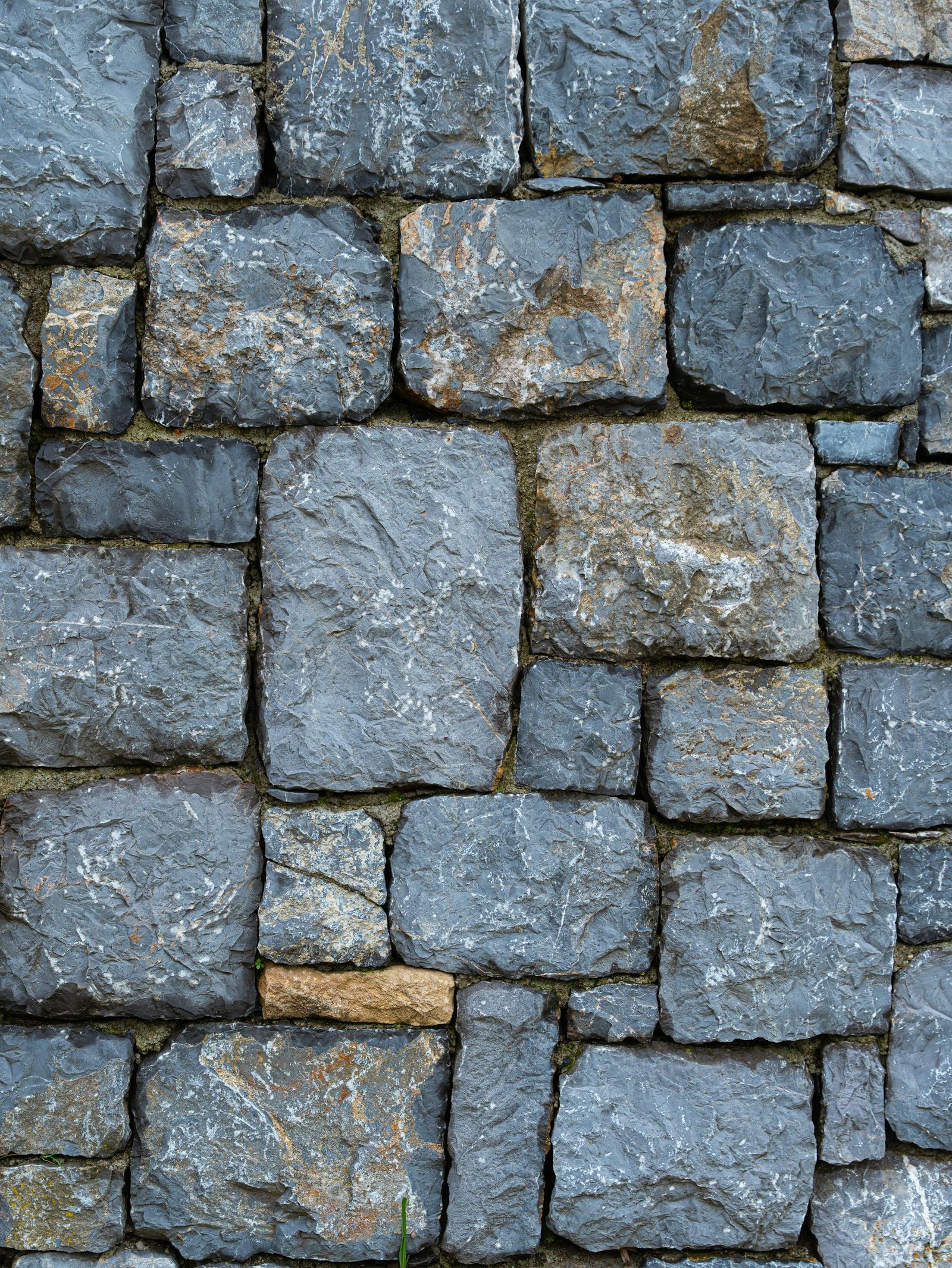
Choosing the right material for exterior cladding is critical for both aesthetics and long-term performance. Exterior facades are exposed to weather, UV radiation, pollution, and thermal cycling, which can significantly impact durability, maintenance, and lifespan. Two of the most common cladding options are natural stone and engineered stone. Understanding their characteristics, benefits, limitations, and practical applications helps homeowners, architects, and contractors make informed decisions.
Natural Stone Cladding
Natural stone has been used in architecture for centuries and offers a timeless aesthetic. Common types include granite, limestone, sandstone, slate, and marble. Each type presents different hardness, porosity, and resistance to environmental conditions.
Natural stone is inherently durable. Granite and slate, for example, resist abrasion and retain color over decades. Limestone and sandstone are softer and more porous, making them susceptible to staining or erosion in harsh climates. Thermal performance varies; dense stones have high thermal mass, helping regulate indoor temperature but potentially creating heat accumulation on façades.
Installation requires precise detailing because weight and dimensional variation can affect anchoring and alignment. Proper sealing and periodic maintenance are needed to prevent water infiltration, moss growth, or surface degradation.
Engineered Stone Cladding
Engineered stone is a manufactured composite, typically consisting of crushed stone bound with resin or cementitious materials. Quartz-based engineered panels and terrazzo-style panels are common. Engineered stone offers consistent color, pattern, and thickness, which simplifies installation and reduces on-site waste.
Engineered stone is generally lighter than natural stone, allowing for easier handling, faster installation, and less structural load on the building envelope. It is also less porous in many formulations, offering improved resistance to staining and water penetration. Some engineered stone panels integrate UV inhibitors, reducing fading in direct sunlight.
However, engineered stone may be less resistant to impact or extreme thermal cycles compared to dense natural stone. Prolonged exposure to high temperatures can sometimes cause discoloration or microcracking. Maintenance is generally simpler, often limited to regular cleaning with mild detergents, but repairs for damage can be more complicated than with natural stone.
Durability Comparison
| Feature | Natural Stone | Engineered Stone | Practical Notes |
|---|---|---|---|
| Compressive Strength | Very high (granite, slate) | Moderate to high depending on resin content | Dense natural stones handle extreme loads better |
| Porosity | Low to high depending on type | Typically low | Lower porosity reduces water infiltration and staining |
| Weather Resistance | Excellent (hard stones) | Good, may fade or crack under extreme heat | Proper sealing improves natural stone longevity |
| Thermal Expansion | Low to moderate | Slightly higher, depending on resin/cement | Engineered panels require expansion joints |
| Lifespan | Decades to centuries | 20–50 years depending on exposure | Natural stone often outlasts engineered alternatives |
Weathering Considerations
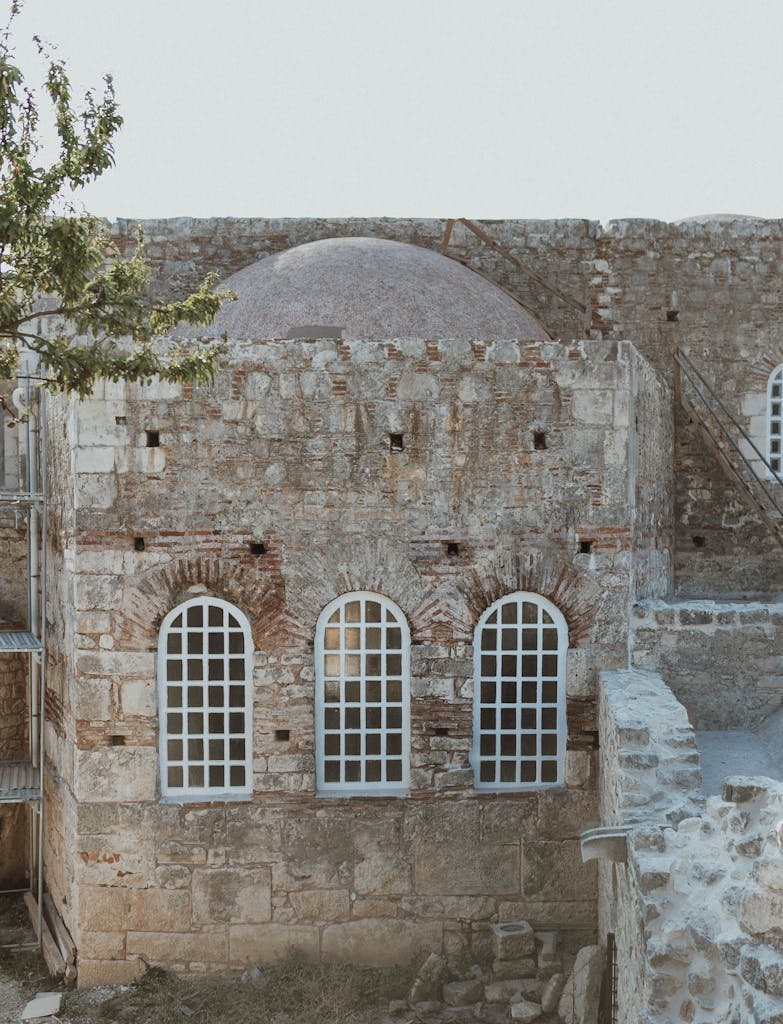
Natural stone weathers differently depending on its mineral composition. Acid rain and pollution can erode limestone and marble surfaces. Freeze-thaw cycles can cause cracking in porous stones. Granite and slate remain largely unaffected under the same conditions.
Engineered stone is designed to withstand typical weathering but may not perform well under extreme UV, heat, or heavy impact conditions. Some formulations are susceptible to color change under prolonged sun exposure. Expansion gaps and proper anchoring are essential to prevent panel deformation.
Maintenance Requirements
Natural stone requires periodic sealing to prevent water penetration and staining. Cleaning must avoid acidic detergents that can etch softer stones. Loose or damaged panels may need professional repair or replacement.
Engineered stone typically requires less frequent sealing and is easier to clean with standard detergents. Surface damage can be repaired using fillers or patch kits, but large panel replacements are more complex.
Installation and Cost Factors
Natural stone installation is labor-intensive due to weight, irregularity, and cutting requirements. Structural support must account for heavy panels, particularly for high-rise applications. Costs vary significantly by stone type, availability, and cutting complexity.
Engineered stone installation is faster and often lighter. Panels come in uniform sizes, simplifying anchoring and reducing waste. While the upfront cost may be similar or slightly lower than premium natural stones, engineered stone may require replacement sooner in harsh environments, affecting lifecycle cost.
Suitability and Practical Applications
Natural stone is ideal for projects prioritizing long-term durability, heritage aesthetics, and high-end finishes. It performs best in areas with harsh weather, high thermal load, or where longevity is a priority.
Engineered stone is suitable for contemporary architecture requiring precise patterns, lighter weight, and faster construction. It is particularly effective for mid-rise buildings, façades with complex geometries, and projects where uniformity and color consistency are critical.
Maintenance Comparison Table
| Aspect | Natural Stone | Engineered Stone | Recommendations |
|---|---|---|---|
| Cleaning | Neutral pH detergents, avoid acid | Mild soap, non-abrasive cloth | Regular maintenance every 6–12 months |
| Sealing | Recommended every 1–3 years | Often not required, depending on resin content | Check porosity and climate exposure |
| Repair | Replace cracked slabs, patch minor chips | Patch fillers for small damage, panel replacement for major cracks | Have professional repair options available |
| Longevity | Decades to centuries | 20–50 years | Factor lifecycle cost for project planning |
Conclusion
Both natural and engineered stone offer unique advantages for exterior cladding. Natural stone provides unmatched longevity, high resistance to extreme weather, and a timeless aesthetic, but requires heavier support and careful installation. Engineered stone offers consistent appearance, lighter weight, and simpler maintenance but may have a shorter lifespan in extreme climates.
Selecting the right option depends on project priorities including durability, maintenance capacity, aesthetic preference, structural limits, and budget. Combining material choice with proper installation, sealing, and maintenance strategies ensures optimal performance and visual appeal over time.
Summary
Choosing the right exterior cladding material significantly impacts long-term performance and aesthetics. Natural stone offers exceptional durability, weather resistance, and a timeless appearance but is heavy, requires structural support, precise installation, and periodic maintenance. Engineered stone provides lighter weight, consistent color and pattern, and easier installation and upkeep, though it may be less resistant to impact and extreme heat over time. Selecting between them depends on project priorities such as durability, maintenance capacity, aesthetics, structural limitations, and budget. Combining proper material choice with correct installation and maintenance ensures optimal performance and visual appeal over time.