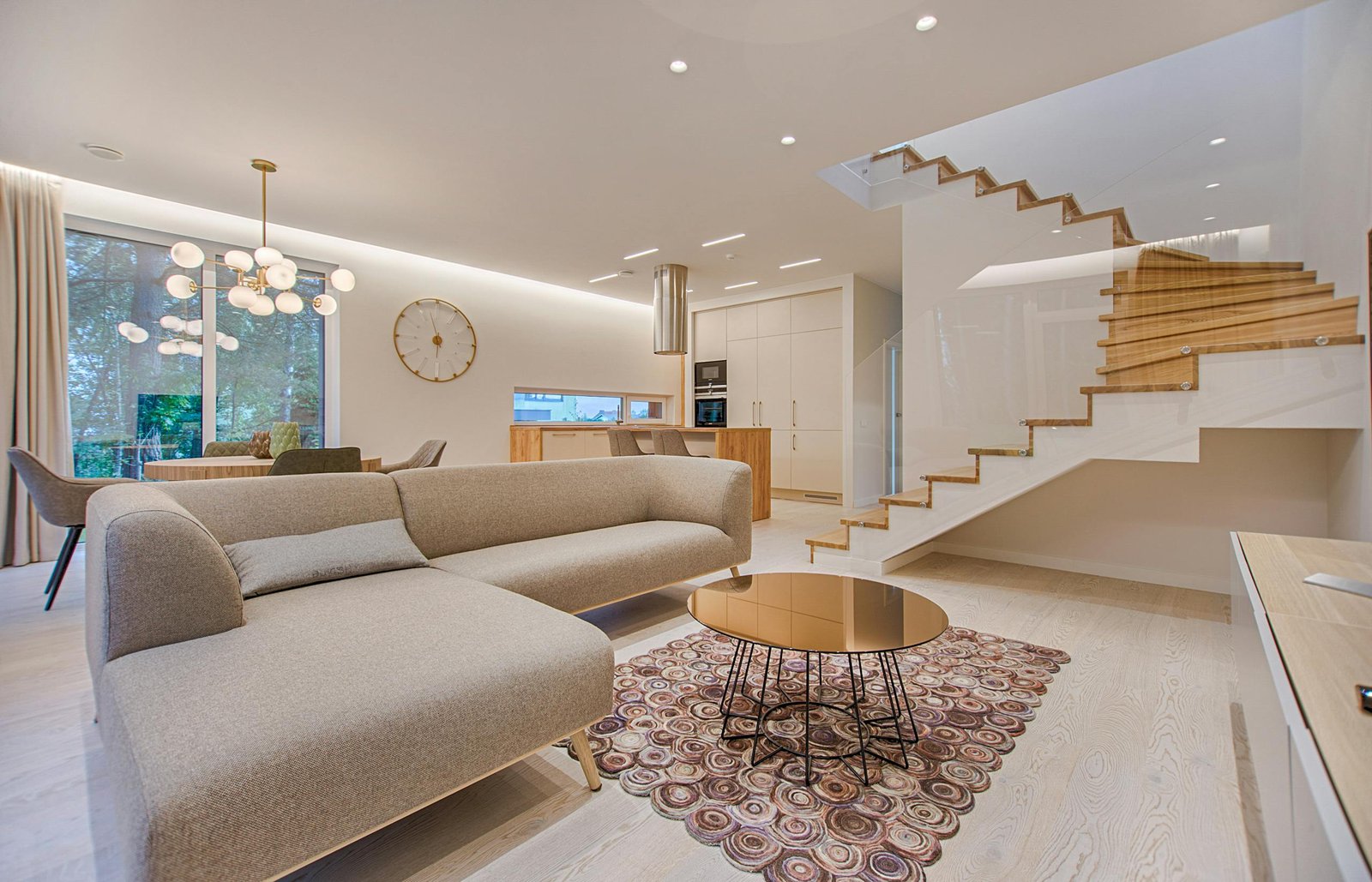
The way interior space is divided is one of the most consequential decisions in design. Long before finishes, furniture, or lighting are considered, the basic layout determines how people move, interact, focus, rest, and feel inside a space. Open plan and segmented layouts represent two fundamentally different approaches to spatial organization. Each produces distinct psychological, functional, and environmental outcomes.
Rather than treating this choice as a stylistic preference, it should be understood as a strategic decision based on human behavior, acoustic performance, privacy needs, energy use, and long term adaptability.
Understanding Open Plan Layouts
An open plan layout minimizes internal walls and visual barriers, creating a continuous interior environment. Activities such as cooking, eating, working, and relaxing occur within a shared spatial volume.
This approach prioritizes visual connection and spatial fluidity. Light travels deeper into the interior, movement is unrestricted, and spaces feel larger than their actual size.
Open plans are often perceived as modern and informal. They promote interaction and reduce hierarchical separation between activities. However, openness also removes boundaries that once controlled sound, visibility, and environmental comfort.
Understanding Segmented Layouts
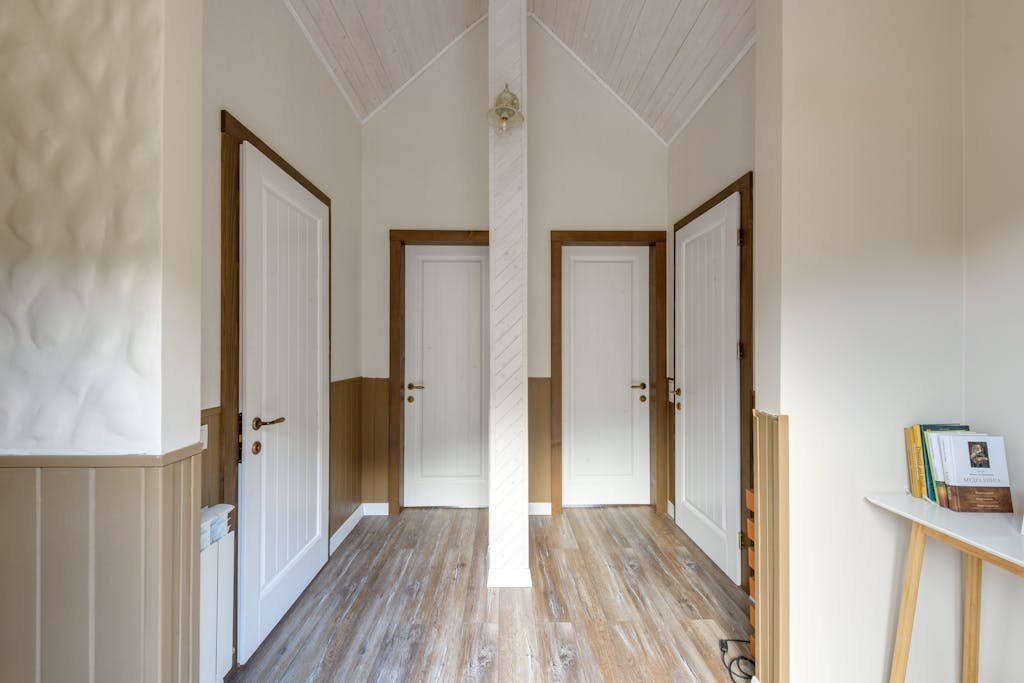
Segmented layouts divide interiors into distinct rooms. Each space is enclosed and assigned a specific function. Walls, doors, and thresholds create clear transitions between activities.
This approach supports privacy, focus, and environmental control. It allows users to disengage visually and acoustically from other activities occurring in the same dwelling or building.
Segmented layouts are often associated with traditional planning, but their value is rooted in performance rather than nostalgia. They address real human needs related to concentration, rest, and personal boundaries.
Core Behavioral Differences
The most significant difference between open and segmented layouts lies in how they influence behavior.
In open plan environments, activities become visible and audible to others. This encourages interaction but also creates constant awareness of surrounding movement and noise. People tend to modify their behavior subconsciously, speaking more quietly or avoiding activities that might disturb others.
In segmented layouts, occupants feel freer to engage fully in specific activities. The presence of physical boundaries reduces cognitive load by limiting visual and auditory stimuli.
This distinction becomes critical in households with mixed routines, remote work, children, or shared living arrangements.
Spatial Performance Comparison
| Aspect | Open Plan Layout | Segmented Layout |
|---|---|---|
| Visual continuity | High | Low |
| Acoustic separation | Weak | Strong |
| Privacy | Limited | Strong |
| Daylight distribution | Efficient | Dependent on openings |
| Behavioral flexibility | High | Focused |
| Long term adaptability | Furniture based | Construction based |
Advantages of Open Plan Layouts
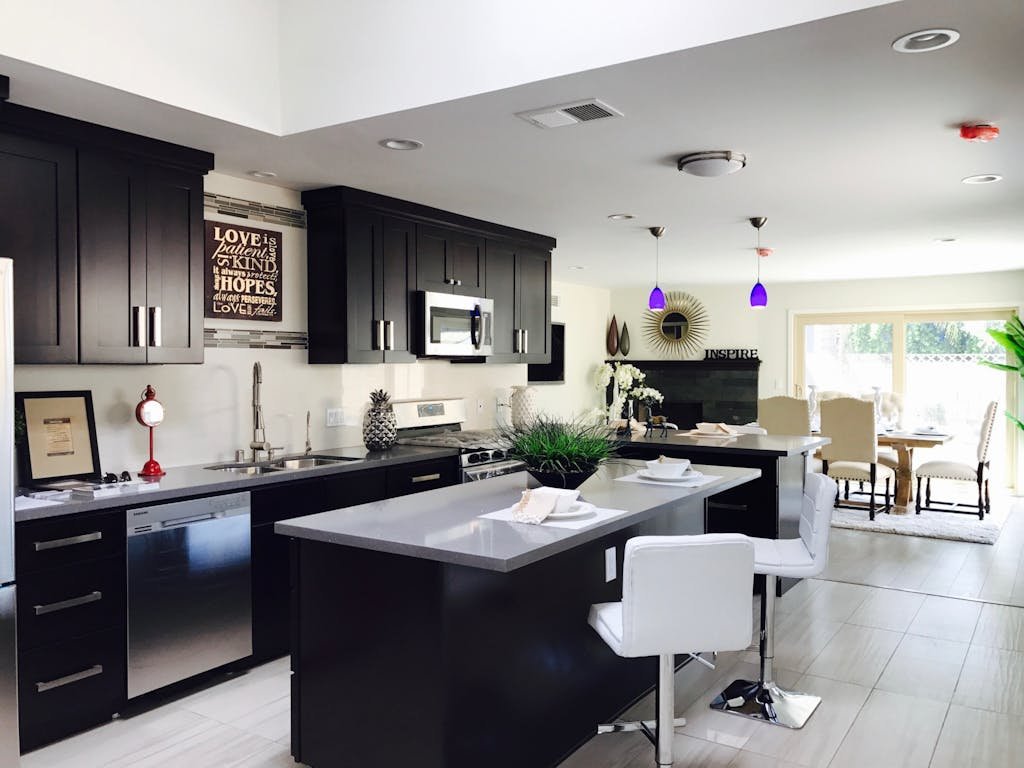
Open plan layouts excel at creating a sense of spaciousness. Removing walls allows interiors to feel larger and more connected. This is especially valuable in small dwellings where every square meter matters.
Shared daylight improves overall brightness and reduces reliance on artificial lighting during the day. Sightlines create visual interest and make spaces feel active and alive.
Open layouts also support social interaction. Families or groups can share space while performing different activities. Cooking becomes part of social life rather than a separate task.
From a design perspective, open plans offer flexibility. Zones can be redefined through furniture, rugs, lighting, or ceiling treatments without permanent construction.
Limitations of Open Plan Layouts
Despite their appeal, open plan layouts introduce several challenges that are often underestimated.
Noise is the most common issue. Sound travels freely across the space, making it difficult to concentrate, relax, or sleep when multiple activities occur simultaneously.
Visual clutter becomes more noticeable. Mess in one area affects the perception of the entire space. This can increase stress and reduce comfort.
Environmental control is also limited. Temperature, lighting, and acoustics cannot be adjusted independently for different activities.
Over time, some occupants experience fatigue from constant exposure to movement and noise, especially in work from home scenarios.
Advantages of Segmented Layouts
Segmented layouts provide strong acoustic and visual separation. This supports deep focus, rest, and emotional comfort.
Each room can be tailored to its function. Lighting levels, material choices, and environmental conditions can be optimized independently.
Privacy is significantly improved. This is critical in homes with multiple occupants, different schedules, or remote work requirements.
Segmented layouts also support better energy management. Conditioning only occupied rooms can reduce energy use and improve thermal comfort.
Limitations of Segmented Layouts
Poorly planned segmentation can make interiors feel cramped and disconnected. Excessive walls may block daylight and limit cross ventilation.
Rigid room assignments can reduce flexibility. As lifestyles change, spaces may no longer align with daily needs.
Without careful design, segmented layouts can feel isolating, especially in small dwellings.
When Open Plan Layouts Perform Best
Open plan layouts work best when occupants share similar routines and prioritize social interaction. They are well suited for entertaining, informal living, and compact spaces where openness improves spatial perception.
They perform well when supported by good acoustic treatment, controlled lighting, and clear zoning strategies.
When Segmented Layouts Perform Best
Segmented layouts are ideal when privacy, focus, and quiet are priorities. Homes with remote work, study areas, or multiple generations benefit significantly from separation.
They are also effective in environments where thermal zoning improves comfort and efficiency.
Hybrid and Adaptive Strategies
Many successful interiors avoid extremes. Partial partitions, sliding panels, screens, and level changes can provide separation without permanent enclosure.
These strategies allow spaces to shift between openness and privacy as needed. This adaptability is often more valuable than committing fully to one layout type.
Design Decision Guidelines
| Primary Need | Recommended Approach |
|---|---|
| Social interaction | Open plan or hybrid |
| Focused work | Segmented |
| Noise control | Segmented |
| Small space efficiency | Open plan |
| Changing lifestyles | Hybrid |
| Energy zoning | Segmented |
Conclusion
Open plan and segmented layouts are not opposing trends but complementary tools. Each responds to different human needs and patterns of use.
Good design begins by understanding behavior, not aesthetics. The most successful interiors use spatial division deliberately, balancing openness with enclosure to support comfort, productivity, and long term adaptability.
Summary
This article compares open plan and segmented layouts as strategic design decisions that directly shape comfort, behavior, privacy, and long term adaptability. Open plan layouts emphasize visual continuity, social interaction, daylight distribution, and flexibility, but often struggle with noise, privacy, and environmental control. Segmented layouts provide stronger acoustic separation, focus, privacy, and energy zoning, though they can feel rigid or disconnected if poorly designed. Rather than framing the choice as a stylistic preference, the article argues for behavior driven planning, highlighting hybrid strategies as effective solutions that balance openness and enclosure to support changing lifestyles, productivity, and everyday comfort.