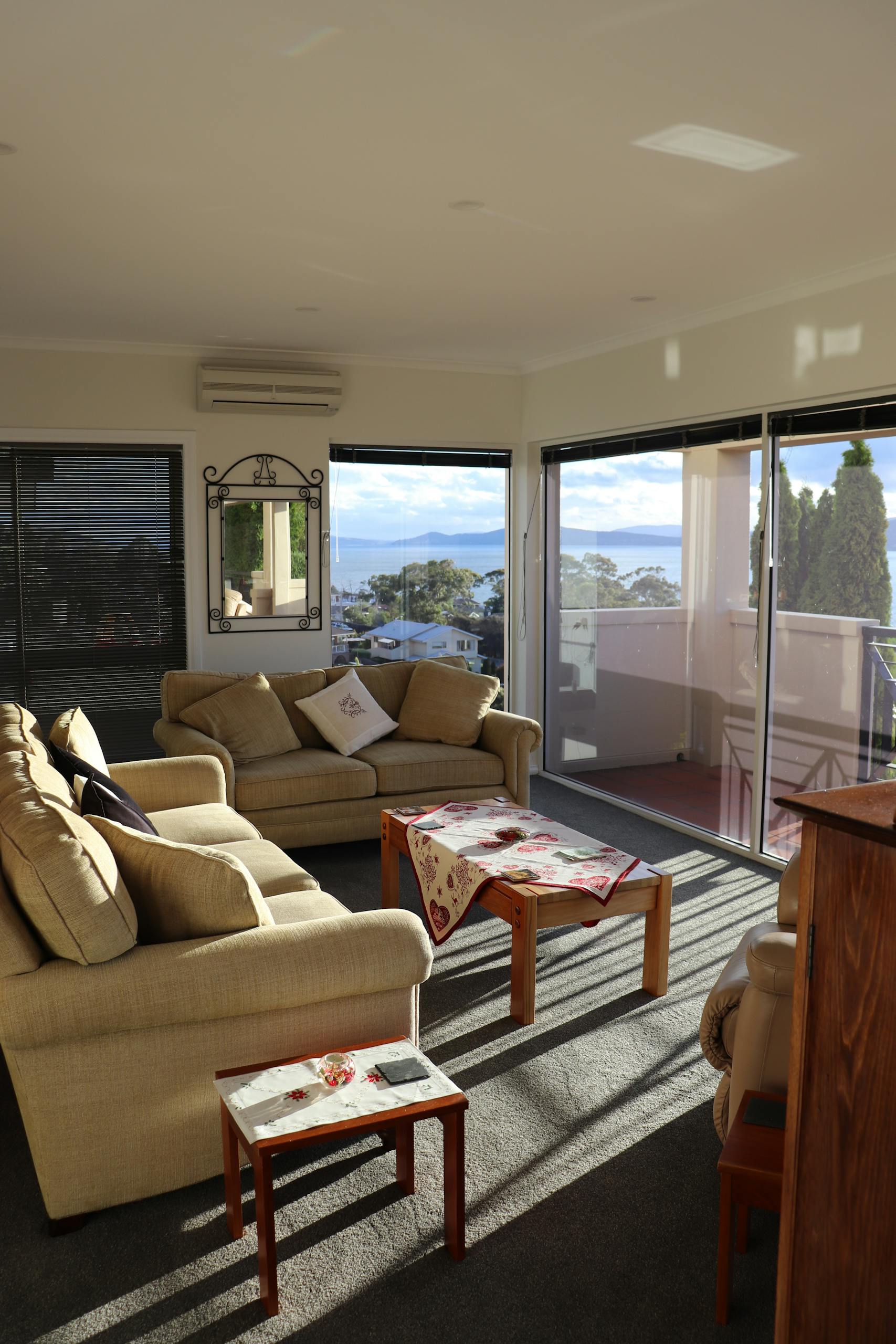
Modern interior design is not only about aesthetics; it increasingly incorporates principles from biology and neuroscience to support human health and well-being. One critical aspect of this integration is understanding the day-night cycles and their effect on circadian rhythms. Circadian rhythms are 24-hour cycles in the physiological processes of living beings, regulating sleep-wake patterns, hormone release, body temperature, and cognitive function. Lighting design, materials, and spatial layout can significantly influence these rhythms, enhancing comfort, productivity, and overall health.
Understanding Circadian Rhythms
Circadian rhythms are controlled by the body’s internal clock, primarily influenced by environmental light. In natural conditions, humans are exposed to bright daylight during the morning and afternoon and gradually dim light in the evening. This exposure regulates melatonin production, sleep readiness, alertness, and mood. In architectural spaces, improper lighting or excessive artificial light can disrupt these rhythms, leading to sleep disorders, fatigue, and reduced cognitive performance.
Designers must therefore consider lighting strategies that replicate or enhance natural patterns, particularly in homes, offices, and healthcare facilities.
Light and Its Biological Effects
Light impacts humans in two primary ways: visually and biologically. Visual effects involve perception, color rendering, and brightness. Biological effects regulate the circadian system through specialized photoreceptors in the retina, which respond most strongly to blue-enriched light in the morning. Key principles include:
- Blue-enriched Morning Light: Exposure to cooler, blue-toned light during early hours boosts alertness, hormone regulation, and cognitive function.
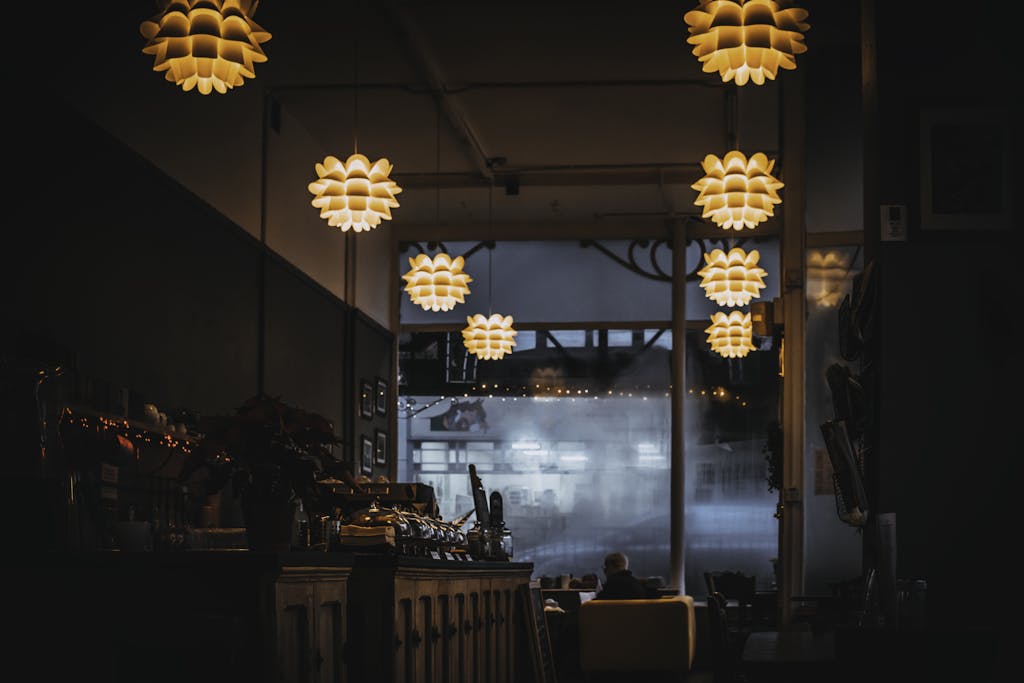
- Warm Evening Light: Reduced blue wavelengths and warmer tones in the evening promote melatonin production and prepare the body for restful sleep.
- Intensity and Duration: Both the brightness and length of exposure to light throughout the day are critical for circadian alignment.
Implementing Day-Night Cycles in Interior Design
There are several strategies for supporting natural rhythms through design:
1. Maximizing Natural Light
Designing spaces with ample daylight exposure is foundational. Large windows, skylights, and light wells increase exposure to natural light, which supports morning alertness and overall well-being. For example, positioning workspaces near east-facing windows allows optimal morning light intake.
2. Dynamic Lighting Systems
Modern lighting technologies can mimic the natural progression of sunlight. Circadian lighting systems adjust color temperature and intensity automatically, replicating the day-night cycle indoors. This is especially important in urban or high-rise apartments where daylight is limited. Learn more about how technology supports lighting design in modern interiors.
3. Layered Lighting
Layered lighting—combining ambient, task, and accent light—creates flexibility and supports circadian health. For instance, task lighting with cooler tones during work hours increases alertness, while ambient lighting with warmer tones in the evening promotes relaxation.
4. Smart Controls and Automation
Automated lighting systems, linked to sensors or mobile apps, allow the environment to adjust in response to time of day or activity. Integration of VR and AR simulations can even model light exposure to optimize design before construction.
5. Material Selection
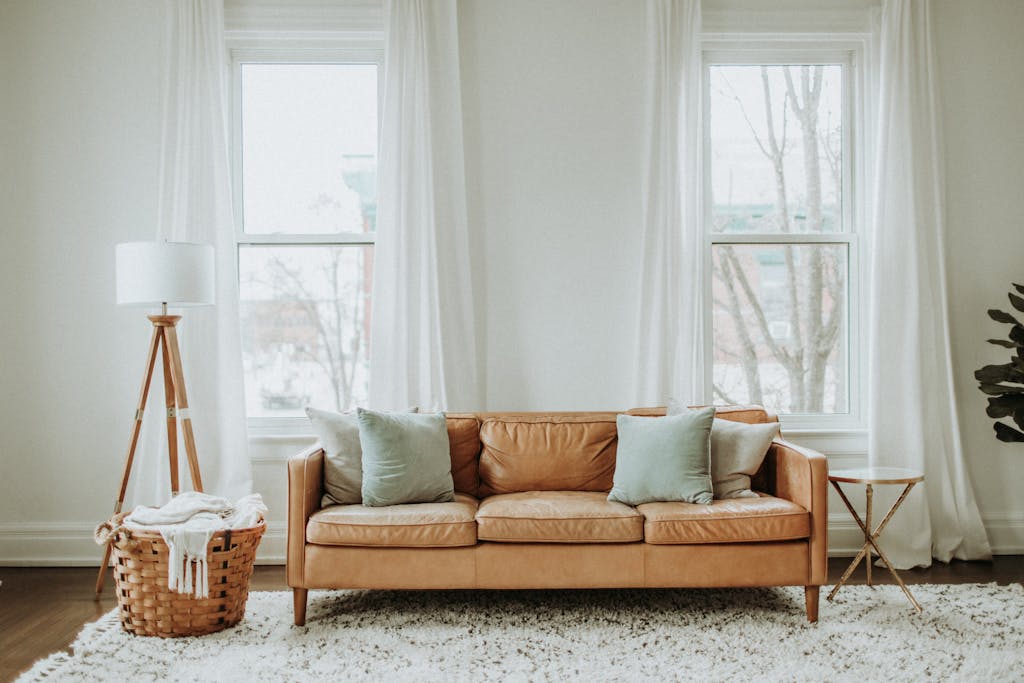
Surface materials influence light reflection and color perception. Reflective materials such as light-colored walls, ceilings, and floors enhance daylight penetration, while darker tones reduce glare and create cozy evening spaces.
Applications in Residential and Commercial Spaces
Understanding circadian-friendly lighting is valuable in different contexts:
- Homes: Align bedroom, living, and study areas with day-night cycles. Use dimmable lights in the evening to support sleep readiness.
- Offices: Morning exposure to bright light increases alertness and productivity. Workstations near natural light sources improve cognitive performance and mood.
- Healthcare: Hospitals and clinics benefit from circadian lighting to support patient recovery, sleep, and mental health.
Challenges in Circadian-Informed Design
Designers must balance aesthetics, functionality, and biology. Over-illumination, glare, and inconsistent lighting schedules can disrupt circadian patterns. Proper use of shading devices, adjustable lighting, and spatial planning ensures the intended benefits are achieved. Explore how integrated design strategies can solve these challenges.
Future Trends
Emerging trends include:
- Integration of circadian lighting with building automation systems.
- Adaptive materials that modulate light transmission based on time of day.
- Data-driven design, where sensors monitor light exposure and adjust interiors accordingly.
- Holistic wellness-oriented architecture that combines lighting with temperature, acoustics, and air quality for overall circadian health.
Conclusion
Incorporating the science of day-night cycles into interior design is no longer optional—it is a critical consideration for healthy, productive, and comfortable spaces. By leveraging natural light, dynamic artificial lighting, and thoughtful material selection, designers can align interiors with human biological rhythms. This approach not only enhances well-being but also creates spaces that feel intuitive, alive, and responsive to the natural environment.
For more insights on lighting, interior strategies, and sustainable design, visit Architecture Blog and INJ Blog.
Summary
This article explores how interior design can support human health and well-being by aligning indoor environments with natural circadian rhythms. It explains how lighting strategies—including maximizing daylight, dynamic artificial lighting, layered lighting, and smart automation—enhance alertness, sleep, and overall comfort. Material selection and reflective surfaces are discussed for optimizing natural light while creating cozy evening environments. The text highlights applications in homes, offices, and healthcare facilities, showing how circadian-informed design improves productivity, mood, and recovery. It also addresses challenges such as glare, over-illumination, and inconsistent schedules, emphasizing careful spatial planning and integrated design solutions. Looking ahead, emerging trends include adaptive materials, data-driven lighting systems, and holistic wellness-focused interiors that harmonize light, temperature, and air quality to support biological rhythms.