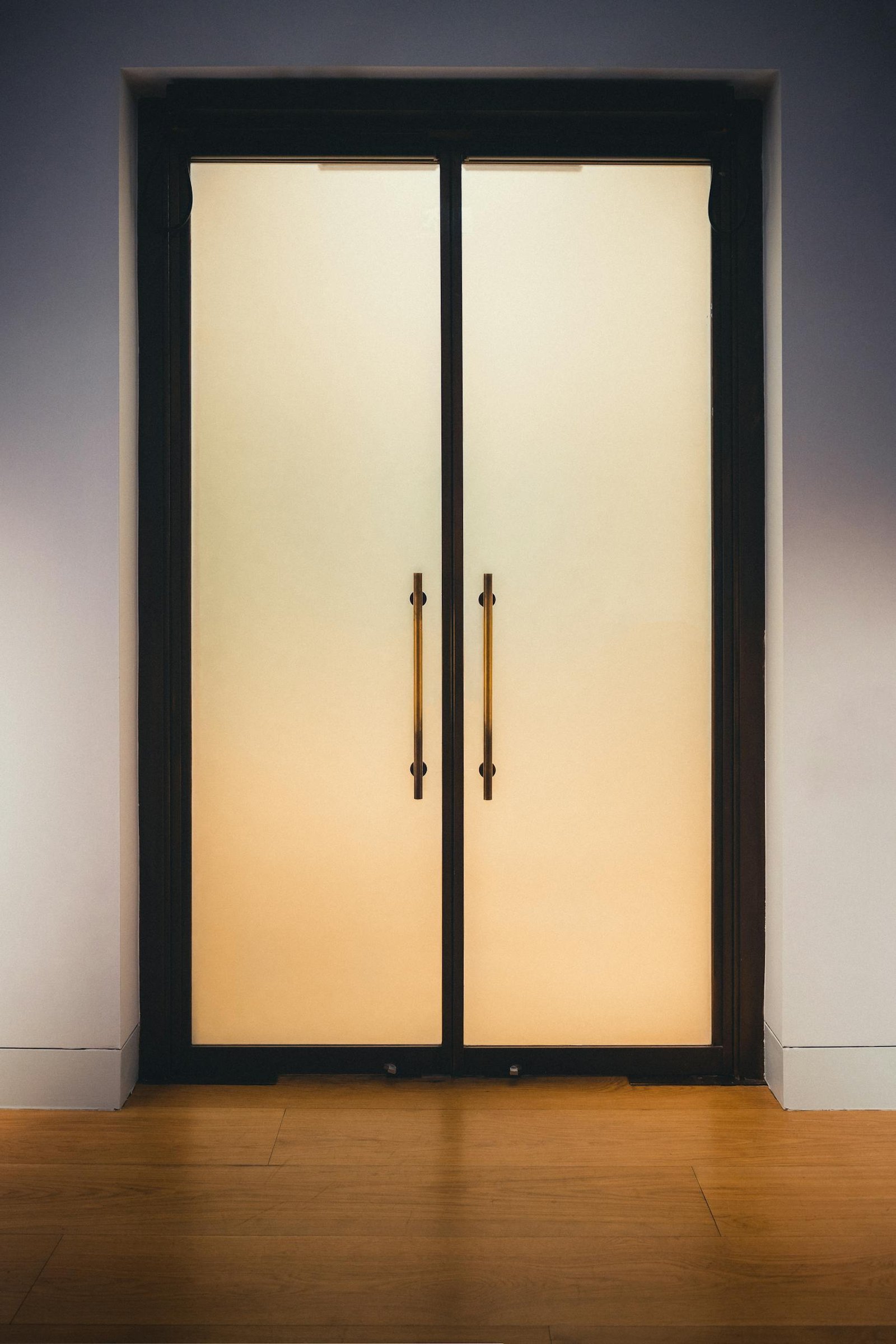
Glass is one of the most versatile materials in modern architecture and interior design. Choosing the right type of glass impacts privacy, natural light, thermal comfort, and overall aesthetic appeal. Transparent, translucent, and frosted glass each offer unique characteristics that suit different applications in homes, offices, and public spaces. Understanding their properties allows designers, homeowners, and architects to make informed decisions tailored to functionality and visual effect.
Transparent Glass
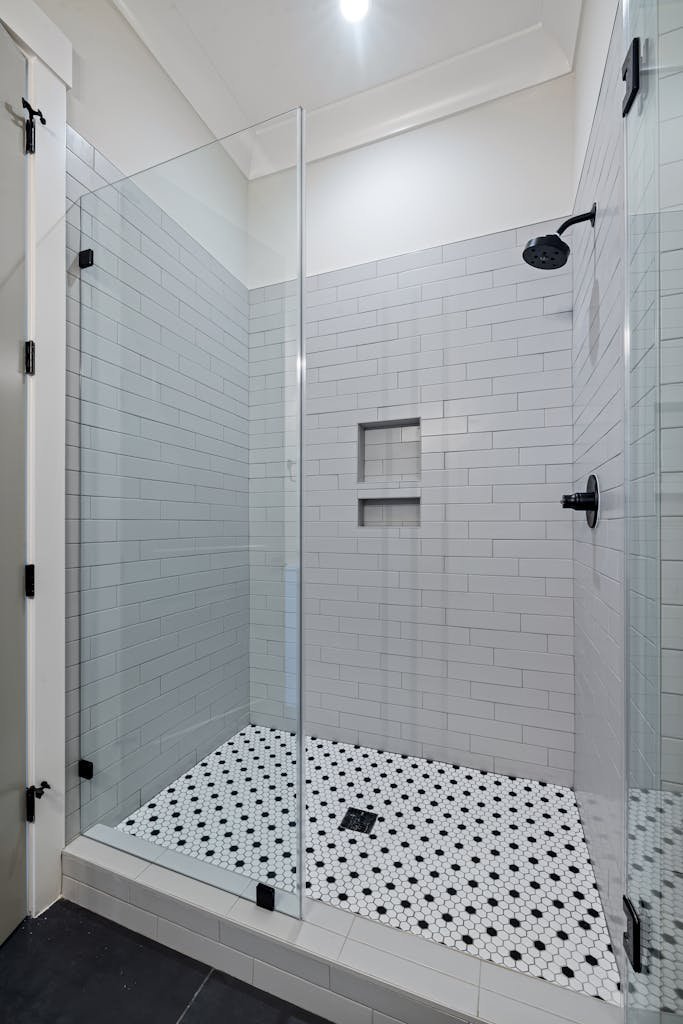
Transparent glass is completely clear, allowing unobstructed vision. It is widely used in windows, facades, glass partitions, and doors where visual connection and maximum daylight are priorities.
Transparent glass is ideal when a clear view or visual continuity is desired. It can enhance the perception of space and bring natural light deep into interiors. However, it offers minimal privacy unless combined with curtains, blinds, films, or specialized coatings. It also transmits heat and glare, which may require solar control films or low-emissivity coatings to reduce thermal impact.
Cleaning and maintenance are straightforward but visible smudges, fingerprints, and dust can reduce aesthetic appeal if not regularly cleaned. Safety glass, such as tempered or laminated types, is recommended for applications exposed to human traffic or potential impact.
Translucent Glass
Translucent glass diffuses light, allowing illumination while partially obscuring vision. It includes patterned, sandblasted, or etched glass panels.
This type is suitable for offices, bathrooms, staircases, and partitions where light transmission is desired without full transparency. Translucent glass softens daylight, reducing glare and providing a sense of privacy without creating complete visual separation. It also adds texture and visual interest to interiors.
Translucent glass can be combined with framing, films, or frosted treatments to adjust light diffusion levels. Unlike transparent glass, it does not fully transmit the view, balancing openness with discretion.
Frosted Glass
Frosted glass offers maximum privacy while still allowing light to pass. It is created through acid etching, sandblasting, or applying frosted films.
Frosted glass is ideal for bathrooms, office partitions, shower enclosures, and entrance doors where obscured vision is essential. It provides a uniform aesthetic effect and can be used for decorative applications, logos, or patterns.
Frosted glass reduces glare and softens lighting but also slightly diminishes brightness compared to transparent or translucent glass. It is low maintenance, typically requiring standard cleaning, and can be combined with other glass types for layered privacy and visual interest.
Comparison Table
| Feature | Transparent Glass | Translucent Glass | Frosted Glass |
|---|---|---|---|
| Privacy Level | None | Medium | High |
| Light Transmission | Maximum | Moderate | Moderate |
| Glare Control | Low | Medium | High |
| Visual Connection | Full | Partial | Obscured |
| Aesthetic Flexibility | Clear, minimalistic | Textured, decorative | Soft, uniform, customizable patterns |
| Common Applications | Windows, doors, glass walls | Bathrooms, offices, staircases | Shower screens, office partitions, entrance doors |
| Maintenance | High visibility of smudges, regular cleaning | Moderate, fingerprints less obvious | Low, smudges less visible |
Practical Tips for Selection
- Use transparent glass when daylight and visual continuity are priorities and privacy can be managed separately.
- Select translucent glass to create bright interiors with partial privacy while adding textural detail.
- Apply frosted glass for spaces requiring privacy without sacrificing light, and consider decorative patterns for aesthetics.
- Combine glass types for layered effects, such as transparent panels for views above eye level and frosted sections for privacy.
- Consider coatings, films, or tints to improve thermal performance, UV protection, and glare reduction.
Conclusion
Transparent, translucent, and frosted glass each have distinct advantages depending on privacy needs, light control, and design intent. Transparent glass maximizes openness and daylight, translucent glass balances light and discretion, and frosted glass prioritizes privacy while maintaining brightness.
Selecting the appropriate glass type, combined with coatings, films, or layered design, ensures a functional, visually appealing, and comfortable environment. Proper maintenance and safety considerations further enhance performance and longevity, making glass both a practical and aesthetic choice for modern architecture.
Summary
Glass selection in architecture and interiors affects privacy, light, thermal comfort, and aesthetics. Transparent glass maximizes daylight and visual connectivity but offers minimal privacy. Translucent glass diffuses light, provides partial privacy, and adds texture, suitable for bathrooms, offices, and partitions. Frosted glass ensures high privacy while still transmitting light, ideal for shower screens, office partitions, and entrance doors. Combining glass types or adding films and coatings can balance openness, privacy, glare, and thermal performance. Choosing the right glass type ensures functional, visually appealing, and comfortable spaces.