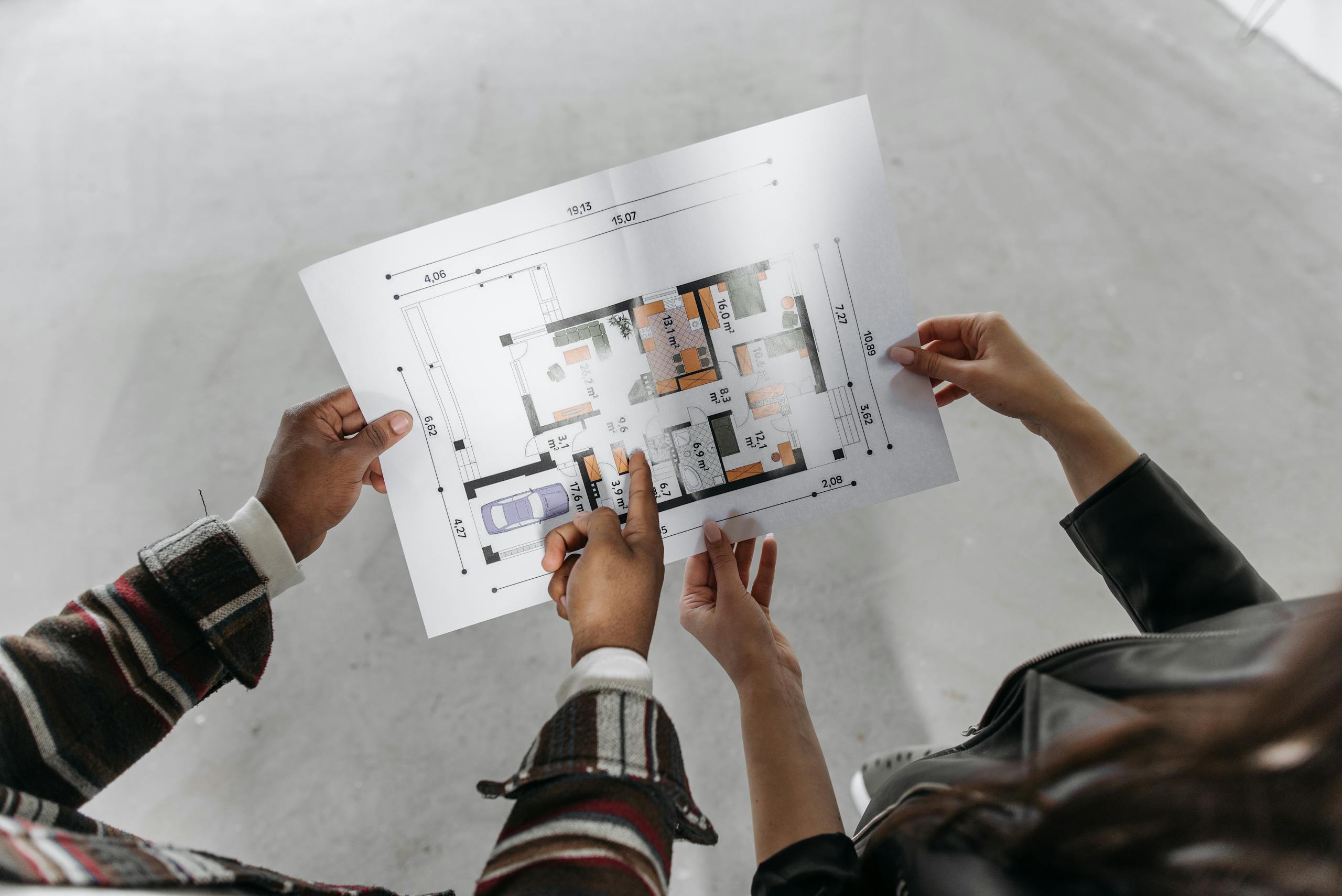
Modern homes are evolving in response to changing lifestyles, technological growth, and shifting cultural habits. Flexible design has become essential as residents seek spaces that can adapt to daily needs, long term changes, and unpredictable future requirements. Whether the goal is increased functionality, sustainability, or better spatial efficiency, the concept of flexibility is transforming how architects think about residential layouts. Insights from spatial planning and human centered design show that homes must be capable of expanding, contracting, and reshaping themselves with minimal effort.
Understanding Flexible Residential Design
Flexible homes are designed to accommodate multiple functions without requiring major structural changes. This approach relies on intelligent spatial planning, reconfigurable elements, and materials that support long term adaptability. As explained in the principles of architectural styles that focus on usability and long lasting value, adaptability ensures that spaces remain functional as family needs evolve over time.
Flexibility is especially important in dense urban environments where maximizing available space is necessary. Through intentional planning and integrated design processes, homes become more efficient while maintaining a sense of openness and comfort.
Modular Spaces
Modularity is at the core of flexible residential environments. Modular spaces are designed as independent units that can be rearranged, expanded, or repurposed. The concept is rooted in creating smaller functional blocks that work together as a system. For example, a bedroom can convert into a study, a guest suite, or a hobby room based on changing lifestyle needs. This aligns with the value of thoughtful planning found in design philosophies that prioritize long term adaptability.
Modular layouts allow residents to reconfigure spaces without demolition or renovation. They support sustainability by reducing waste and minimizing material consumption, principles also reflected in sustainable residential strategies.
Adaptable Furniture
Furniture plays a significant role in determining how flexible a home can be. Adaptable and multifunctional pieces transform a single room into several different zones depending on the time of day or user preference. A foldable wall bed, an extendable table, or a sofa with built in storage can dramatically change how space is utilized. Such elements increase efficiency, especially in compact homes where maximizing function is crucial.
Advances in digital prototyping and BIM and CAD modeling have allowed designers to visualize and test flexible furniture solutions in realistic scenarios before physical implementation.

Reconfigurable Layouts
Reconfigurable layouts are spaces designed to be rearranged quickly and easily. Movable partitions, sliding panels, and pivoting walls allow rooms to expand or contract depending on the desired function. This adaptability supports a lifestyle where work, rest, entertainment, and wellness often happen in the same environment.
Spatial analysis and simulation tools such as VR and AR environments enable residents to preview different layout options and understand how flow, light, and movement change with each configuration. This enhances decision making and ensures that the chosen layout supports daily routines effectively.
Integrating Technology for Future Ready Homes
Technology increases the potential for flexibility in residential design. Automated systems, adjustable lighting, smart storage, and movable mechanical elements allow spaces to shift in function with minimal effort. These innovations align with broader strategies found in construction and project management workflows, where precision and adaptability improve long term performance.
Technology also allows residents to customize environments in real time. For example, lighting systems can shift tone and intensity throughout the day, supporting activities and improving well being. This attention to quality aligns with the principles highlighted in the quality focused design approach.
The Role of Materials in Adaptive Design
Materials influence more than appearance; they affect acoustic performance, durability, light reflectivity, and the ability to transform space. Lightweight partitions, flexible flooring systems, and modular cabinetry enable fast changes without structural work. Designers often use materials that support sustainability and long term resilience, reinforcing the ideas demonstrated in architectural research articles.
These materials help create interiors that are environmentally conscious and easy to modify over time without generating excessive waste.
Why Flexibility Matters for Future Living
As families grow and lifestyles evolve, the spaces they occupy must change accordingly. Flexible homes adapt to aging residents, shifting work patterns, changing cultural habits, and growing technological demands. This makes flexibility not just a design preference but a long term solution that enhances resilience and comfort.
The importance of future ready spaces is reinforced through insights shared in the INJ blog, where topics related to innovation and design evolution are explored in depth.
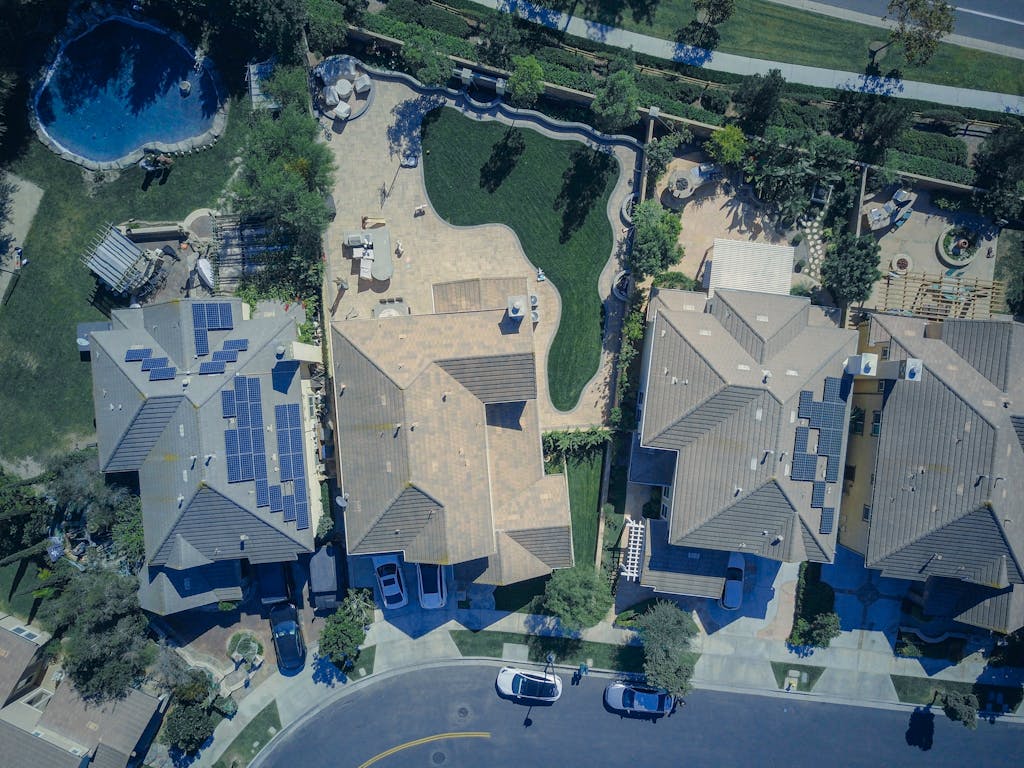
Conclusion
Flexible residential design represents a shift toward homes that support changing lifestyles with ease and intelligence. Modular spaces, adaptable furniture, and reconfigurable layouts empower residents to reinterpret their environments according to their needs. Through thoughtful planning, sustainable strategies, and careful material selection, future ready homes become more efficient, comfortable, and resilient. To explore more insights on spatial planning and evolving design methods, visit the About Us page, browse project studies, or reach out through the contact page.
Summary
This article explains how future-ready homes rely on flexibility, modularity, and adaptable layouts to meet changing lifestyle and spatial needs. It highlights how modular spaces allow rooms to shift functions without major renovation, while multifunctional furniture maximizes usability in compact environments. Reconfigurable layouts—using movable partitions, sliding panels, and pivoting walls—enable quick transformation of interior zones to support work, relaxation, or entertainment. Technology further enhances adaptability through automated systems, adjustable lighting, and smart storage that respond to real-time user preferences. The article also emphasizes the role of lightweight, sustainable materials in supporting long-term adaptability. Overall, it argues that flexible residential design is essential for future living, ensuring homes remain efficient, comfortable, and capable of evolving with residents over time.