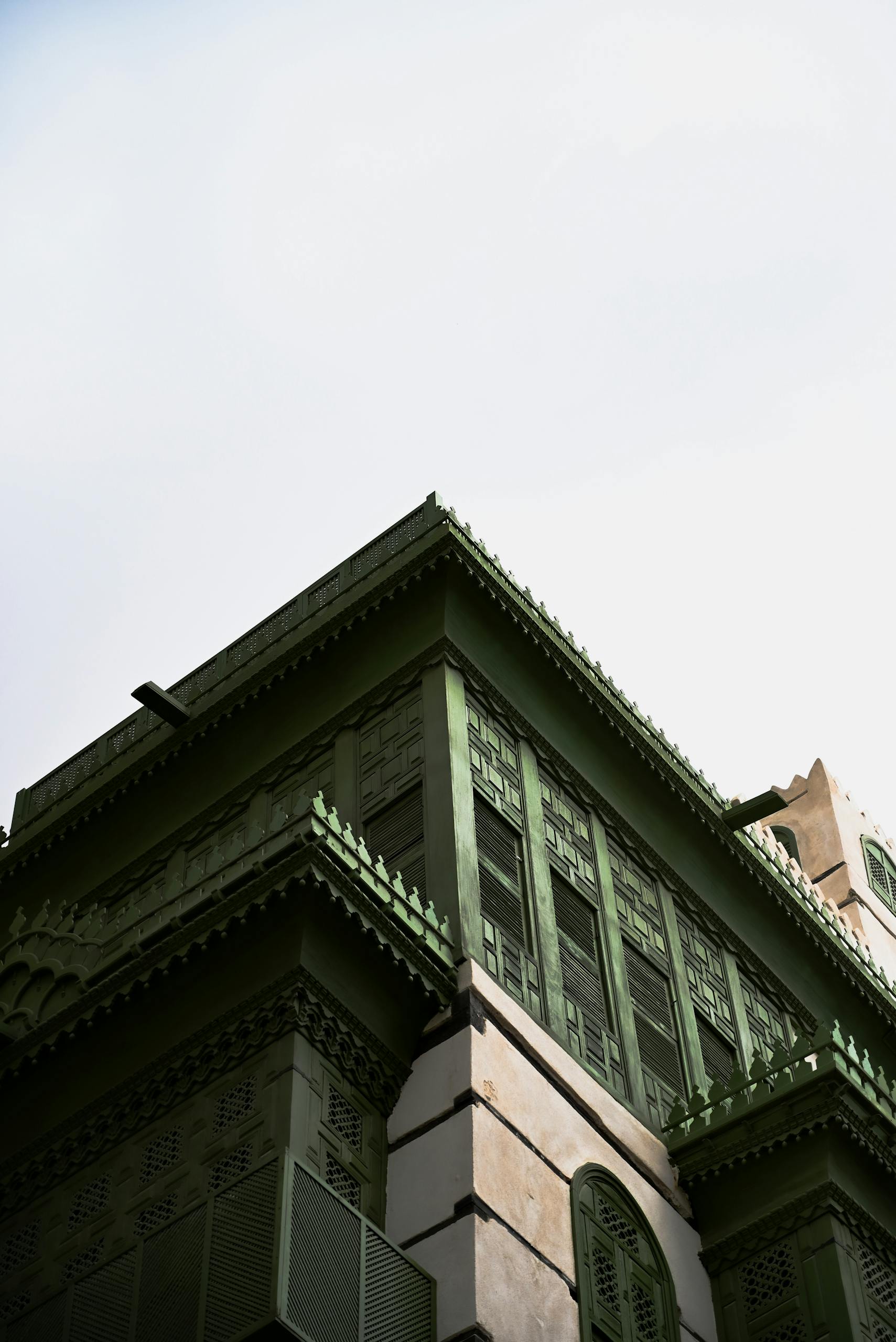
A Research-Led Architectural Study by INJ Architects
Overview
Historic Jeddah, Al-Balad, stands as one of the most significant cultural and urban heritage sites in Saudi Arabia. As part of our commitment to research-driven architecture at INJ Architects, this study examines how visual, structural, and infrastructural factors shape the identity of the historic district, and how contemporary design strategies can preserve its character while supporting modern urban needs.
This project forms part of our ongoing efforts in heritage research and urban development, aligned with our methodology outlined in How We Work and our guiding Architectural Philosophy.
Project Classification
- Research Type: Architectural Research Development
- Scope: Urban & Heritage Analysis
- Year: 2024
Research Team
- Ibrahim Nawaf Joharji – Project Lead
(Learn more: Ibrahim Nawaf Joharji) - Dr. Azhar Maghrabi – Consultant Historian
- Zoha Raafat – Research Analyst
Research Context
Al-Balad’s architectural fabric, shaped by coral-stone construction, rawasheen, dense urban pathways, and centuries of multicultural exchange, is globally recognized through its designation as a UNESCO World Heritage Site. However, its historic integrity faces ongoing pressure from modernization, infrastructural additions, visual clutter, and environmental decay.
This study explores how visual pollution, exposed utility systems, inconsistent pavements, accessibility barriers, and material deterioration collectively impact the heritage experience. Through an analytical approach, the research proposes design interventions that enhance safety, walkability, visual harmony, and long-term resilience.
Methodology
This research project was developed through three structured phases:
1. Urban and Architectural Survey
Field documentation of streets, pathways, facades, rawasheen, utility installations, and accessibility conditions.
2. Analytical Framework
Comparison with global heritage districts such as Edinburgh, Bruges, and Barcelona to identify applicable strategies and regulatory models.
3. Design and Policy Recommendations
Development of architectural and infrastructural solutions, including:
- Undergrounding electrical and communication networks
- Standardizing and concealing utility elements
- Harmonizing pavements and shopfronts
- Enhancing accessibility with ramps, tactile systems, and visitor-focused paths
- Integrating sustainability into restoration practices
This aligns with our broader capabilities in BIM & CAD, Sustainability, VR & AR, and Construction & Project Management.
Research Contribution
The “Heritage Vision for Al-Balad” provides:
- A detailed diagnostic of eye-level visual and structural issues
- Contextual solutions rooted in architectural authenticity
- A framework for accessible and inclusive heritage environments
- Insights relevant to policy makers, conservation teams, and urban planners
This work reflects the INJ Architects belief that architectural research is fundamental to shaping culturally grounded and future-ready environments—a core aspect of our identity as presented in Who We Are and our Architecture Style.
Visual Presentation
A dedicated visual video accompanies this research, illustrating Al-Balad’s architectural character, the surveyed challenges, and proposed interventions.
The video serves as a narrative complement to the academic study and will be displayed at the top of this page.
Full Research Paper
The complete, academically structured version of the research—
including diagrams, references, and expanded analysis—
is available as a downloadable PDF.
Final Note
This research stands as a cornerstone in INJ Architects’ commitment to heritage-driven design innovation. Through this project, we aim to contribute to the ongoing preservation and revitalization of Jeddah’s historic core, ensuring it remains a vibrant, authentic, and accessible environment for future generations.hat visually summarizes our research and findings provides an accessible medium for stakeholders to appreciate the scope of the project. This video is embedded below and offers a dynamic presentation of our proposed architectural interventions.
Call to Action
We encourage feedback and discussion on this research. For more details or to collaborate on future projects, please contact us through .