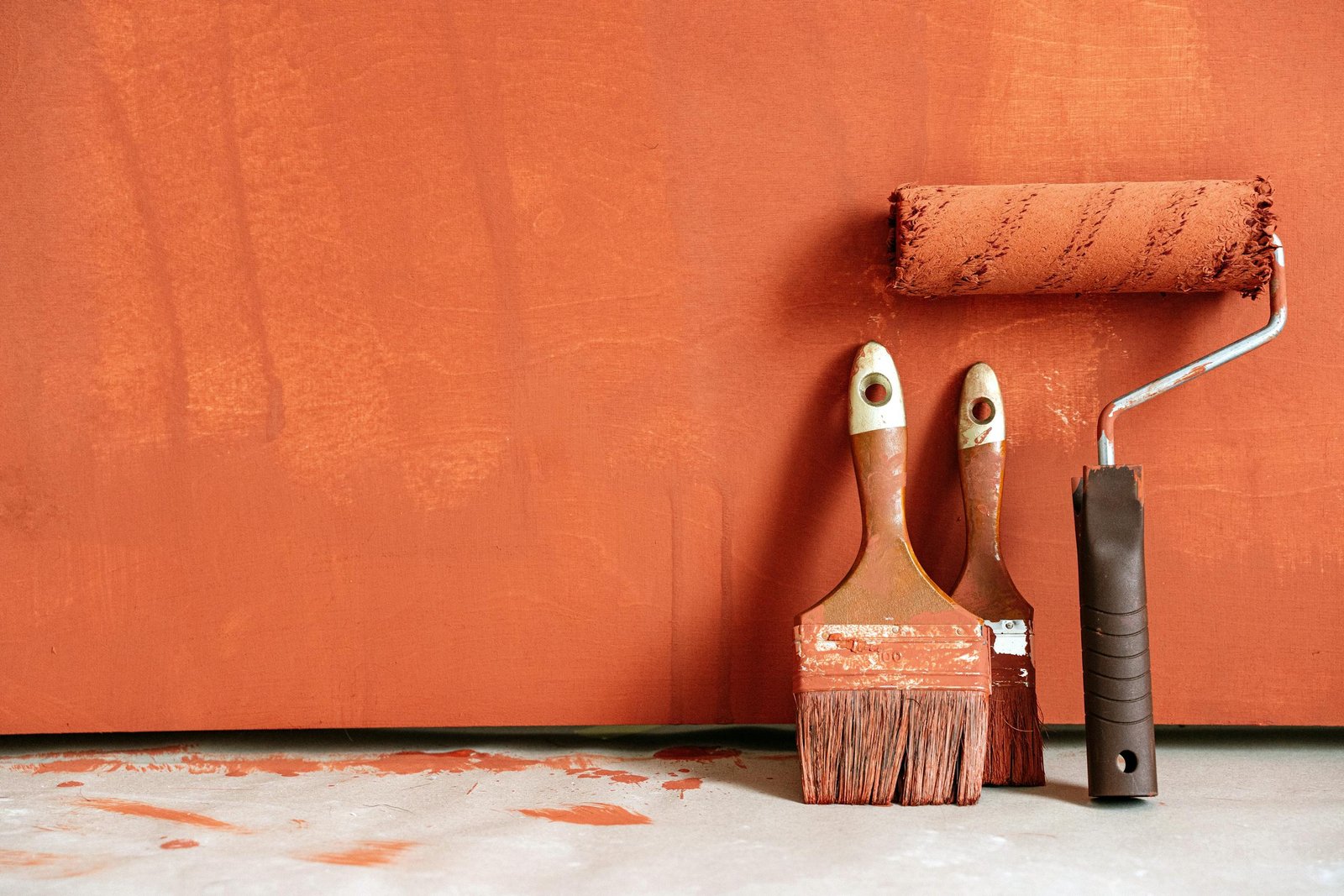
Interior paint finish affects how a space looks, feels, and performs over time. Finish selection is not only aesthetic. It affects durability, cleaning behavior, light reflection, perceived surface quality, and long term maintenance. Many interiors fail visually and functionally because the wrong paint finish is selected for the wrong surface or use case. This guide explains the major interior paint finishes, their technical properties, practical advantages, limitations, and where each should be used.
How Paint Finish Affects Space
Paint finish controls how light reflects from surfaces. Flat finishes absorb light and hide imperfections. Glossy finishes reflect light and highlight surface defects. Finish selection influences perceived room size, brightness, and materiality. A high gloss surface can make a room feel brighter and more modern but can also emphasize uneven walls. A matte surface can make a space feel calm and refined but may show marks and stains more easily.
Paint finish also affects how a surface is cleaned. Higher sheen paints resist moisture and stains better but show scratches and fingerprints. Lower sheen paints hide wear but absorb dirt more easily. Understanding these tradeoffs is critical for both residential and commercial interiors.
Matte Paint
Matte paint has little to no sheen. It diffuses light and minimizes reflections. Matte finishes hide wall imperfections, joint lines, and minor cracks better than any other finish. This makes matte suitable for large wall surfaces where perfect surface preparation is difficult.
Matte paint has lower durability and is more susceptible to stains and marks. Scrubbing can burnish the surface and create shiny spots. Modern washable matte paints improve performance but still require gentle cleaning methods.
Best surfaces include ceilings, low traffic walls, bedrooms, and formal living areas. Matte is often chosen for minimalist interiors where visual calm is prioritized over durability.
Eggshell Paint
Eggshell paint has a slight sheen similar to the surface of an eggshell. It reflects more light than matte but still hides many imperfections. Eggshell offers a balance between aesthetic softness and functional durability.
Eggshell finishes are easier to clean than matte and resist minor stains. They are suitable for moderate traffic areas such as living rooms, dining rooms, and hallways. Eggshell is often used when a subtle sheen is desired without the visual intensity of satin or gloss.
Satin Paint
Satin paint has a smooth, soft sheen that reflects noticeable light. It is more durable and moisture resistant than matte and eggshell. Satin is commonly used in kitchens, bathrooms, and high traffic areas.
Satin finishes highlight surface defects more than matte or eggshell, so wall preparation quality becomes more critical. Satin surfaces are easier to clean and can tolerate light scrubbing.
Gloss and High Gloss Paint
Gloss and high gloss paints have strong reflectivity and a smooth surface. They are highly durable and moisture resistant. Gloss paints are easy to clean and resist stains, making them suitable for doors, trims, cabinets, and high wear surfaces.
Gloss finishes highlight every surface defect. They require excellent surface preparation and skilled application. Fingerprints, scratches, and dust are more visible on glossy surfaces.
Technical Performance Factors
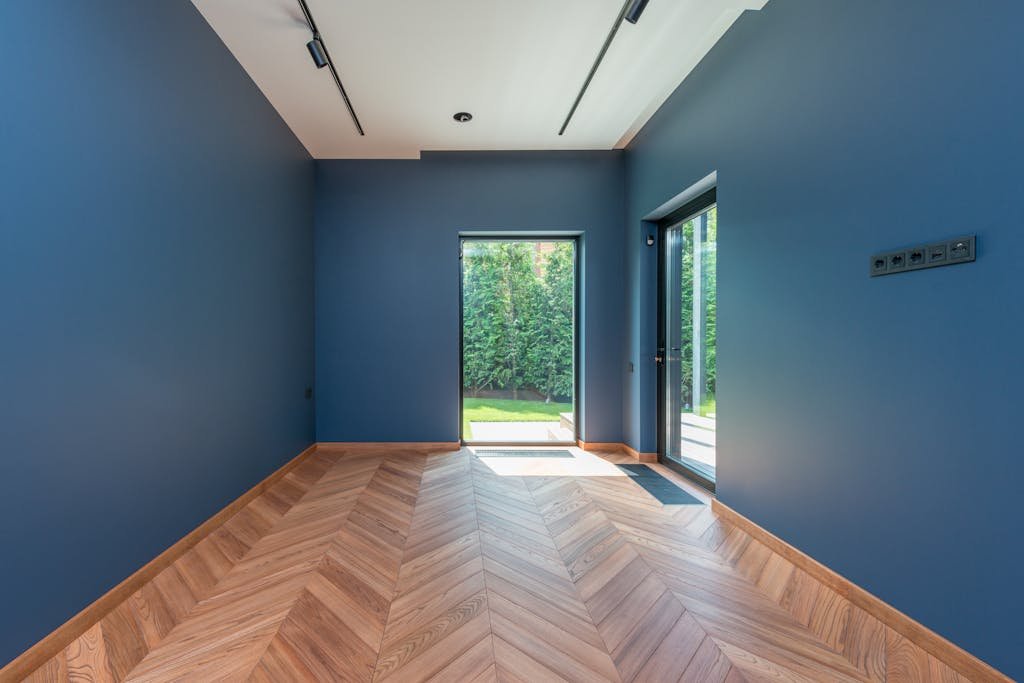
Durability is influenced by resin content and sheen level. Higher sheen generally correlates with higher durability. Cleaning resistance improves with sheen but aesthetic softness decreases. Moisture resistance increases with gloss level, making glossy finishes suitable for humid environments. Light reflectance increases with gloss, which can reduce the need for artificial lighting but can also cause glare.
Comparison Table of Interior Paint Finishes
| Paint Finish | Sheen Level | Durability | Cleaning Resistance | Best Surfaces | Visual Effect |
|---|---|---|---|---|---|
| Matte | Very low | Low to medium | Low | Ceilings, bedrooms, low traffic walls | Soft, non reflective, hides defects |
| Eggshell | Low | Medium | Medium | Living rooms, dining rooms, hallways | Subtle sheen, balanced appearance |
| Satin | Medium | Medium to high | High | Kitchens, bathrooms, corridors | Smooth, lightly reflective |
| Gloss | High | High | Very high | Doors, trims, cabinets | Bright, reflective, highlights surfaces |
Best Use Cases by Space Type
Living rooms benefit from eggshell or matte to reduce glare and create visual comfort. Bedrooms often use matte to create calm environments. Kitchens and bathrooms require satin or gloss for moisture resistance and cleaning. Corridors and commercial interiors often use satin for durability and maintenance efficiency. Doors and trim elements benefit from gloss for wear resistance and visual contrast.
Cleaning and Maintenance Tips
Matte surfaces should be cleaned with gentle sponges and mild detergents. Avoid aggressive scrubbing to prevent burnishing. Eggshell surfaces tolerate light scrubbing and mild cleaning agents. Satin surfaces can be cleaned regularly with standard household cleaners. Gloss surfaces can be wiped frequently and resist stains but show scratches easily. Use soft cloths to avoid micro scratches.
Common Mistakes in Paint Finish Selection
Using matte in kitchens and bathrooms leads to staining and moisture damage. Using gloss on uneven walls emphasizes defects and reduces visual quality. Applying different finishes inconsistently can fragment visual continuity. Ignoring lighting conditions can result in glare or dull interiors. Selecting finish based on aesthetics only without considering maintenance leads to long term dissatisfaction.
How Finish Influences Perception and Behavior
Humans perceive glossy surfaces as modern, technical, and formal. Matte surfaces are perceived as soft, calm, and natural. Satin and eggshell provide intermediate cues and are often used in residential interiors for comfort. Finish selection influences not only visual perception but also how users interact with surfaces, how often they clean them, and how they perceive quality.
Conclusion
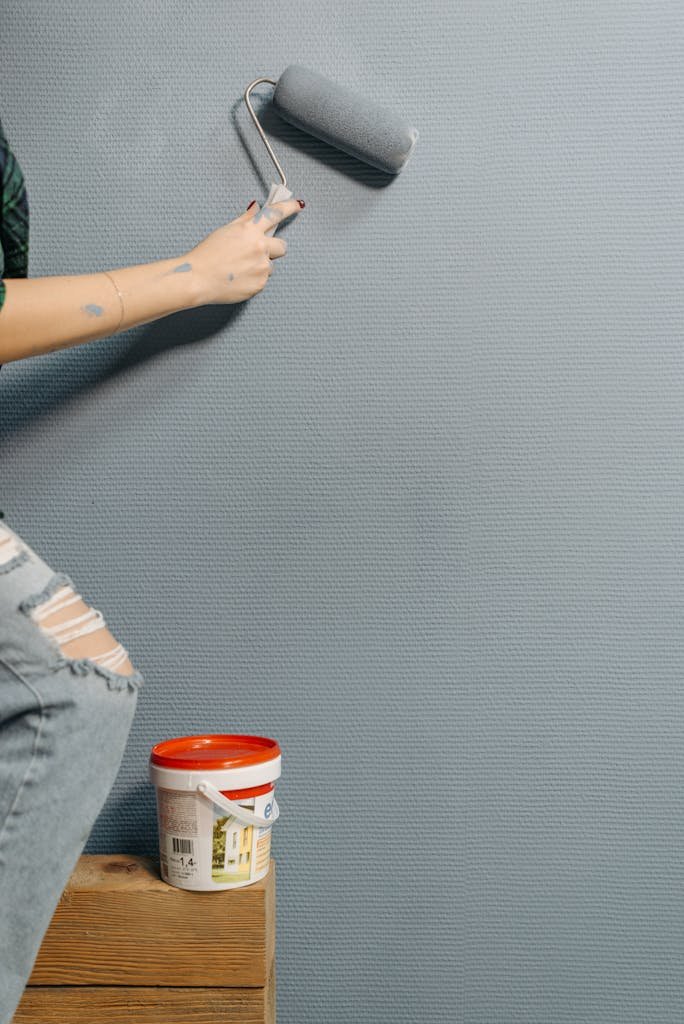
Paint finish selection is a functional decision, not just an aesthetic one. Matte, eggshell, satin, and gloss each have specific technical and spatial roles. Understanding durability, cleaning behavior, light reflection, and surface preparation requirements ensures long term performance and visual quality. Choosing the right finish for each surface and space type improves comfort, reduces maintenance, and enhances architectural clarity.
Summary
Interior paint finish plays a critical role in both visual quality and functional performance, affecting light reflection, durability, cleaning behavior, and long-term maintenance. Matte, eggshell, satin, and gloss finishes each have distinct technical properties and appropriate use cases, from low-traffic walls and ceilings to kitchens, bathrooms, and high-wear surfaces like doors and cabinets. Choosing the correct finish requires balancing aesthetics, surface imperfections, moisture resistance, and maintenance needs, as incorrect selection can lead to visual flaws, staining, glare, or premature wear.