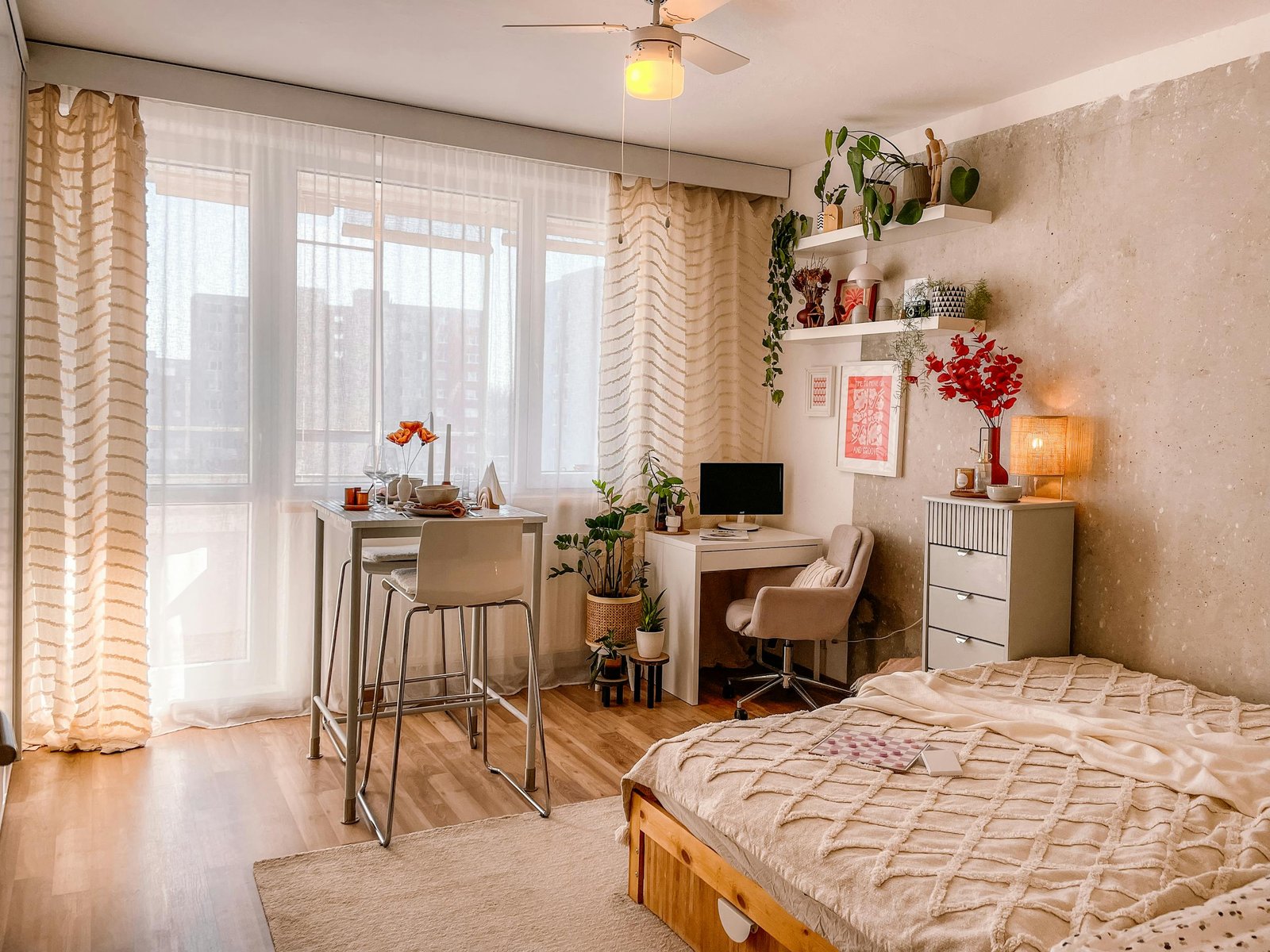
Small apartments are a reality for many people, whether due to urban density, budget constraints, or lifestyle choice. Limited square meters do not have to result in cramped or uncomfortable living. The perception of space is shaped less by actual size and more by layout, light, proportion, and visual clarity.
Good small space design is not about tricks or decoration alone. It is about understanding how the human eye reads space, how the body moves through it, and how daily activities overlap. The following strategies focus on spatial logic, furniture decisions, and environmental control to make small apartments feel significantly larger, calmer, and more functional.
One. Prioritize Spatial Clarity Over Furniture Quantity
The most common mistake in small apartments is over furnishing. Too many pieces, even if individually small, fragment the space and interrupt visual flow.
Every piece of furniture should earn its place by serving a clear purpose. Reducing furniture count often has a greater impact than replacing items.
Leaving negative space around furniture allows the eye to rest and helps the room feel more open. Crowding walls with objects reduces perceived volume.
Tip
Before buying anything new, remove one item and observe how the space feels for several days.
Two. Use Light Colors Strategically, Not Uniformly
Light colors reflect more light and generally make spaces feel larger, but using them everywhere without variation can flatten the interior.
Walls and ceilings benefit most from lighter tones, especially in rooms with limited natural light. Floors can be slightly darker to ground the space visually.
Avoid sharp color contrasts that cut the room into sections. Subtle tonal variation maintains openness while adding depth.
Tip
Using the same color on walls and ceiling reduces visible boundaries and increases perceived height.
Three. Control Visual Boundaries and Sightlines
The eye reads space through uninterrupted lines. The fewer visual stops there are, the larger a space feels.
Avoid blocking sightlines with tall furniture near entrances or circulation paths. Allow views to extend across the apartment whenever possible.
Glass, open shelving, and low partitions provide separation without closing off space.
Tip
Align furniture edges parallel to walls to reinforce clean visual lines.
Four. Maximize Natural Light and Manage Artificial Light
Natural light is the strongest tool for expanding perceived space. Even small amounts of daylight can transform how a room feels.
Avoid heavy curtains or dark window treatments. Use sheer fabrics or minimal blinds to allow light while maintaining privacy.
Artificial lighting should be layered. Combine ambient lighting with task and accent lighting to avoid flat illumination.
Tip
Lighting walls evenly makes rooms feel wider than lighting the center of the space only.
Five. Choose Furniture with Visible Legs and Light Profiles
Furniture that touches the floor heavily makes spaces feel denser. Pieces with visible legs allow light and air to pass underneath, creating visual openness.
Low profile furniture helps maintain clear sightlines and reduces visual clutter.
Avoid bulky arms, thick backs, and oversized cushions in small rooms.
Tip
A sofa raised slightly off the floor often feels smaller than a compact sofa that sits directly on the ground.
Six. Use Multifunctional Furniture Thoughtfully
Multifunctional furniture is essential in small apartments, but it must be chosen carefully.
Items that combine storage, seating, or sleeping functions reduce the need for additional pieces. However, overly complex furniture can feel heavy and visually busy.
Built in solutions often perform better than standalone transformable furniture.
Tip
Choose multifunctional furniture that looks simple even when performing multiple roles.
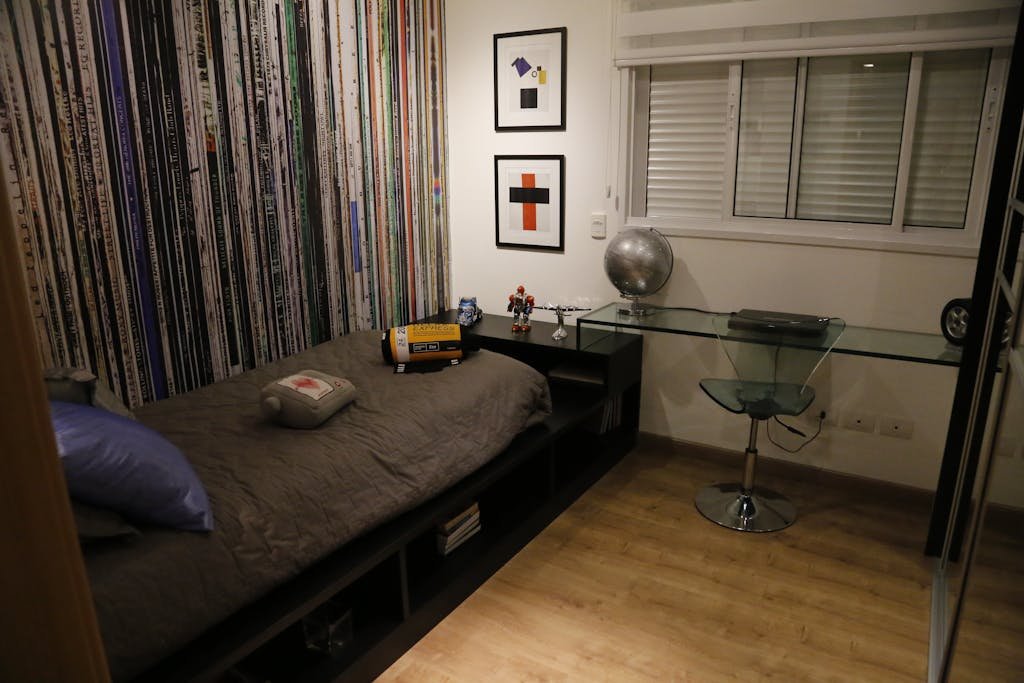
Seven. Rethink Storage as Part of the Architecture
Storage should not be an afterthought. Poorly placed storage consumes valuable floor area and increases clutter.
Vertical storage makes use of height without shrinking usable space. Floor to ceiling units visually elongate walls.
Avoid many small storage units. Fewer larger units create calmer visual rhythm.
Tip
Closed storage works better than open shelving in very small spaces, as it reduces visual noise.
Eight. Use Mirrors and Reflective Surfaces with Intent
Mirrors can dramatically expand perceived space, but only when placed correctly.
Position mirrors to reflect light or extend views, not to reflect clutter or blank walls.
Reflective finishes on cabinetry or furniture can enhance brightness without dominating the space.
Tip
A mirror placed perpendicular to a window increases light distribution more effectively than one placed opposite it.
Nine. Define Zones Without Building Walls
Small apartments still need functional zoning. The challenge is creating separation without enclosure.
Rugs, lighting, ceiling changes, and furniture orientation can define zones subtly.
Avoid using different floor materials in each zone, as this fragments the space visually.
Tip
Consistent flooring across the apartment strengthens spatial continuity.
Ten. Maintain Visual Order Through Consistency
Consistency in materials, finishes, and proportions creates visual calm, which makes spaces feel larger.
Limit the number of materials used. Repetition strengthens spatial coherence.
Avoid decorative excess. In small spaces, fewer strong elements are more effective than many small details.
Tip
A controlled palette of materials allows texture to replace color contrast.
Furniture Strategy Comparison
| Strategy | Spatial Impact | Best Use Case |
|---|---|---|
| Low profile seating | Increases openness | Living areas |
| Built in storage | Reduces clutter | Bedrooms and corridors |
| Foldable furniture | Saves space | Occasional use areas |
| Open base furniture | Improves flow | Small rooms |
| Vertical shelving | Expands perception | Tight floor plans |
Common Mistakes to Avoid
Over decorating small spaces creates constant visual stimulation and reduces comfort.
Blocking windows with furniture limits daylight and shrinks the space perceptually.
Ignoring circulation paths leads to awkward movement and cramped feeling interiors.
Choosing furniture based on style rather than scale often results in overcrowding.
How Perception Shapes Spatial Experience
The human brain interprets space based on light, proportion, rhythm, and continuity. Small apartments that feel comfortable usually have fewer visual interruptions, consistent geometry, and controlled contrast.
Designing for perception does not require expensive materials or major renovation. It requires discipline, restraint, and understanding of spatial behavior.
Conclusion
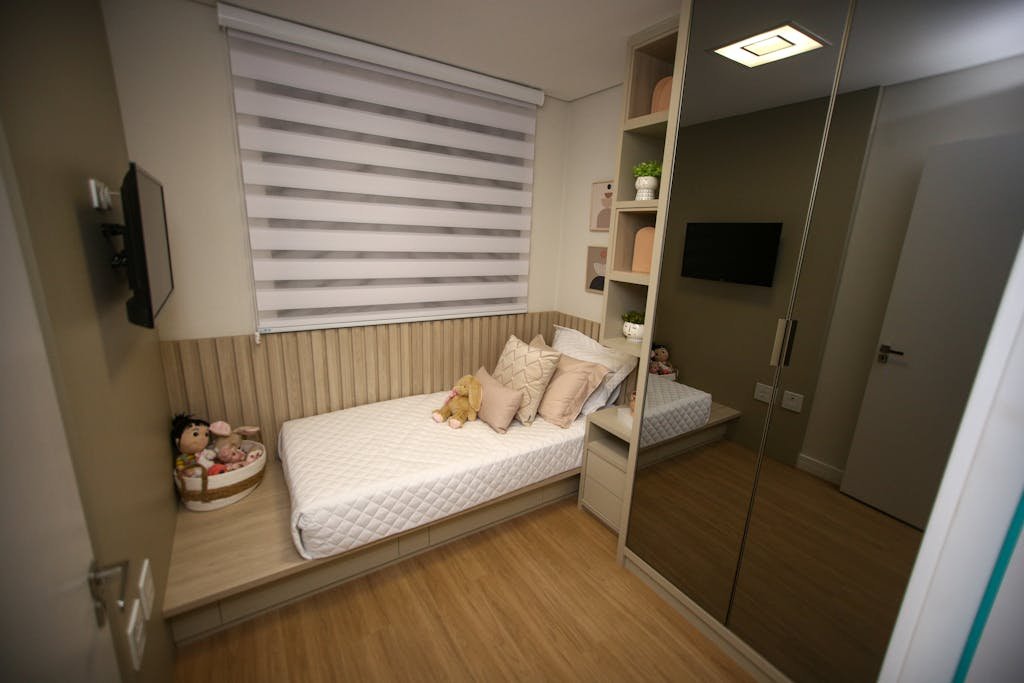
Making a small apartment feel larger is not about illusion alone. It is about aligning furniture, light, storage, and circulation with how people see and move.
When space is treated as a system rather than a collection of objects, even the smallest apartment can feel open, efficient, and calm.
Summary
This article explains how thoughtful design decisions can make small apartments feel larger, calmer, and more functional by focusing on perception rather than actual size. It emphasizes spatial clarity, controlled furniture quantity, strategic use of light and color, uninterrupted sightlines, and well planned lighting as key factors shaping how space is experienced. By choosing lightweight, low profile, and multifunctional furniture, integrating storage into the architecture, maintaining visual consistency, and defining zones without walls, small interiors can support daily activities comfortably. The article argues that successful small space design relies on understanding human movement and visual perception, treating space as an interconnected system rather than a collection of objects.