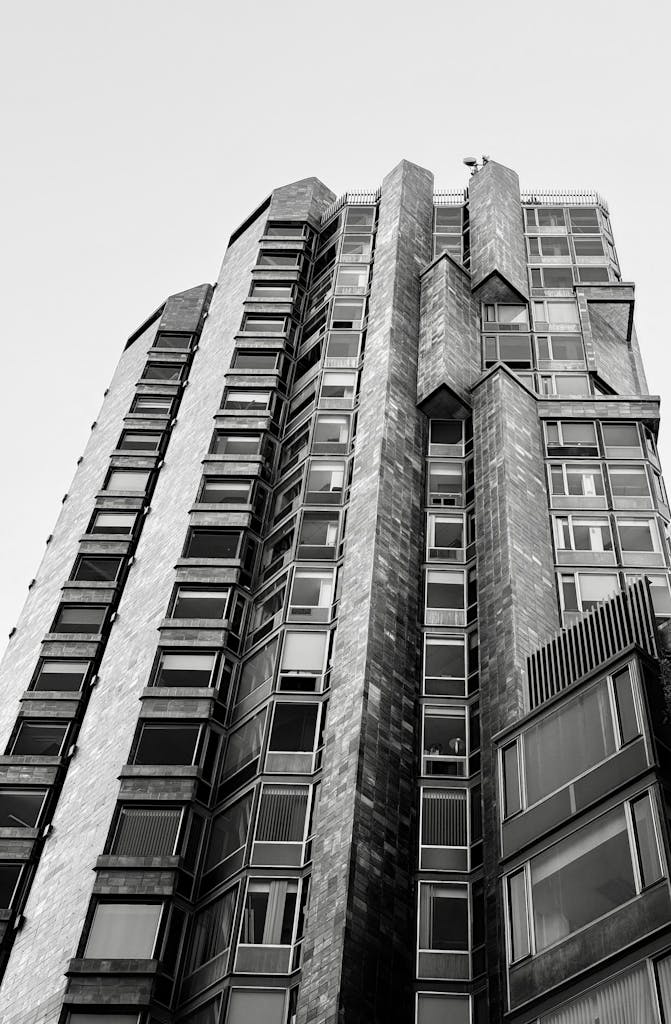
Concrete remains a foundational material in architecture. It supports structures and defines spatial form while offering a wide range of finishes and textures. At studios such as Home, designers explore how concrete can deliver long lasting performance and clear aesthetic intent. The studio approach described in INJ Architects Philosophy treats concrete as both a technical solution and a design medium.
Why Concrete Is Still Essential
Concrete can be cast into complex forms and used for structural systems as well as refined interior surfaces. The firm outlines its material choices on the Architecture Style page where durability and clarity are central ideas. Bringing concrete into a project requires coordination between design and delivery teams, a process explained in How We Work.
Working teams such as those listed on the INJ Architects Team and leadership shown on the Ibrahim Nawaf Joharji page help translate concept into buildable details. These collaborations appear across the studio project collection in Projects Overview.
Common Uses in Architecture
- Foundations beams columns and slabs
- Precast panels and façade systems
- Polished floors countertops and custom furniture
- Bridge tunnels and infrastructure works
- Landscape walls paving and site furniture
Case studies and discussions on practical use are available in the Architecture Blog and the INJ Blog.
Key Physical Properties
| Property | Typical Value | Note |
|---|---|---|
| Density | 2300 to 2500 kg per cubic meter | Depends on aggregate selection |
| Compressive strength | 20 to 50 MPa for normal mixes and above 100 MPa for high performance mixes | Mix design and curing control strength |
| Tensile strength | 2 to 5 MPa | Usually enhanced with reinforcement |
| Modulus of elasticity | 20 to 40 GPa | Influences stiffness and deflection |
| Thermal conductivity | 0.8 to 1.8 W per meter K | Affects energy performance |
| Fire resistance | High | Concrete retains mass at elevated temperature |
Environmental Considerations
Cement production accounts for roughly 7 to 8 percent of global carbon dioxide emissions. The studio addresses material impact through its Sustainability strategies. Designers can reduce embodied carbon by optimizing mix designs using supplementary cementitious materials recycling concrete as aggregate and improving operational life.
Quality control and material sourcing are covered under the studio Quality protocols. Construction sequencing and site practice are discussed in Construction & Project Management resources to limit waste and improve efficiency.

Design Strategies and Detailing
Concrete supports a broad spectrum of architectural expression. Exposed surfaces can act as primary design elements while precast modules speed site assembly. The use of digital tools such as BIM & CAD and immersive review with VR & AR improves coordination of reinforcement formwork and finishes. These tools help teams predict tolerances and deliver the intended surface quality.
Advantages and Limitations
| Advantage | Limitation |
|---|---|
| High compressive capacity and durability | Significant carbon footprint when cement is used in excess |
| Plasticity allowing complex forms | Susceptible to cracking without proper detailing |
| Long service life and low maintenance | Heavy weight increases structural demand |
| Compatibility with precast and modular methods | Site quality control is essential for finish |
How Practice and Research Come Together
INJ Architects integrates research and practice. The people described on the Who We Are page and the technical leaders listed in the team help test new mixes and detailing approaches on pilot projects found in the Projects Overview. This feedback loop improves constructability and reduces risk across the design lifecycle.
Conclusion
Concrete will remain a vital material in architecture when used with responsibility and clarity. Combining design intent with rigorous quality control sustainable choices and effective project management allows concrete to deliver durable functional and beautiful buildings. For inquiries about collaboration or project work reach out via Contact Us.
Summary
The article explains how concrete continues to be a core architectural material, valued for its structural strength, versatility, and aesthetic potential. It highlights how INJ Architects approach concrete as both a technical and design-driven medium, integrating it across foundations, facades, interiors, and infrastructure. The text outlines concrete’s physical properties, environmental impact, and the studio’s sustainability efforts to reduce carbon footprint through optimized mixes and material sourcing. It also discusses digital coordination tools like BIM and VR that enhance detailing and construction quality. Overall, the article emphasizes concrete’s relevance when paired with responsible design, performance-driven strategies, and rigorous project execution.