
RockSability

PLANNING, RESEARCH
Rock Cutting and Architectural Sustainability
A hillside project begins with decisions about the ground. The volume removed, the method of cutting and the destination of the extracted stone affect the construction sequence as well as the landscape that remains.
From excavation to material use
RockSability approaches excavation as a material-planning question. Before a cut is made, the design team can ask which parts of the rock might become building elements, landscape features or processed aggregate, and which require another form of handling.
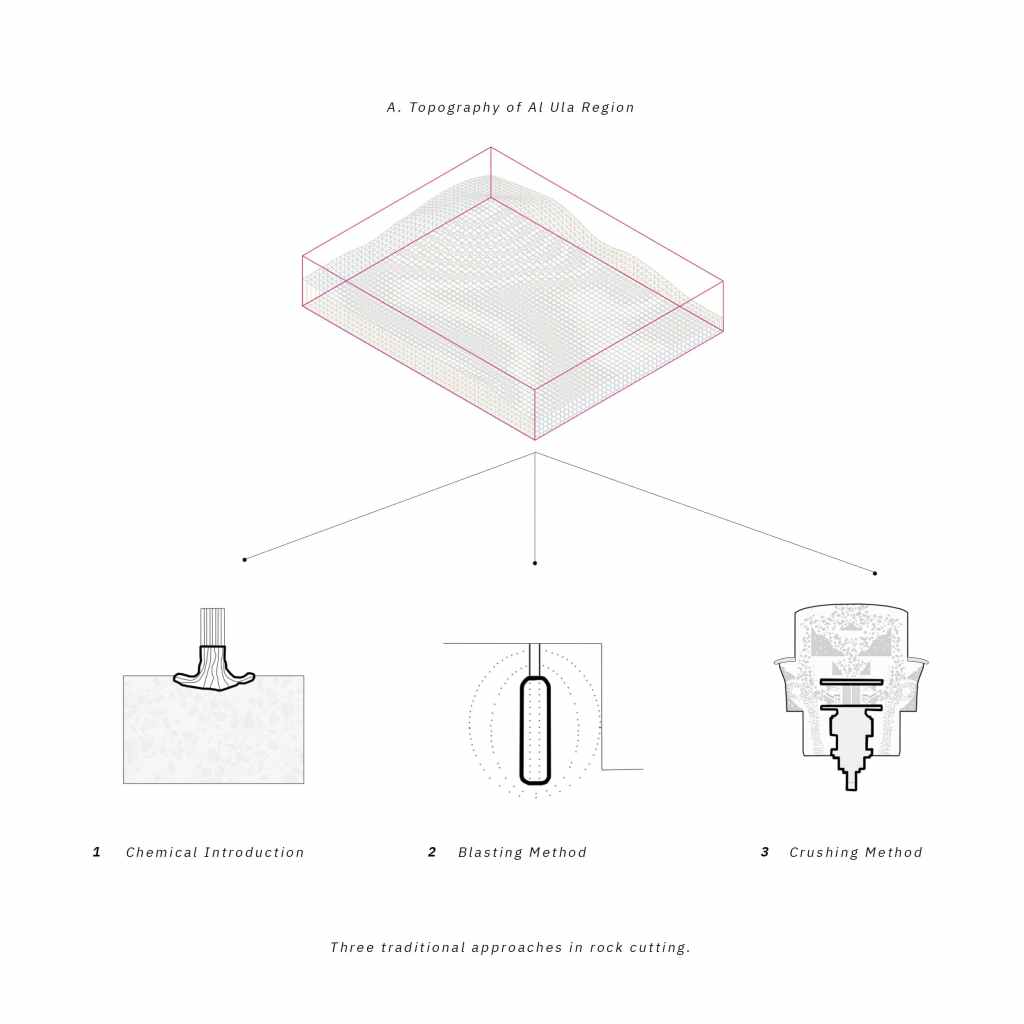
RockSability examines the environmental implications of extracting and cutting natural stone for construction. The study compares mechanical cutting, blasting and chemical methods, considering material use, landscape disturbance and worker safety across the extraction process.
Related project: AC Water Sustainability.


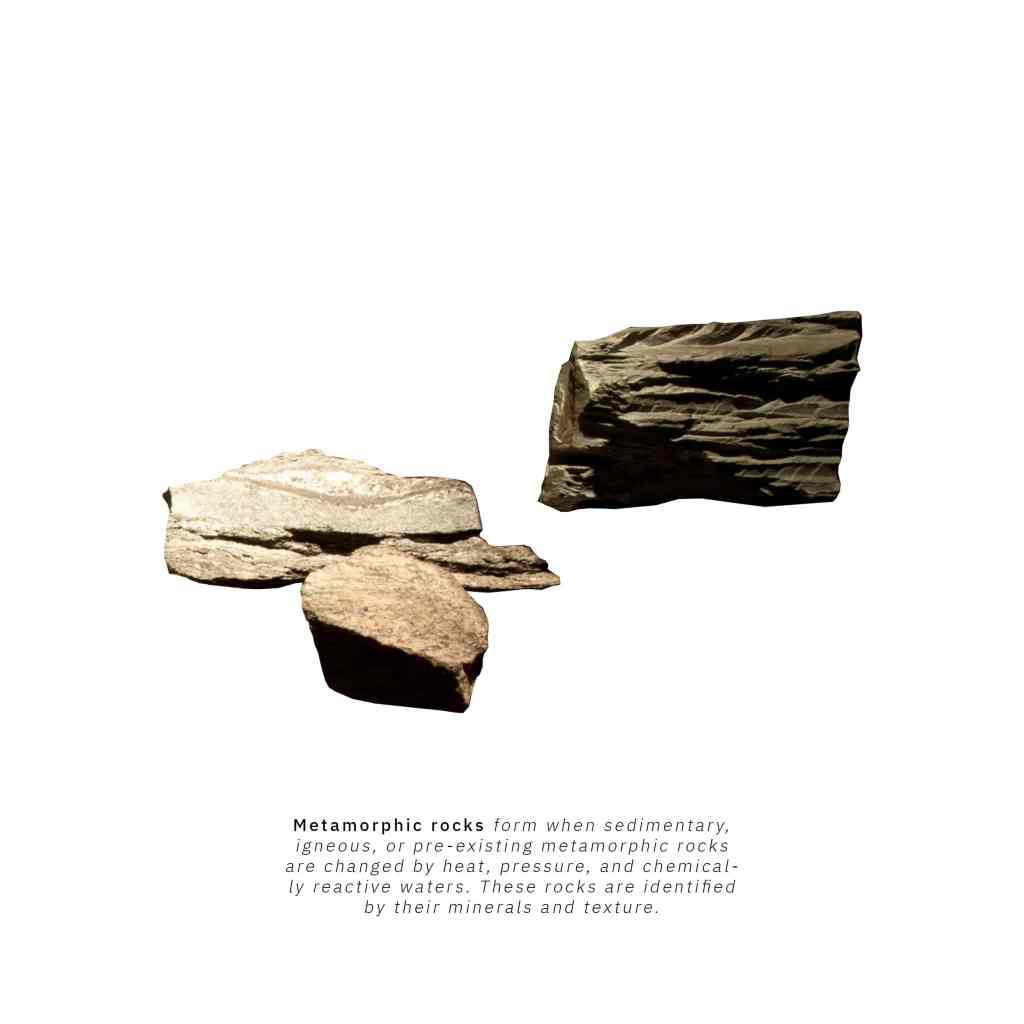


Working with rocky terrain in Saudi Arabia
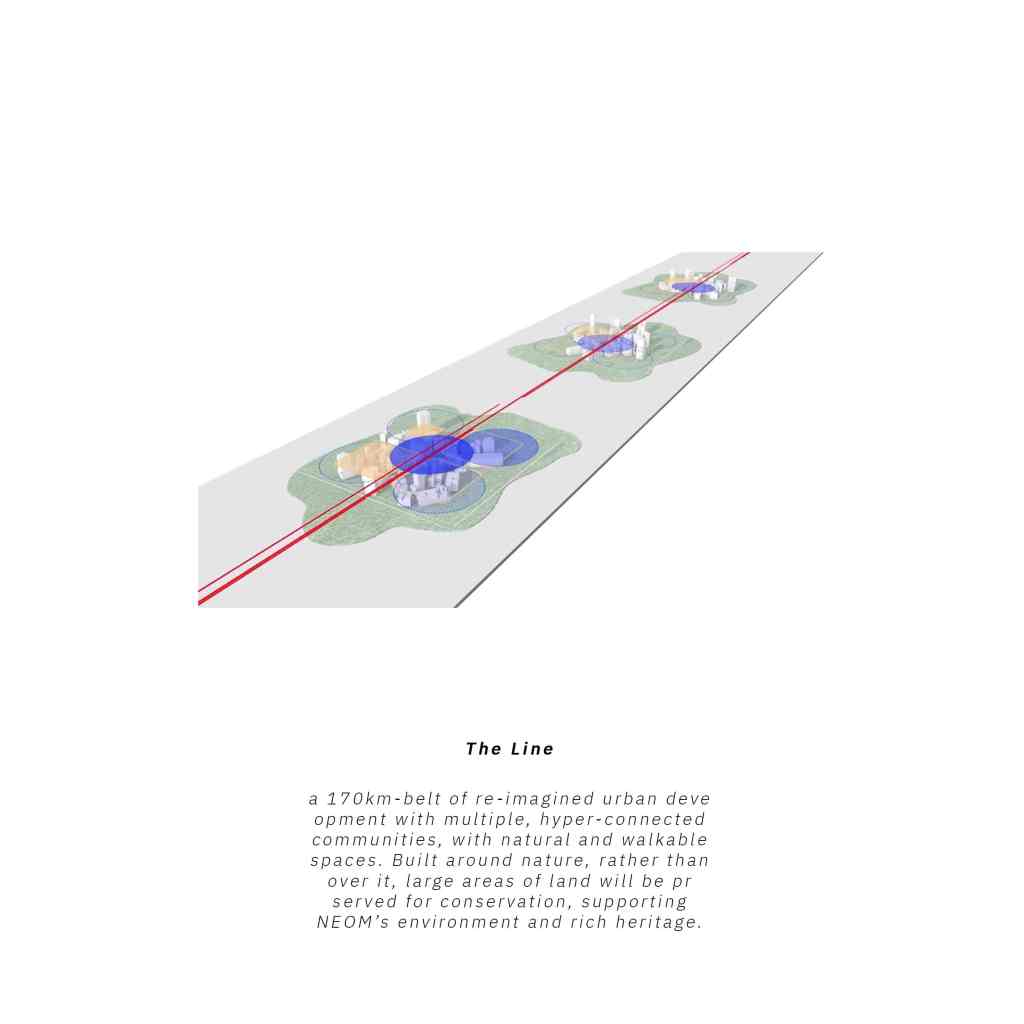
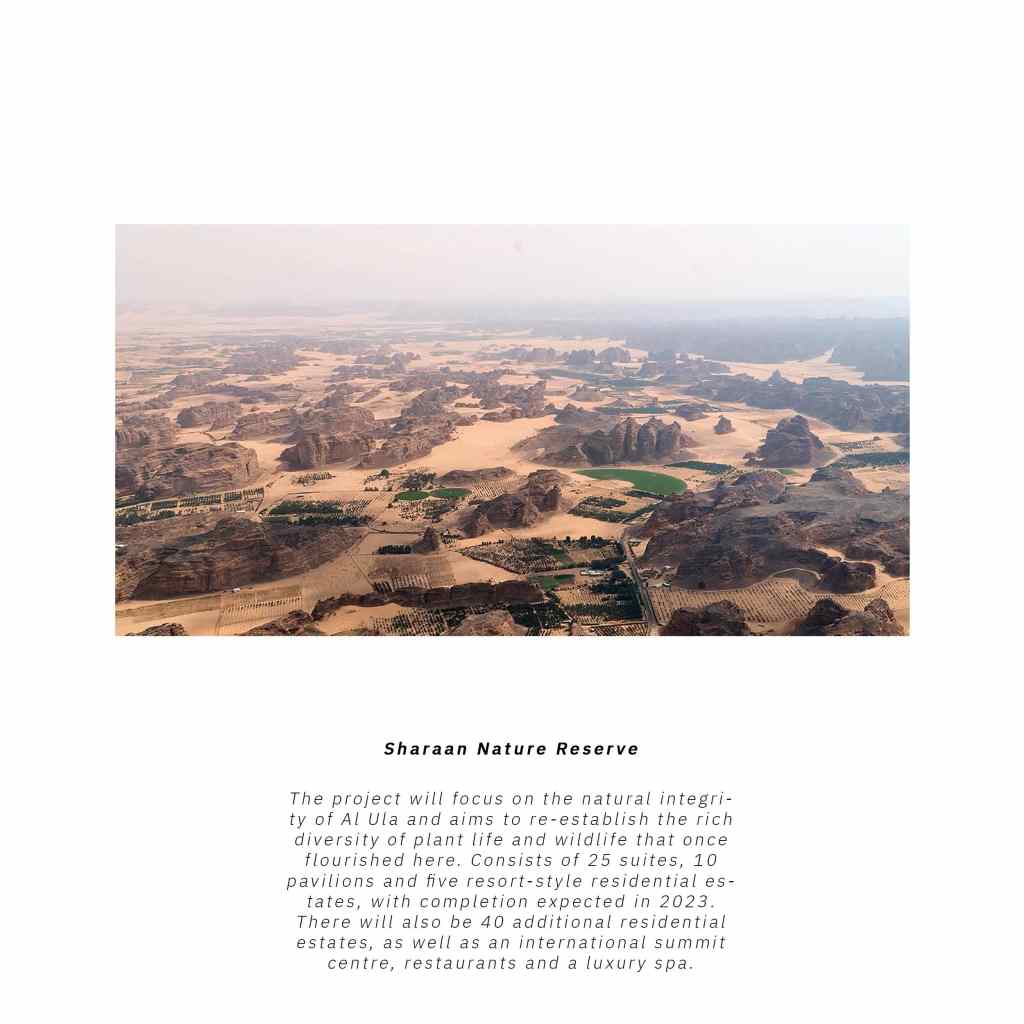
The study draws on the mountainous settings of Makkah, Taif and other Saudi destinations. Its presentation includes regional maps and reference projects to show the range of landscapes in which excavation decisions arise. These references establish the research context; they are not presented as INJ Architects commissions.
Survey before selecting a method
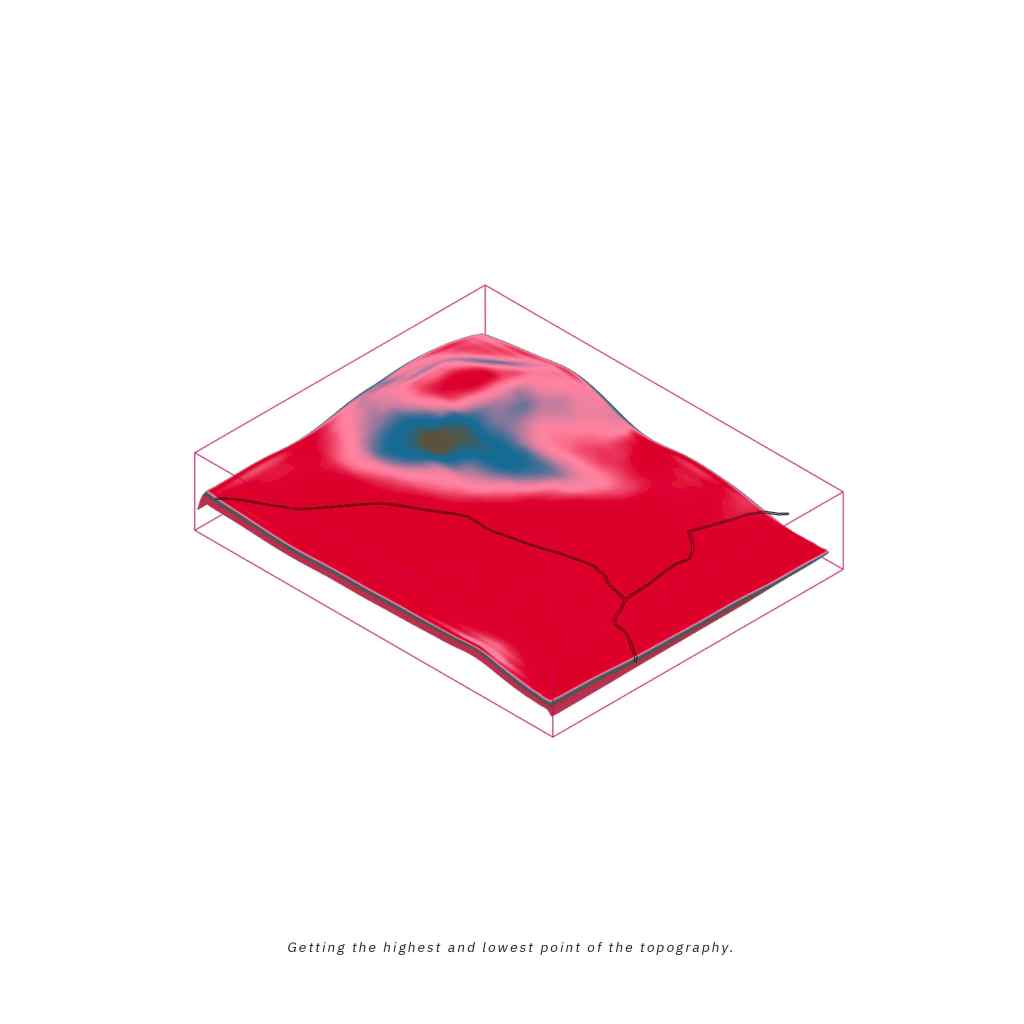
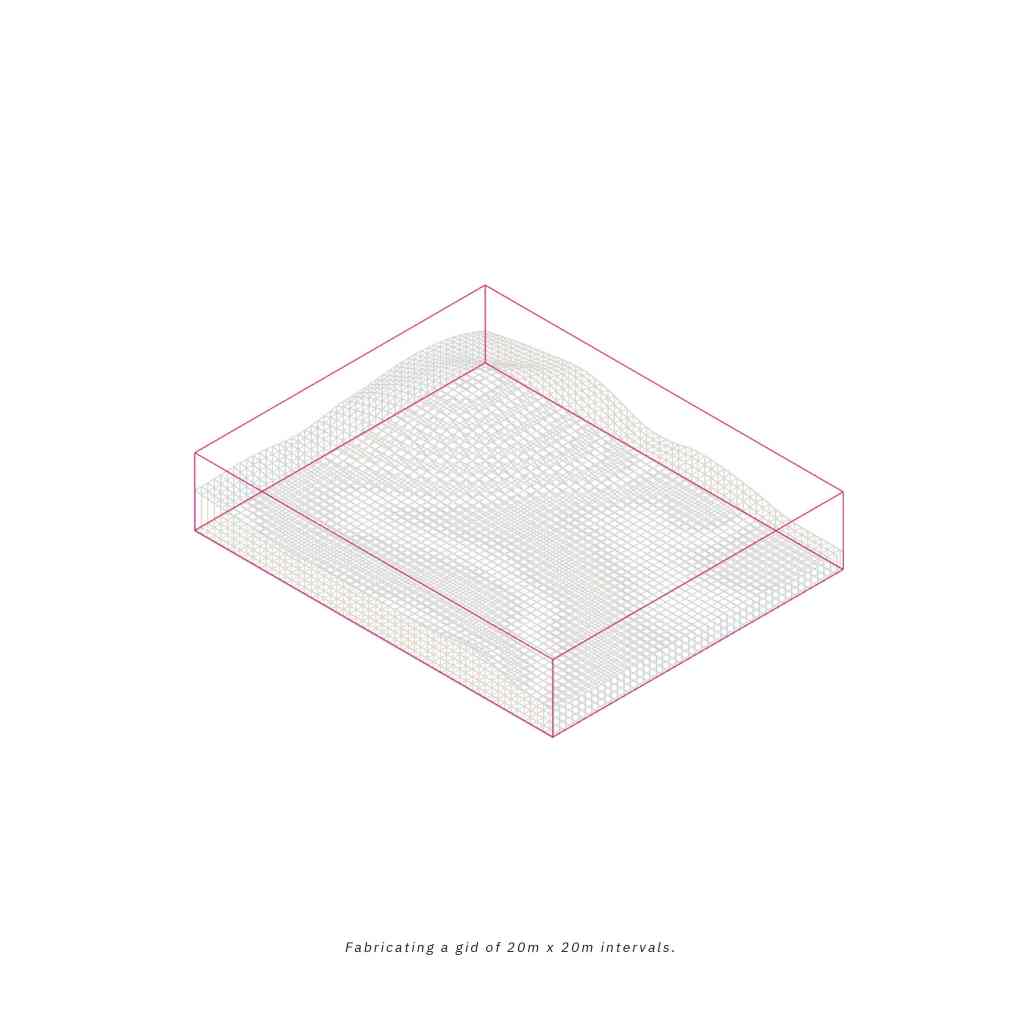
Topographic surveys, geological investigation and digital terrain models provide different kinds of information. A terrain model can help compare levels and excavation volumes, while the condition of the rock requires investigation on site. Neither a satellite image nor a surface model alone establishes the suitability of a cutting method.
Three approaches considered in the study
Mechanical excavation
Mechanical approaches use equipment selected for the rock and the required cut. Their assessment should consider access, vibration, noise, tool wear and the size of material produced.
Controlled blasting
Blasting is considered here as a specialist excavation method. Its suitability depends on the site, surrounding structures, environmental constraints and an approved safety plan. This architectural study does not provide blasting instructions.
Expansive splitting methods
The study also considers methods that split rock using expansive agents. Selection requires specialist assessment of the rock, product requirements and site conditions. The comparison concerns their place in a project strategy rather than a universal ranking of performance.


- Compare material recovery, energy use, transport, noise and disturbance over the full excavation process.
- Identify realistic uses for extracted stone before deciding the cutting pattern.
- Separate blocks suitable for reuse from material that requires processing or disposal.
- Coordinate surveys, geotechnical advice and equipment selection with the architectural levels and foundations.
- Plan storage and access so recovered material remains usable during construction.
- Include rehabilitation and the final landscape in the excavation brief.


Coordinating geology, construction and design
The choice of cutting equipment belongs within a wider assessment of the rock mass, the proposed structure and the intended use of the extracted material. Geological mapping and investigation help identify discontinuities and areas where usable blocks may be recovered. Architectural planning establishes the dimensions, tolerances and quantities that a project can actually use.
The aim is to connect excavation with specification. A reusable block has value only when its properties, dimensions, handling and destination are understood. Cutting more regular pieces does not, by itself, establish a lower environmental impact.
The Carrara reference
The original research discusses Carrara as a reference for the development of stone-cutting technology, including diamond-wire systems. Historical production and employment figures in that record require their original source and reporting period before they can support a numerical comparison. The architectural lesson is to evaluate extraction method, usable yield and landscape change together.



Designing for the material that is recovered
Stone intended for slabs, paving or building elements must be assessed for its proposed use. The design team needs to coordinate dimensions, finishes, testing, transport and installation with the cutting strategy. Smaller pieces may have other applications, but these also require a practical destination and a specification.
What should the next stage measure?
A project-level comparison should record excavation volume, recoverable material, waste, energy and transport requirements. It should also examine the remaining landform and the cost of preparing recovered stone for use. These measurements would allow the proposed approach to be assessed against an actual construction brief.
RockSability sets out a research direction: treating excavated stone as a potential resource within the project rather than leaving its use until after removal. The presentation documents that proposal through terrain models, method comparisons and cutting studies. It does not report a completed trial or a measured carbon saving.