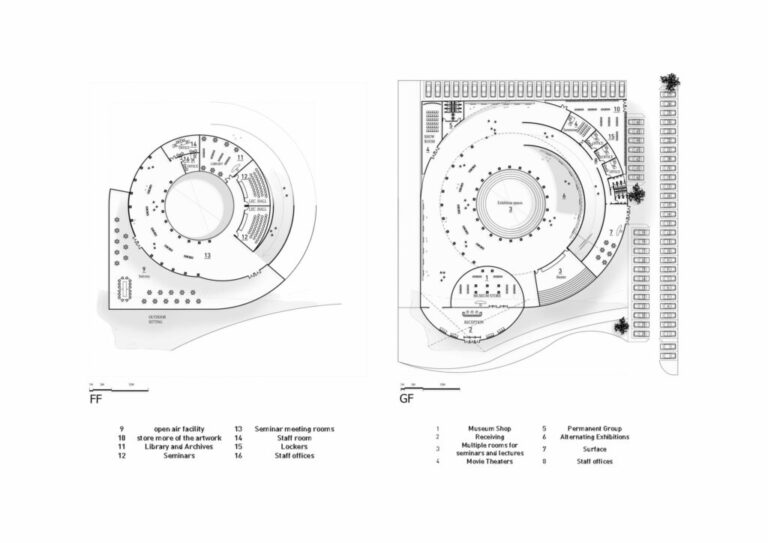

Contractor Marketing Drives the Weak Architect
By Ibrahim Joharji
The problem is not that an architect uses a fashionable material. It is that fashion becomes the only reason for using it.
The story sometimes begins before the project reaches the design studio. A new product under showroom lights, a sample appearing in sales representatives’ bags, photographs circulating through suppliers’ and contractors’ accounts. Then comes the phrase that shortens the discussion for everyone: “This is what people want now.” Before long, the same material enters homes, restaurants and offices with little in common in terms of place, users or purpose. Their purchasing date is what connects them.
At this point, the market is doing more than supplying architecture with materials. It is beginning to write its appearance.
This argument does not diminish the contractor’s profession. A good contractor is an essential partner in turning an idea into a building, and a specialist supplier can introduce possibilities the architect did not know existed. The concern is a reversal of roles: the vision comes from the seller, while the architect supplies the justification. The client receives a design that looks professionally considered, although its underlying logic began in a catalogue.
When finishes arrive in waves
Part of the past decade’s interior design history can be read through successive waves of finishes: white porcelain with grey veining, including products resembling Statuario marble; rose-gold metals; black taps, handles and glazing frames; small green glazed tiles; and the renewed presence of travertine and products that imitate it.
These are not dates of invention, nor do trends reach every market simultaneously. Yet there is contemporary evidence of their circulation. Design coverage in 2016 discussed warm metals, including rose gold, alongside marble-look porcelain. In 2018, coverage described the growing popularity of black taps, shower heads and frames. Reports on new tile products in 2025 again highlighted travertine-look porcelain and green tiles.
The architectural question is less about assigning each wave a precise starting date than understanding how it expands until it appears to be the only natural choice.
Black begins as a detail that gives a particular element definition, then becomes a formula: black frame, black handle, black tap, black accessories. Green glazing begins as a choice related to a restaurant’s lighting and character, then becomes shorthand for the “contemporary restaurant”. A white veined surface can move from a carefully selected material to an automatic definition of luxury.
Popularity does not strip these materials of value. What loses value is the decision when it no longer requires an explanation.
Abundant supply, narrowing choice
Not every widespread product is the result of overproduction, and commercial success cannot be reduced to a marketing campaign. Quality, price, availability and ease of installation are legitimate reasons for choosing a material. But when abundant supply meets intensive promotion and contractor familiarity, ease of procurement can acquire authority over design.
What is available is proposed first. What is repeatedly proposed becomes familiar. What is familiar is presented to the client as the safe choice. The volume of circulating images then makes alternatives look strange or outdated.
Choices narrow within a market that appears full of them.
There is a consequential difference between an architect saying, “This material fulfils the project’s purpose,” and saying, “This material is in every project.” The first is a design argument. The second describes sales activity.
The problem becomes most pronounced when a package of finishes precedes an understanding of the building itself. Metal colours, flooring and bathroom surfaces are settled while the relationships between space, light, privacy and movement remain unresolved. Design becomes the arrangement of purchases already decided upon, rather than an investigation into the right solution.

The building as a record of a purchase
Some buildings reveal the period of their fit-out through their door handles, floor veining or combination of finishes once sold together. The market season is easier to read than the character of the place.
Belonging to a period is not a defect. Architecture does not exist outside history, and many valuable buildings clearly represent their age. There is, however, a difference between a building that expresses its time and one that simply displays its products.
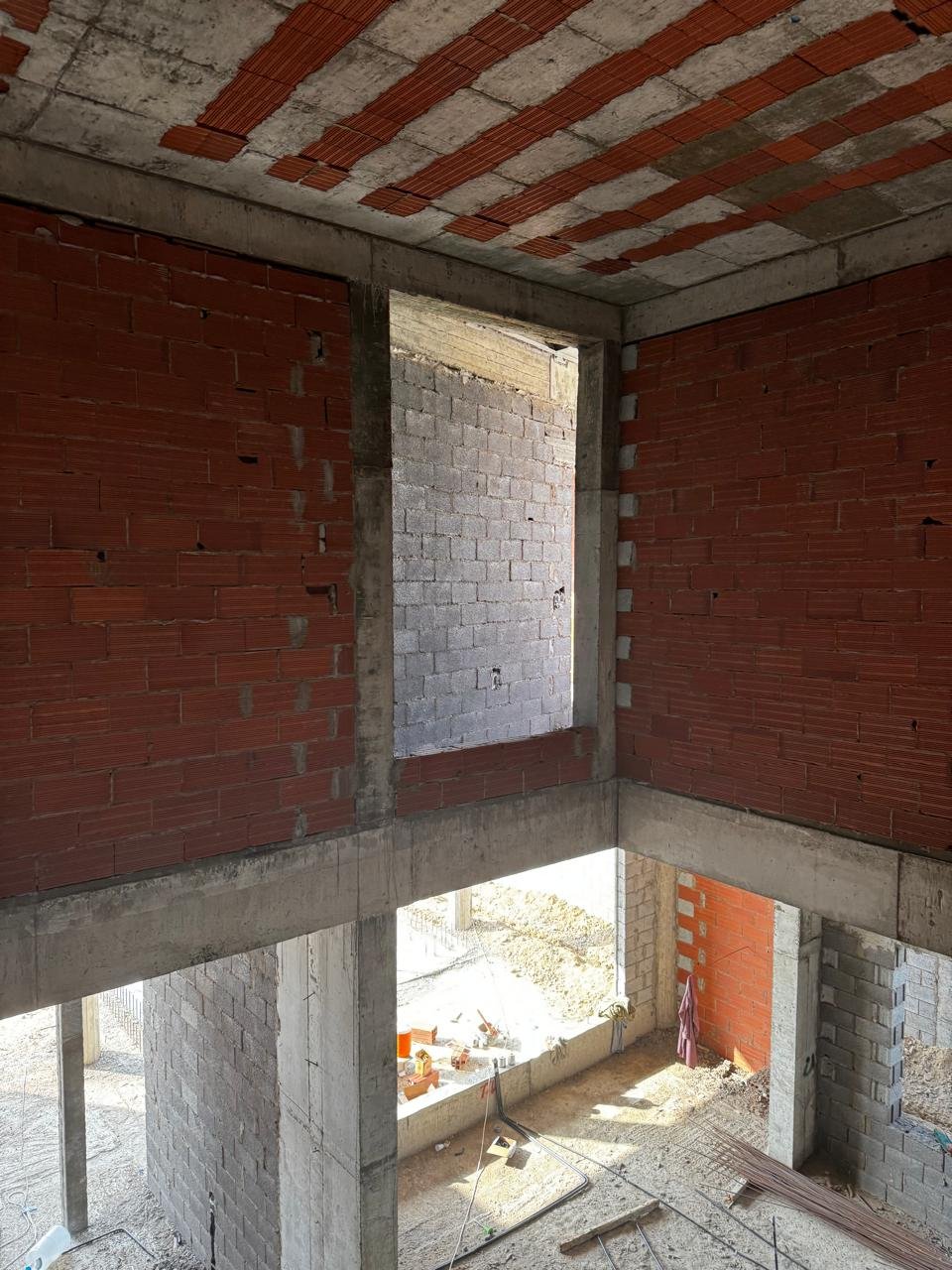
One turns the tools of its era into a position. The other assembles familiar signs.
Enduring relevance does not mean that a building’s age becomes impossible to identify. It means that the building remains convincing once its age is known: its proportions, spatial relationships and handling of light still deserve attention after the market has stopped promoting its finishes.
A material may date within a coherent project, and the project can still accommodate it. But if the fashionable material was the entire idea, its declining popularity takes much of the design’s justification with it.
What the car reveals
The car offers a useful comparison. Some cars become classics not because they conceal their production year, but because their character remains legible over time: the proportions of the body, the relationship of glazing to mass, and lines that remain recognisable even when minor details disappear.
Other designs depend more heavily on signs of rapid renewal: a headlight shape, a grille size, or a feature announcing that this version is newer than the last. Once that feature changes, the previous version looks older even if its usefulness has not changed.
This does not mean every mass-market car lacks identity or every facelift is poor design. The comparison concerns the source of character. Is it carried by the overall construction of the design, or by temporary signs of newness?
The same question applies to a building. If its handles, taps and one wall finish were replaced, would its character remain? Or would we discover that its identity had been confined to a finishes schedule?
A strong architect is not against the market
Architectural independence does not require rejecting manufactured products or searching laboriously for a rare material in every project. A widely available product may be the most appropriate, maintainable and economical choice.
A strong architect can use a common material without producing a generic place.
This is possible because the material’s role is established before its brand name. Where does it begin and end? How does it meet the adjacent material? How does it relate to the scale and light of the room? Is it suited to the intensity of use? Can it eventually be replaced without unravelling the composition?
Such questions return the product to its proper scale: an element within a larger decision.
An architect’s weakness is not measured by the size of the office or the limitations of a project budget. It becomes visible when choices cannot be explained beyond the vocabulary of popularity: “on trend”, “new”, “luxurious”, “what people are asking for”. The architect then borrows judgement from the market rather than managing the market as a resource.
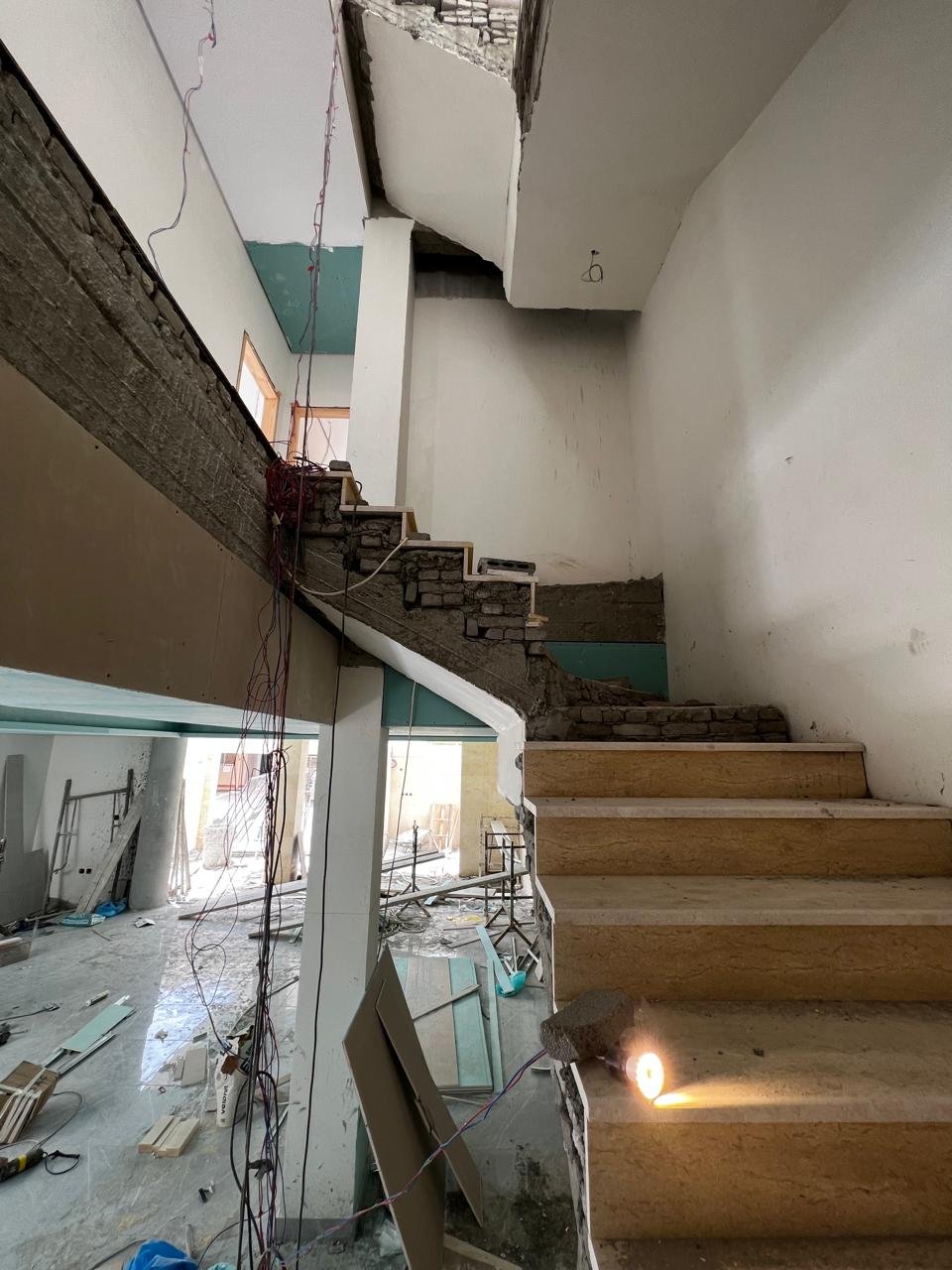
Bespoke is not a more expensive shopping list
“Bespoke” can be marketed as readily as the materials themselves. It is not achieved simply by increasing expenditure, choosing an imported product or manufacturing a piece unlike any other.
Bespoke design begins with the specificity of the problem: this site, the life that will unfold within it, its relationship to climate and neighbours, and requirements that will not necessarily match those of the previous project.
The outcome may be a specially fabricated detail or a standard product. What makes the design particular is the precision of the relationship between a choice and its reason.
At INJ Architects, this understanding informs our approach. A project’s identity develops through accumulated decisions, from the organisation of space and mass to light, material and detail. We look for reasons that give a project its form, rather than a cosmetic difference applied at the end. The clearer those reasons become, the easier it is to evaluate a supplier’s proposal, discuss a contractor’s alternative and reject a change that weakens the idea.
Identity, in this sense, is not insistence on a single appearance. It is consistency in how decisions are made.
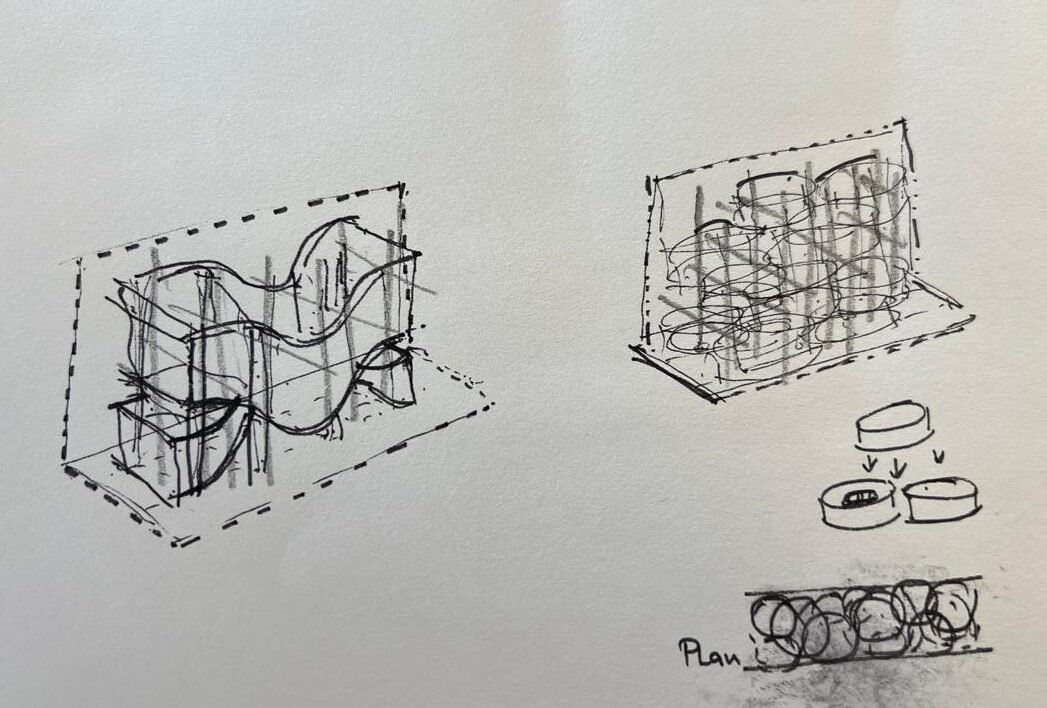
Who leads whom?
Marketing makes a product desirable. The architect must determine whether it is desirable for this particular project. Confusing these roles leaves a building dependent on a commercial cycle much shorter than its intended life.
An architect therefore needs a position before entering the showroom and criteria before receiving samples. A new product may improve an idea, but it should not relieve the architect of having one.
Not every building must become an icon, nor can a claim of timelessness make it endure. It needs reasons to remain convincing beyond having matched the taste of a single season.
Contractor marketing drives the weak architect when a sales argument replaces a design argument. An architect with a clear vision can benefit from the market without handing it authorship of the building.
Read more about our approach: How We Work and Bespoke Architecture.