Luxury Materials in Daily Use: Beauty That Can Be Maintained
A new sample presents the best moment in a material’s life: a clean surface, considered lighting and an undamaged edge. Buildings expose it to dust, sunlight, repeated cleaning, changing humidity and eventual replacement. The real question is whether we selected a beautiful material or a finish system capable of retaining quality in use.
This applies to hotels, homes, offices, palaces and mixed-use buildings. Luxury does not suspend physical behaviour. Architectural specification should establish exposure, use and care before fixing appearance.
Price does not describe performance
Rarity, origin, slab size and fabrication difficulty may increase price without improving resistance to scratches, stains or sunlight. Performance also has several dimensions. A hard-wearing surface may be difficult to repair locally; a renewable finish may require more regular attention. The objective is suitability, not a price-based ranking.
Selection should describe the actual location: a busy entrance, a rarely touched wall, a work surface or a wet area. Who will clean it, and how? Does the owner accept natural change or expect strict visual consistency? Different answers may require different finishes within the same building.
Natural colour is a range
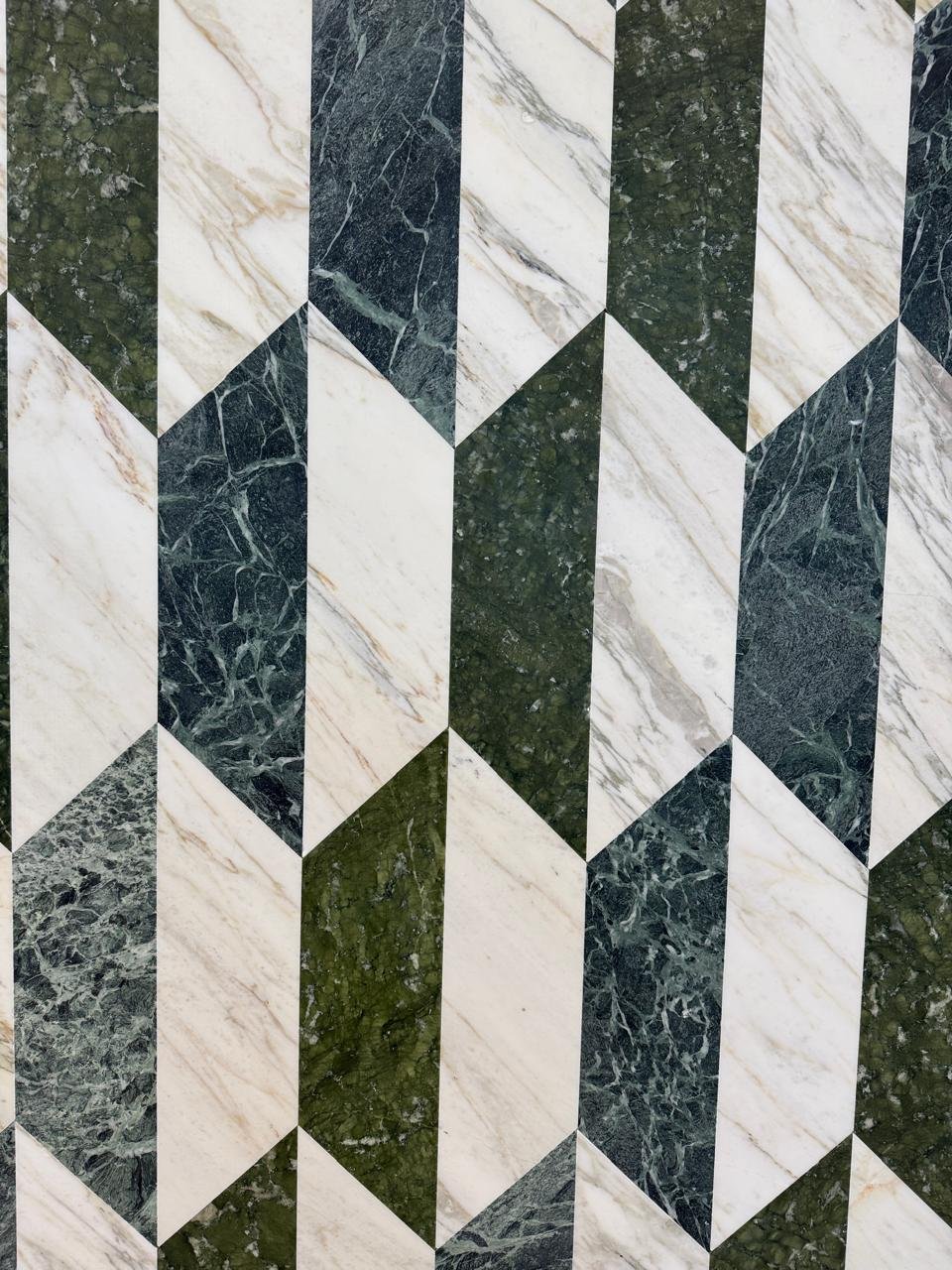
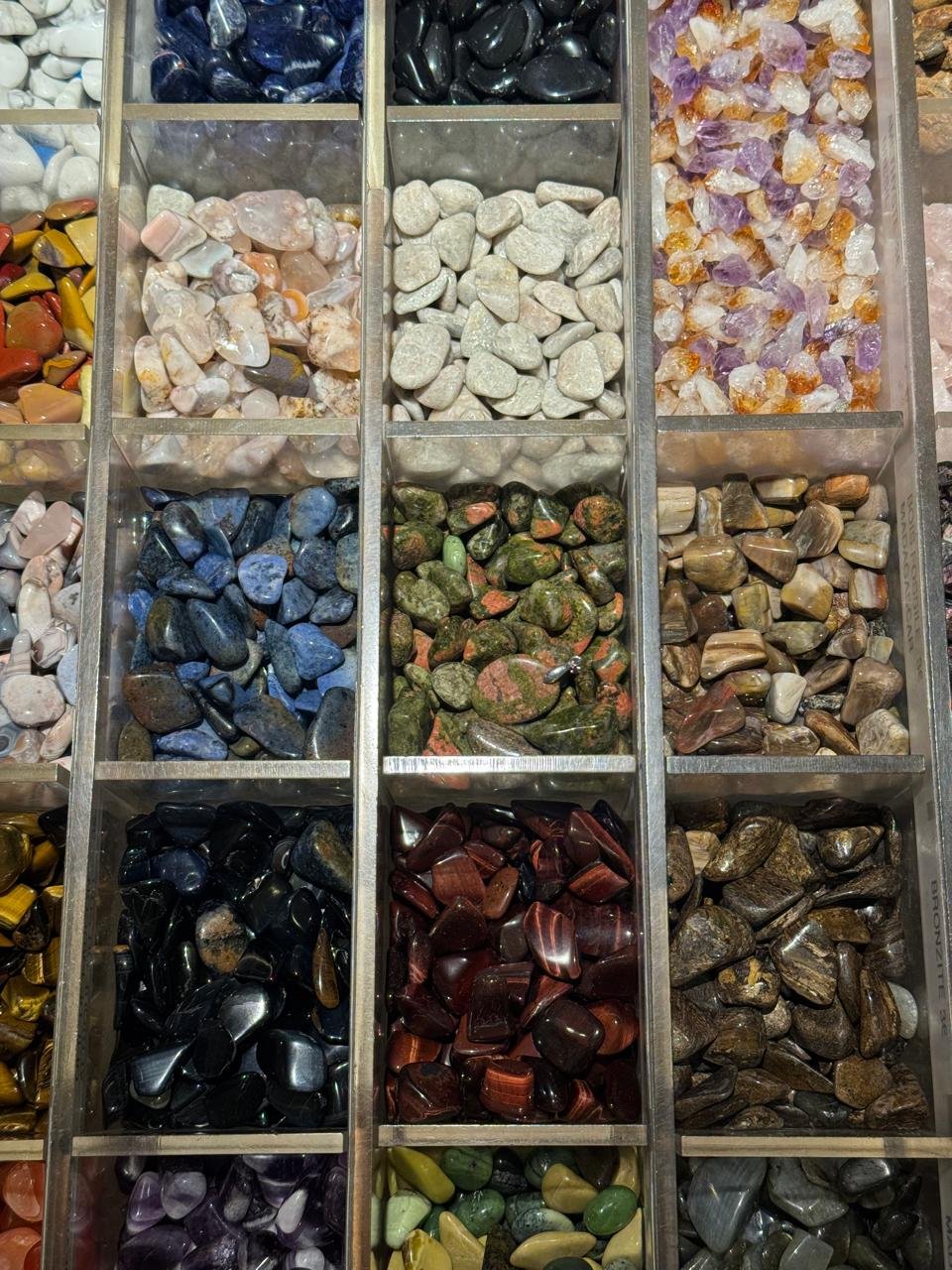
A small stone sample cannot guarantee identical veining across a floor. Natural variation needs an agreed visual range and, where relevant, a reviewed arrangement of the selected pieces. The task is to distinguish accepted variation from departure from the selection.
Manufactured products can also include intentional variation or differences between batches. Record the accepted reference, batch and arrangement, and assess replacement stock for the project. Colour is a relationship between adjacent pieces under actual light, not merely a schedule code.
Light, heat and moisture act differently
Light exposure can alter some woods, pigments, coatings and textiles, depending on composition and duration. Materials do not change at one universal rate. Seek relevant performance information and assess samples under the intended lighting, while recognising that brief observation cannot replicate long-term exposure.
Dimensional movement needs equally careful distinction. Wood responds to moisture, with behaviour varying by grain direction and construction; room temperature alone does not explain it. Metals, stone and composites respond differently to environmental conditions. Junctions and fixing systems should accommodate expected movement using the relevant system data and design calculations.
A very narrow joint does not become correct because it photographs well. A rigid finish does not cancel movement beneath it. A detail succeeds when it remains coherent as conditions change.
Cleaning belongs in the specification
The Natural Stone Institute explains that stone composition informs care: calcareous stones are acid-sensitive, and protective treatments do not make stone completely stain-proof. Selection should therefore include the care method recommended for the actual material and system.
Instructions must reach the people doing the work. A technically suitable finish can be operationally unsuitable if the project cannot provide the care it needs. The specification describes a relationship between material, people and time.
Repair is a quality criterion
Before approving a distinctive finish, ask whether local damage can be repaired or requires full-unit replacement. Will the colour and size remain obtainable? Can the fixing be released without harming adjacent work? Can the repaired result remain consistent with the room?
A demanding material may still be justified by its artistic or spatial value. The owner should knowingly accept that commitment. This distinguishes a reasoned choice from material selection driven by a marketing wave.
Test the assembly
A useful mock-up combines material, joint, edge, fixing and light. Review the recommended cleaning method and the possibility of removal and repair, supported by appropriate formal testing where required. A site mock-up does not replace technical tests, but it reveals relationships that separate samples conceal.
Cost comparison should include installation, care, repair and expected interruption. A modest detailing change may reduce future burdens without replacing the chosen material or creating design debt.
Lasting luxury does not promise that nothing will change. It establishes what may change, what must be protected and how quality can be restored.