
Large Commercial Space Design
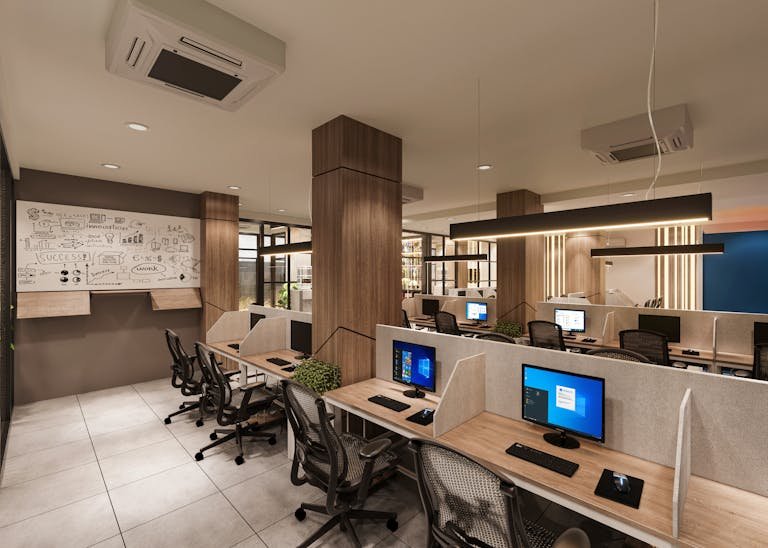
Large Commercial Space Design, such as warehouses and malls, involves addressing functional efficiency and future flexibility. The unique requirements of these spaces necessitate a thoughtful approach to layout, materials, and systems used.
Addressing Functional Efficiency
Functional efficiency in large commercial spaces is paramount. The design must facilitate smooth operations, considering factors like circulation, accessibility, and the movement of goods or people. Open floor plans are often employed to maximize flexibility and adaptability to changing needs, allowing businesses to reconfigure their spaces as necessary.
Future Flexibility Considerations
When designing for future flexibility, architects must anticipate the potential changes in use. This foresight might include modular walls that can be reconfigured or systems that allow for easy integration of new technologies. Designing with versatility in mind ensures that the space can accommodate various tenants or functions over time.
Importance of Sustainable Practices
Sustainability is another critical aspect of designing large commercial spaces. The choice of materials and construction methods can significantly impact the environmental footprint of the building. Using energy-efficient systems, sustainable materials, and thoughtful site planning can lead to reduced operational costs and increased comfort for occupants.
Conclusion
The design of large commercial spaces requires a balance of functional efficiency, future flexibility, and sustainability. By prioritizing these aspects, architects can create versatile spaces that meet the evolving needs of businesses while contributing positively to the environment.
Finally, for more on INJ Architects: