Environmental change sways structures and developments
Environmental change sways buildings and structures: wetter winters, hotter summers, higher groundwater and storm floods call for climate-ready design choices.

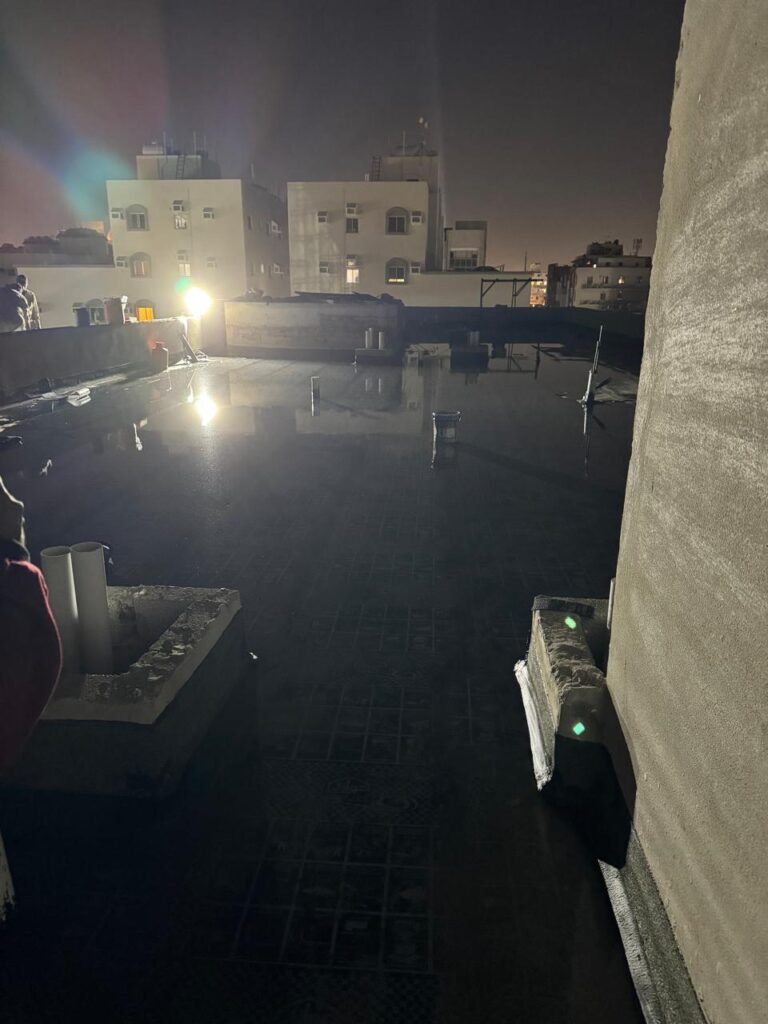
Environmental change sways buildings and structures: wetter winters, hotter summers, higher groundwater and storm floods call for climate-ready design choices.
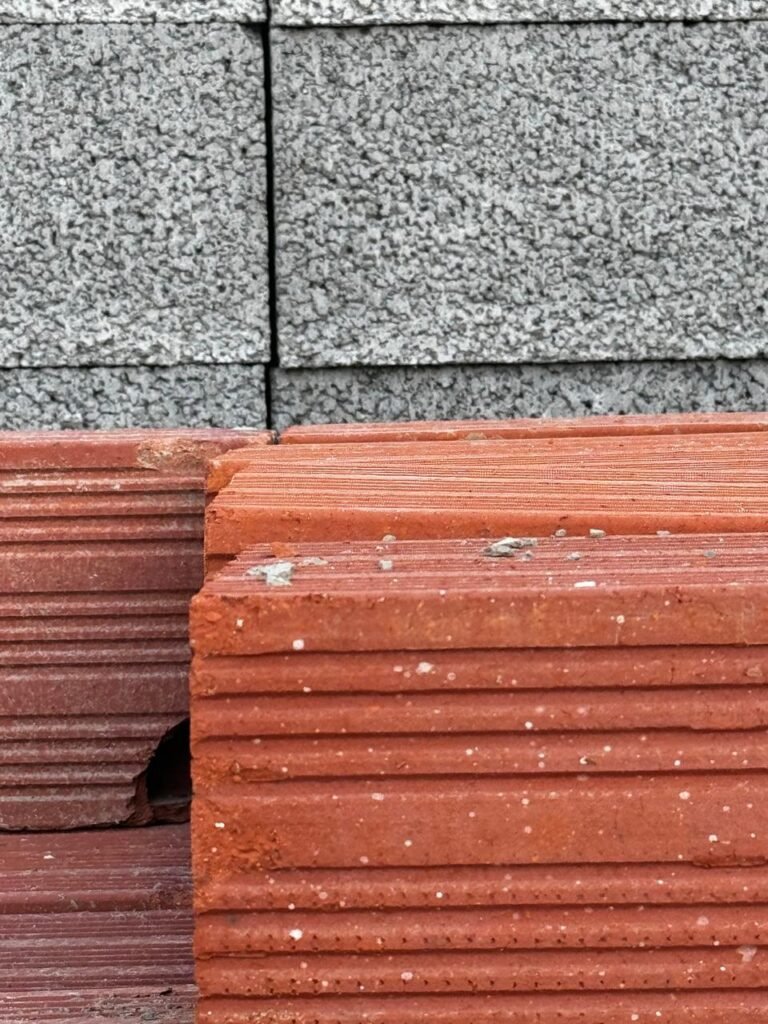
Materials used most in construction: concrete, steel, wood, masonry and stone, their strength and durability, and how architects choose among them.
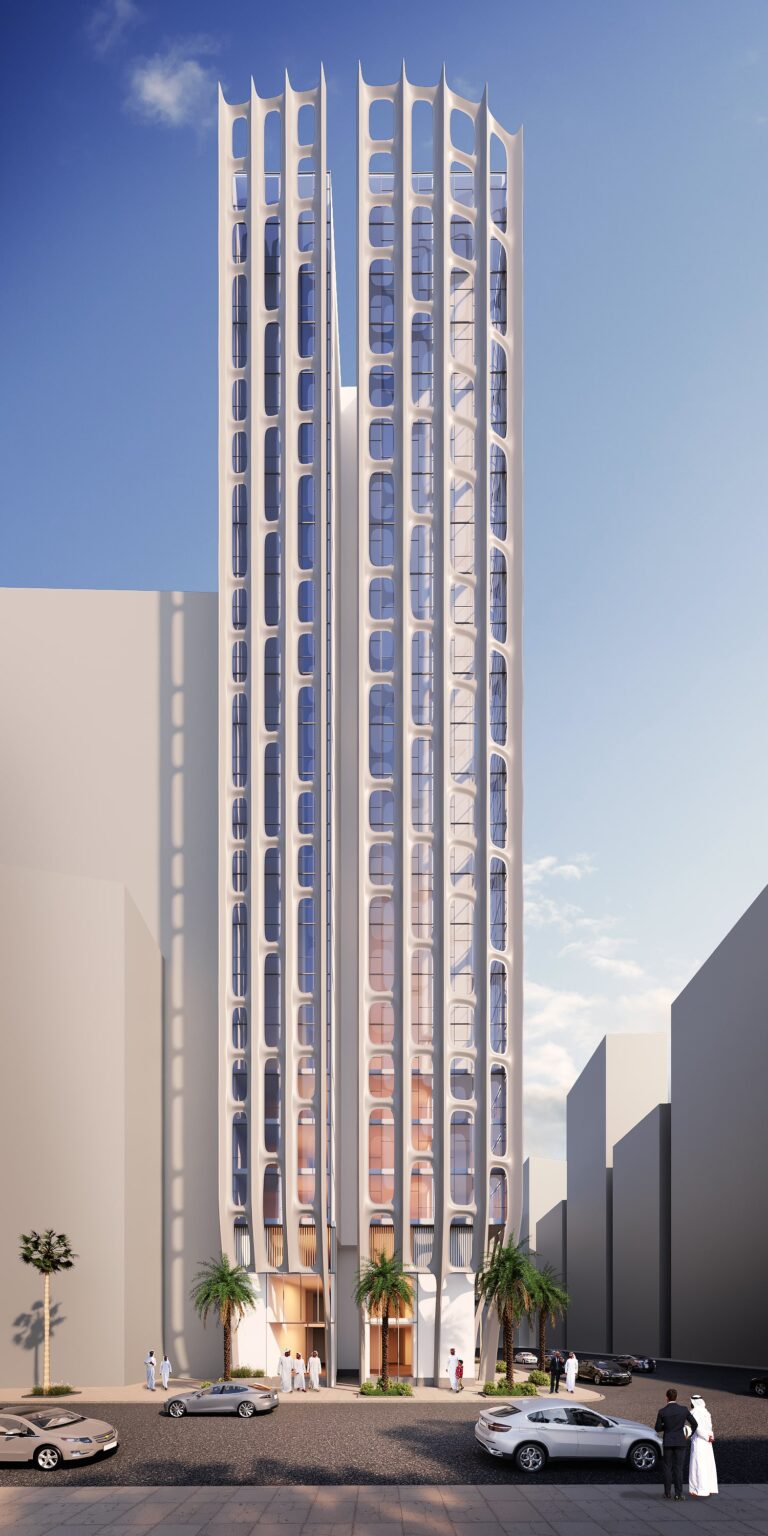
Realism in architecture: how it answered the subjectivity of romanticism, subordinated form to function, and differed from classicism in shaping mass.
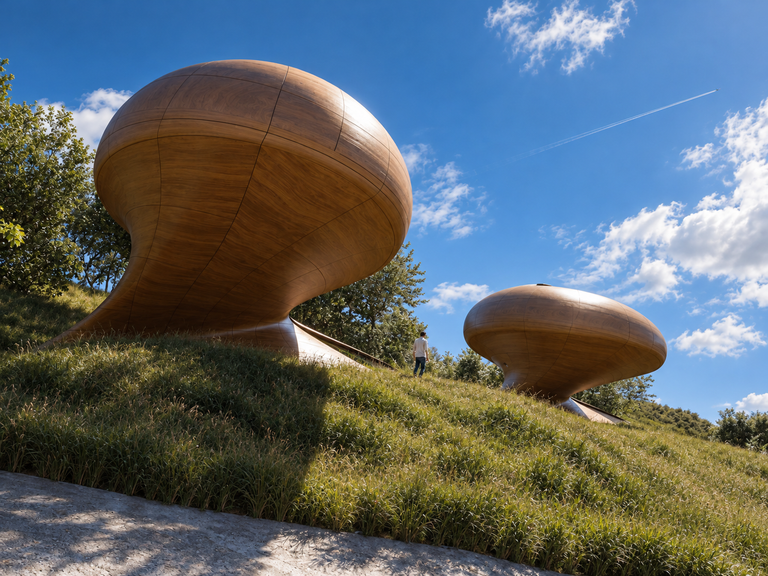
Temporary shelter after an earthquake succeeds only when survivors help shape it, turning a technical response into housing that respects custom and dignity.

A clear look at bridge design, from the structural logic that governs span, type, and foundation to the loads, testing, and construction methods that carry a crossing from drawing board to built reality.

Concrete, steel and glass in construction: the strengths of each material, why materiality matters, and how combining them produces the most inventive projects.

Development strategies for low-cost housing: how affordable materials and careful planning enable rapid construction and why rural areas need such housing.

Climate change is rewriting the assumptions behind buildings and infrastructure, from drainage and flooding to cooling loads, material durability and coastal resilience.
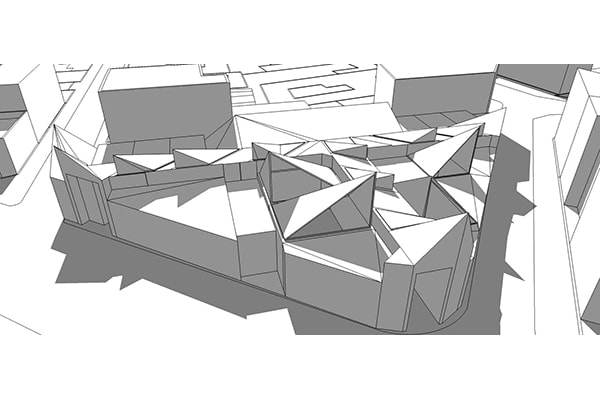
Building technology evolves in the tension between the economic drive for stability with the least material and the expressive drive toward meaningful form, from the Gothic vault to the towers of the Gulf.

Most used materials in architecture, starting with stone: the advantages, limitations and typical uses of each material in monumental and modest buildings.
Palaces restoration projects: why historic palaces need regular restoration, what architects examine on site, and how to choose the right building materials.
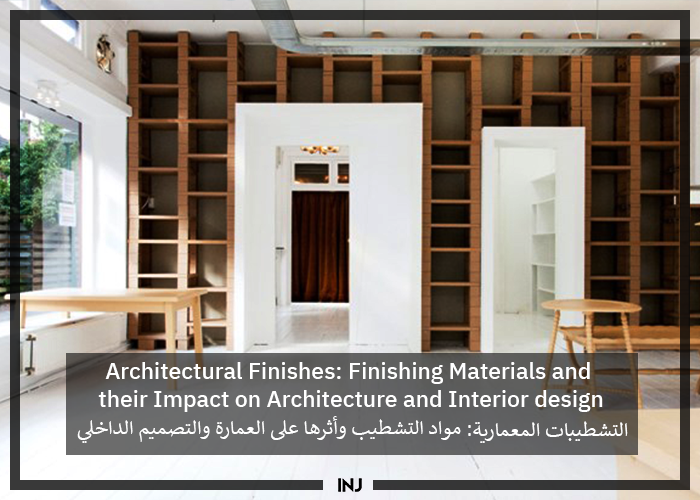
Finishes shape the way an interior is experienced and maintained. Their selection connects material, light, detail, safety and exposure to the long-term use of the building.