Interested in a Career in Property Development? Seven Crucial Considerations
Career in Property Development: seven crucial considerations, from setting specific goals to preparing for challenges, before entering the field.

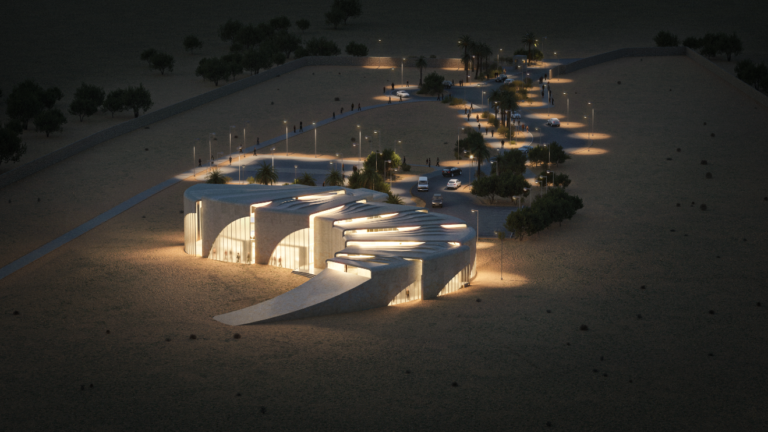
Career in Property Development: seven crucial considerations, from setting specific goals to preparing for challenges, before entering the field.

Green Home Building ideas and techniques: eight methods, from passive solar design to efficient materials, that cut energy use and protect the planet.
Solar panels for the home: how photovoltaic cells generate electricity, installation options, costs, and the savings and added value they bring.
Trends Changing the Field of Architecture: five developments, from artificial intelligence to shifting consumer preferences, that shape the sector.
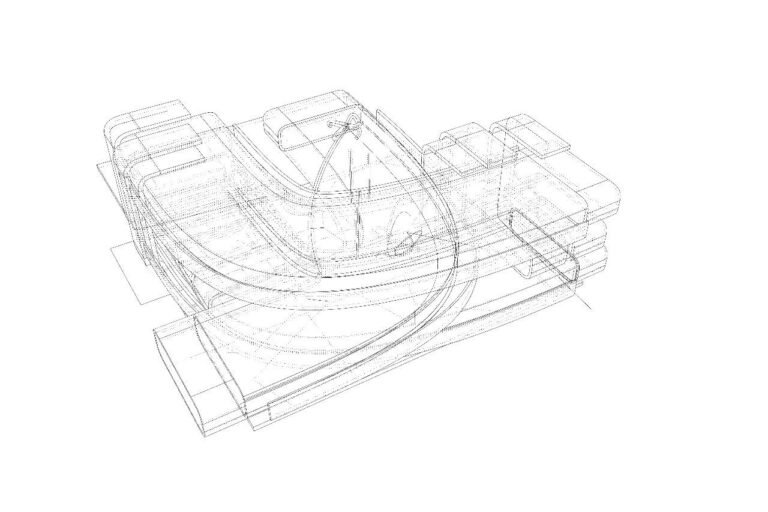
Virtual tours in architecture: what they are, their advantages for presenting homes to buyers and tenants, the tools available and marketing uses.
The importance of healthy buildings for investors and architects: findings of the BGO, UNEP FI and CfAD study on rising demand for measurable health outcomes.
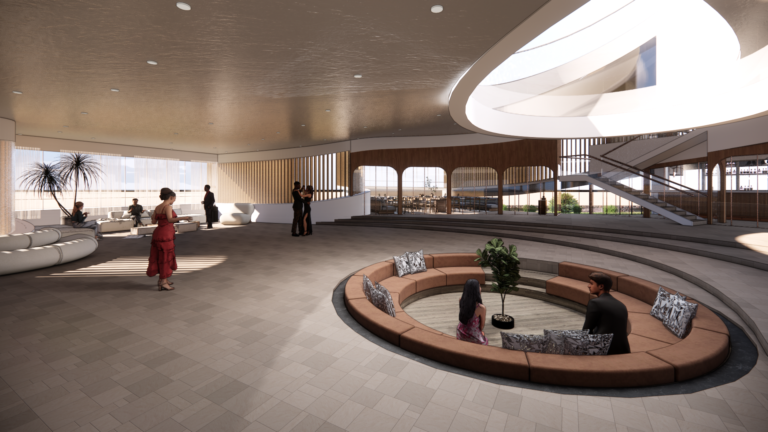
The Nature of Spaces in Architecture: how architects design beyond four walls and a roof, balancing order and chaos to engage sight and the other senses.
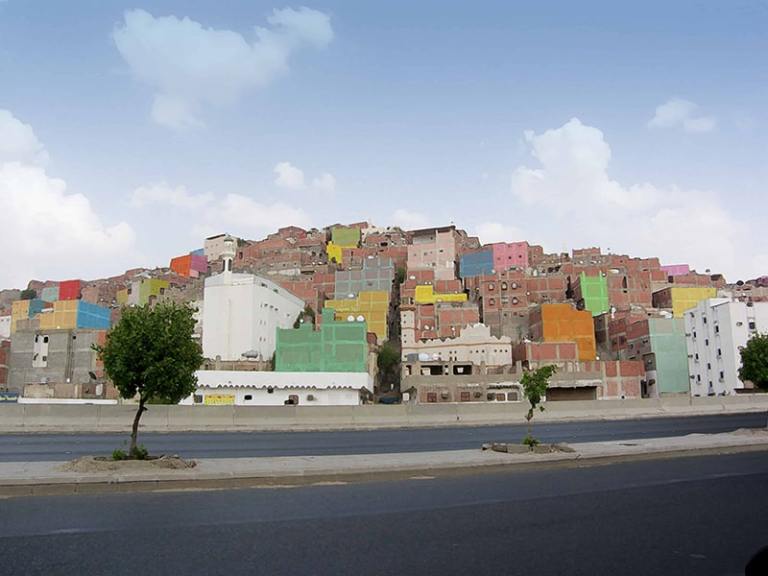
The Influence of Color on Architecture: what red, orange and other hues communicate in a space, and how layout and intensity change the way they are perceived.
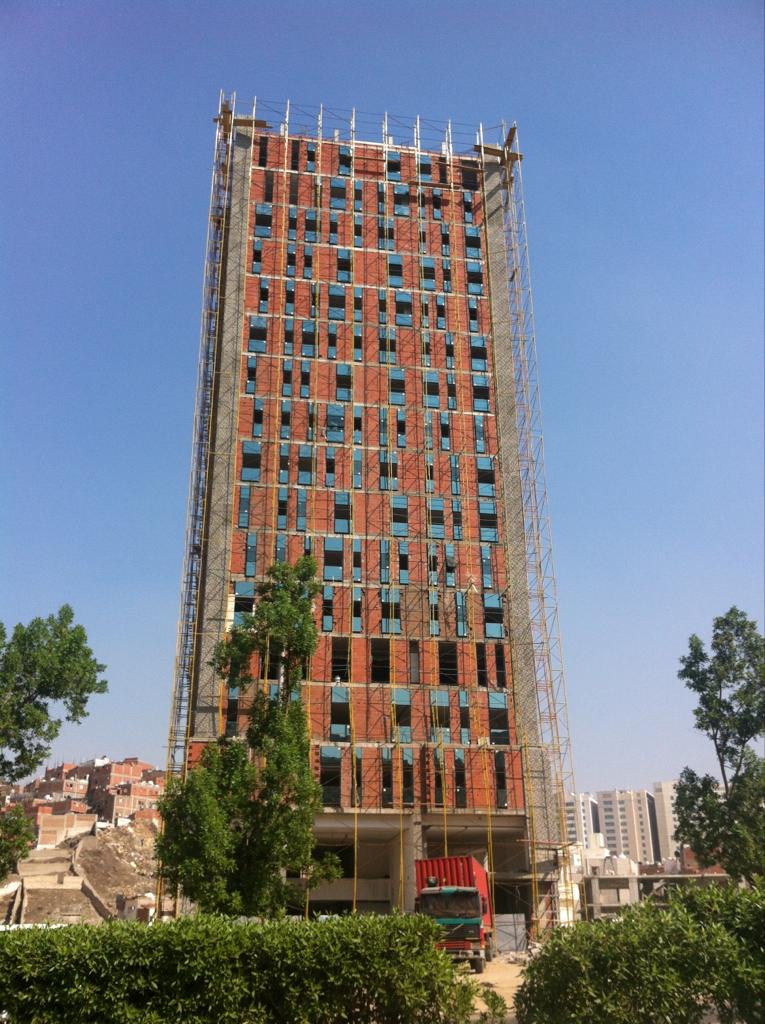
Successful real estate investment after the pandemic: studying strengths and weaknesses, forecasting cash flow and profit, and the factors that shape returns.

Out of the box ideas for choosing furniture colours: draw inspiration from the landscape outside, pull a palette from artwork, and test paint through the day.
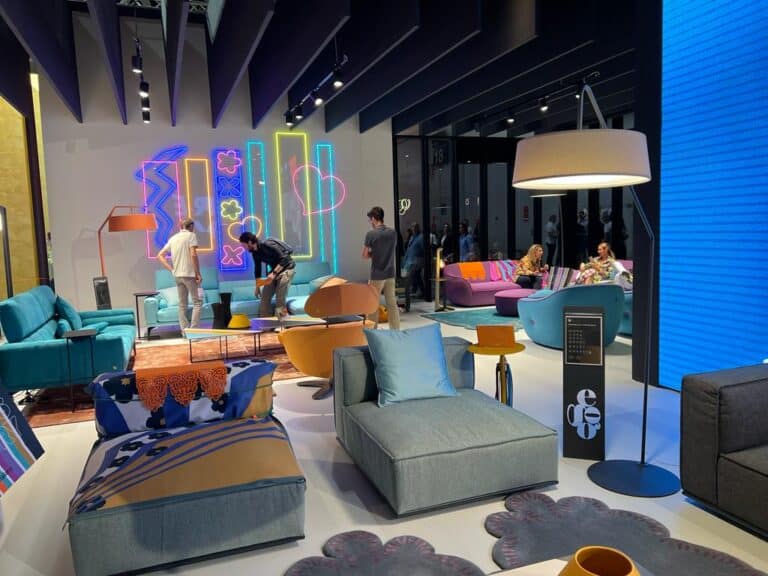
How color flows throughout your home: choose a neutral signature colour, vary accents from room to room, keep floors consistent and relate paint to furniture.

Five difficulties all architects face, part two: bridging generational gaps between baby boomers and millennials, sharing knowledge and managing a practice.
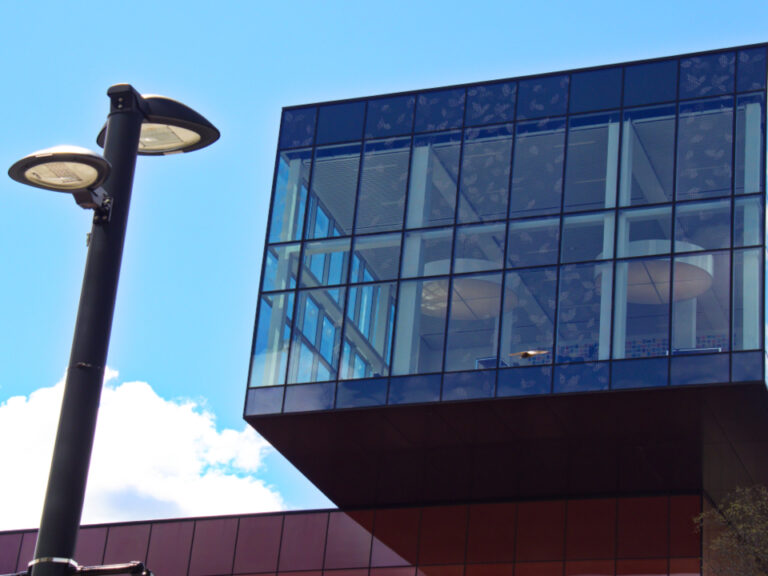
Energy architecture explained: what the term covers, how the World Economic Forum’s performance index rates nations, and the shift from fossil fuels to renewables.
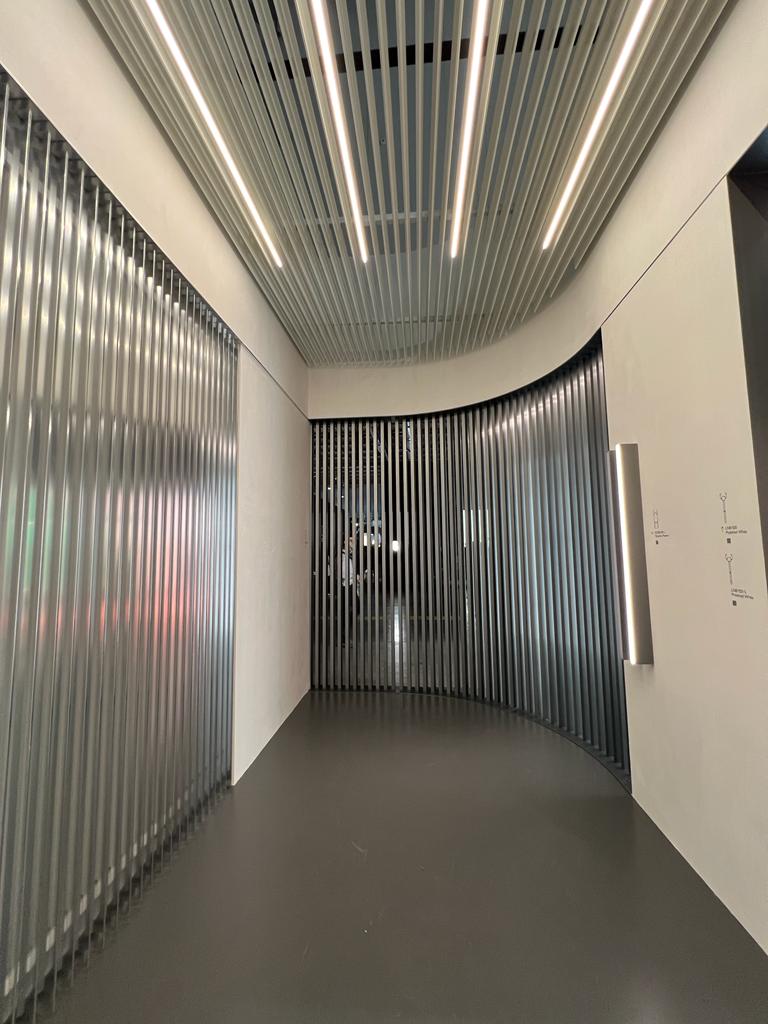
Reconfigure environments with dividers and partitions: how screens define zones indoors and out, in commercial and residential settings, and add dimension.

Net zero energy buildings generate as much energy as they use; this article sets out the fundamentals, design guidelines and tools for efficient NZEB projects.
Dynamic architecture and how it applies to architectural elements: start by defining a measurable purpose, such as cutting solar heat gain, glare or ventilation.
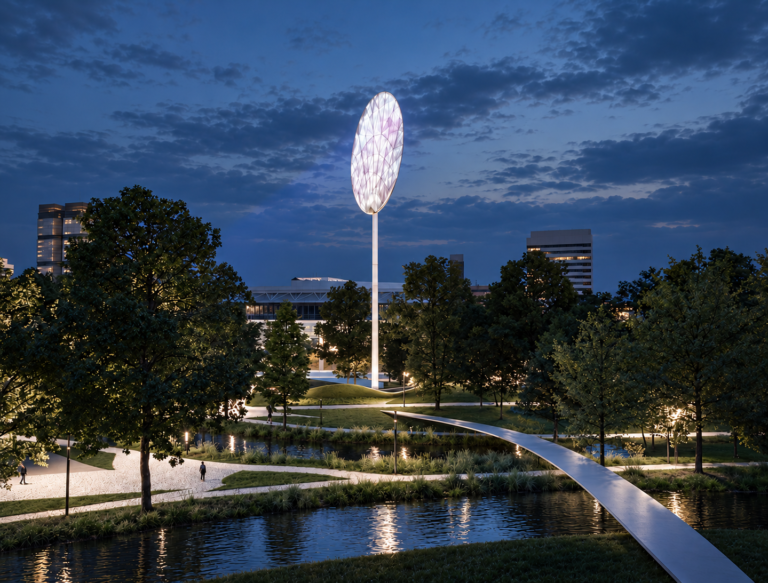
Dynamic architecture as a manifestation of architectural evolution: this article explains the concept of dynamics and the role of imagination in how we live.
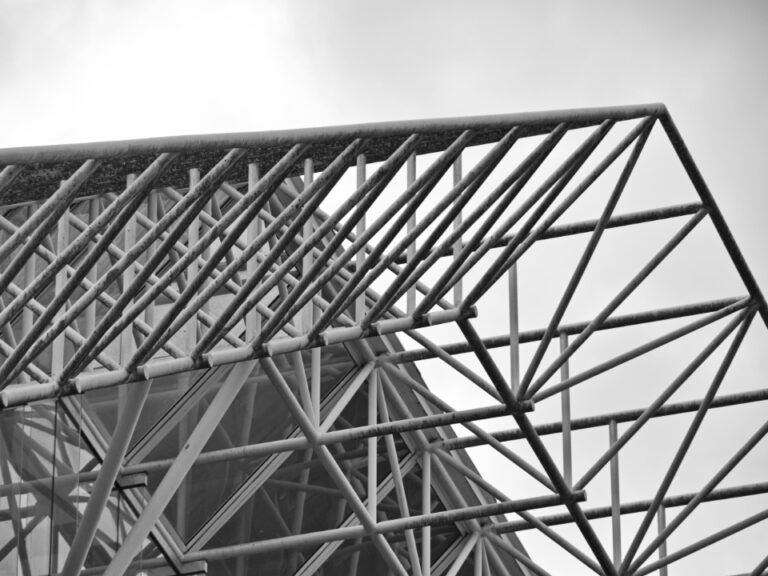
Prefabricated building techniques: five methods modular construction firms use inside the factory, starting with laminated wood wall panels, to raise accuracy.

Portable architecture of the future: from nomadic shelters to today’s temporary structures, this article traces impermanence in built form and its role today.

Using hemp as a green building material: why the fast-growing, pesticide-free crop is gaining ground, and how hempcrete is made from hemp shiv, lime and water.
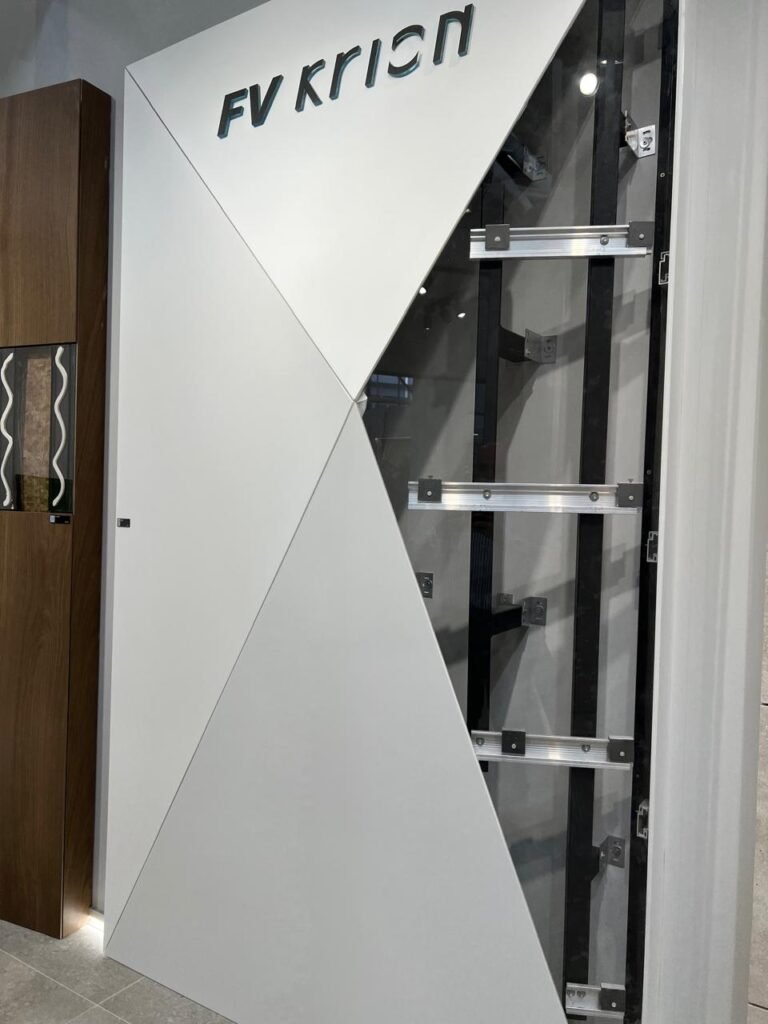
Retrofit existing buildings to improve energy efficiency, lower operating costs and attract tenants; this article covers the process from planning to monitoring.
Social infrastructure explained: what counts as long-term social assets such as housing, hospitals, universities and schools, and how it differs from economic assets.
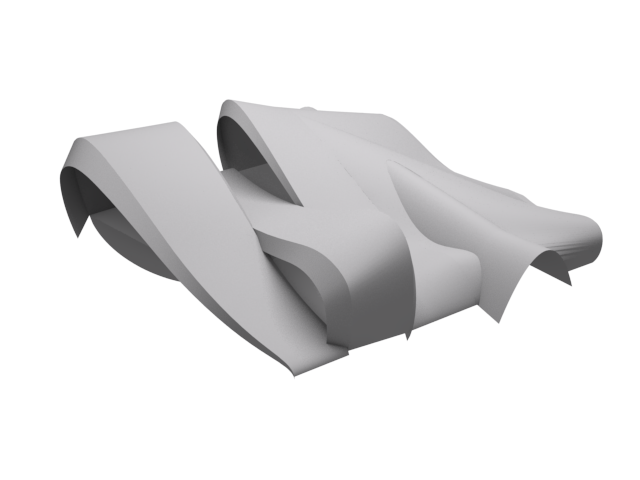
Some examples of dynamic architecture with moving elements: climate-responsive facades, opening roofs, reconfigurable interiors and sun-tracking shading.

Climate change resilience in buildings: five strategies for a sector responsible for 38% of energy-related CO2 emissions, as fires, floods and storms intensify.
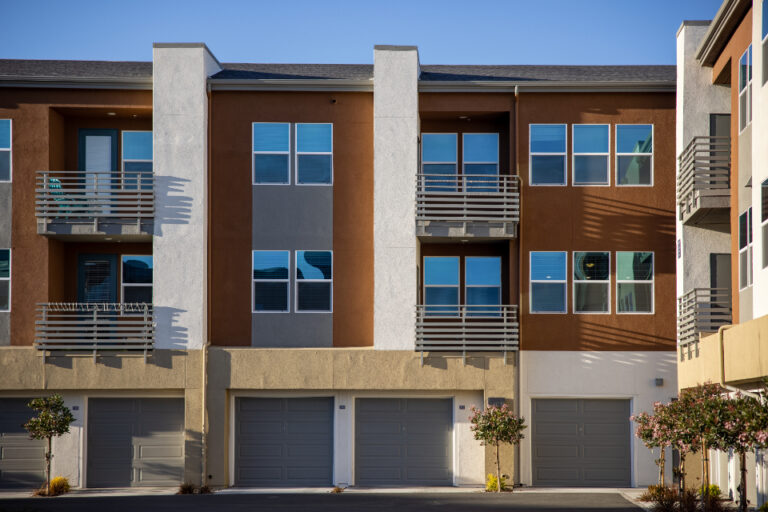
Micro-apartments: what they are, why they are spreading in large cities and the United States, and whether they answer the shortage of affordable urban housing.
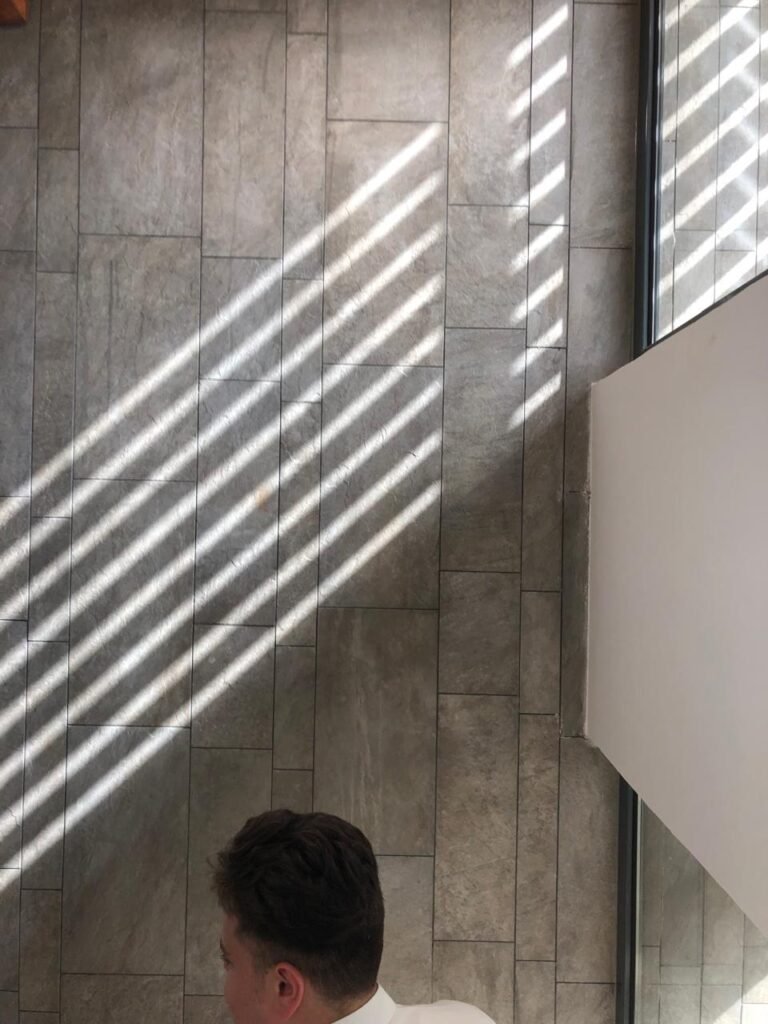
Self-sufficient construction: the top five building technologies, from passive solar design and thermal mass to methods that harness natural processes.
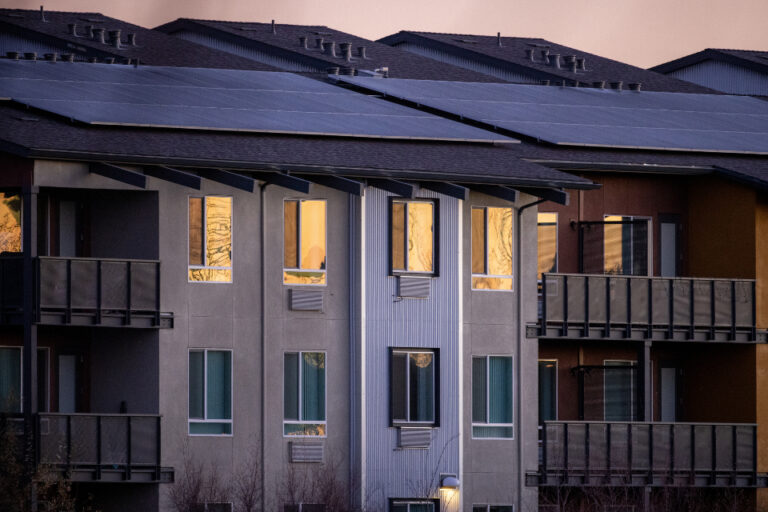
Solar architecture explained: how buildings use the sun’s energy through solar panels, how solar power is produced, and the savings for homes and businesses.
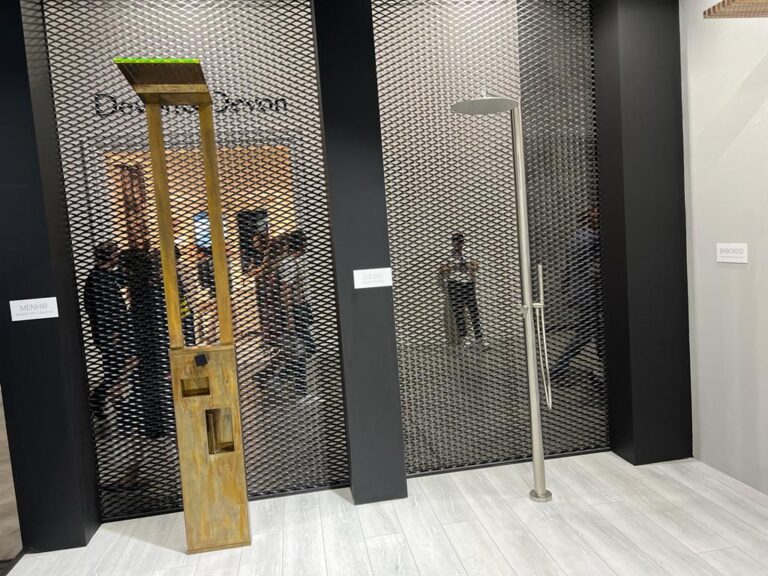
Ideas for designing external consultations, or outdoor showers: contrasting wood and stone, copper fixtures and coastal touches that turn a yard into an oasis.

Five difficulties all architects face: securing steady work and income, promoting quality design over cheap construction, and other pressures on the profession.

Architecture and tourism share a symbiotic relationship: this article explores how monuments attract travellers and how tourism funds heritage preservation.