Risk management and risk response planning
Risk management and risk response planning: how calculated risks reduce the likelihood and size of loss, and how to plan risk activities to suit a project.

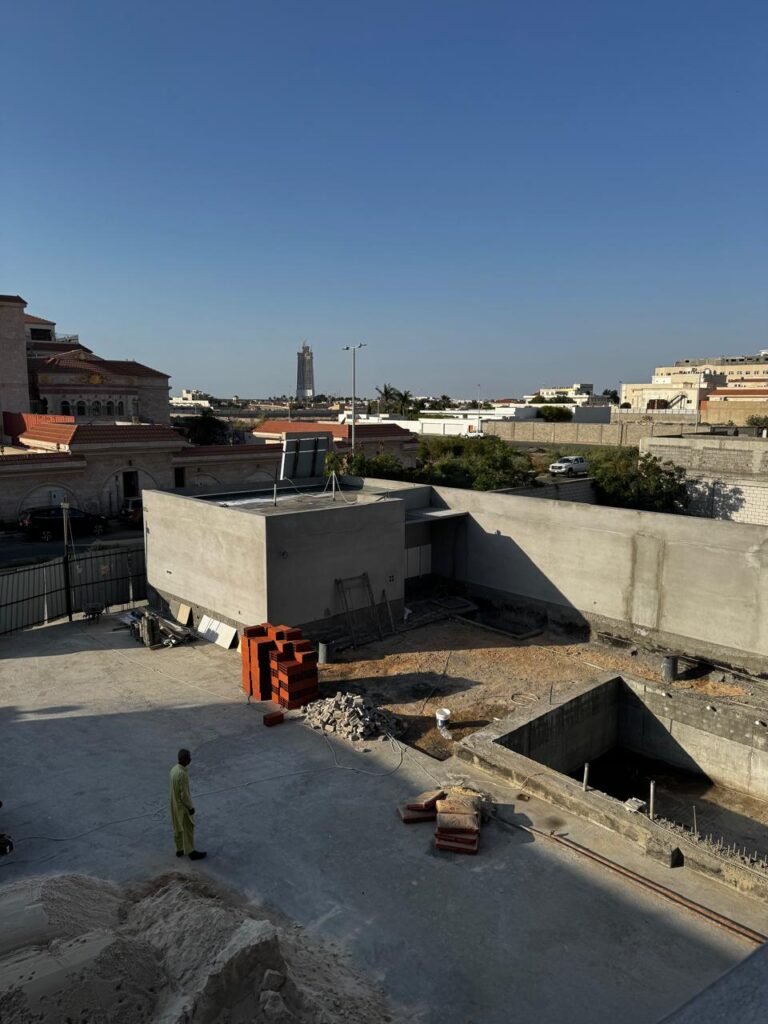
Risk management and risk response planning: how calculated risks reduce the likelihood and size of loss, and how to plan risk activities to suit a project.
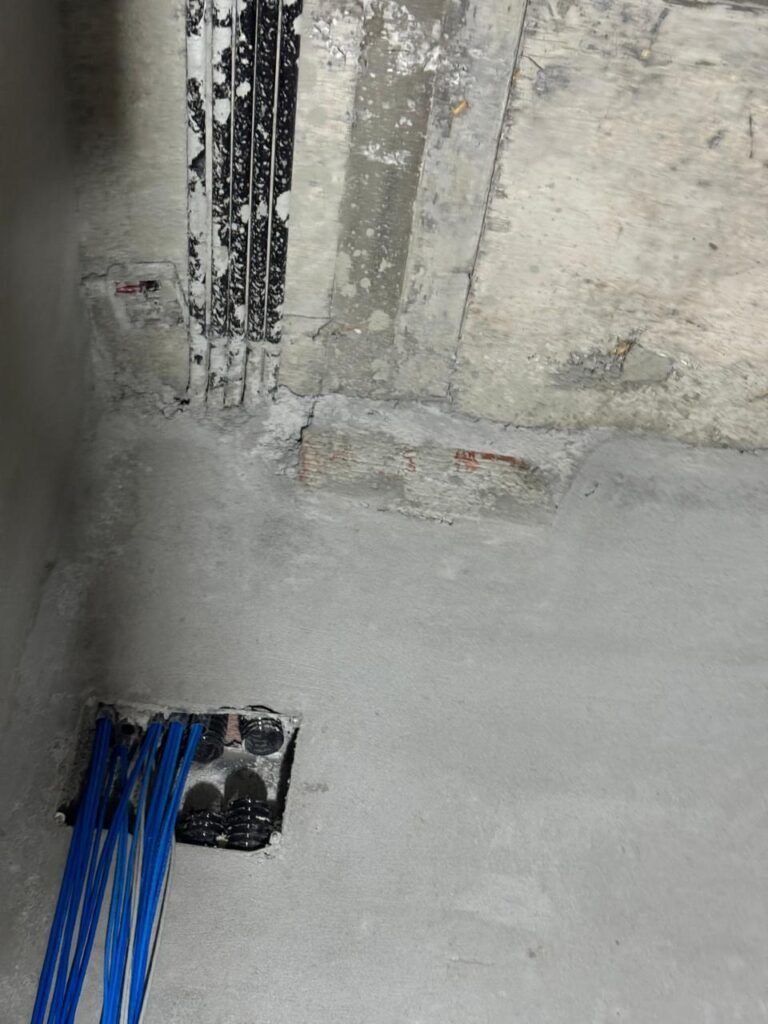
Components of architecture, four essential ones: point, line, plane and volume, and how each builds on the last to form the three-dimensional spaces we inhabit.

Urban planning shapes the places we live, from a single street to an entire new city. We explain what it does, who does it, and how Vision 2030 is driving city making across Saudi Arabia from NEOM to Diriyah.
Lean Production Principles in construction: minimising waste through task-level planning, constraint analysis, PPC and the Last Planner System (LPS) on site.
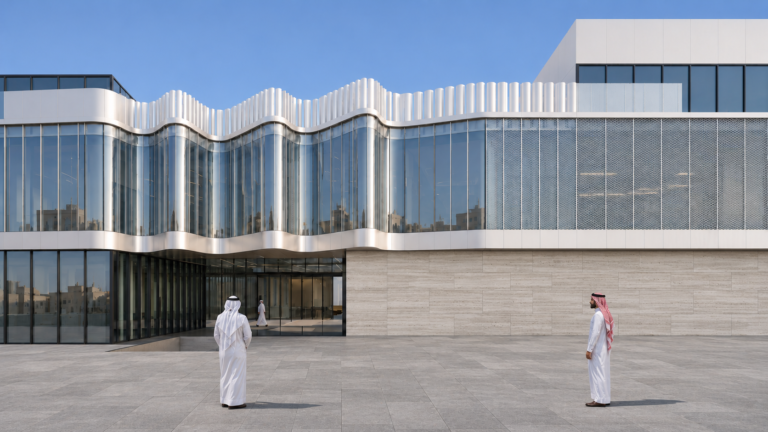
Design and society: how architecture has mirrored the values, triumphs and decline of civilisations, and what the built environment reveals about its makers.
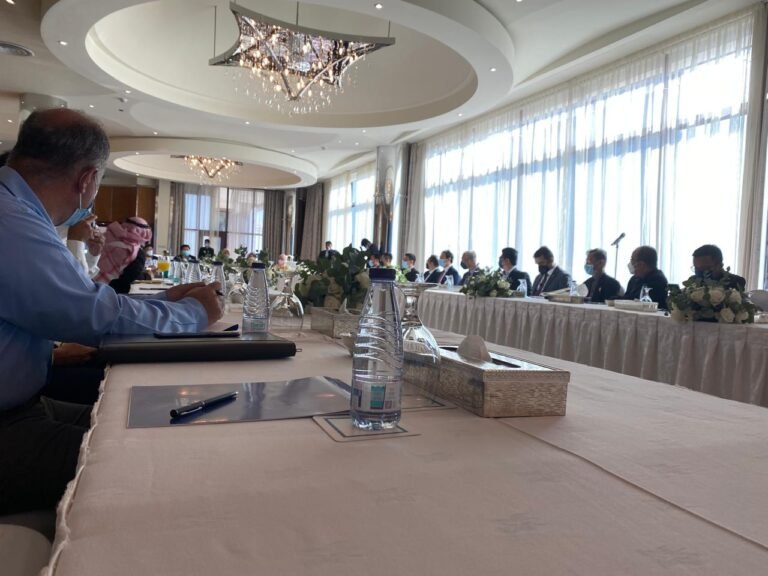
Construction of a traditional organisational structure: how hierarchical authority and defined roles compare with modern, decentralised models of work.

A practical framework for assessing, repairing and adapting Saudi Arabia’s modern and postmodern buildings, with the Hajj Terminal as a documented case.

New Objectivity in Architecture and Engineering: the Neue Sachlichkeit movement of 1920s and 1930s German-speaking Europe, from the Werkbund to Neues Bauen.
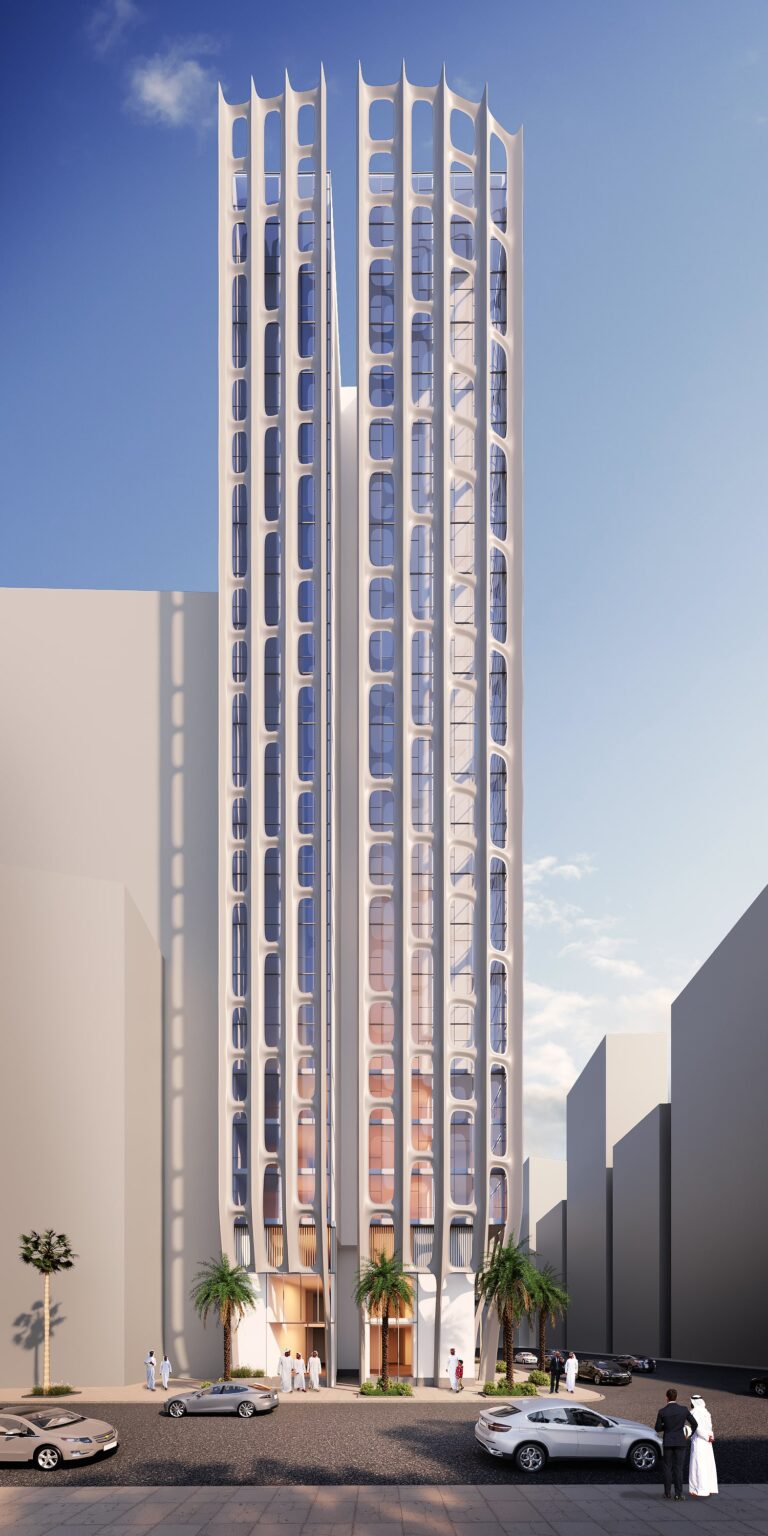
Realism in architecture: how it answered the subjectivity of romanticism, subordinated form to function, and differed from classicism in shaping mass.

Modern architecture in Saudi Arabia: its schools and styles based on simplified forms, the criticism it faced locally, and its role in global dialogue.
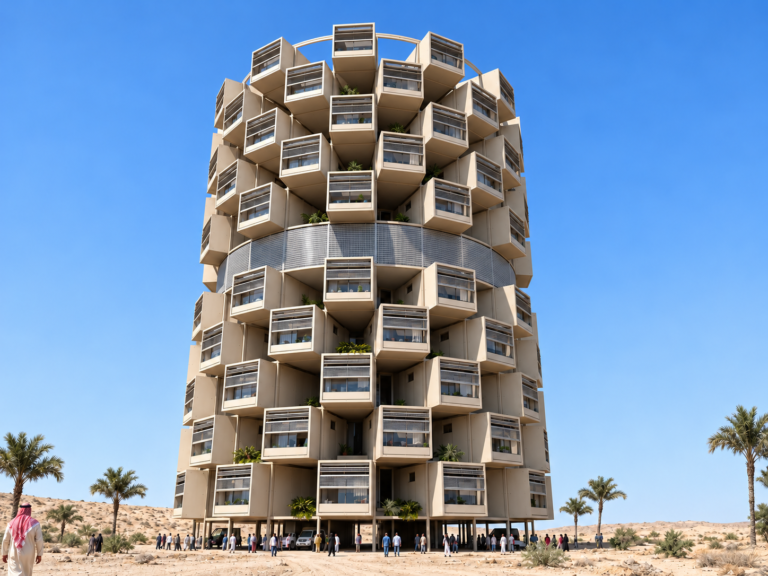
Architectural innovations in Saudi Arabia, from the Makkah Clock Tower and Kingdom Tower to KAPSARC, reflect the creativity and future of Saudi architecture.

Five persistent myths obscure the architect’s work. This essay clears them away, revealing a profession that is broader, more technical, and more intellectual than its popular image, and explaining what architects actually do.
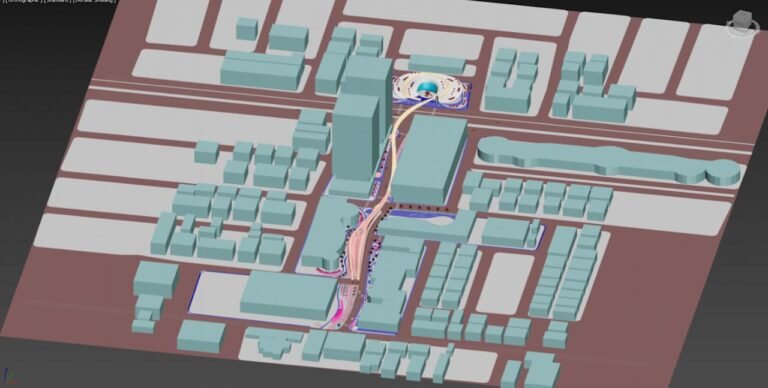
No two commissions are alike, yet managing projects brings the same recurring pressures: coordinating a team, understanding clients, holding time and budget, and carrying a strong design all the way to well built reality.
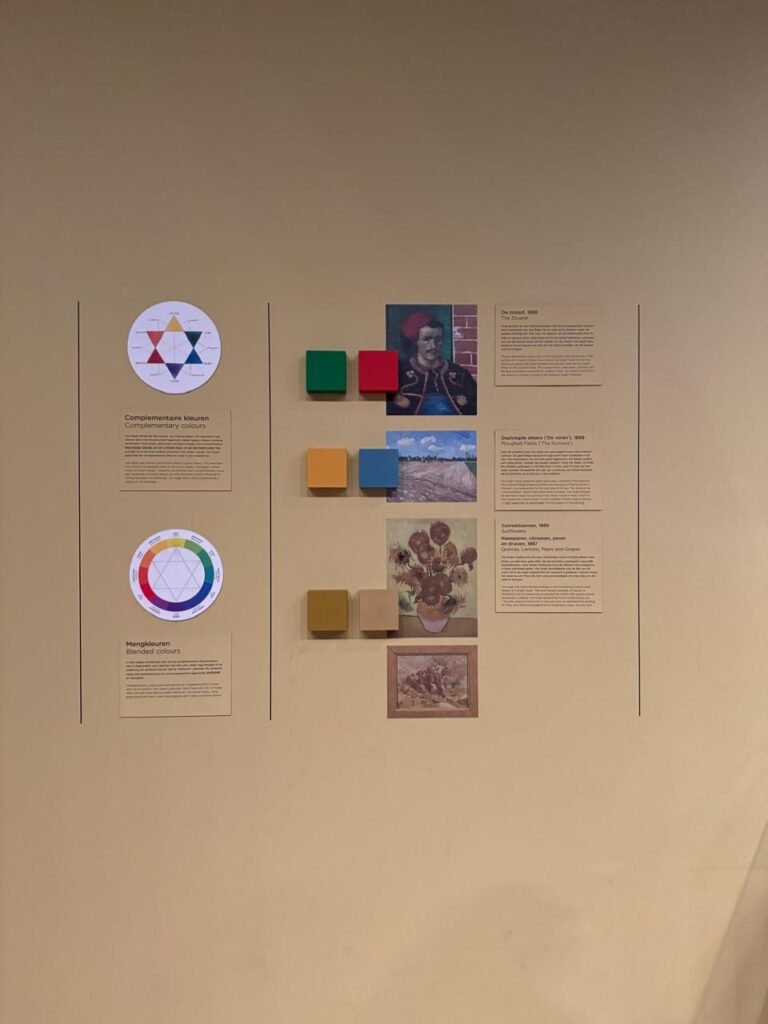
Free illustrations and lessons about design for all ages: how children and students learn maths, history, geography and art by planning and building structures.

Engineering is the invisible discipline behind daily life, from bridges and aircraft to the water and power systems a society quietly depends on each day.
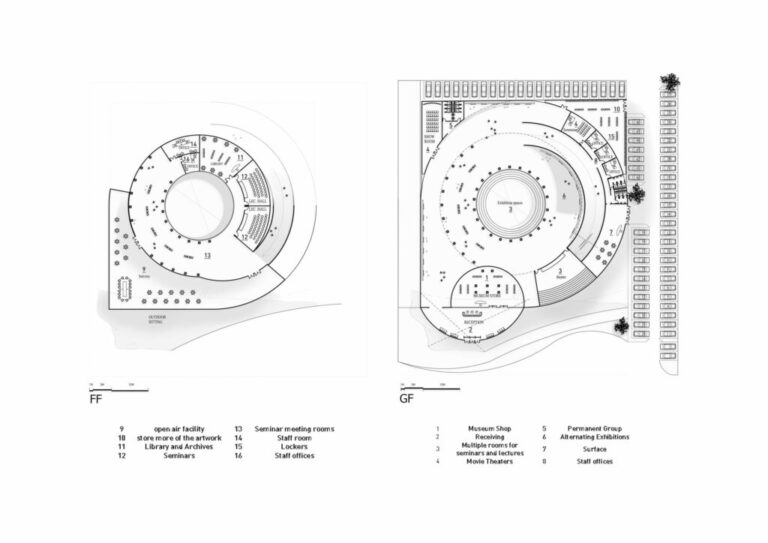
The study of planning: how a building’s configuration, beginning with ceiling height, influences the way occupants think, feel and behave inside it.
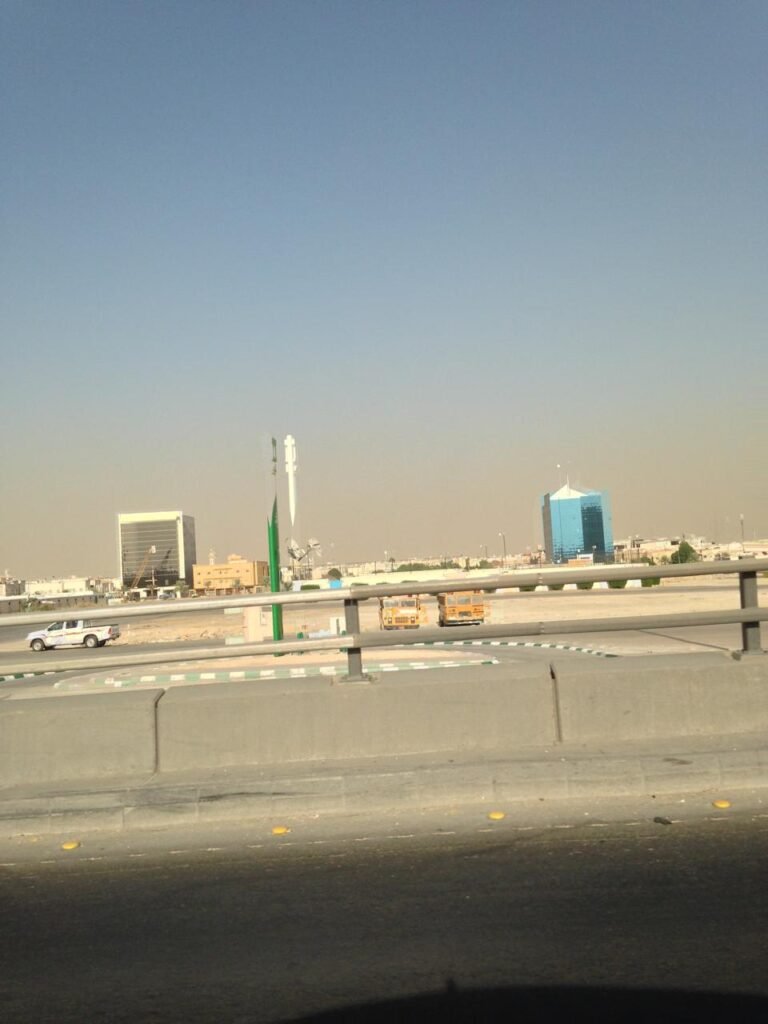
Metropolitan organizers and designers compared: architects plan buildings, planners decide where they go, and both shape how a local area looks and works.

What separates a mere building from architecture is the presence of art, the judgement that governs form, structure and light long after the engineering is settled.

Every building is heard as well as seen. We explore sonic design and acoustics in architecture, from Sabine and the great concert halls to Xenakis and the mosque, and why sound has become a strategic concern across the Gulf.
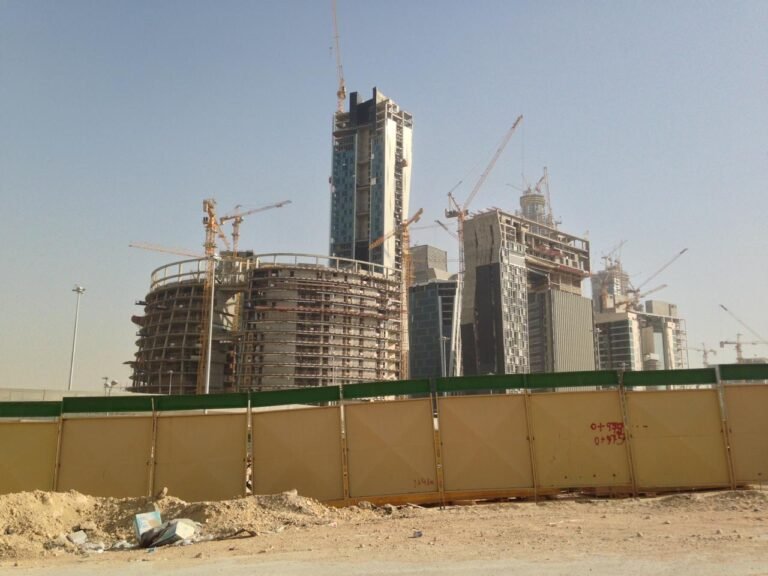
How does architecture impact the economy? Land value, tourism and development: how architecture drives regional growth and signals economic change.

Design concepts in architecture: why a strong concept matters and three tips, beginning with reading books, for finding the idea behind your design.
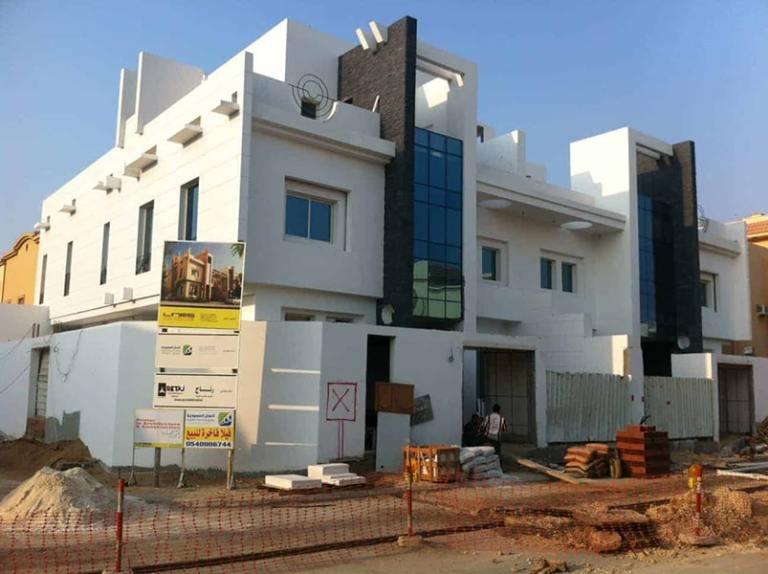
Small homes can feel larger: eight design tips, from connecting spaces while defining them to choosing ceiling heights, that make compact houses feel open.
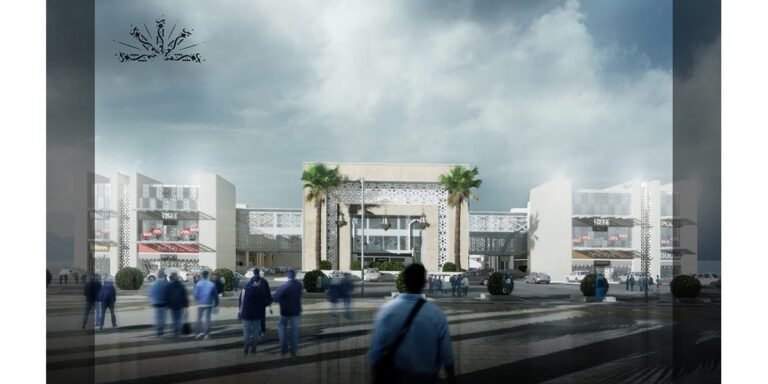
Architecture is more than shelter. It records a community’s climate, materials and values, and in turn shapes how a society lives, gathers and sees itself.
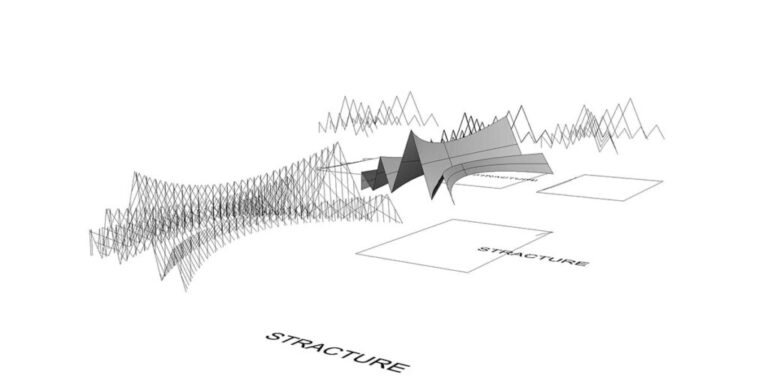
Architectural sketching can be improved with three techniques, starting with the Hit-Go-Hit method, that help architects draw and communicate ideas.

Architecture offers six design lessons: designing in context, architecture as narrative, and principles that apply to interaction design and other fields.
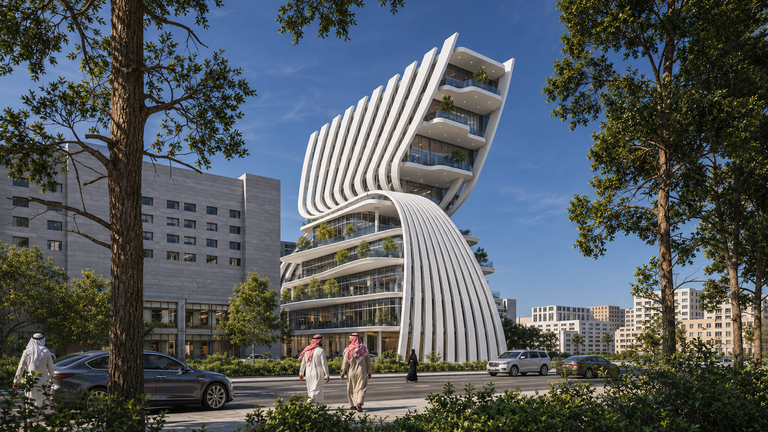
Future of architecture: four trends, from virtual reality and 3D printing to new algorithms, that are changing how architects design and build structures.
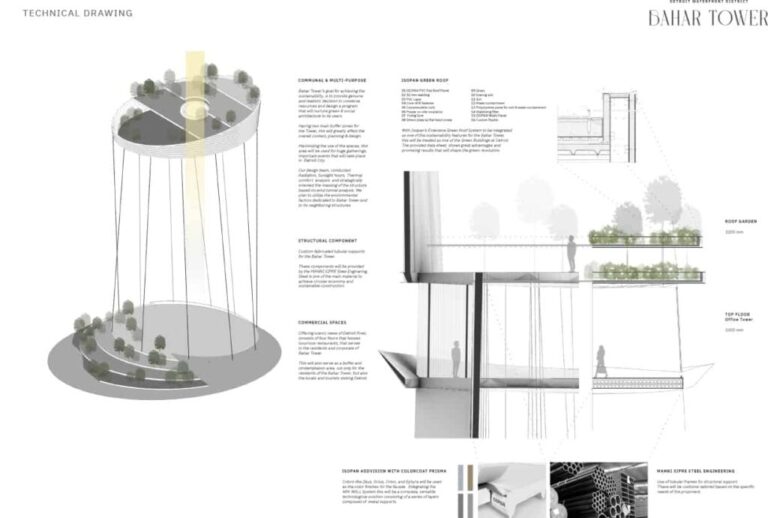
Architecture school teaches far more than design. The real inheritance is resilience under critique, time judgment under pressure, and the art of persuasion.

Architectural design begins with key points: defining the building program, analysing the site and gathering the information needed before design starts.

Architects change the way we live in five ways: leaving lasting landmarks, shaping the spaces of daily life, and influencing people and the planet for good.
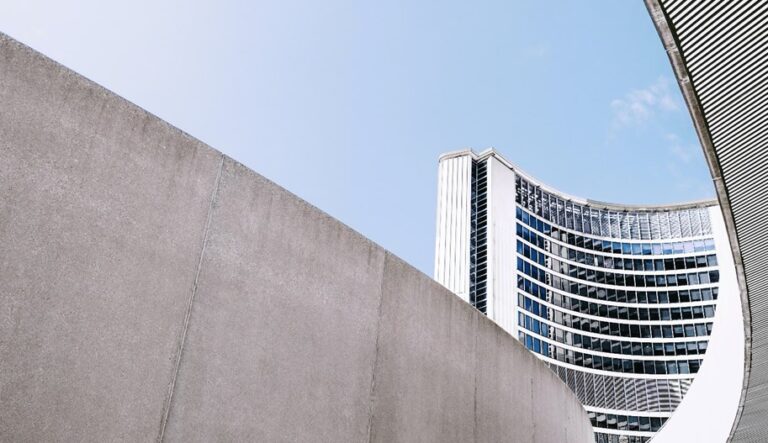
Development of a custom architectural style as a feature of the project: what defines a style, its elements, and how to brief your architect from the start.