Why Architecture Matters in Our Lives
Civic architecture has returned to the heart of public life. A look at why buildings of consequence still shape how societies see themselves and behave.

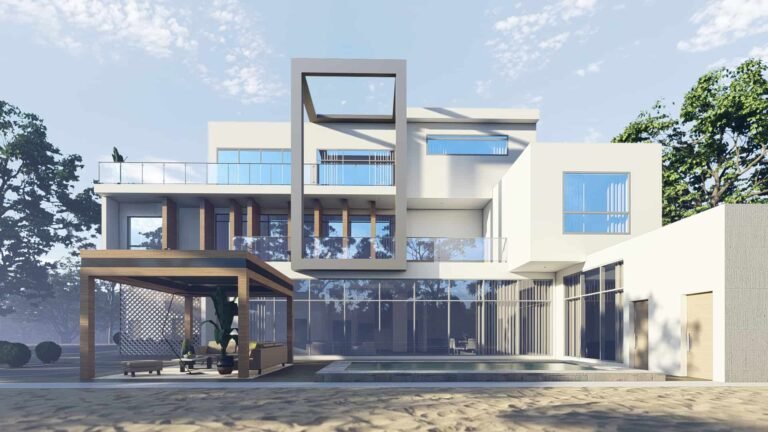
Civic architecture has returned to the heart of public life. A look at why buildings of consequence still shape how societies see themselves and behave.
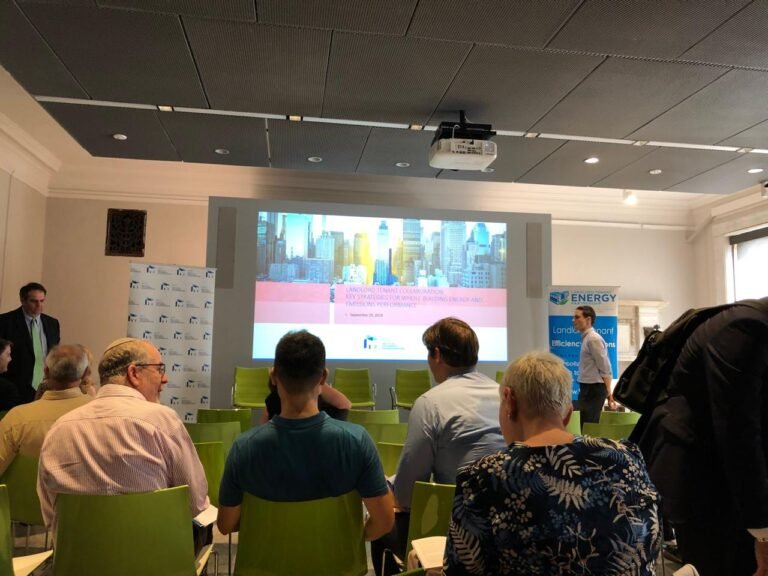
Study architecture for six reasons: a degree that blends arts and sciences, diverse skills, and a profession with growing numbers of licensed graduates.
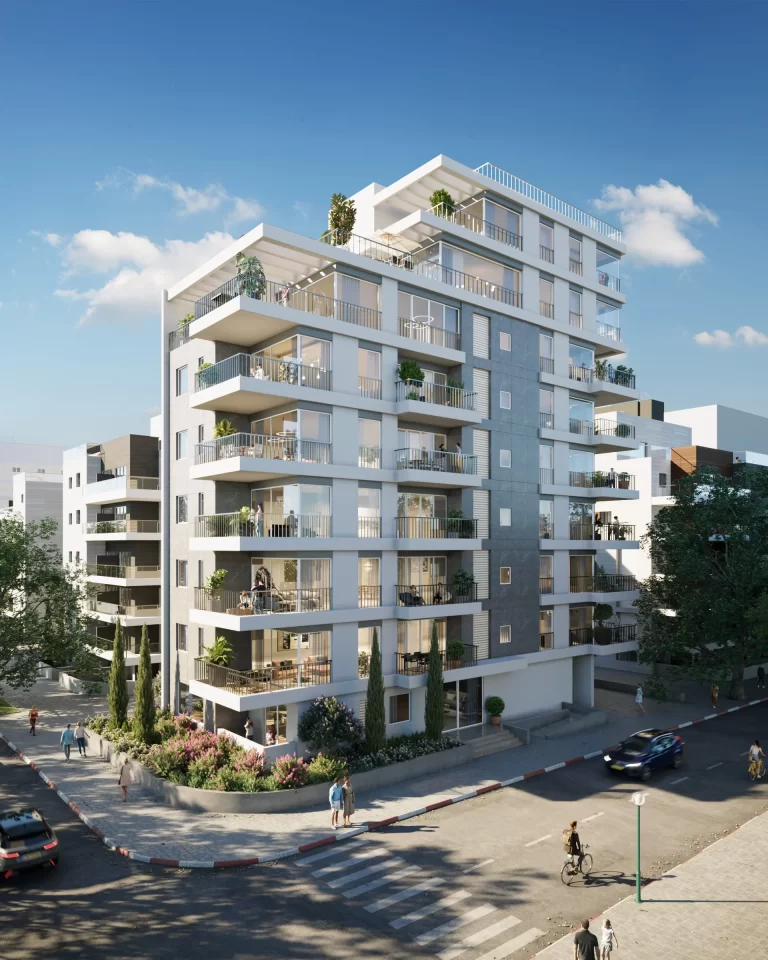
How does architecture affect society? From monuments to everyday buildings, how the built environment reflects values and shapes the people who live in it.
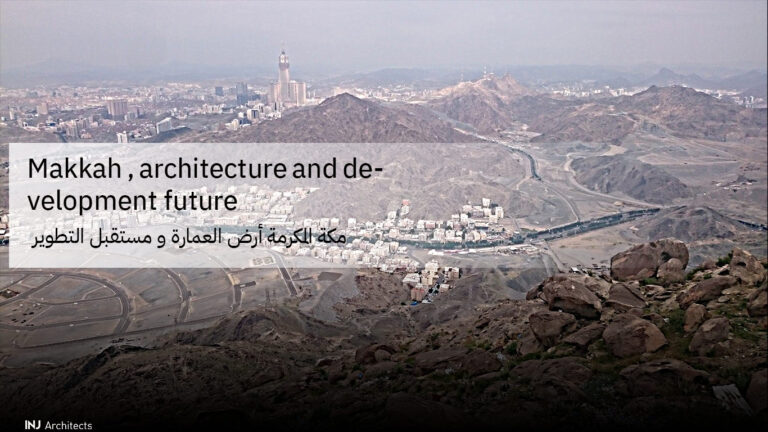
An architectural reading of Makkah’s urban transformation, connecting capacity with pedestrian movement, topography, climate, operations and spatial continuity.
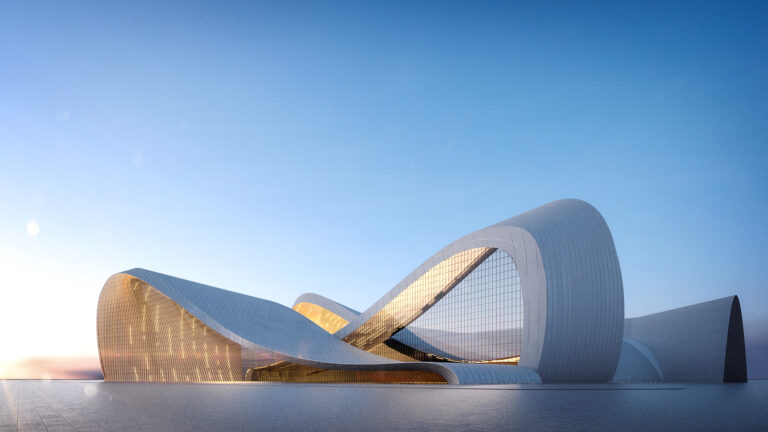
Five trends leading to the rise of data in the AECO industry, from devices onward, and how architects, engineers, contractors and operators use that data.
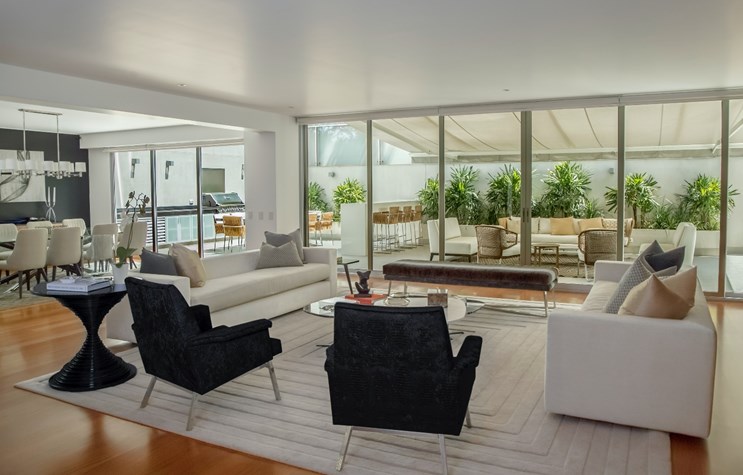
Right architectural design and healthy living: the architect’s responsibility to the community and how holistic design supports a healthier lifestyle.
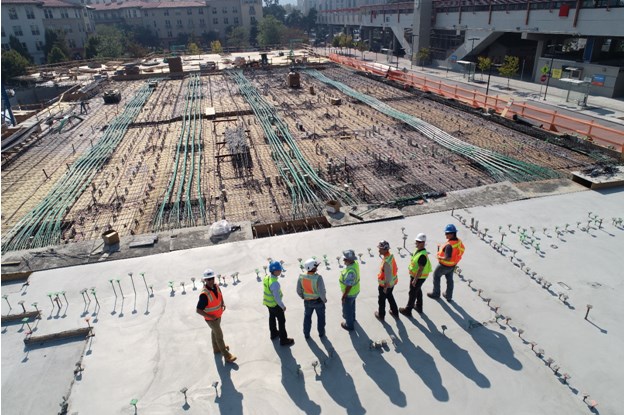
Site analysis before architectural design: how climatic, historical, geographical and social analysis of the site informs the project from the very start.

All you need to know about architecture: its definition as an engineering art, its origins in early human shelter, and how heritage and culture shape it.
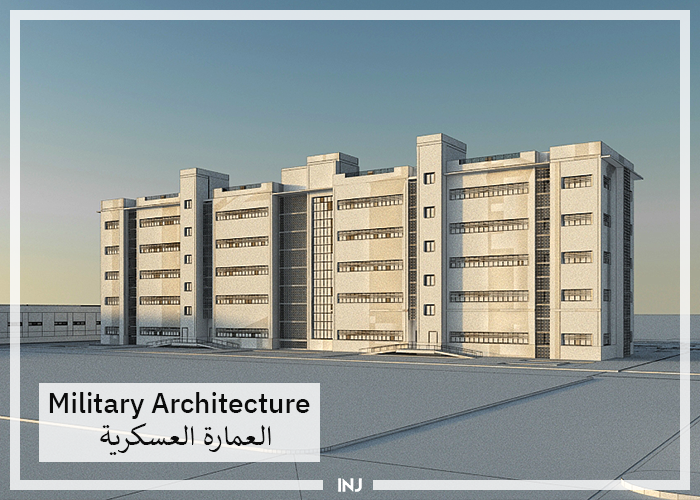
Military architecture is the design of fortifications to defend territory and protect people; this article covers its definition, elements and basic principles.

Architecture on Mars: the conditions that shape building on the Red Planet, from radiation and gravity to the considerations behind permanent human habitats.
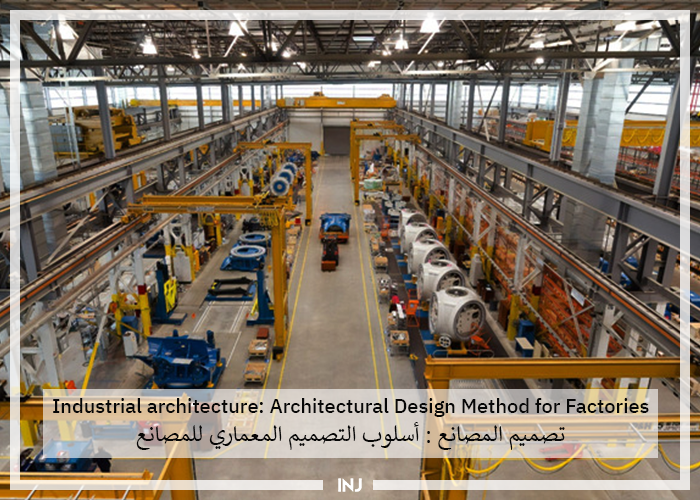
Industrial architecture: an architectural design method for factories that starts from the production process, covering flows, safety, services and change.

Why is digital technology essential in architecture? How digital tools help architects visualise, evaluate and refine designs before construction begins.
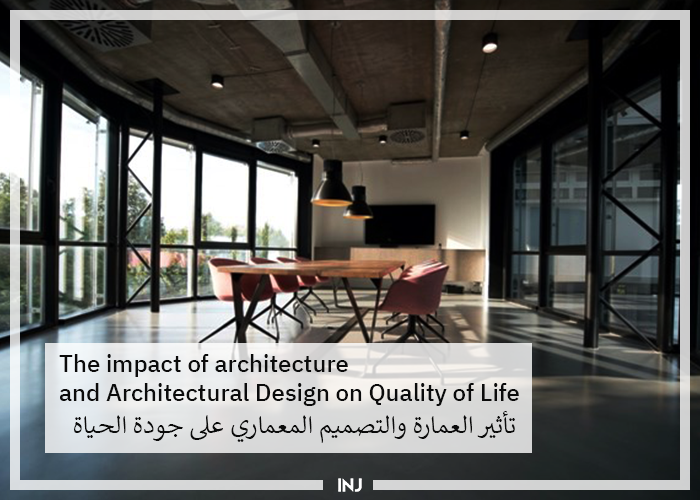
Impact of architecture on quality of life: how architectural design affects mood, behaviour and comfort, and why a well planned space improves daily living.

Correct architectural design prevents maintenance: the planning phases, starting with architectural programming, that balance aesthetics and practicality.

Ten of the most popular architectural home styles, summarised with their common characteristics, to help you narrow down the right style for your home.
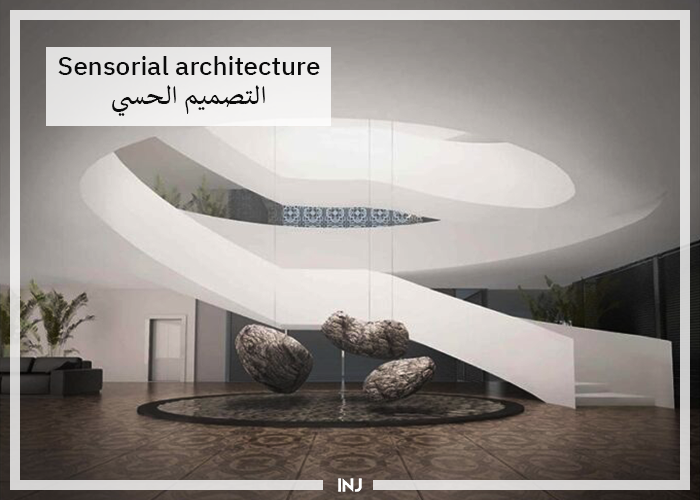
Sensorial architecture: how the five senses shape the experience of space, and why multi-sensory design matters more than visual appearance alone to users.
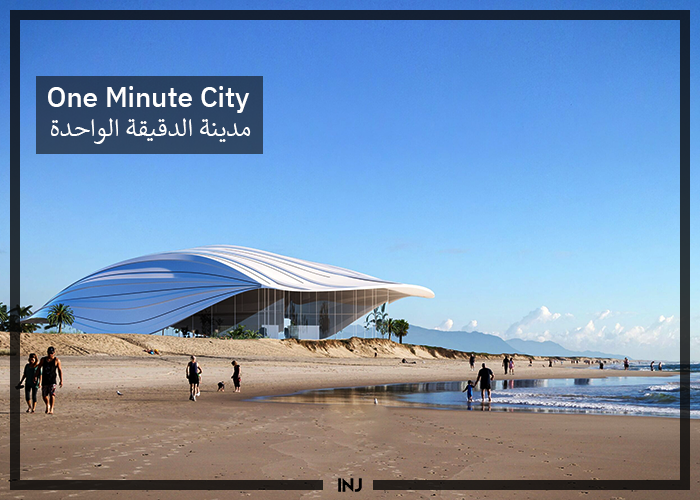
One minute city explained: an experimental civic model born during the pandemic, where residents reshape the street outside their door into shared space.
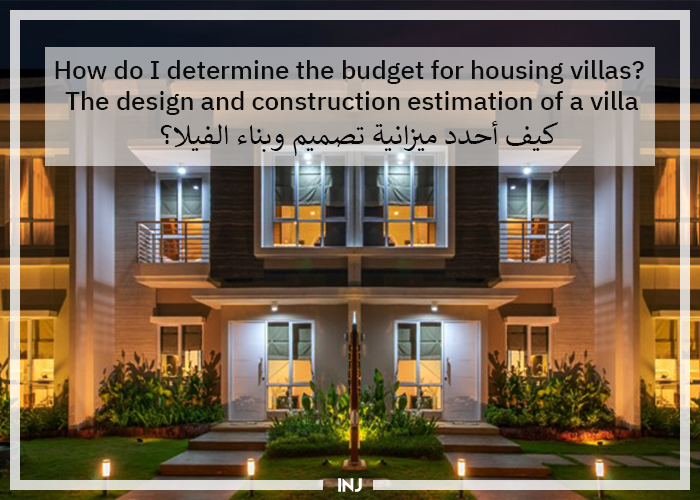
Budget housing villa guide: how to estimate the cost of designing and building a villa, from architect and expert fees to construction expenses.
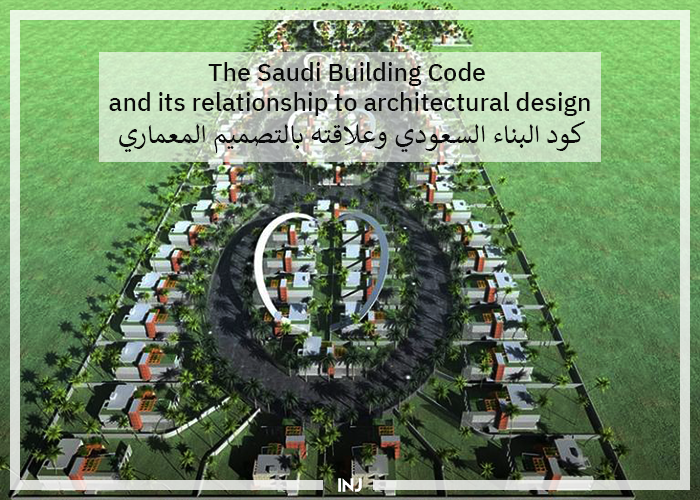
The Saudi Building Code and its relationship to architectural design: what adoption means for residential projects, from a firm qualified since 2014.

Inside the mind of an architect: the traits that make a good architect, from logical and mathematical thinking to creativity and the art of skill.

Sun and architecture: how solar analysis shapes building design, from shading in hot climates to capturing heat in cold ones, and why orientation matters.
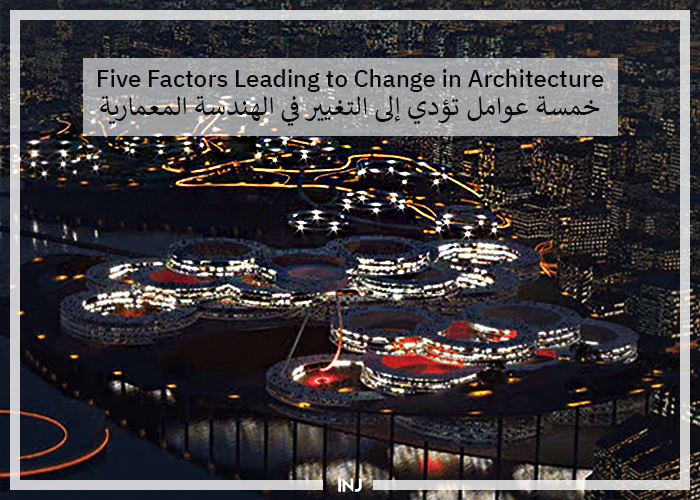
Five factors leading to change in architecture, starting with technology: how each force reshaped the industry and continues to alter how architects work.
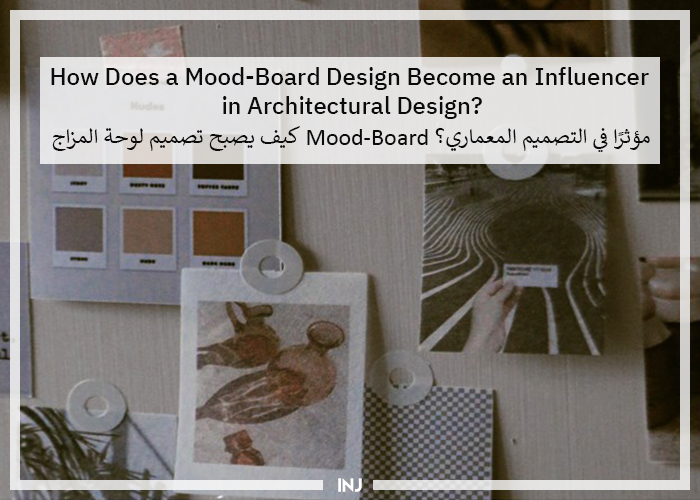
Mood board design in architecture: what a mood board is, its physical and digital types, and how it shapes a project before the design is fully developed.
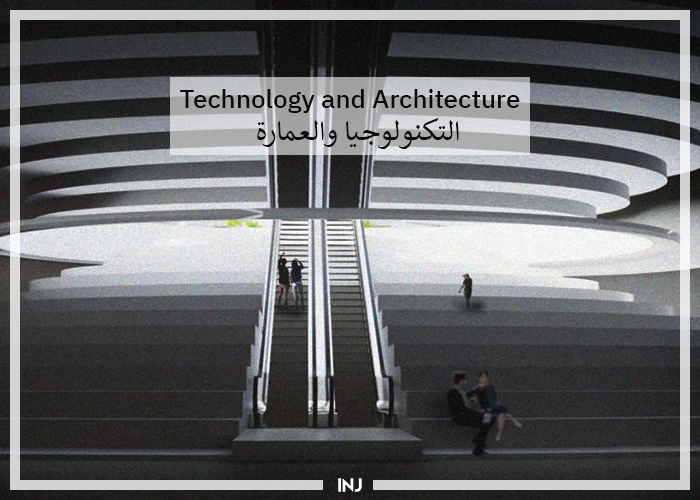
Technology and architecture: how advanced technology is changing architectural and interior design, the ideas it makes possible and its impact on practice.

Architectural design for museums in five steps: from the basic factors of museum planning to the features a museum needs to convey its message to visitors.

Choose architectural applications by task: site records, sketching, model communication and project management, with checks for support and data access.
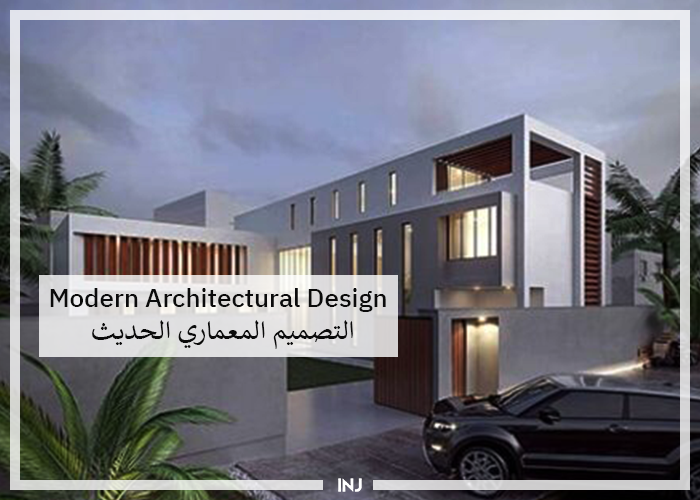
Modern architectural design: its standards and characteristics, from simplicity and functionality to exposed steel, glass and wood, and its origins.
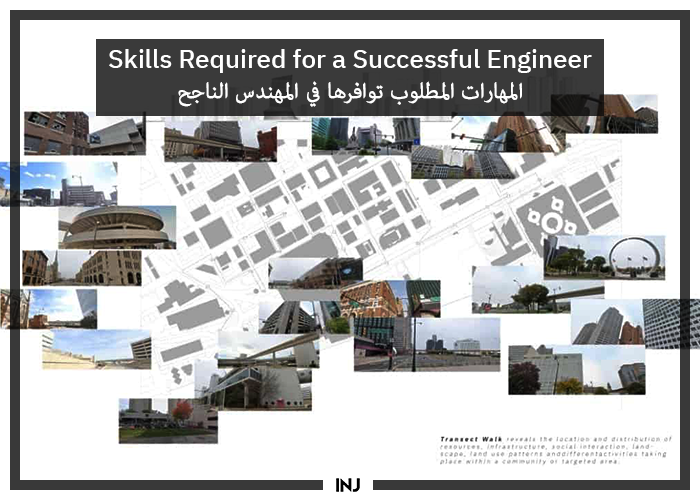
Architectural skill becomes visible in decisions others can understand and build. Listening, design judgement and coordination connect ideas to delivery.
Economic viability depends on the purpose of the building and its costs over time. A low initial price or an impressive façade cannot settle the question.
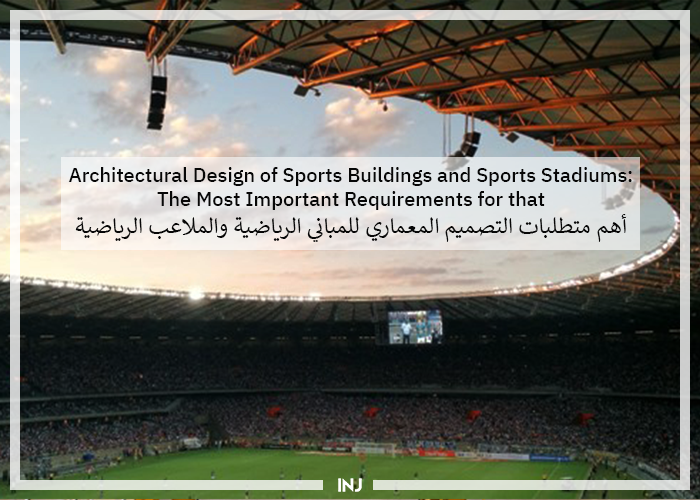
Architectural design of sports buildings and sports stadiums: the most important requirements, starting with selecting the right architect for the project.