Architect Skills: From Listening to Coordinated Drawings
Architect skills become visible when a proposal has to survive a real constraint. A client changes a requirement, an engineer identifies a conflict, or a contractor cannot understand a junction. The quality of the response depends on more than drawing ability: it requires listening, judgement, technical knowledge and a clear record of the decision.
These abilities develop together. A carefully drawn detail can still fail if it answers the wrong brief. A persuasive presentation can conceal an unresolved problem. Professional development therefore needs examples of work that can be reviewed, rather than a collection of reassuring labels on a CV.
Listening and communication: make the brief usable
Active listening means checking what a request is intended to achieve. When a client asks for a larger room, the underlying issue may be a furniture arrangement, a gathering pattern or inadequate storage. Clarifying the activity can reveal more than simply adding area.
Restate the agreed requirement in plain language and distinguish it from an assumption. Then explain the alternatives through drawings, models and a short account of the consequences. Communication succeeds when the recipient can make an informed decision, not merely when a presentation sounds confident.
The sequence in How We Work illustrates why requirements need to remain traceable as a design develops. A decision made in an early meeting should not disappear when information passes to another person or discipline.
Creativity and critical thinking: develop and test alternatives
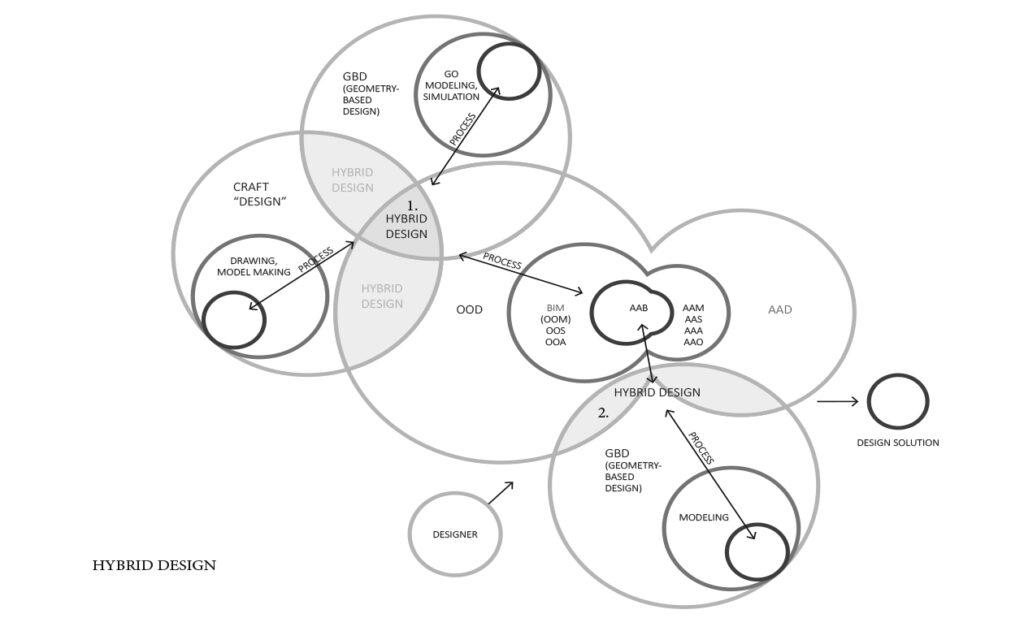
Creativity is useful when it opens a workable possibility. A change in section might improve light without expanding the footprint; a different circulation arrangement might protect privacy without adding a corridor. The proposal still needs testing against the brief and its physical conditions.
Critical thinking involves asking what evidence supports a choice and what might contradict it. Compare alternatives using the same assumptions. Separate a personal preference from a project requirement, and identify what remains uncertain. A convincing drawing is a hypothesis about a future building until the relevant questions have been tested.
Studying architectural history and current work helps expand the range of possible answers. Look at the reasons behind a precedent: its climate, programme, construction system and social setting. Copying a visible feature without understanding those conditions is a weak substitute for learning from it.
Technical literacy and attention to detail
Architects need enough knowledge of structure, services and materials to recognise how decisions interact. This does not make one person the designer of every engineering system. Understanding the responsibilities of architects and engineers helps a team ask the right specialist the right question at the right time.
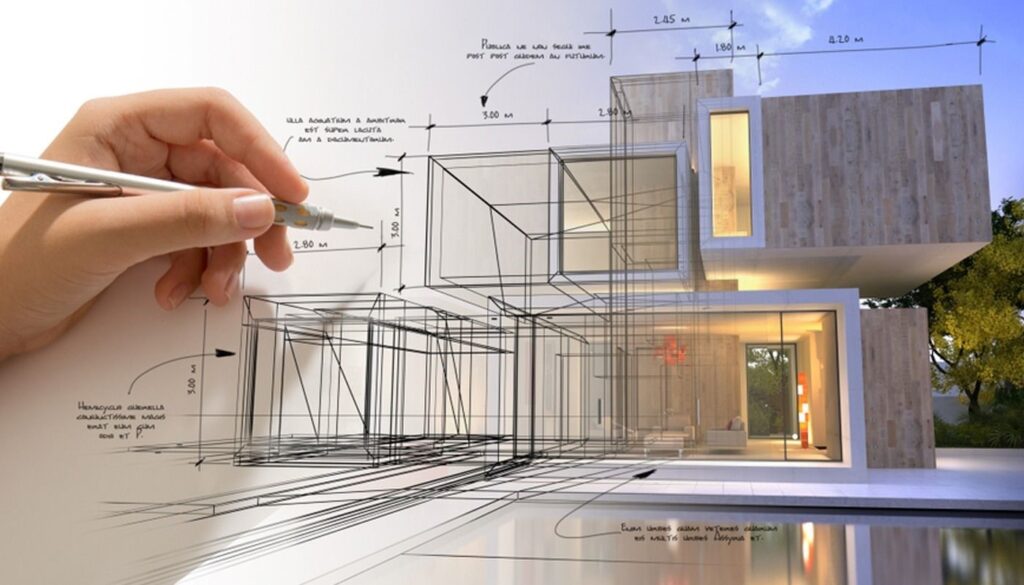
A window detail, for example, connects geometry, support, weather protection, tolerances, finish and access for maintenance. Drawing those layers coherently is more useful than adding detail for its own sake. The drawing and the written specification should describe the same intended result.
Environmental judgement belongs in this technical literacy. The sustainability of design choices depends on climate, material use, operation and service life. An architect should be able to explain the assumptions behind a proposed solution and recognise when specialist analysis is required.
Organisation and deadlines: plan the dependencies
A deadline is rarely an isolated date. A coordinated drawing may depend on a structural decision, equipment information and client approval. Plan these dependencies, reserve time for checking, and tell the team early when missing information puts an issue date at risk.
Time management also means distinguishing an urgent message from a decision that controls the project. Record what is required, who owns the response and what work depends on it. Applications for architects can support that process, but a task board cannot resolve an unclear responsibility.
Within construction project management, a clear distinction between work in progress and issued information reduces confusion. File names, revision records and issue status are practical professional skills because other people rely on them to act.
Teamwork: close the loop on a problem
Good collaboration goes beyond attending a coordination meeting. Record the conflict, agree the responsible person and the required response, then check that the accepted solution appears in the affected drawings. An answer in an email is not enough if the issued documents still contradict it.
Disagreement can be useful when it reveals a missing assumption. Explain the design reason for a proposal and listen to the technical or operational concern. The aim is a decision that can be understood and implemented by the whole team.
Learning and experience: review the outcome
Courses and software exercises can develop a specific skill, but experience becomes valuable through feedback. Compare an intended detail with its construction, ask how the operator uses a system and examine why a drawing required clarification. Supervised responsibility can reveal gaps that another certificate may not expose.
There is no fixed number of hours after which an architect has mastered a tool or a professional skill. Set a concrete learning task, obtain review and apply the lesson to the next project. A useful portfolio records the problem, the decision and the result, while acknowledging the contributions of others.
From a list of skills to dependable practice
The practical test is whether another person can understand, check and use the architect’s work. Listening improves the brief; judgement improves the proposal; coordination improves the documents; review improves the next decision. These habits make skill observable without turning professional development into a claim of personal brilliance.
References and related reading: architecture · architectural design · INJ Architects.