The Problems Architects Face in Managing Projects
Every established architect will tell you that no two commissions are the same and that each new project brings its own opportunities. Yet beneath that variety lies a surprisingly consistent set of difficulties, because managing projects is a discipline in its own right that sits alongside, and sometimes ahead of, the act of design. Whatever the brief, whether a private villa or a government complex, the same pressures tend to surface, and how a practice handles them often decides whether good drawings become good buildings.
The challenges are rarely about talent. They are about coordination, communication, time, money, and the long translation from an idea into something that stands. Understanding them in advance is the first step toward handling them well, and the recurring themes are worth setting out plainly, as we often do across our architecture writing.
Managing Projects Means Managing People
An architect never truly works alone, least of all on a large commission. A capable team surrounds every serious practitioner, and tasks have to be delegated so that each member can play a defined part. Delegation, though, is not abdication. Work cannot be handed out and then forgotten, because a project advances only when lines of communication stay open, when each contributor reports progress, and when someone keeps a steady eye on whether deadlines are being met. Collaboration software has made this easier than it once was, yet keeping a team aligned remains one of the most demanding parts of the role, and it is a large part of what how a studio works really describes.
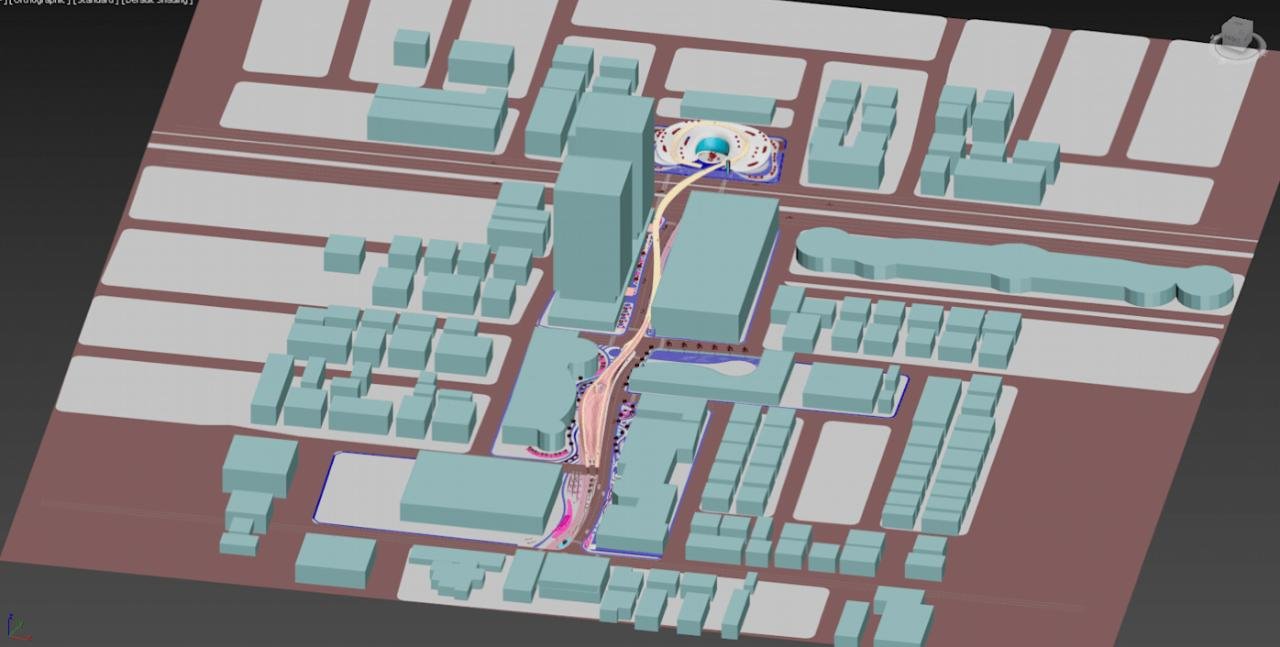
Part of what makes coordination hard is that roles blur as a project grows. A single commission may draw on structural and services engineers, quantity surveyors, specialist subcontractors, and regulatory consultants, each working to a different rhythm and each capable of stalling the others if information arrives late. The architect sits at the centre of this web, less as an author issuing instructions than as a coordinator making sure that one discipline’s decision does not quietly undo another’s. Documentation, version control, and a single agreed source of truth are what keep that web from tangling.
The Distance Between a Client’s Words and Their Intentions
Even when architect and client share a language, they do not always share a vocabulary. A client may be unsure of what they want, may describe it vaguely, or may lack the words for an idea they can nonetheless picture clearly. This gap is one of the most persistent sources of friction in practice. Three dimensional visualisation remains the most effective bridge across it, letting a client see an intention rather than interpret a plan. Even then, iteration is inevitable, and the remedy is constant, unembarrassed communication, which means asking questions, offering informed suggestions, and confirming direction before any significant change is made. For an architect, surprises are seldom welcome, and most disputes trace back to a conversation that did not happen.
It also helps to manage expectations about change itself. Clients often underestimate how a late alteration ripples outward, touching structure, cost, and programme at once, so part of the architect’s job is to explain the consequences of a request before acting on it. A revision that seems trivial on a drawing can be expensive on site, and a client who understands that tends to make better and calmer decisions.
Time, Budget, and the Discipline of Constraint
The belief that people perform well under pressure rarely survives contact with a genuine deadline and a strict budget. Stress erodes productivity more often than it sharpens it, and a project bound by both a firm completion date and tight finances offers no escape from that tension. The only reliable answer is organisation. Tracking the team, watching the schedule, and finding solutions that keep spending within agreed limits are unglamorous habits, but they are what hold a project together. Equally important is candour, because a client told early that a deadline or a budget is at risk can help solve the problem, while one told late can only absorb the damage. In the Gulf, where institutional and governmental programmes run to demanding timelines, this discipline is not optional.
A realistic contingency is part of this discipline rather than an admission of doubt. Ground conditions, material prices, and regulatory requirements all move during a long project, and a scheme planned with no margin for them is a scheme planned to disappoint. Experienced practices build in that margin quietly and defend it, because the alternative is a series of uncomfortable conversations once the work is already under way.
Carrying a Design All the Way to Built Reality
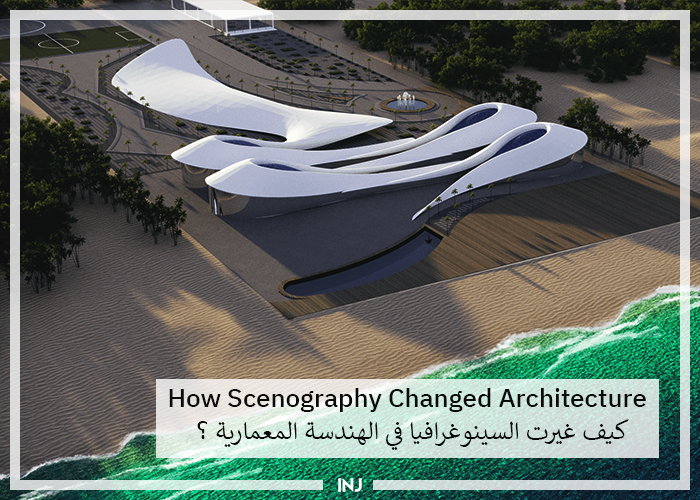
A recurring frustration is the project that stalls after the design is approved. Clients commission an appealing scheme and then hesitate, and the architect watches a strong idea remain on paper. Persuasive visualisation helps here too, because a vivid three dimensional representation can give a client the confidence to proceed to construction, demonstrating skill and making the outcome tangible in a way that flat plans cannot.
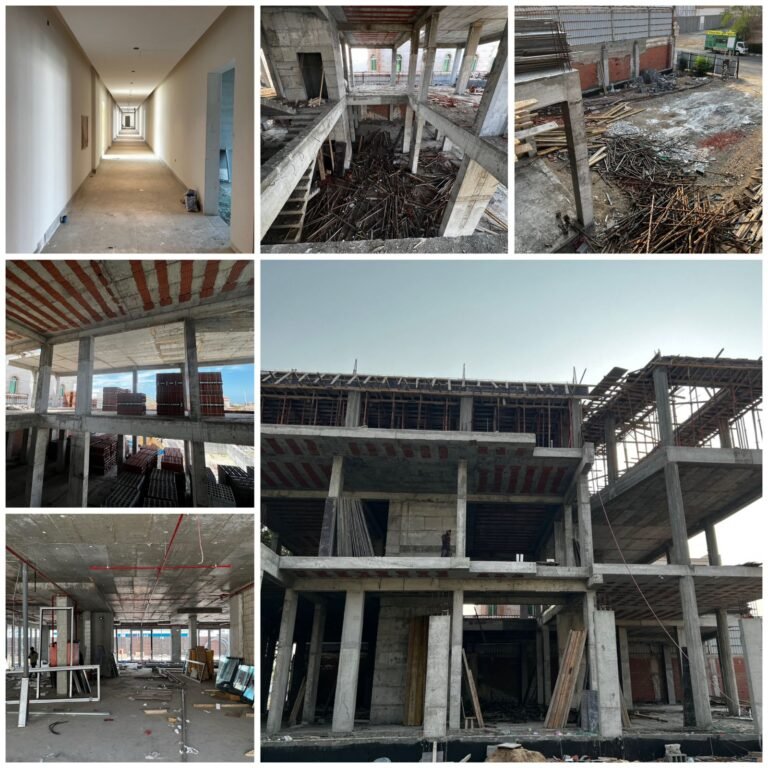
The final and most consequential problem is the gap between a good design and good construction. A fine scheme poorly built will disappoint everyone, reflect badly on the practice, and diminish the very qualities that made it good. Architects therefore have to communicate clearly that design quality depends on construction quality, keeping clients informed about the materials specified and about the effect that weak workmanship has on how a building looks, feels, and performs. Much of that effect is carried by the finishing materials and architectural finishes that people actually touch and see. Technology is steadily closing part of this gap, and the ways in which technology supports construction efficiency now shape how faithfully a design survives the journey to site. The deeper truth these problems share is that architecture is managed, not merely conceived, and the studios that accept this quietly outbuild the ones that do not.
None of these problems is ever solved once and for all. They recur on every commission and shift in character with its scale, which is why mature practices treat project management as a craft to be refined rather than a chore to be endured.