Modern versus traditional architecture
Modern versus traditional architecture: how vernacular building reflects cultural identity, and how twentieth-century modernism redefined design.

Modern versus traditional architecture: how vernacular building reflects cultural identity, and how twentieth-century modernism redefined design.

An Introduction to the Style of Organic Architecture: how buildings integrate with natural surroundings, the movement’s guiding principles and purpose.
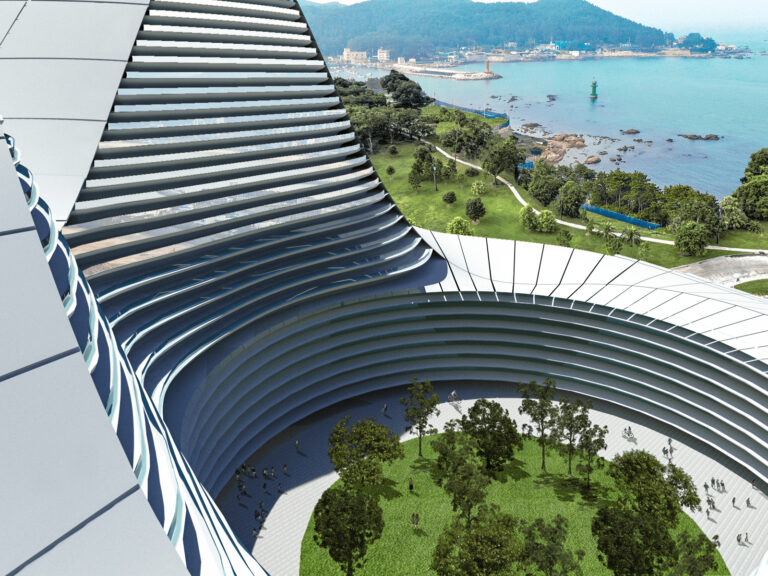
Architecture Education and gamification: why classroom methods lagged behind digital change, and how game-based learning can engage architecture students.
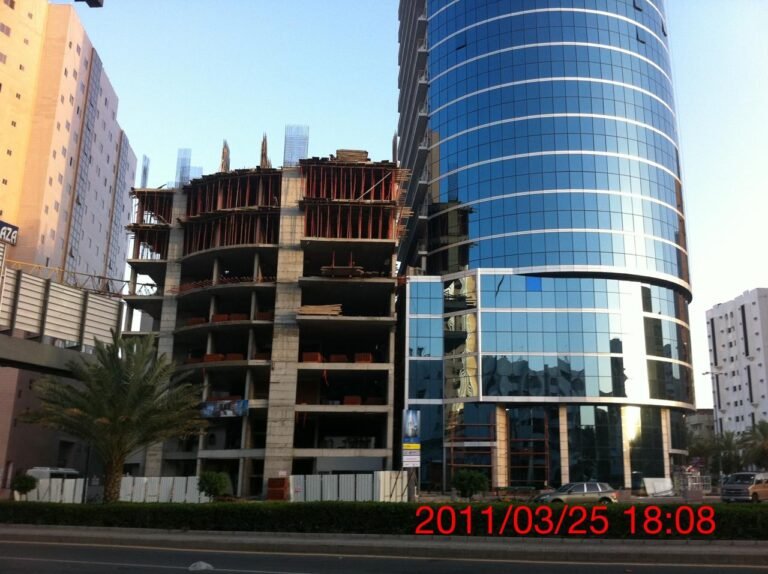
Vertical City living as a response to population growth: why dense upward development protects land and habitats, and how to live sustainably in it.

Architecture in Saudi Arabia through history: how regional and climatic differences shaped distinct styles and influenced the Kingdom’s urban growth.
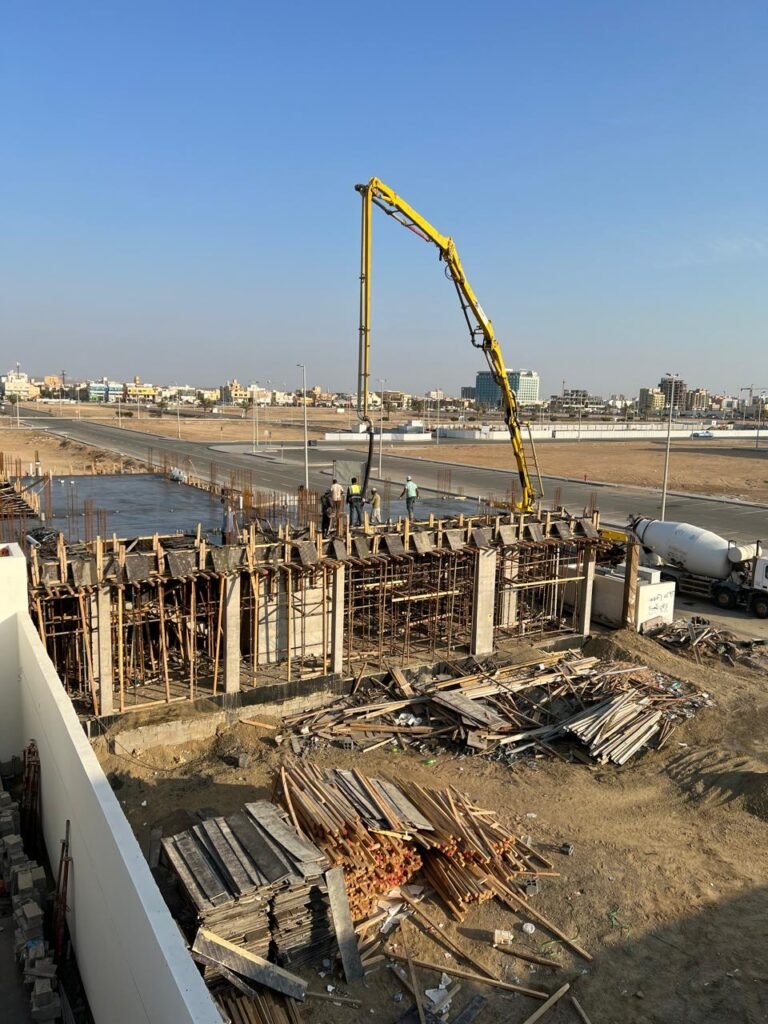
Lean Building Applications and LPS research across Nigeria, Ecuador, Chile and Malaysia, and how lean principles extend to delivery, supply chain and controls.
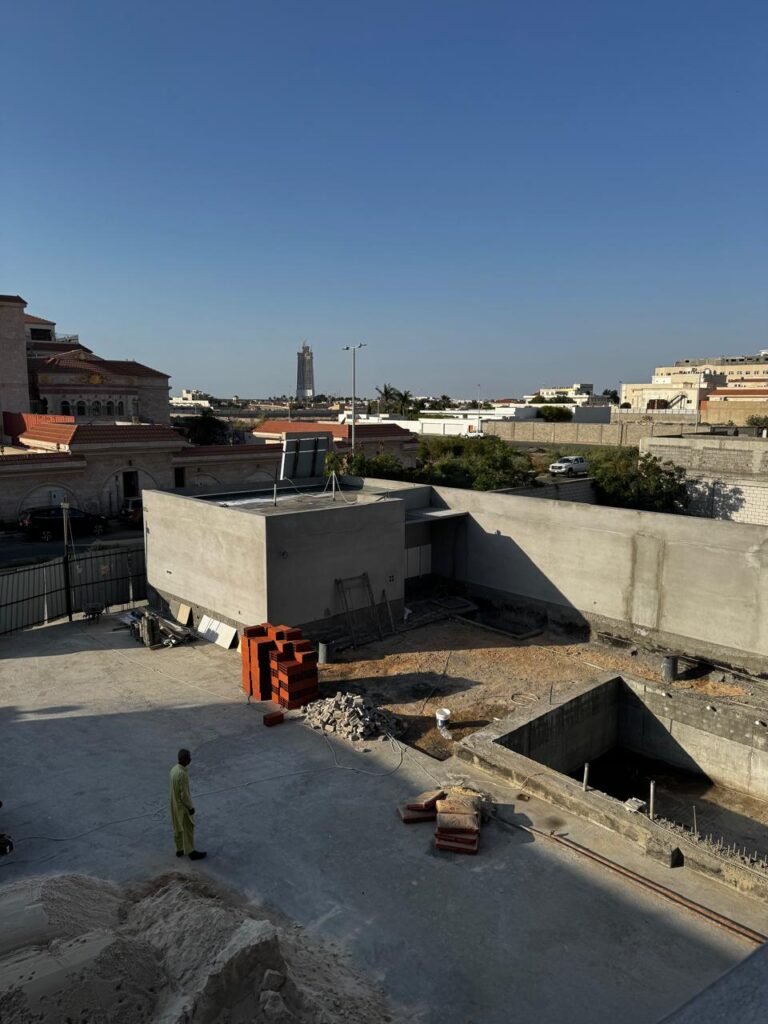
Risk factors in construction projects and their effect on time overrun: how lean construction principles reduce their impact using the PET and PPC metrics.
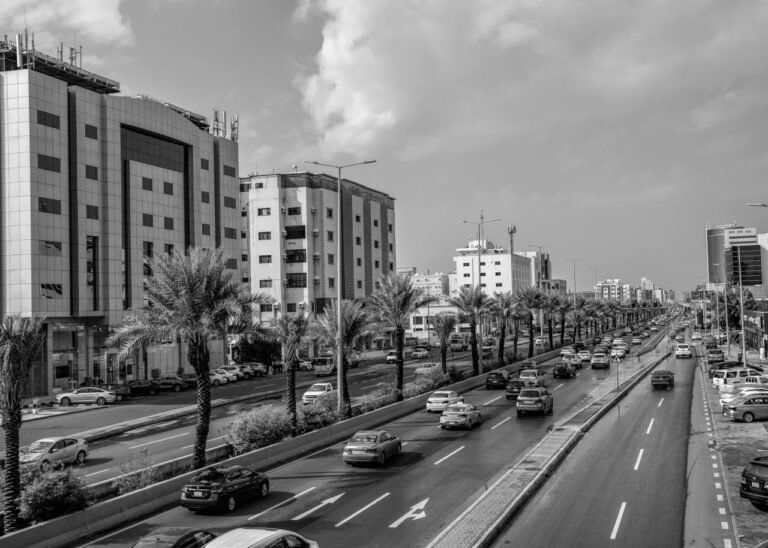
Industrial design in architecture: four attributes of buildings born of the Industrial Revolution, from power plants to factories, built for function first.
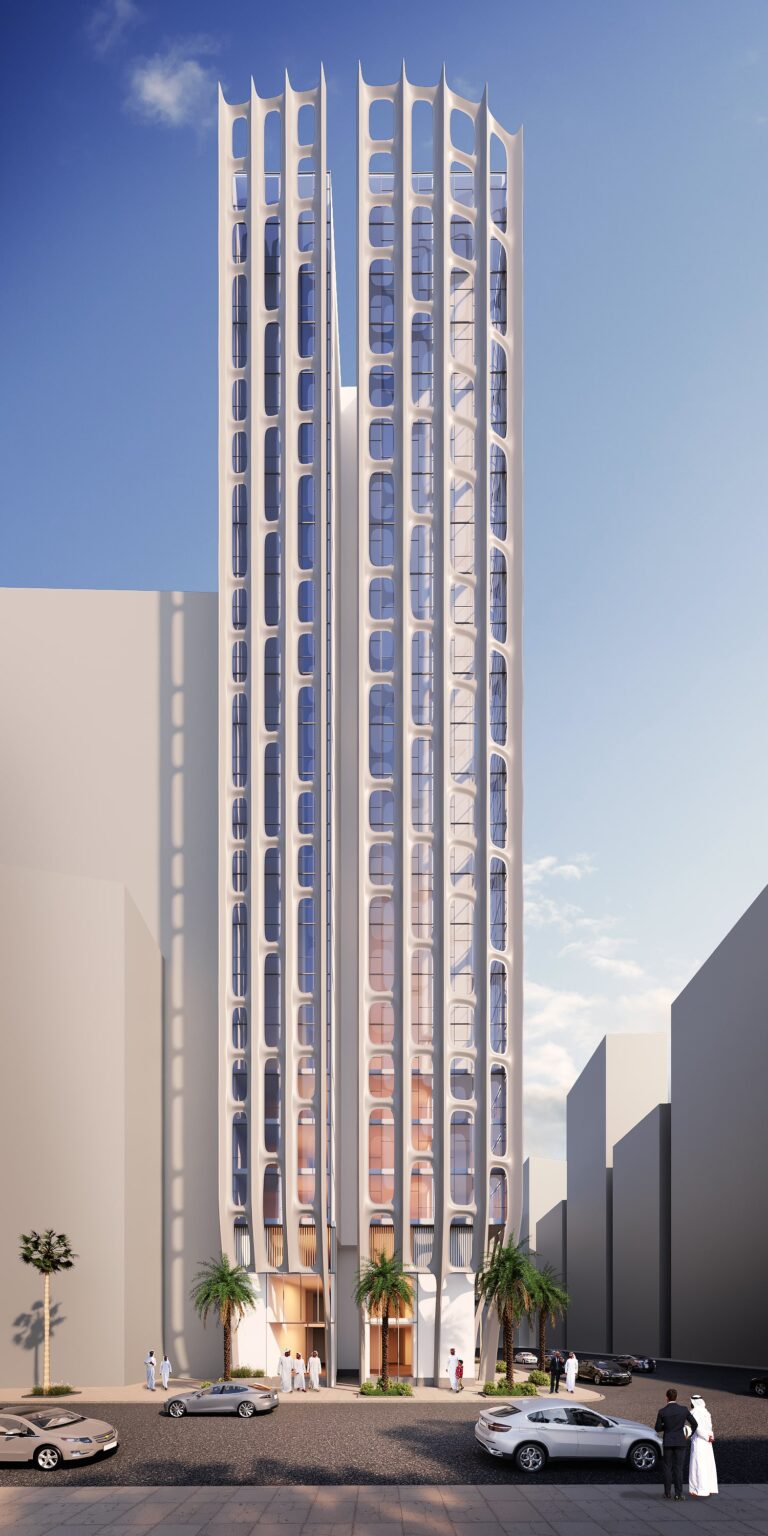
Realism in architecture: how it answered the subjectivity of romanticism, subordinated form to function, and differed from classicism in shaping mass.

Modern architecture in Saudi Arabia: its schools and styles based on simplified forms, the criticism it faced locally, and its role in global dialogue.

Modern architecture and its various styles: how modernism rejected ornament, embraced rational materials and structure, and spread as the International Style.
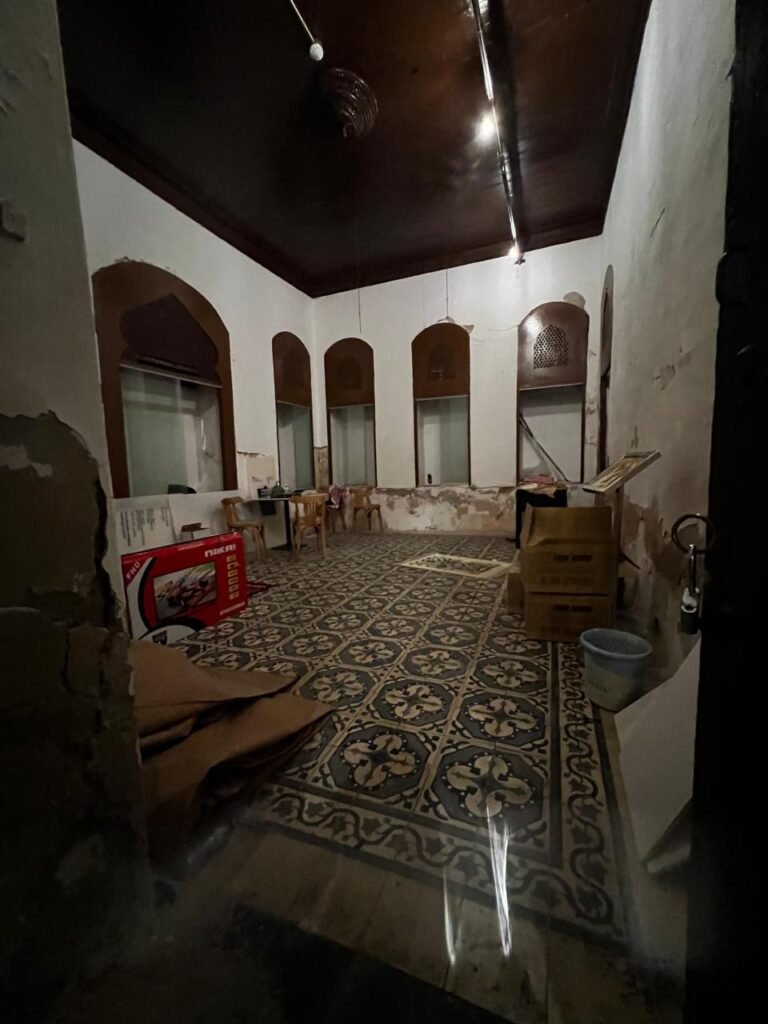
Heritage architecture in Saudi Arabia and its transformation into contemporary Islamic architecture, from SOM’s Hajj Terminal in Jeddah to global discourse.
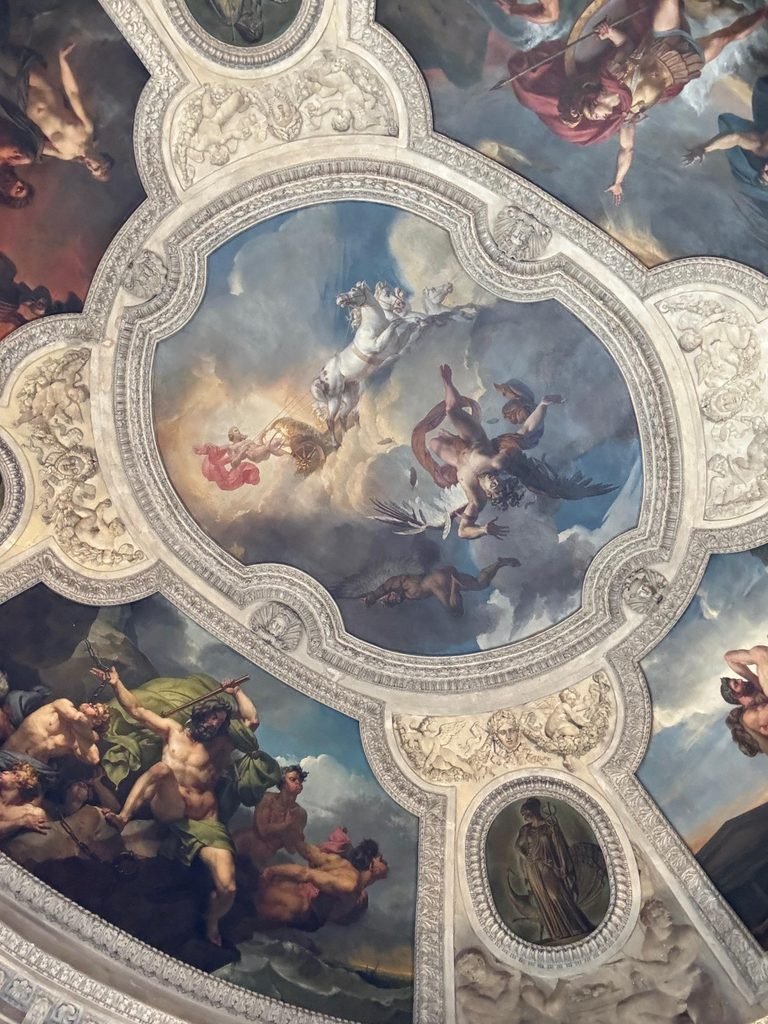
French engineering and architecture through the ages: from Roman Gaul to Gothic cathedrals and the modern work of Le Corbusier, Nouvel and Perrault.
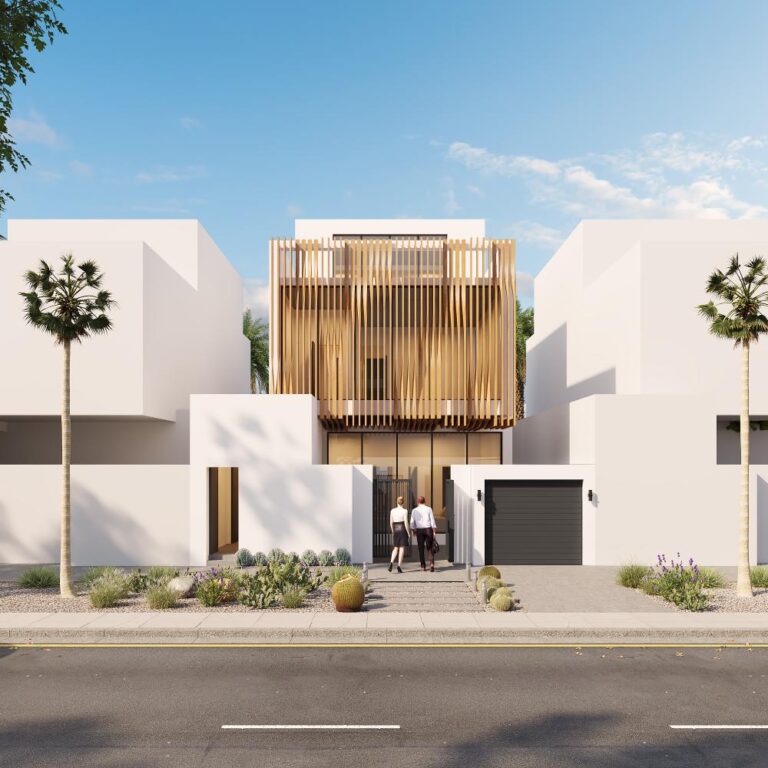
Buildings are drawn from culture before they are drawn from engineering. The social identity of a people is the true generative source of architectural form.
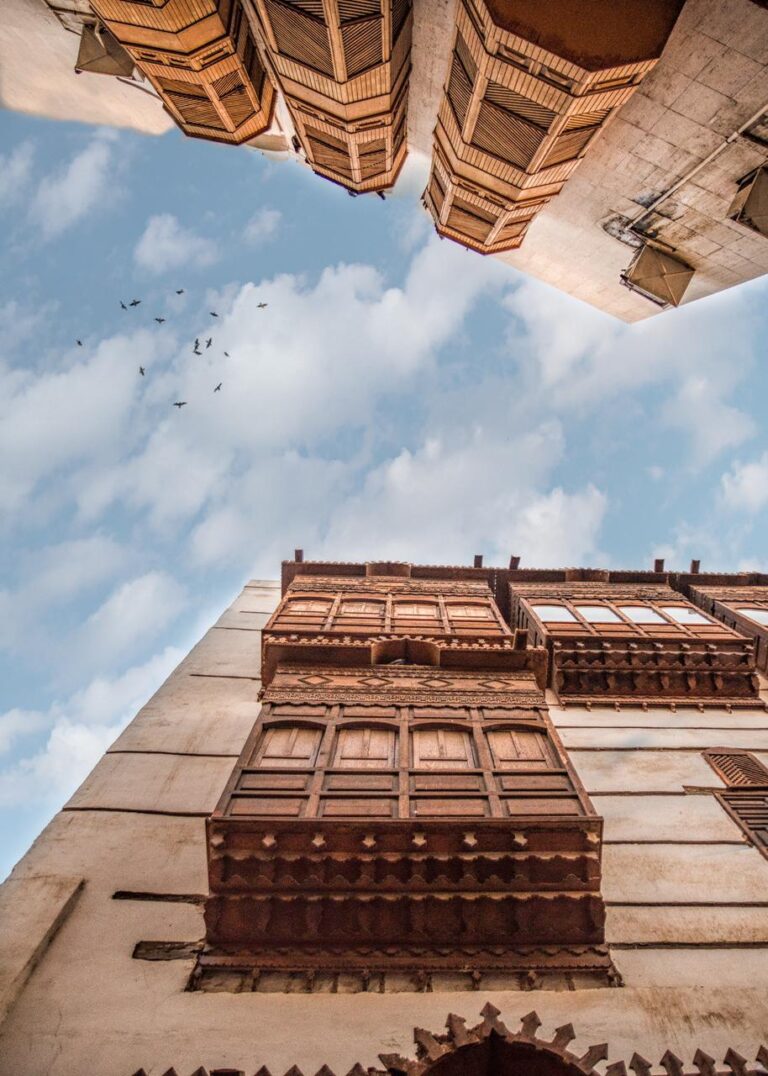
Islamic design is a centuries-old architectural tradition rooted in the principles of Islam. A review of its history, sculptural forms and ornamental detail.
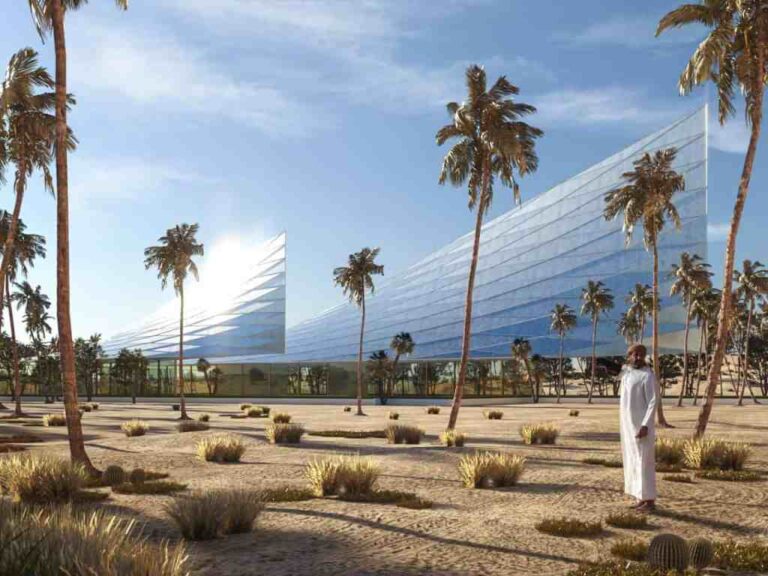
Modern architecture explained: a style that favours functionality and simplified form over decoration, its origins in mechanised manufacturing and its variants.
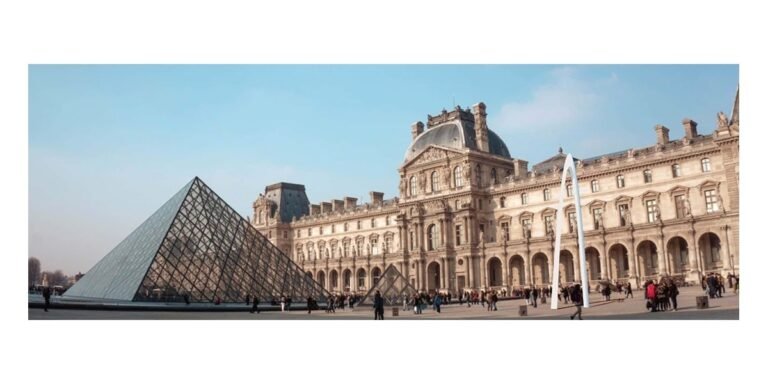
Le Corbusier called the past his only master. The history of architecture still teaches three lessons every designer needs: climate, durability and human scale.
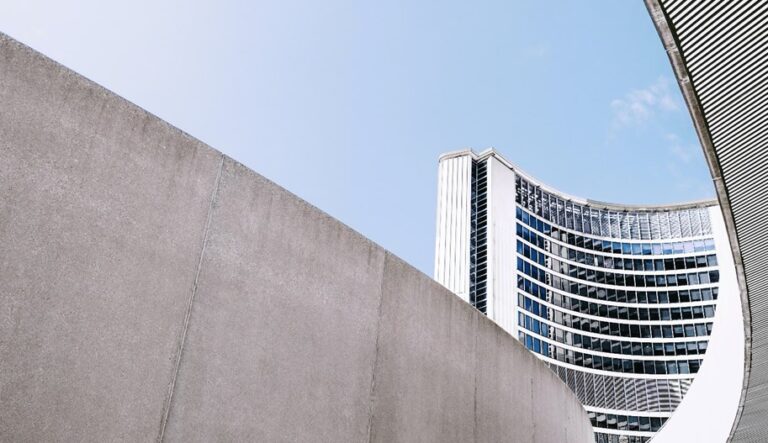
Development of a custom architectural style as a feature of the project: what defines a style, its elements, and how to brief your architect from the start.
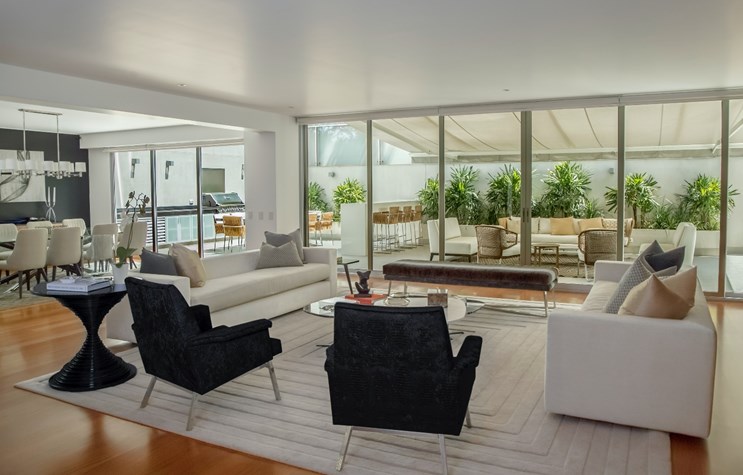
Right architectural design and healthy living: the architect’s responsibility to the community and how holistic design supports a healthier lifestyle.
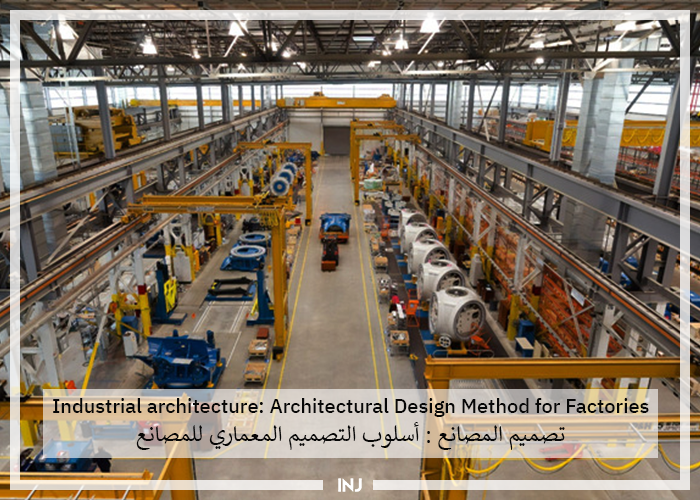
Industrial architecture: an architectural design method for factories that starts from the production process, covering flows, safety, services and change.
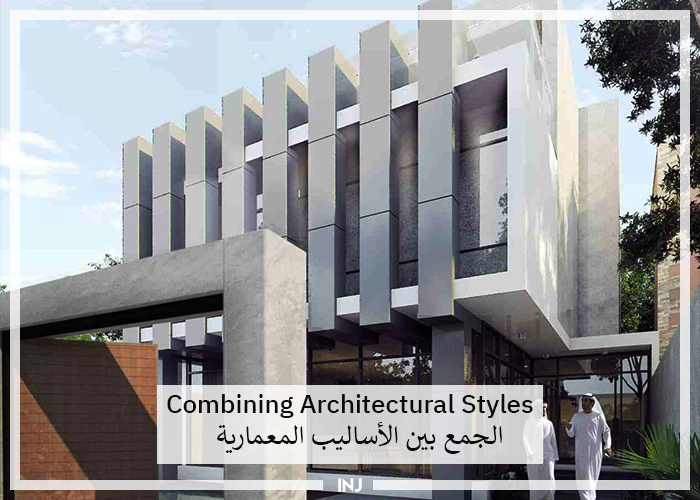
Combining architectural styles in one house: practical strategies, starting with choosing a primary and a secondary style, for clients with differing tastes.
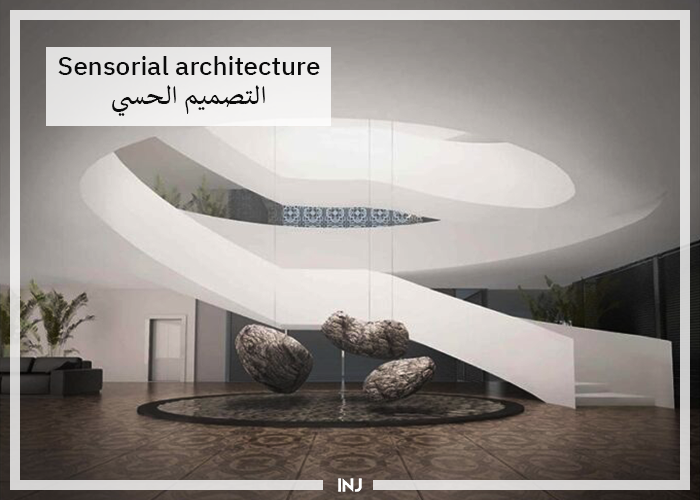
Sensorial architecture: how the five senses shape the experience of space, and why multi-sensory design matters more than visual appearance alone to users.

Architectural design for museums in five steps: from the basic factors of museum planning to the features a museum needs to convey its message to visitors.
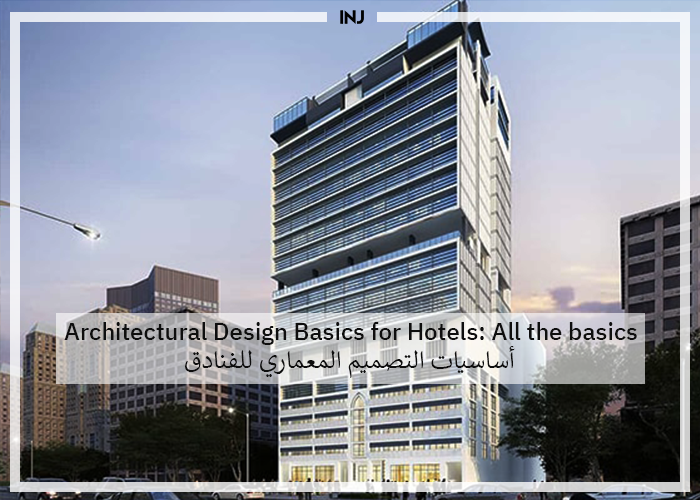
Architectural design of hotels: the basic theories behind hotel planning, from front and back of house to sustainable design, and why it shapes a destination.