The Rise of Parametric Architecture: Transforming Design Through Algorithms
Introduction
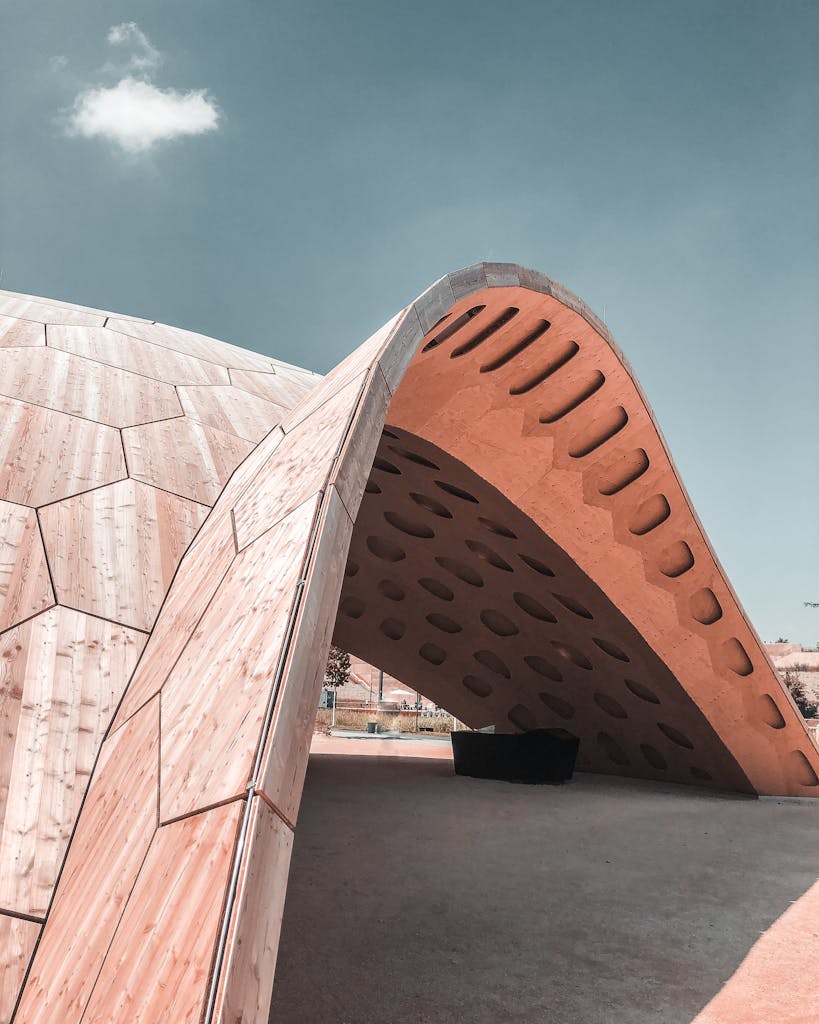
Parametric architecture has revolutionized the way buildings and interiors are designed, merging mathematical precision with artistic creativity. By using computational algorithms, architects can generate complex forms that were once impossible to create. This article explores how parametric architecture is shaping the future of design, its applications in interiors, and the tools driving this transformation.
What is Parametric Architecture?
Parametric architecture is a design approach that uses algorithms to define relationships between various elements of a structure. Instead of manually drawing every aspect, designers input parameters—such as environmental factors, material constraints, and structural loads—into computational software, which then generates optimized forms.
The Core Principles of Parametric Design
Parametric design is built on several core principles:
- Algorithmic Generation: Instead of drawing static shapes, designers use mathematical formulas to generate forms dynamically.
- Responsive Adaptation: Designs can be altered easily by changing input parameters, making them highly adaptable.
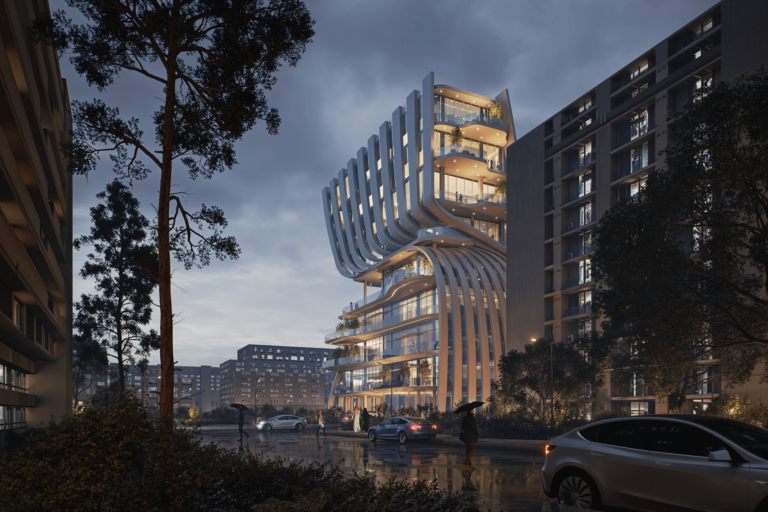
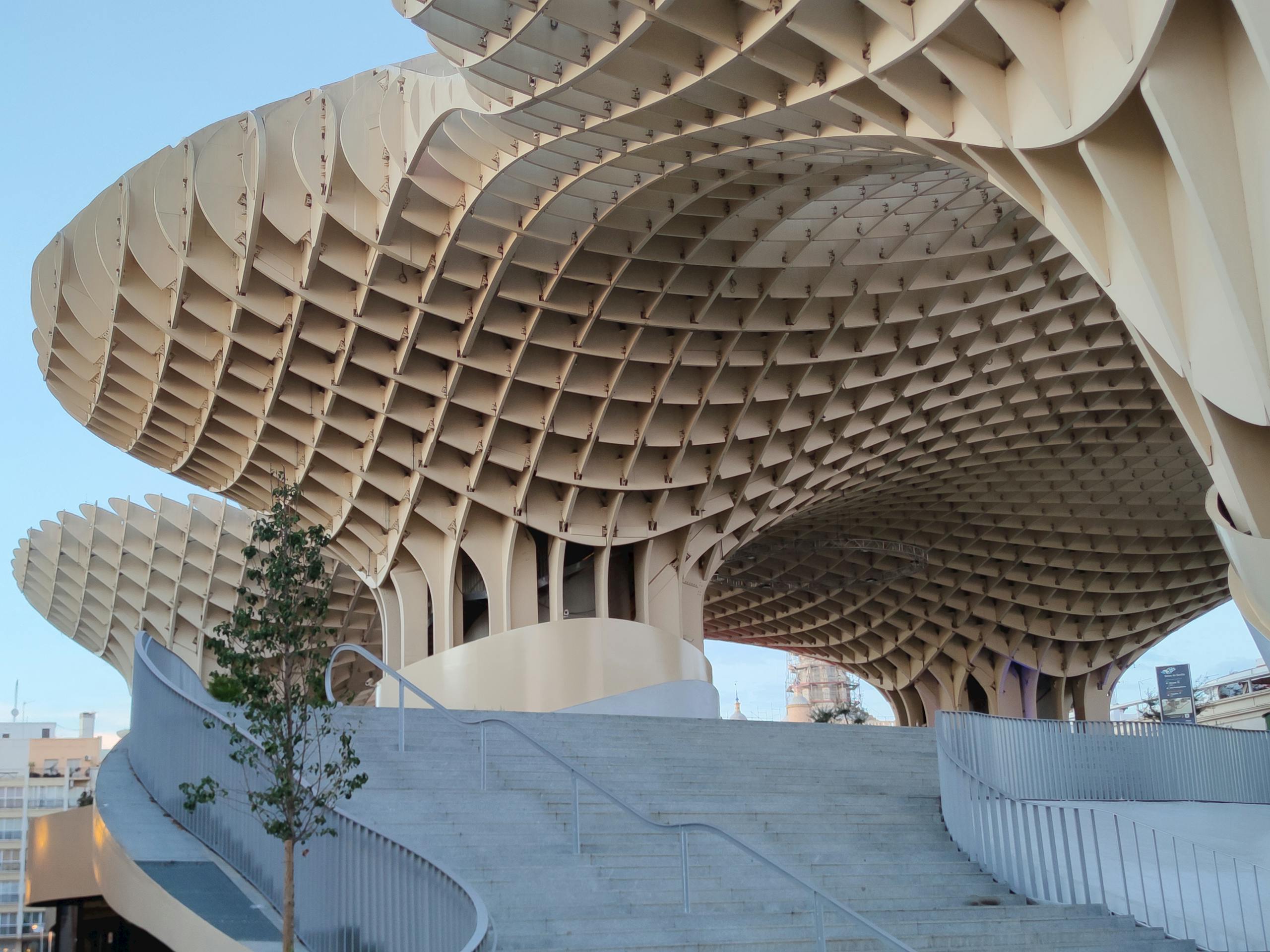
- Organic Aesthetics: The method often results in fluid, biomimetic forms inspired by nature.
- Material Efficiency: By optimizing structural geometry, parametric design reduces material waste and enhances sustainability.
Applications in Architecture
1. Facade Design
Parametric architecture has transformed facades by allowing architects to create intricate, energy-efficient skins for buildings. Examples include:
- The Al Bahar Towers in Abu Dhabi: Featuring a dynamic facade that adapts to sunlight using a geometric shading system.
- The Beijing National Stadium (“Bird’s Nest”): Designed using complex algorithms to optimize structural integrity.
2. Structural Engineering
Engineers use parametric modeling to develop lightweight yet strong structures, such as:
- The Eiffel Tower-inspired parametric bridges that distribute weight efficiently.
- Shell structures like the Heydar Aliyev Center designed by Zaha Hadid Architects, which use smooth, flowing curves to create a futuristic aesthetic.
3. Sustainable Architecture
Parametric tools help create eco-friendly buildings by optimizing:
- Ventilation and daylighting for energy efficiency.
- Building orientation to reduce heat gain.
- Material distribution to minimize waste and cost.
Parametric Interior Design
Beyond architecture, parametric design is shaping interior spaces with unique, customized elements:
1. Furniture Design
Parametric modeling allows designers to create furniture with complex, organic forms, such as:
- 3D-printed chairs with intricate lattice structures.
- CNC-milled wooden surfaces with fluid, wave-like patterns.
2. Lighting Innovations
Lighting designers use parametric algorithms to create dynamic fixtures that react to their environment, such as:
- Parametric chandeliers that adjust brightness based on occupancy.
- LED installations that form interactive light waves responding to sound or movement.
3. Wall and Ceiling Treatments
Innovative interior elements include:
- Geometric wall panels that change texture with different lighting angles.
- Acoustic ceilings designed with parametric patterns for sound diffusion.
Key Software for Parametric Design
Several digital tools enable parametric architecture and interior design:
- Grasshopper (for Rhino 3D): The most popular parametric tool used by architects and designers.
- Dynamo (for Revit): Enables parametric modeling within BIM environments.
- Processing: A Java-based language for algorithmic design.
- GenerativeComponents: Used by Bentley Systems for complex form generation.
Future of Parametric Architecture
The future of parametric design includes:
- AI-powered design tools that predict optimal building shapes.
- Robotic fabrication for precise, customized construction.
- Bio-integrated materials that adapt to environmental conditions.
Conclusion
Parametric architecture is redefining how we design spaces, offering efficiency, sustainability, and aesthetic freedom. As technology advances, the fusion of algorithms and creativity will continue to push architectural boundaries.