Food Retail Design: Creating a Cohesive Brand Identity
Food Retail Design and brand identity: the research, analysis and competitor review that guide developing or reinventing a cohesive retail brand.

Architecture articles on spatial design, typology, composition, and the relationship between form, use, and place.

Food Retail Design and brand identity: the research, analysis and competitor review that guide developing or reinventing a cohesive retail brand.

Branded residences merge luxury, brand identity and architectural quality into tailored homes, offering owners exclusivity and strong resale value.

Designer Hotels blend bold architecture with curated guest experiences; this article examines their rise as destinations for experiential tourism.

Luxury Retail Design in the digital age: interactive mirrors, personalised displays and augmented reality that turn stores into immersive brand experiences.

Mosque Design today balances tradition and innovation: domes and minarets reimagined with glass, steel, composite panels and smart technology.

AI-Driven Retail Spaces use predictive analytics and spatial optimisation to personalise shopping, improve store layouts and raise operational efficiency.

Modern Arabian Villas combine cutting-edge design with traditional elements; this article traces how luxury homes evolved in the Arabian Peninsula.

Designing Home Offices for productivity: choosing the right location, ergonomic furniture, lighting and layout to separate work from home life.

Department Store evolution from nineteenth-century Britain to today: how layouts, purpose-built architecture and mass retail made shopping a leisure pursuit.

Retail in the Sports industry has shifted to immersive stores; how Nike and Reebok use spatial storytelling to express brand identity and local culture.

Fashion in Retail Design shapes store interiors, colours, materials and displays, from luxury boutiques to mass-market chains and the department store.

Food Retail Design across markets, cafés and supermarkets: how cultural traditions shape the design language and functional layout of food spaces.

Neurodiversity in Design examines how architecture can create inclusive, sensory-aware spaces for people with autism, ADHD, dyslexia and other differences.

Architecture for Aging explores accessible, comfortable design for older adults, promoting independence, safety and social integration in built spaces.

Dark Architecture uses shadows, limited light and intentional shading as design tools to create atmospheric, immersive and emotionally charged spaces.
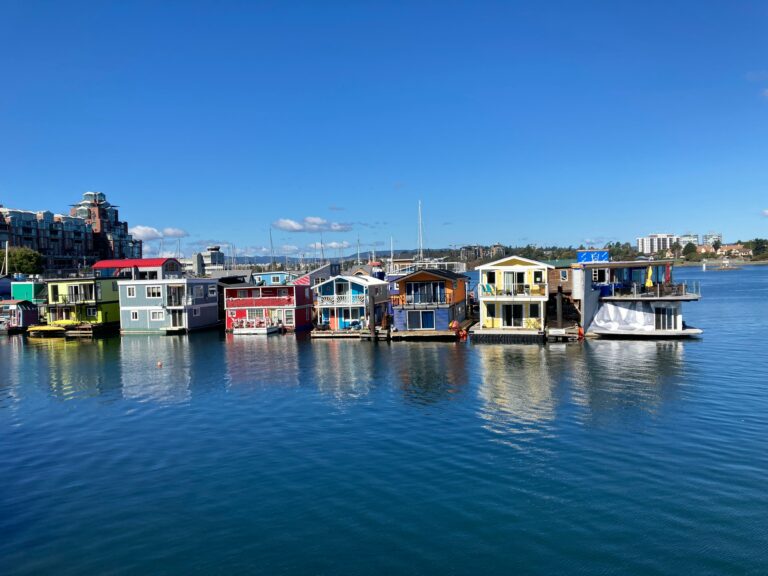
Floating Homes offer a sustainable response to rising sea levels and urban expansion; this article explores the trend, its design and its future.
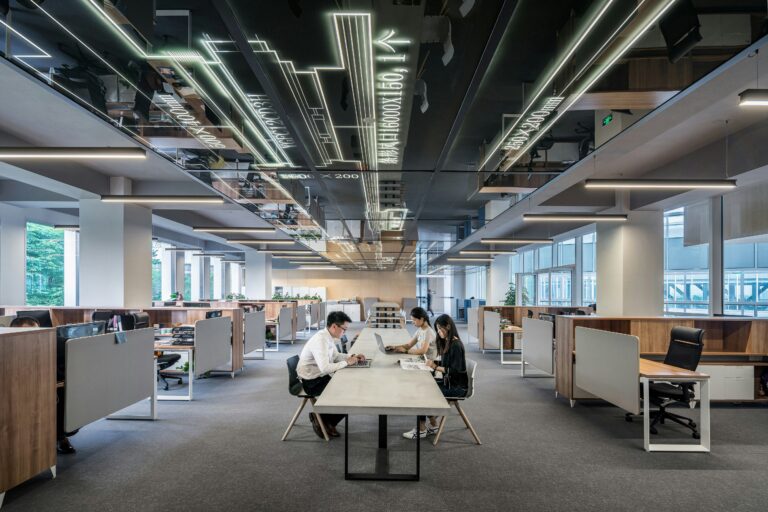
Commercial Space Design for warehouses and malls: addressing functional efficiency, circulation, open plans and future flexibility in layout and systems.
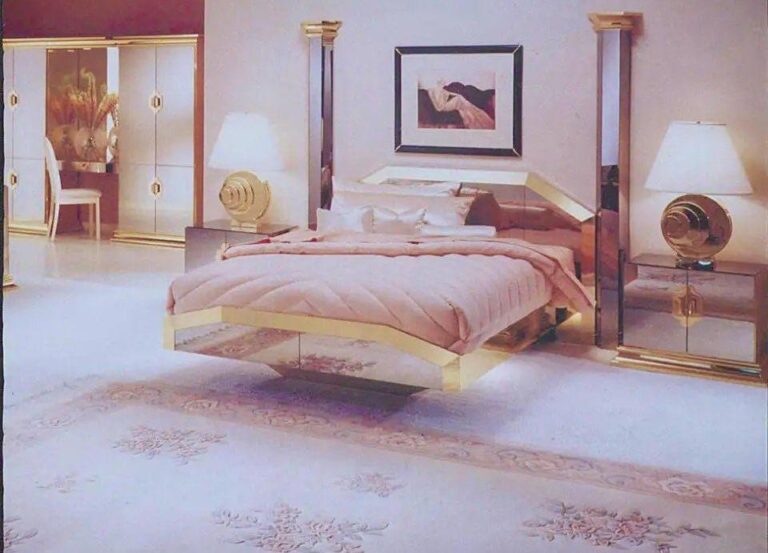
80s Interior Design brought bold colours, geometric patterns, luxurious materials and gold accents; a look at the decade’s glamour and lasting influence.
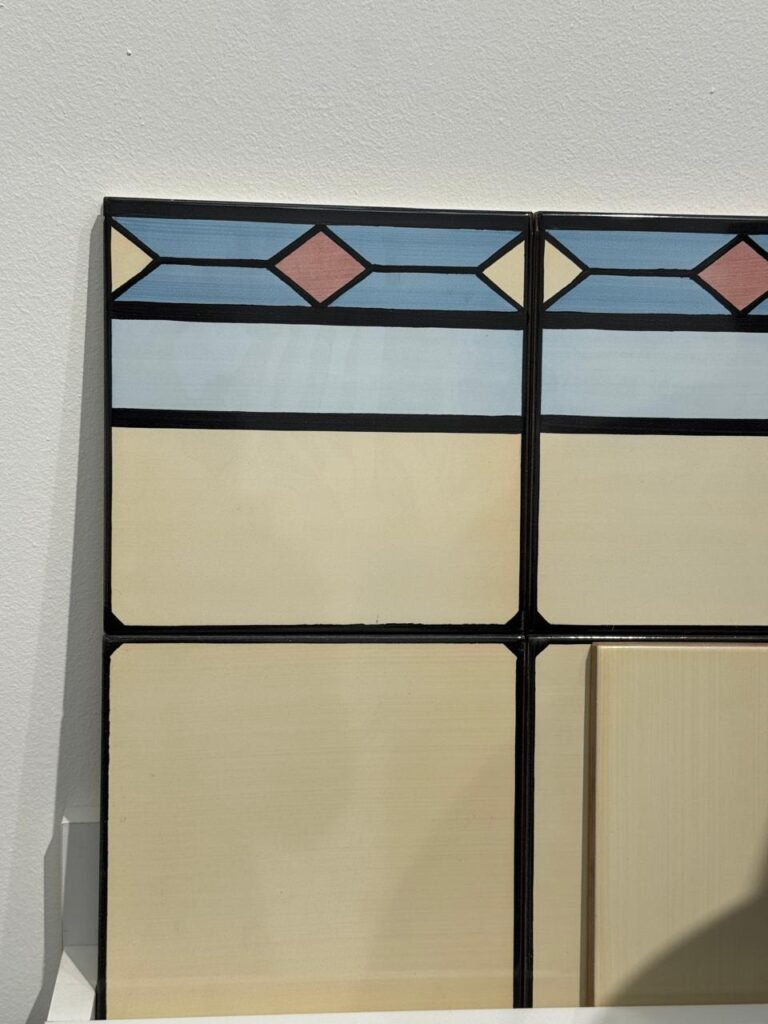
Arabian and Islamic Interior Design and Architecture blend heritage with modern practice: geometric patterns, tile work, courtyards and contemporary spaces.

Designing for Flexibility means creating spaces that adapt over time: multi-functional rooms, movable partitions and modular layouts for changing needs.
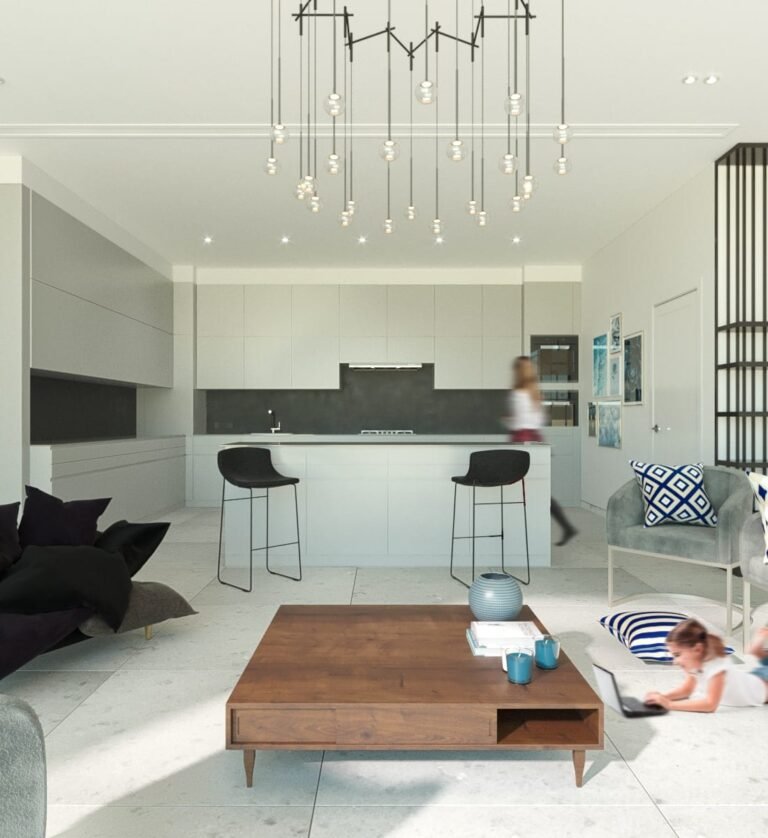
Designing for Mental Health examines how natural light, calming spaces and social connection in buildings reduce stress and support occupant wellbeing.

Are you debating whether to live in a villa or an apartment? There are many factors to consider, from space and design to lifestyle preferences and family needs. Luckily, we’ve done the research for you and put together a comprehensive analysis of the benefits and drawbacks of each option. From statistical data to expert opinions, we’ve got everything you need to make an informed decision about your ideal living arrangements. So why wait? Dive into the article now and discover which option is right for you!
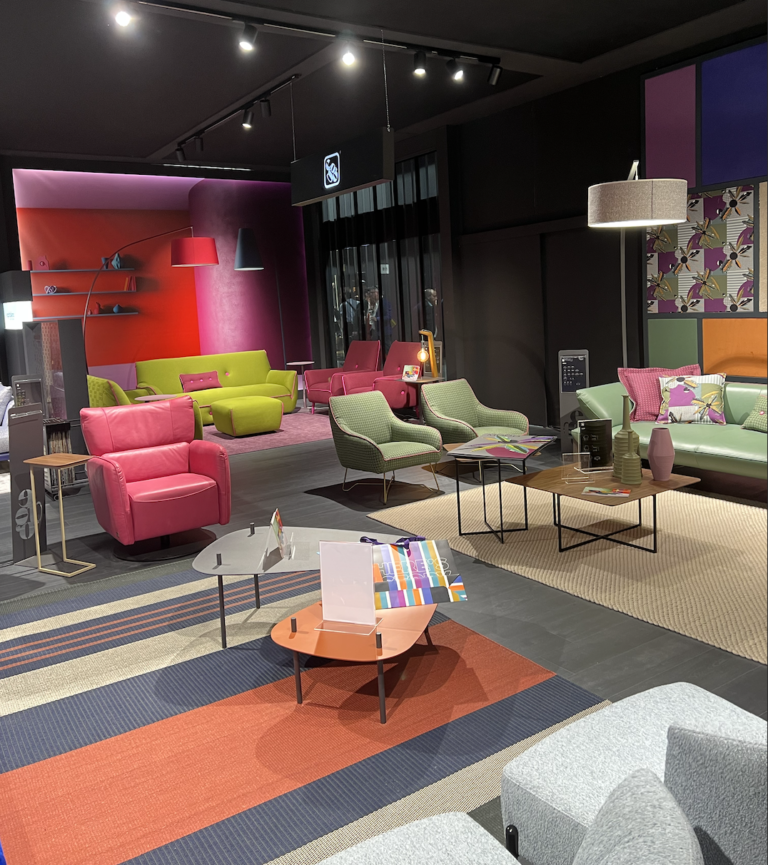
Discover the fascinating relationship between real estate development and the furniture industry in Saudi Arabia. As the country’s construction landscape continues to evolve, it is driving innovation and economic activity in the furniture sector. From traditional designs with modern functionality to sustainable and innovative manufacturing, stakeholders in both industries are capitalizing on emerging trends and meeting the evolving needs of consumers. Explore how real estate projects, renovation activities, and market demands are driving significant changes in the Saudi furniture market. Learn how the kingdom’s Vision 2030 initiative is boosting sectors like real estate and construction, which, in turn, stimulates the furniture market.
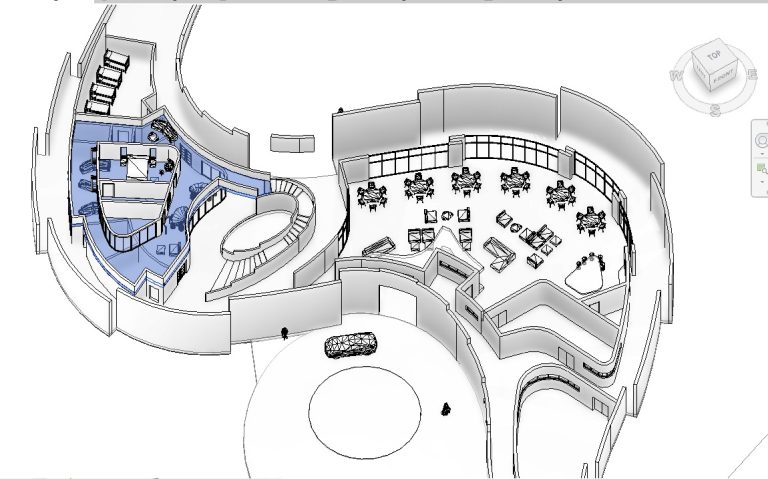
Immersive Interiors use virtual and augmented reality to design and experience interactive spaces; this article explains the concept and its applications.
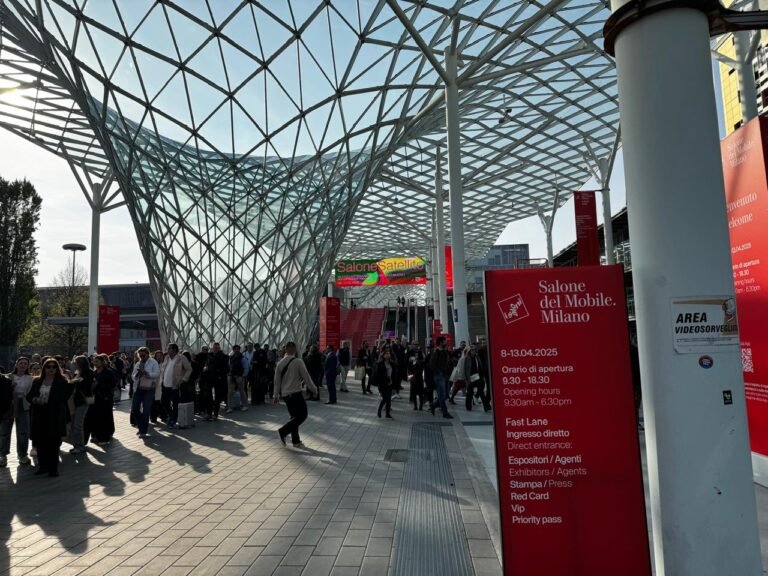
The rise of modular recreational architecture: how markets, malls and entertainment complexes favour industrial aesthetics and functional form over tradition.

Interior design in Saudi Arabia is balancing traditional textiles, patterns and heritage with modern ideas; this article examines the trends shaping spaces.
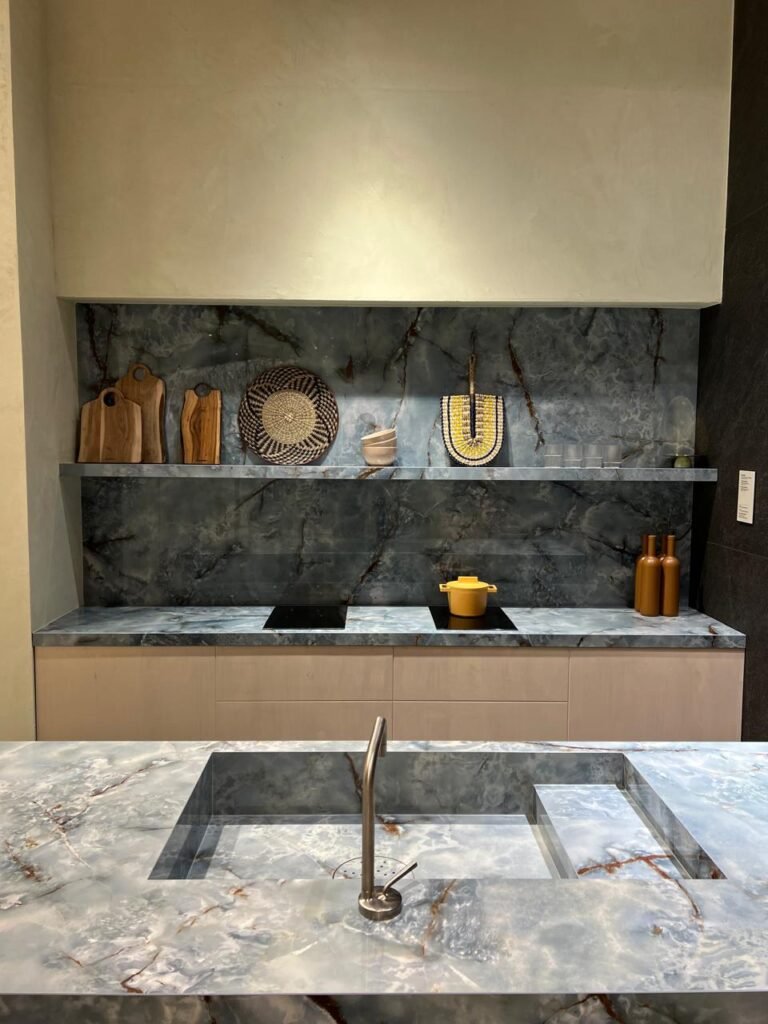
Smart kitchen design in five tips: integrated connectivity, intelligent appliances and well-planned layouts that make the busiest room in the home efficient.

Home improvement hacks from the experts: how to plan and prioritise projects, set a budget and carry out upgrades from simple tweaks to major renovations.

Micro living designs compact urban homes of around 100 to 500 square feet; this article explores the strategies that maximise space and quality of life.
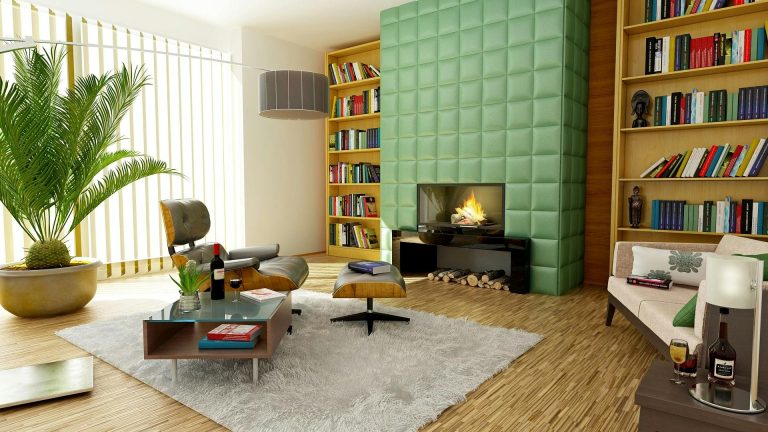
Architecture for wellness: how natural light, air quality, biophilic design and room for movement and social contact shape spaces that support health.