The Psychology of Small Spaces: How Tight Rooms Shape Our Minds
Small spaces shape our minds in subtle ways, from comfort to claustrophobia. This article explores how dimensions, proportions and design affect emotion.

Research-led articles on architectural theory, practice, criticism, methods, and emerging ideas in the built environment.

Small spaces shape our minds in subtle ways, from comfort to claustrophobia. This article explores how dimensions, proportions and design affect emotion.

Cognitive architecture examines how buildings shape thought, emotion and behaviour. From hospitals to schools, we explore designing for the human mind.

Controlling architecture uses design to restrict and regulate behaviour, from prison layouts to hostile urban elements. We examine space as a tool of power.

Invisible architectural details such as trimless junctions, tile alignment and precise light washes hide in plain sight. What only architects notice, and why.

Closed architecture deliberately denies access, from tombs and bunkers to conceptual installations. We examine why inaccessibility becomes a building’s purpose.

Architectural anonymity describes buildings that deliberately recede from view rather than seek attention. We examine why architects design to be unseen.
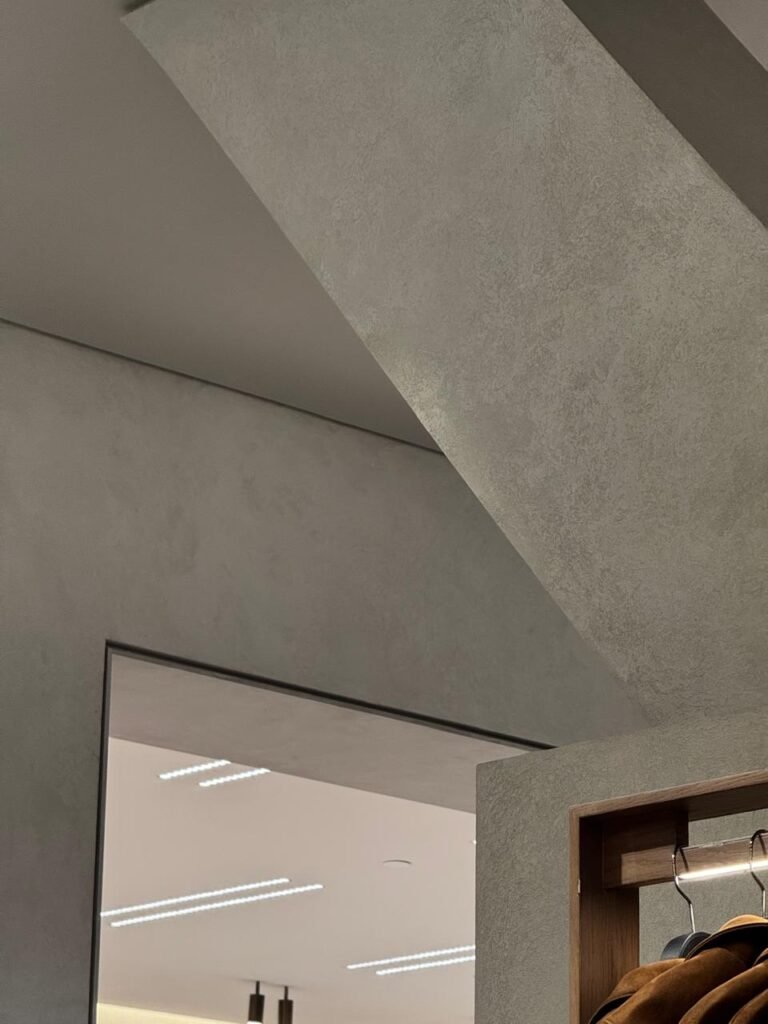
Architectural misalignment deliberately offsets walls, windows and stairs to create emotional and conceptual impact. We trace its roots and contemporary use.

Architectural doubles are buildings that mask or obscure their true function, offering layered readings of space. From camouflage to contemporary ambiguity.

Architectural memory describes how buildings absorb and transmit collective experience. We examine how spaces hold time, from sacred monuments to factories.

The architecture of anticipation designs for futures not yet realised, creating adaptable frameworks for uncertain climatic, technological and social change.

Slow architecture treats time as a design material, valuing endurance over trends and locality over globalisation. We explore buildings that age with dignity.

Architecture as interface explores buildings that sense, process and communicate like devices. We examine the growing overlap between space and technology.
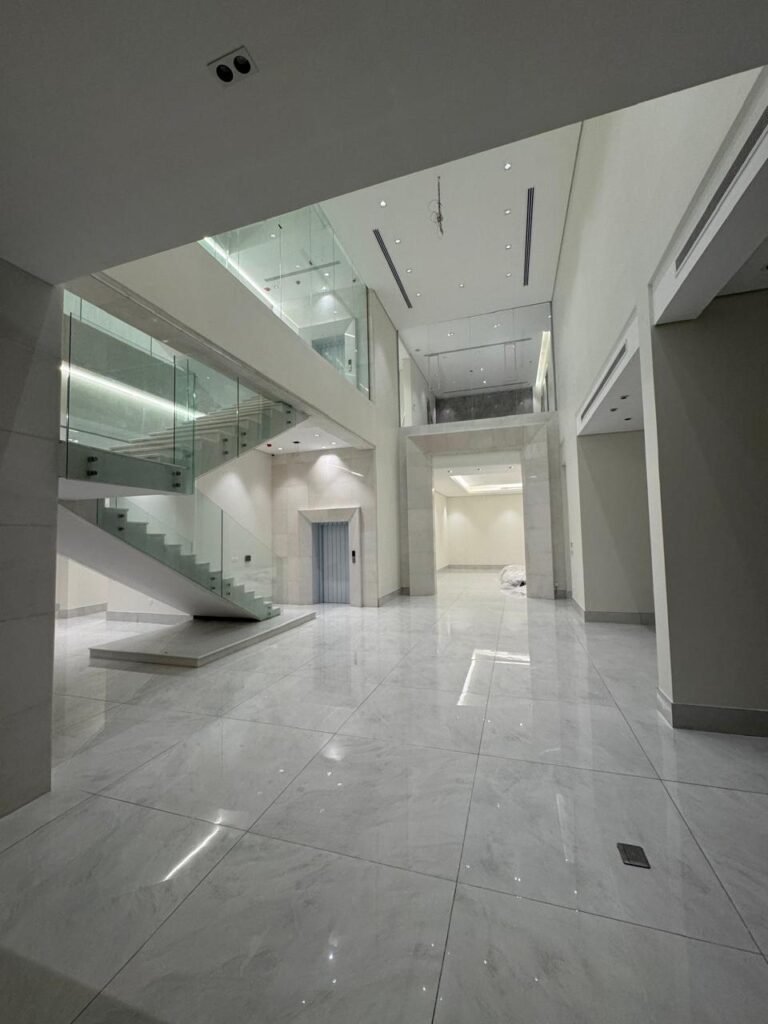
Architectural burnout describes the mental fatigue caused by overdesigned spaces where visual excess overrides usability. We examine its causes and remedies.
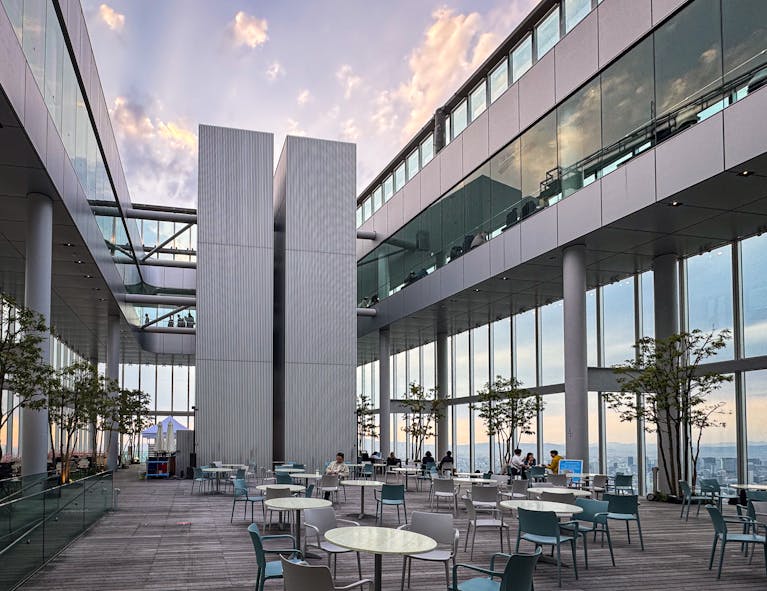
Post-occupancy architecture studies how users adapt, modify and rewrite spaces after handover, often diverging from the architect’s intended script.

The architecture of smell treats scent as a design language tied to memory and emotion. We examine how designers use aroma to shape spatial experience.

Imperfection in architecture celebrates cracks, fissures and weathered textures as carriers of meaning. We explore Wabi-Sabi, material truth and cracked walls.

The architecture of discomfort uses space deliberately to control behaviour, from prisons to hostile public benches. A psychological and ethical review.

Memorial architecture engages absence, loss and collective memory rather than celebration. We explore how materials, voids and form provoke reflection.
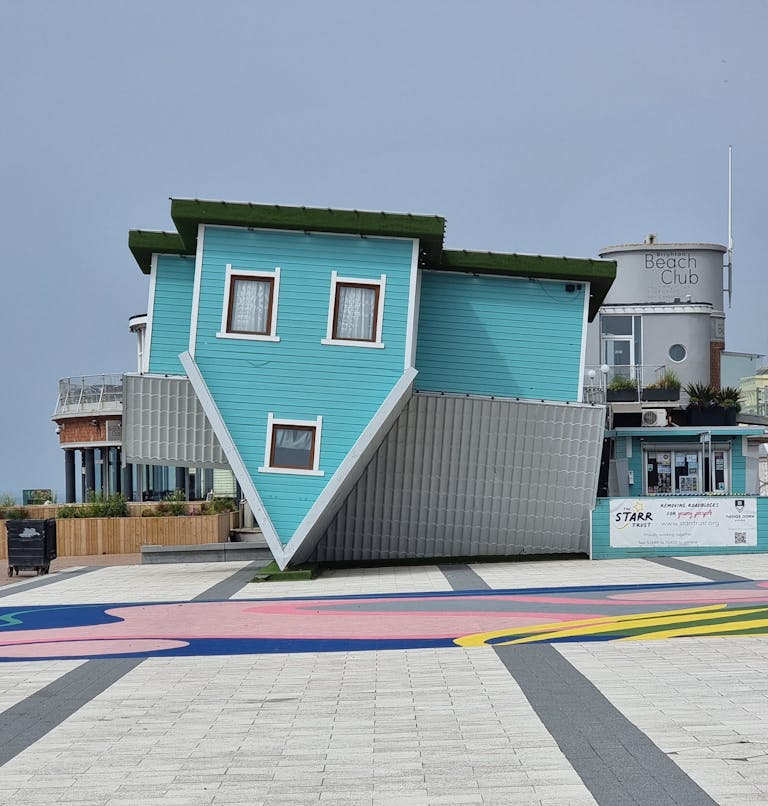
Architecture in reverse embraces entropy, weathering and intentional aging as design elements. We explore facades designed to peel, rust or erode over time.
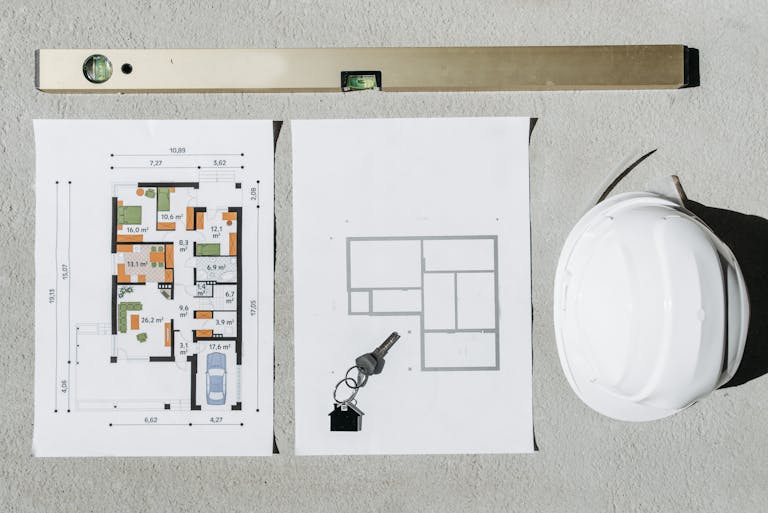
Floor plan politics reveal hierarchy and power through who gets the window or prime position. We examine spatial hierarchy in buildings from palaces to offices.

Architectural palimpsest describes buildings and cities rewritten over centuries while keeping traces of the past. We examine the concept, theory and examples.
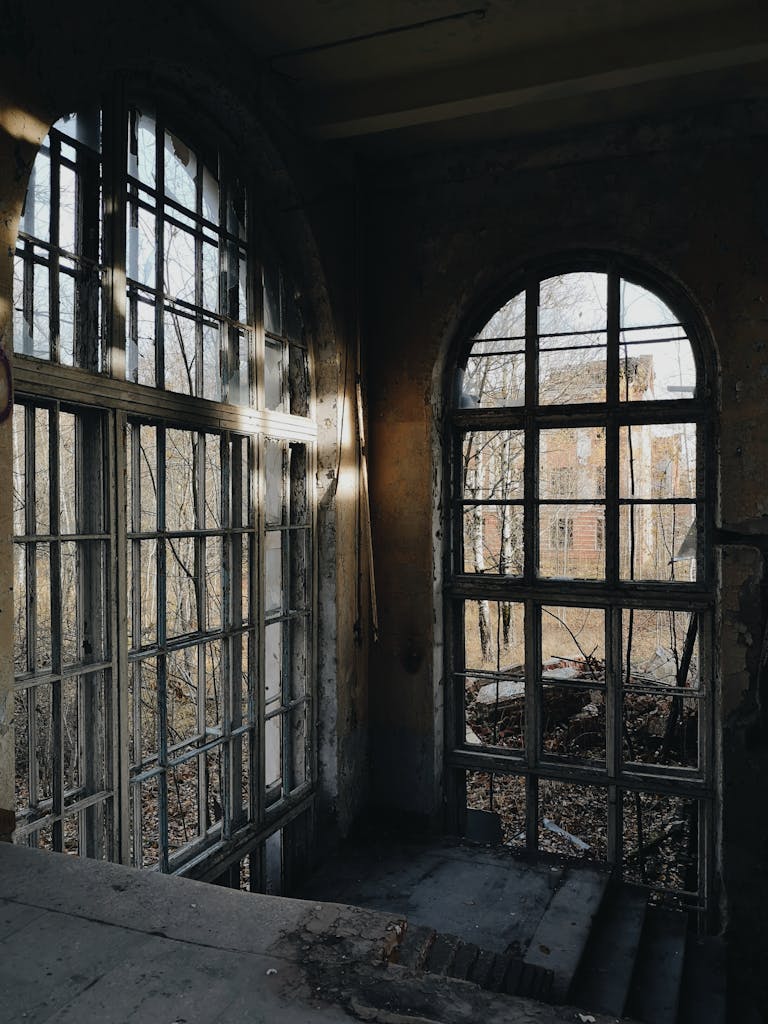
Obsolete architectural details such as ceiling medallions, transoms and service stairs have vanished from new buildings. We ask why and what their loss reveals.

Roshan and Mashrabiya are lattice window systems of Islamic architecture that provide shade, privacy and ventilation. Their craft, differences and identity.

Salone del Mobile 2025 through the eyes of INJ Architects: how colour, texture and tension replaced form as the leading design language this year in Milan.
Holographic architecture uses holographic technology to design, visualise and experience buildings before construction. Its concept, applications and potential.

Islamic architecture as a term is examined: is it a distinct style or an Orientalist construct that groups diverse regional traditions under a single label?
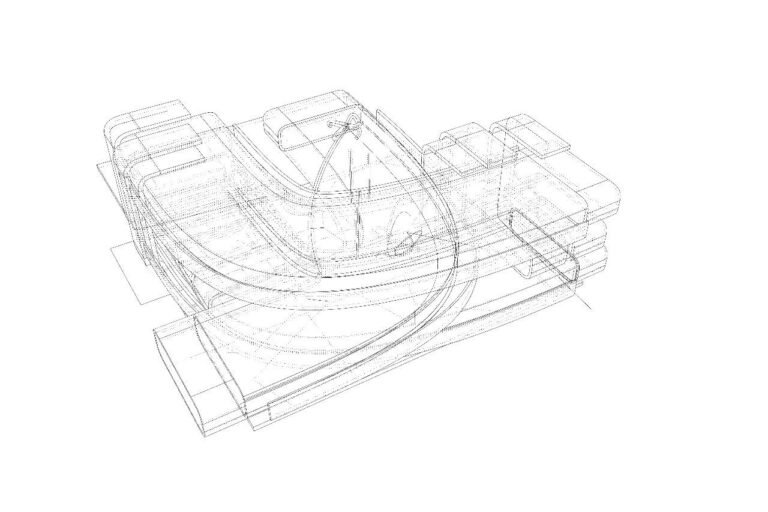
Revolutionizing architecture with AI: five ways artificial intelligence is reshaping design, from generative design and resource optimisation to maintenance.
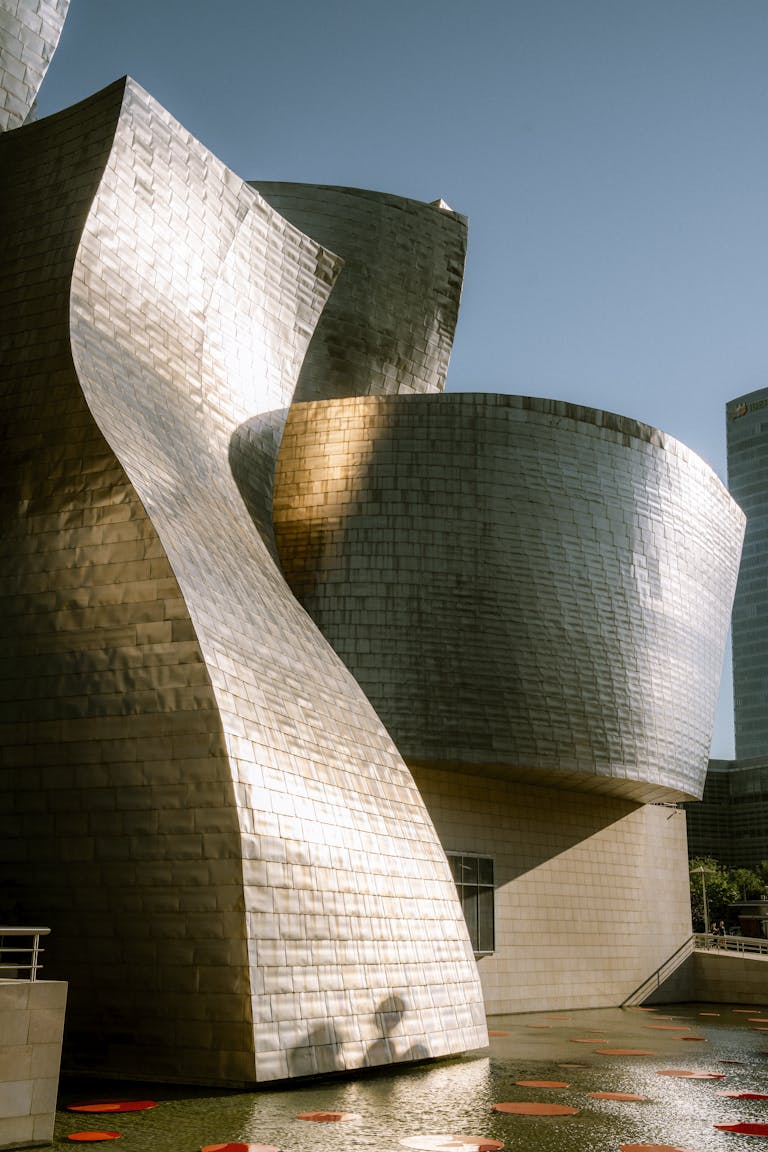
Sculptural architecture treats a building as a complete composition of mass, openings and shadow. What distinguishes genuine sculptural design from mere form.

Vernacular architecture is being revived in modern design as architects turn to regional materials and techniques for sustainable, culturally rooted buildings.
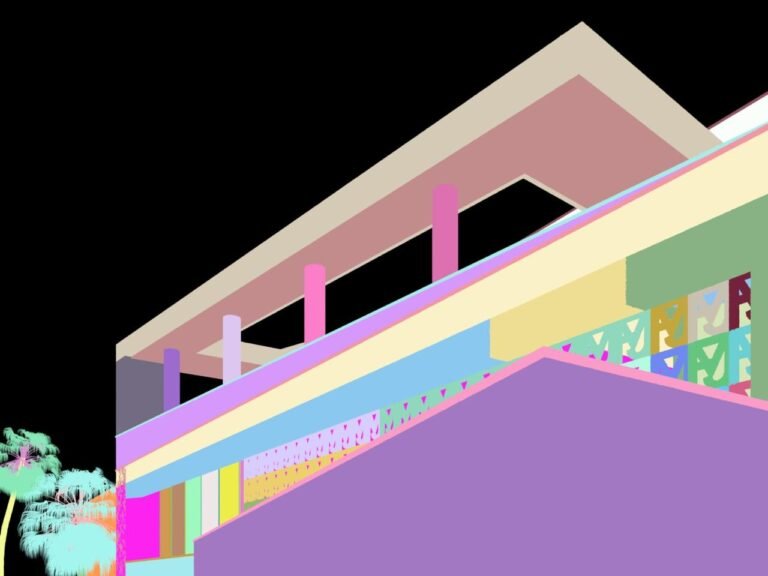
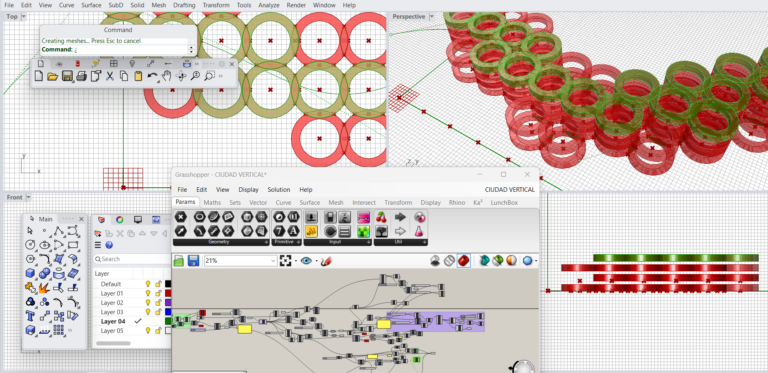
Parametric architecture uses algorithms to generate complex forms from defined parameters. Its principles, applications in interiors and the tools behind it.