The Paradigm Shift: Transitioning Design Tools from PCs to Mobile Devices in Architecture
PCs to mobile: how smartphones and tablets are shifting architectural design tools off the desktop, the apps driving the change and what it means for practice.

Research-led articles on architectural theory, practice, criticism, methods, and emerging ideas in the built environment.

PCs to mobile: how smartphones and tablets are shifting architectural design tools off the desktop, the apps driving the change and what it means for practice.

3D file formats for architecture carry more than geometry: layers, materials, quantities and data. How to choose the right format for each receiving team.

Hype Cycle and creative destruction explain how technologies emerge, peak and stabilise. What Gartner and Schumpeter reveal about architecture and business.

CAD engine technology underpins modern design software. The evolution of computer-aided design engines, the leading tools and their benefits across industries.

The next generation of architects faces declining enrolment, financial pressure and shifting expectations. The challenges and perspectives shaping the field.

Dutch Golden Age art and architecture of the 17th century, when merchant patrons and trade wealth made the Netherlands a centre of creativity and civic pride.

The future of housing for Generation Beta: smaller urban spaces, adaptable multifunctional interiors and technology shaped by demographic and climate change.

The dance of art and architecture spans centuries, from carved temples to cathedrals. How the two disciplines shape vision, emotion and the meaning of space.

Architecture as narrative: how buildings embody stories, characters and memory, from triumphal monuments to memorials, and who holds the authority to tell them.

The Architectural Diversity of Saudi Arabia spans 19 regional styles, from Najdi mud walls to modern towers, reflecting climate, culture and history.

Branding and Identity explained: how a distinct identity is built for products, services and ideas, and how it creates emotional connections with audiences.

ERG Theory applied to architectural design: how existence, relatedness and growth needs shape motivation in projects that serve individuals and communities.

Time-Responsive Architecture designs buildings to adapt and evolve over centuries, responding to changes in society, technology and the environment.

Cognitive Architecture designs buildings around human emotions and thought patterns, drawing on psychology and neuroscience to support wellbeing.

Quantum Architecture integrates quantum computing with building design to optimise performance, energy efficiency and data-driven decisions in cities.
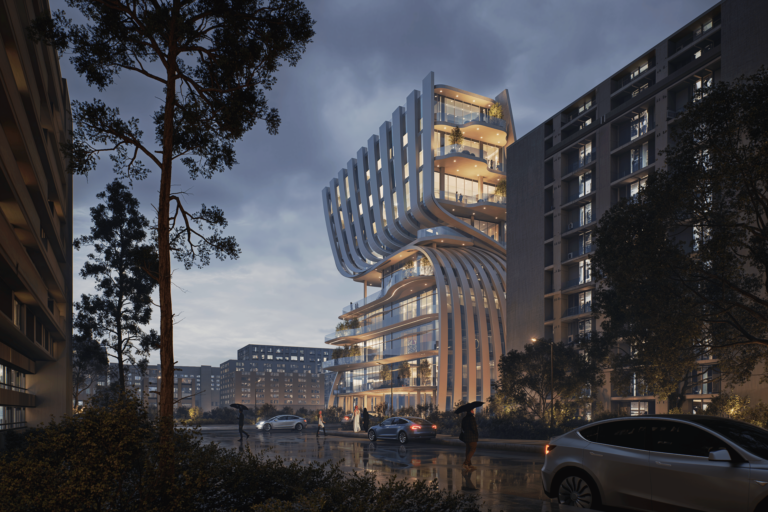
Architecture in the Metaverse frees design from gravity, materials and budgets; this article explores how architects build immersive virtual worlds.

Architecture Firms depend on a strong online presence to build trust and credibility; this article explains why it matters and how to make it memorable.
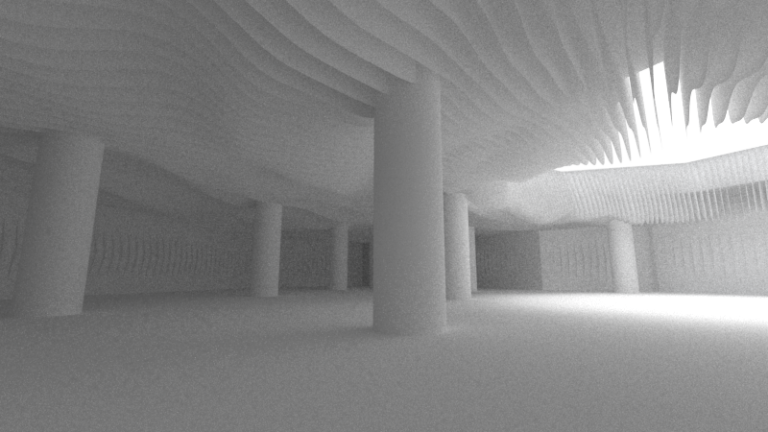
Science Fiction on Architectural innovation: how floating cities, vertical forests and modular habitats moved from the genre into real-world design.

Bionic Architecture applies principles from biological evolution to building design, mimicking natural forms and adaptive systems for efficient structures.

AI-Driven Architecture uses machine learning to reshape how buildings are designed, built and operated, with machines as active collaborators in design.
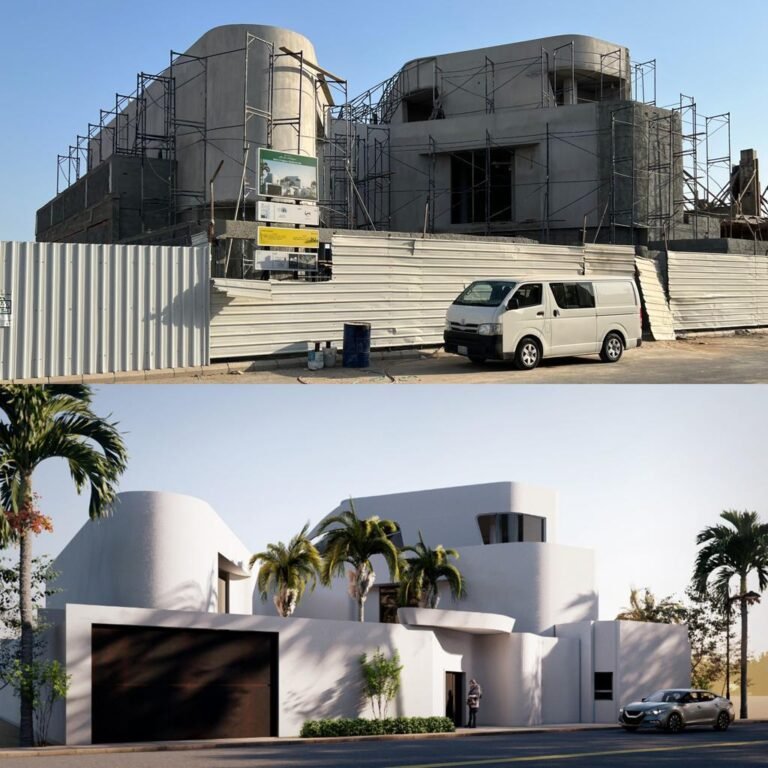
The Impact of Globalization on local architectural styles: how cultural exchange fuses traditions with global trends and challenges regional identity.

Architectural Ethics examines how architects balance aesthetics, functionality and responsibility to clients, communities and the environment in practice.

Architecture Impacts Society well beyond buildings: this article examines how design shapes culture, economic value, public life and individual well-being.

Are you tired of sifting through dense research reports, struggling to make sense of complex data? Look no further. Our comprehensive guide offers a unique solution to enhance visual research with an innovative color-coding strategy. By distinguishing between architectural, engineering, electromechanical, and safety measures, our research document provides clear and concise insights, all while maintaining a cohesive look. With our standardized approach, understanding complex data has never been easier. Join us as we streamline presentations and make findings accessible to all stakeholders. Dive into our guide and revolutionize the way you analyze information!
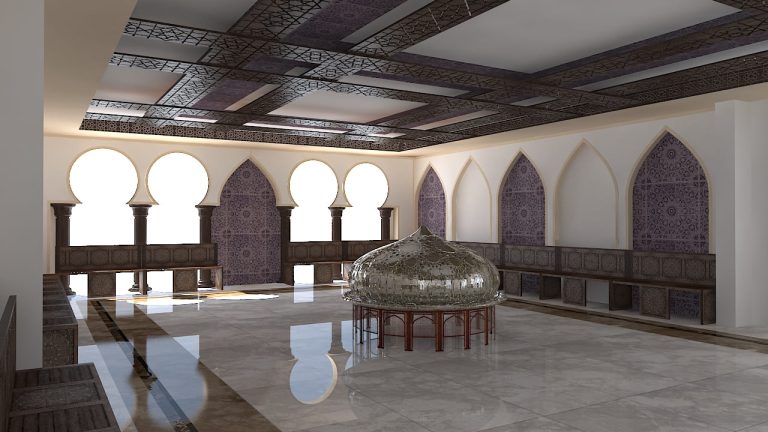
Cultural Architecture expresses the values, heritage and identity of a community, embedding memory, geography and ritual into museums, mosques and civic form.
Step into the world of Roblox and witness the power of creativity and imagination in action. With over 200 million active users, the platform is not just a game but a vast universe where children can design, build, and explore their own virtual worlds. What makes Roblox unique? It is the perfect environment for children to discover their passion for architecture and design, thanks to its immersive and interactive approach. Today, we delve into how Roblox is transforming the way we understand and shape architecture for the future. Join us on this exciting journey to discover the architects of tomorrow.

Architecture is one of the noblest professions, requiring a strong ethical foundation.” Learn more about the critical role of ethics in architectural competitions and how they advance innovative designs and solutions. Discover the key considerations for architects participating in competitions and the importance of upholding the integrity and confidentiality of the competition process. Explore inspirational stories and historical quotes, such as the Sydney Opera House, highlighting the significance of fair and transparent evaluation processes. Join us in preserving the trust and respect that the architectural profession commands worldwide by adhering to these principles. Visit our Architectural Philosophy page for further information.

Artificial Intelligence in Architectural Design is reshaping planning: how machine learning informs concept generation, performance and adaptability.

Saudi Arabian architecture from pre-unification mud-brick villages to today’s modern landmarks; this article traces the phases that shaped its identity.

Traditional design elements, refined over centuries, are being reinterpreted in modern architecture and interiors; this article explores how they blend.