White Land: Hajj Design Competition
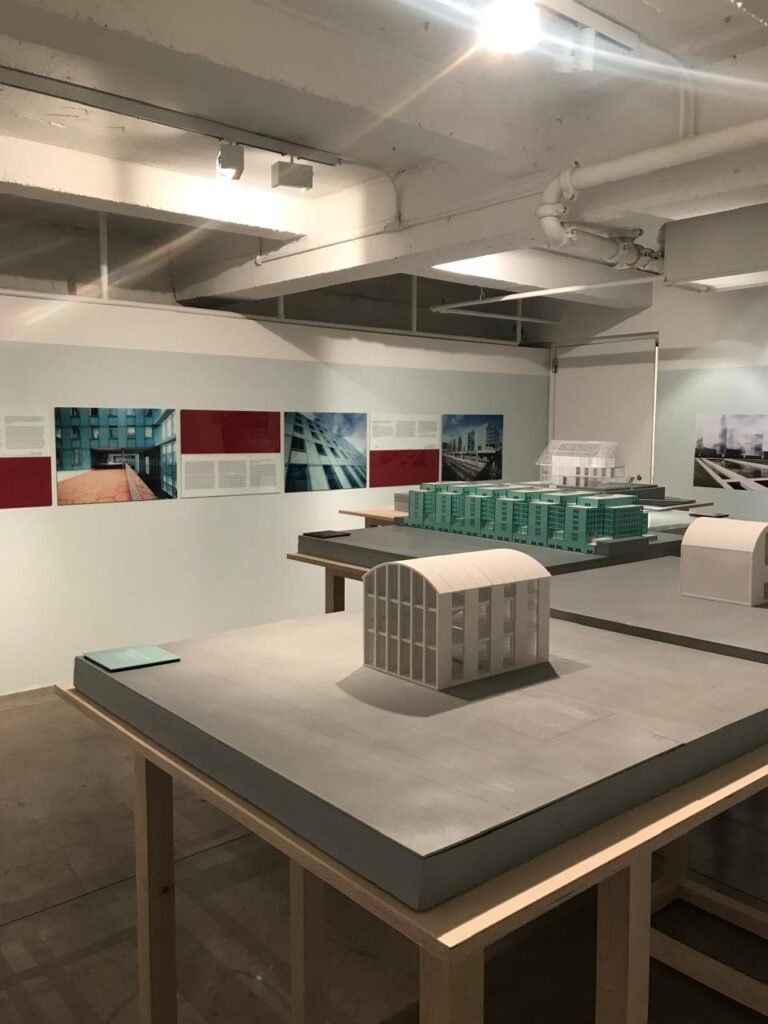
Hajj Design Competition entry White Land: a proposal addressing Mina’s tent-city capacity as pilgrim numbers are expected to exceed five million a year.

Research-led articles on architectural theory, practice, criticism, methods, and emerging ideas in the built environment.
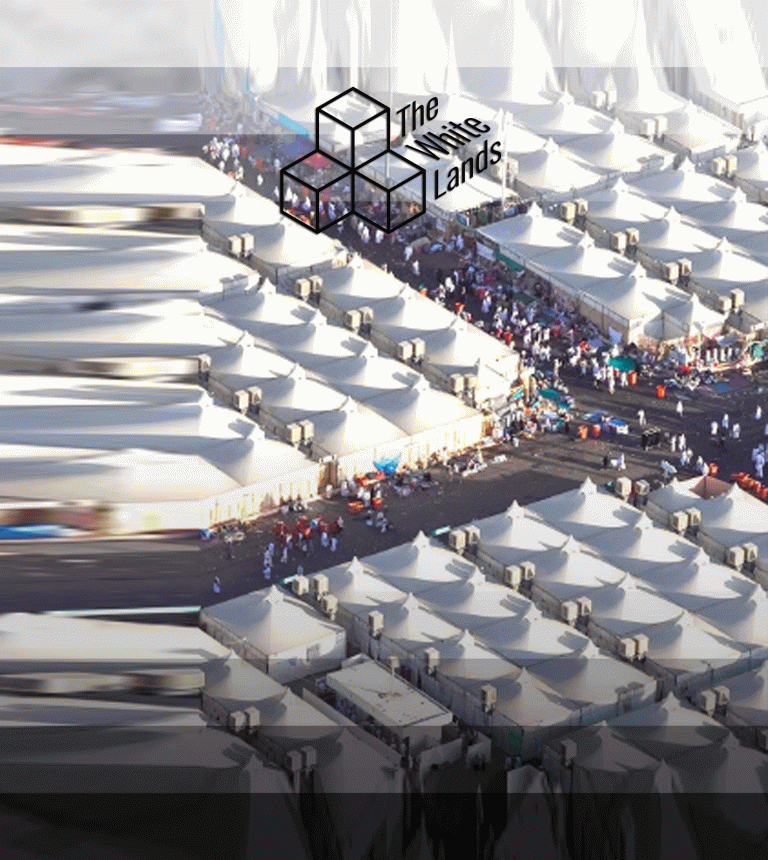
Hajj Design Competition entry White Land: a proposal addressing Mina’s tent-city capacity as pilgrim numbers are expected to exceed five million a year.
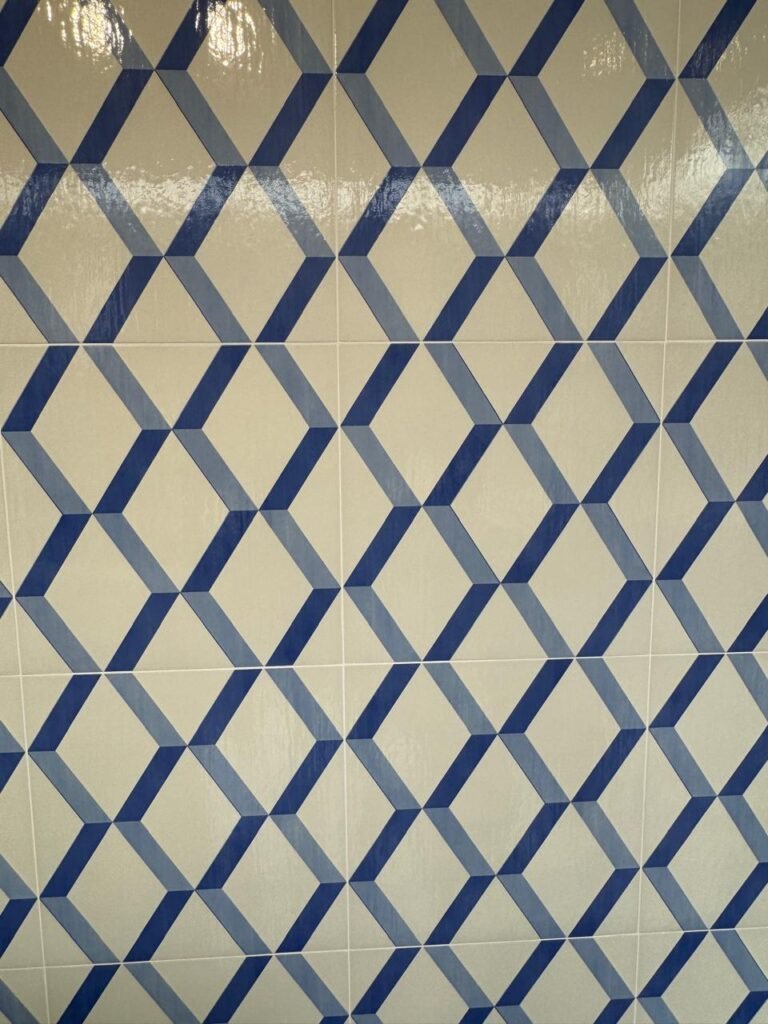
Traditional Islamic architecture is being revived in contemporary design through geometric patterns, calligraphy and the interplay of light and space.

Islamic architecture and its geometry: how patterns, arabesques and calligraphy in mosques, palaces and madrasas express faith, precision and spiritual meaning.

Architecture and interior design shape our daily lives, from the homes we live in to the buildings we work in; this article examines how each shapes experience.
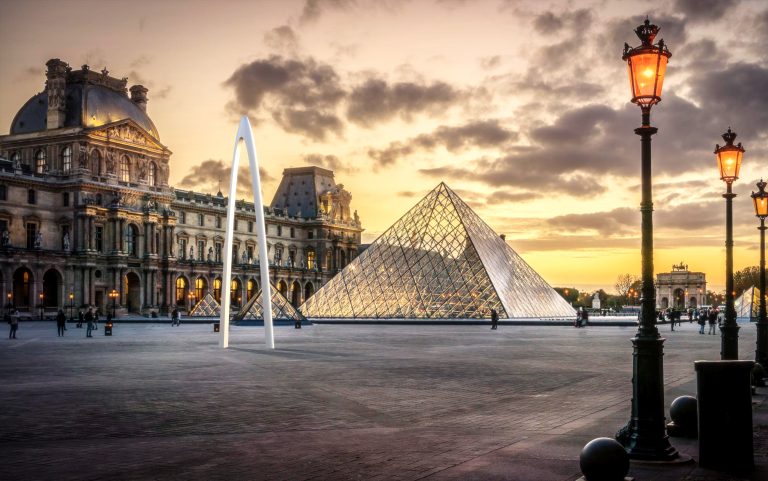
Cultural diversity in architectural design: how historical context, religion, climate and geography shape building forms, materials and ornamentation worldwide.
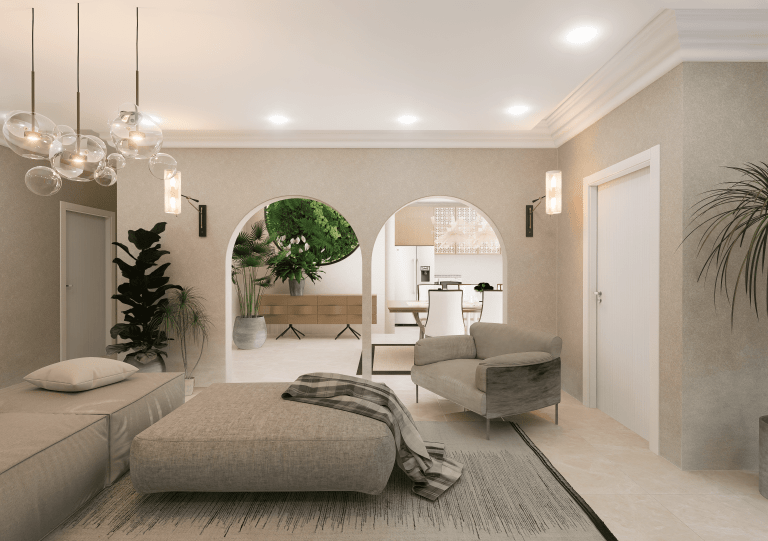
Minimalism in modern architecture: its key principles of simplicity, functionality and materiality, and notable examples of minimalist contemporary buildings.
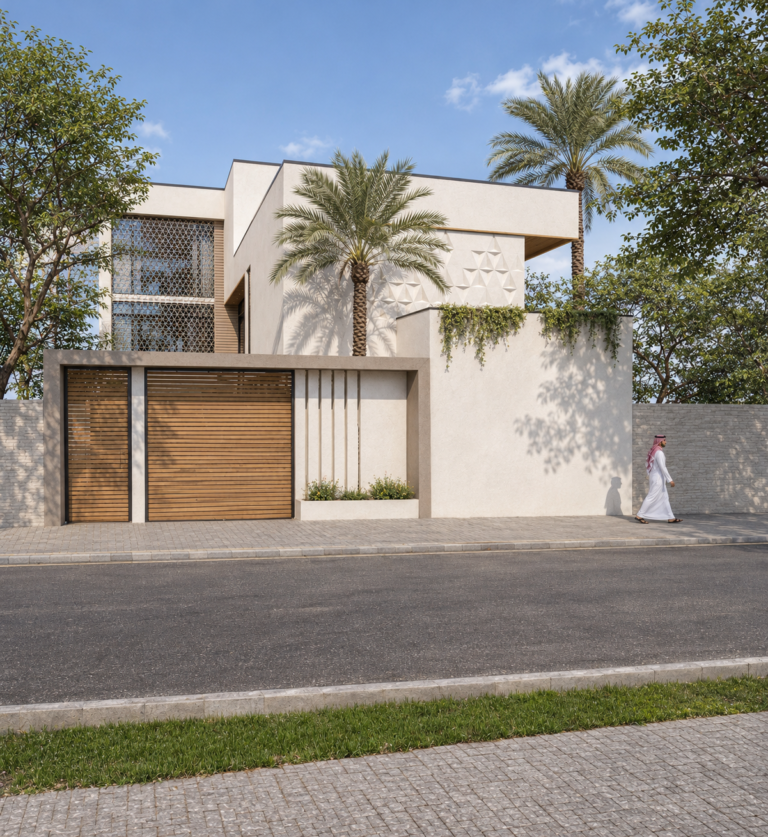
Cultural influence in modern architecture: how architects draw on diverse traditions, motifs and histories to create inclusive, culturally rich buildings.

Arabic architecture in its traditional form faces pressure from urbanisation; this article explains why and how mosques, riads and heritage are preserved.

Khaleeji architecture in Saudi Arabia blends tradition with modernity, reinterpreting parapets, screened walls and arches for contemporary design needs.

Traditional architectural styles of Al-Qatif can be adapted for modern use. This guide covers authentic materials, sustainability and functional design.

Al-Qatif’s architectural identity, with its high parapets, screened walls and arches, can be preserved in modern construction. This article shows how.

Design software tools every architect should use in 2024, from Adobe Creative Suite to modelling platforms, for staying competitive in a digital industry.
Cultural identity shapes contemporary architecture. This article examines how heritage and tradition merge with modern design to enrich the built environment.

Architecture and fashion share aesthetic expression, form and cultural influence. This article explores how the two design disciplines inspire each other.
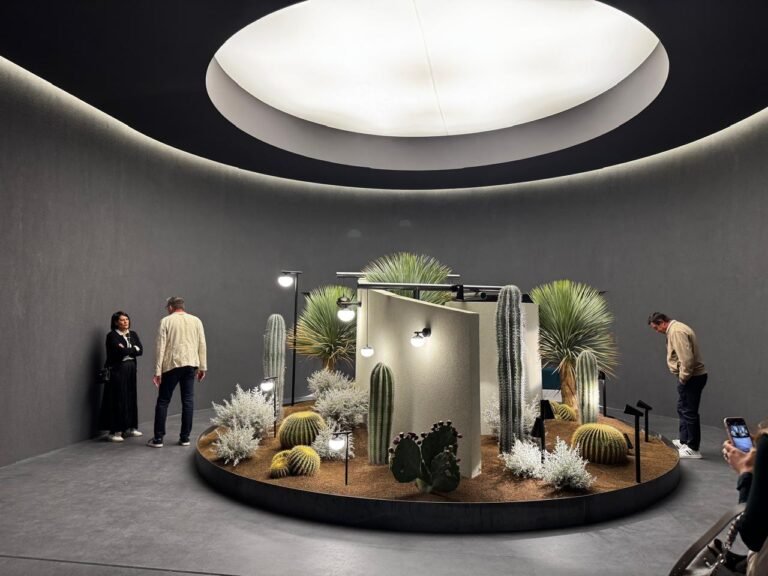
Architectural minimalism distils buildings to their essential elements. This article traces its roots and explains its use of light, space and clean lines.

Virtual reality in architecture lets architects and clients walk through projects before construction. This article traces its impact on design and visuals.

Architecture and interior design trends, from biophilic design and adaptable spaces to new materials, and how they are redefining contemporary buildings.

Modern architecture and minimalism: this article examines clean lines, neutral palettes, open plans and natural light as the core of minimalist design.

Virtual trends are reshaping real estate, from VR and AR home tours to digital planning tools. This article examines four developments changing the market.

Architectural model making is changing with 3D printing. This article outlines five ways additive manufacturing improves speed and precision in models.

2024 design forecast for architecture and interiors: the trends ahead, from technological integration and sustainable design to nature and cultural influences.

Understand Salmani architecture through its Riyadh origins, six charter values, and relationship between heritage, climate and contemporary life.
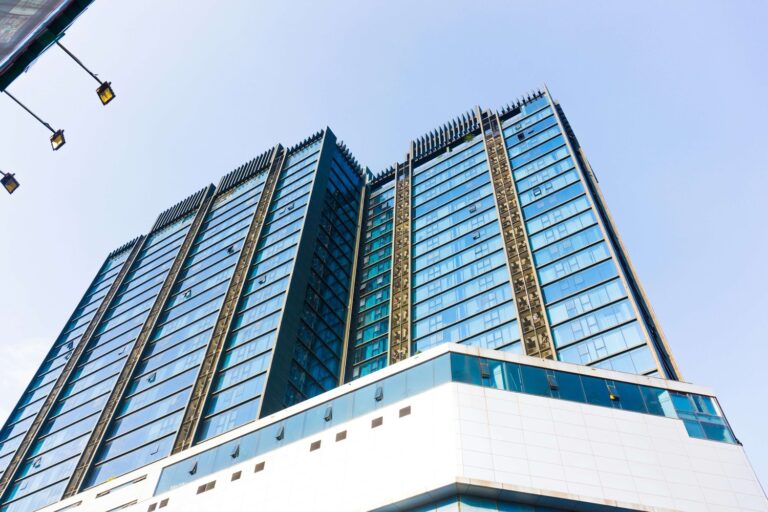
BIM in prefabrication: how Building Information Modeling streamlines communication, collaboration and quality in prefabricated construction projects.

Urban water and sanitation systems in ancient Rome: how an open drain grew into the city’s first underground sewer as Rome and its civic buildings expanded.

Sanitation in ancient Rome: the history of the sewers, public toilets and baths that set Rome apart from other ancient cities, and the limits of that progress.

3D modeling and 3D rendering in architecture: why the two terms are confused, what sets each apart and why the difference matters for architects and clients.

The Impact of Architecture on mental health: biophilic design, natural light, plants, water and spatial planning as tools for restoration and well-being.
Explore trends and innovations in design: from AI-assisted design and machine learning to virtual reality and 3D printing, and how technology reshapes it.
The Future of Architecture with virtual and augmented reality: how immersive technologies change the way architects design, collaborate and present work.

Interior design and its impact on health: how the spaces we live in shape mental and physical well-being, and how design promotes calm and productivity.