Making Your Next House An Eco-Friendly Building
Eco-Friendly building for your next house: why sustainable demand is rising and practical ways to make a new home greener and lower its footprint.

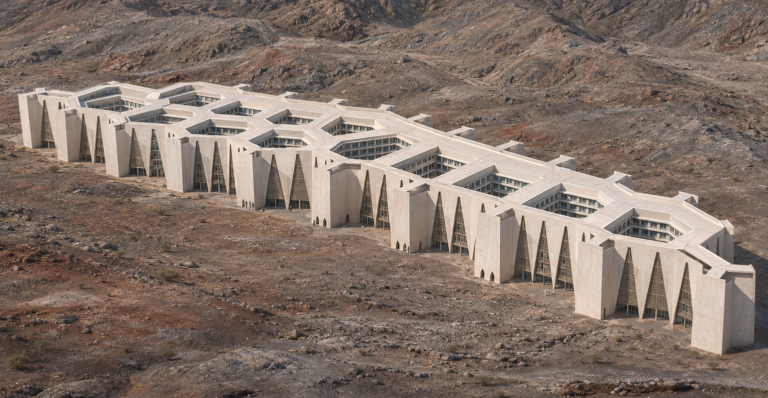
Eco-Friendly building for your next house: why sustainable demand is rising and practical ways to make a new home greener and lower its footprint.
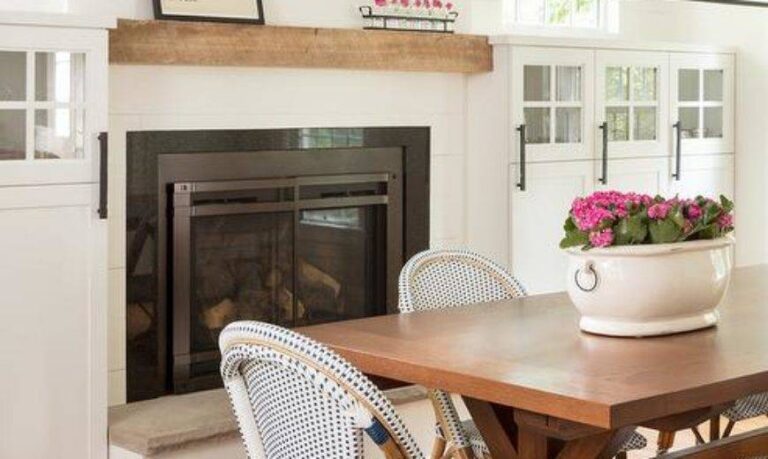
Shaker Home design explained: its origins with the Shaker community, defining traits of simplicity and natural materials, and its lasting appeal.
Senior Housing and rustic-chic design: pale neutrals, reclaimed wood and natural textures that balance warmth with a contemporary appearance.

Green Home Building ideas and techniques: eight methods, from passive solar design to efficient materials, that cut energy use and protect the planet.
The importance of healthy buildings for investors and architects: findings of the BGO, UNEP FI and CfAD study on rising demand for measurable health outcomes.
Neighborhood Development in the traditional way: what a TND is, from mixed housing and walkable streets to an active centre, and its contrast with New Urbanism.

Community garden benefits and types: how shared gardening builds cohesive neighbourhoods, raises property values, lowers crime and improves the local image.
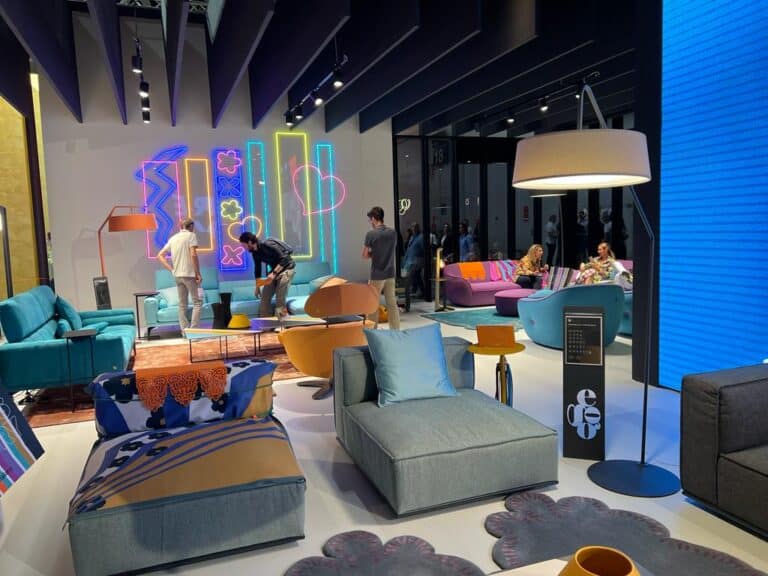
How color flows throughout your home: choose a neutral signature colour, vary accents from room to room, keep floors consistent and relate paint to furniture.
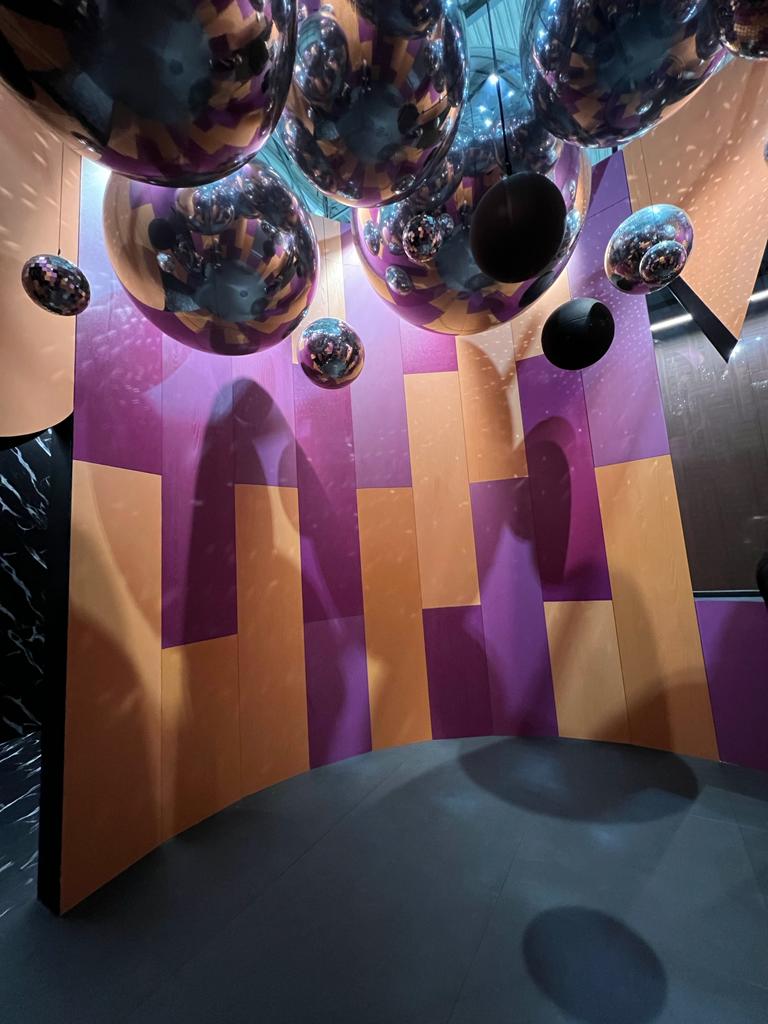
Choosing the colors in the furniture: practical tips on where to start when decorating a new or renovated room, and how furniture colour affects its mood.

Home construction and extreme weather: how wind, rain, snow, heat and sun affect a house’s structure, and why builders choose durable fiber cement siding.
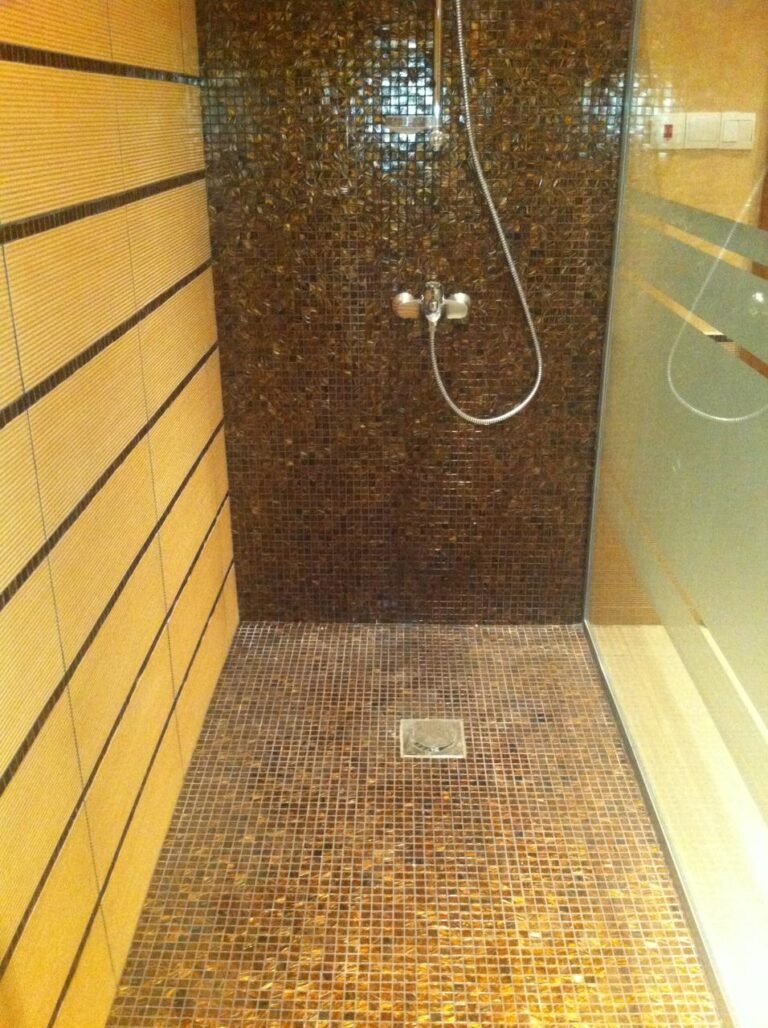
The latest trends in bathroom designs 2022: vintage styles with sleek touches, touchless faucets, sink replacements and organic materials for a relaxing space.
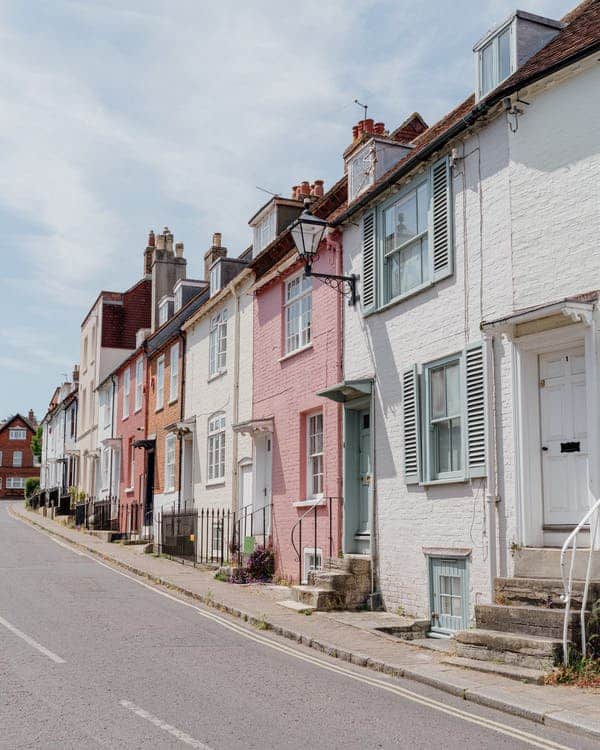
Urban and rural housing compared: differences in cost of living, jobs, space and lifestyle that first-time homebuyers should weigh before choosing a location.
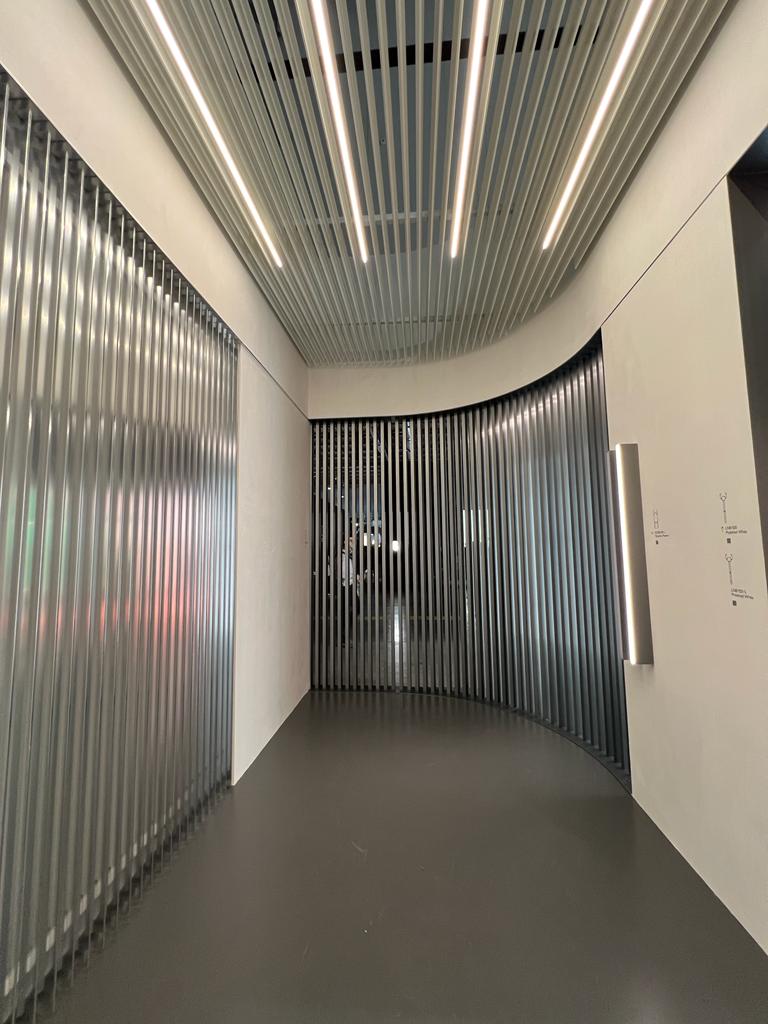
Reconfigure environments with dividers and partitions: how screens define zones indoors and out, in commercial and residential settings, and add dimension.

Minimalism in interior design is more than a white box: this article traces the philosophy of less is more, its 20th-century origins and its focus on function.

Net zero energy buildings generate as much energy as they use; this article sets out the fundamentals, design guidelines and tools for efficient NZEB projects.
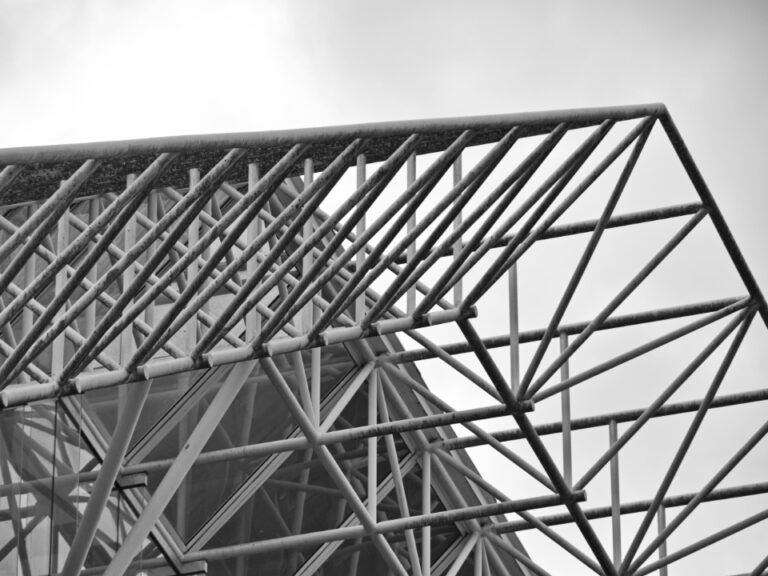
Prefabricated building techniques: five methods modular construction firms use inside the factory, starting with laminated wood wall panels, to raise accuracy.
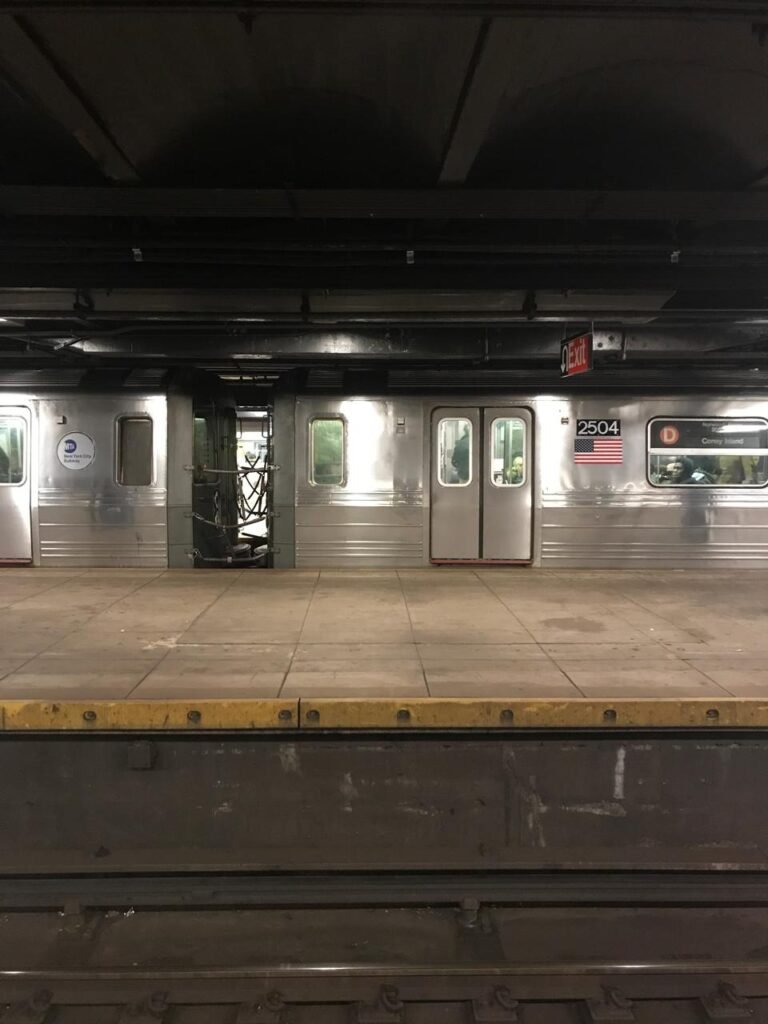
Social infrastructure explained: what counts as long-term social assets such as housing, hospitals, universities and schools, and how it differs from economic assets.
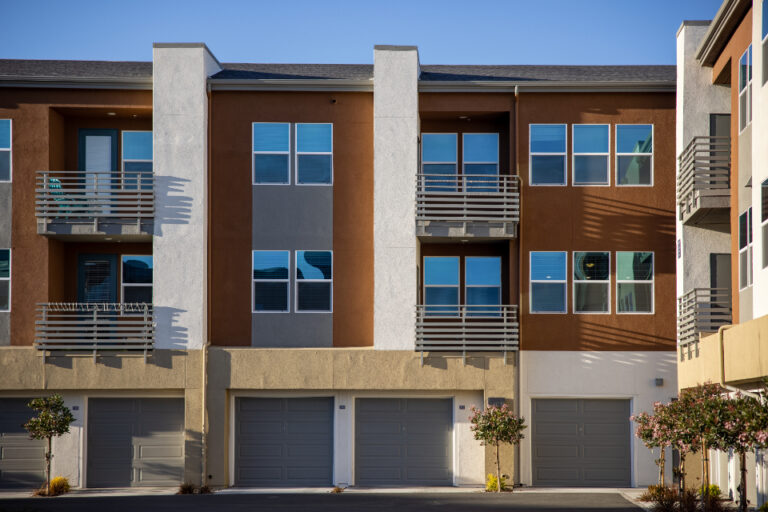
Micro-apartments: what they are, why they are spreading in large cities and the United States, and whether they answer the shortage of affordable urban housing.
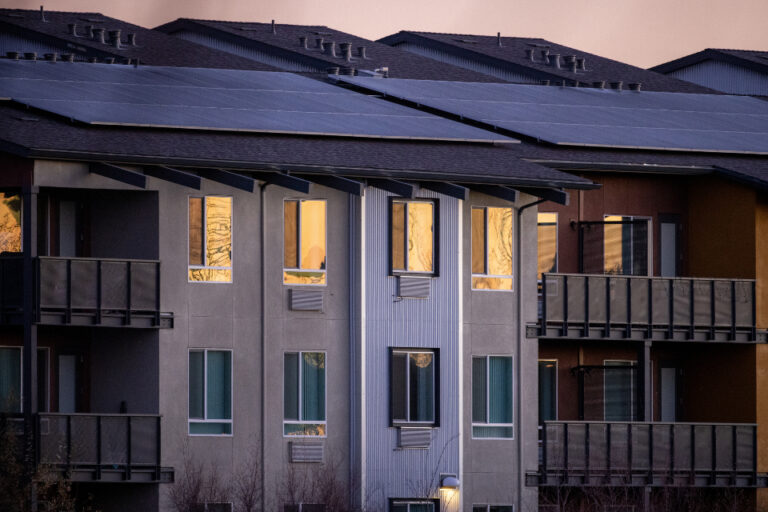
Solar architecture explained: how buildings use the sun’s energy through solar panels, how solar power is produced, and the savings for homes and businesses.

Home for the elderly: nine design considerations for a residence that stays comfortable and safe as you age, from wider doorways to accessible entrances.

Ancient Chinese architecture: seven standout characteristics, from wooden structures and low-rise forms to courtyards, ornate roofs and classical gardens.

Exterior VS Interior Design: how the two disciplines differ in users, technical demands, materials and site, and where they meet at the threshold.

Minimalist architecture defined: its origins, key traits of reducing buildings to essentials, and how space, light and structure take centre stage.

Split-level living room design case study: three suggestions from a Pandan Valley home on modular furniture, screens and planning between levels.

Indoor and Outdoor Living combined in one room: how to define a vision, choose materials and furnishings, and connect the home with its surroundings.
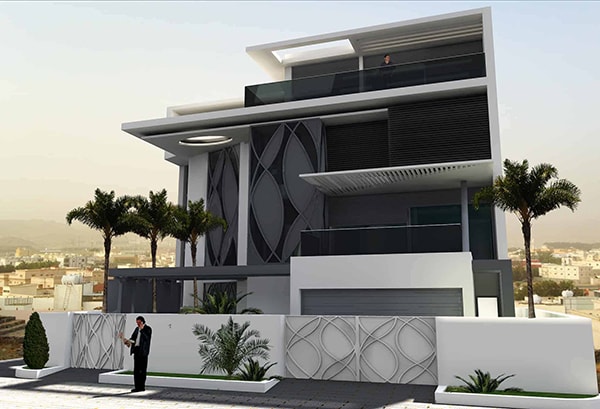
Home design for a mid-sized family: choosing the right size and layout, living wiser rather than bigger, and avoiding choices you may outgrow.
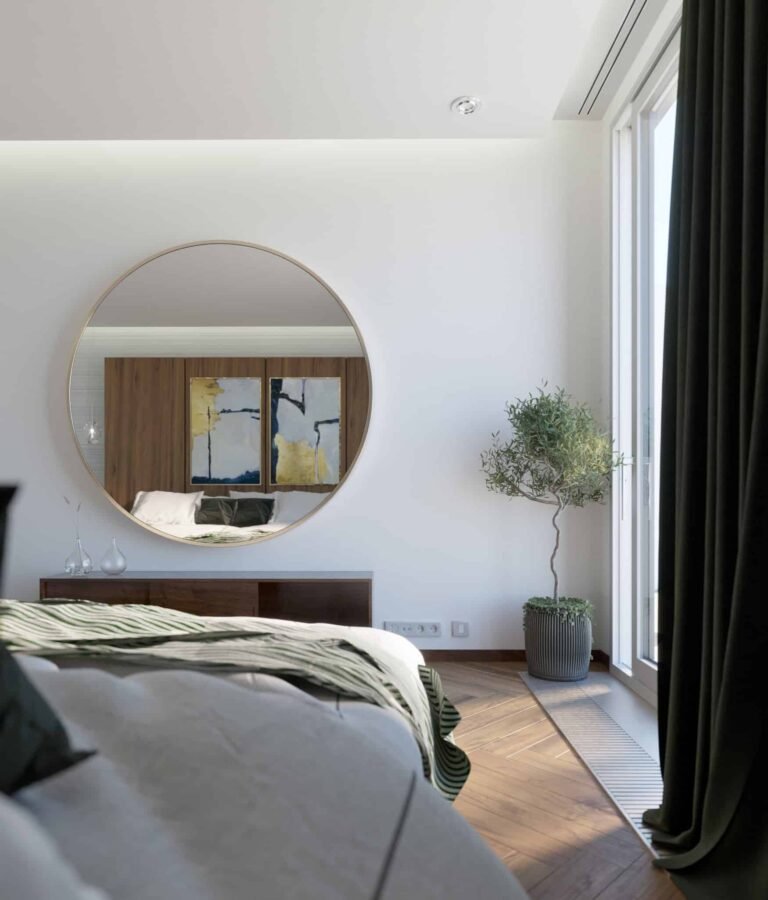
Interior Design fundamentals for novices: what the profession involves and five principles to get started, from balance and colour to space planning.

Saudi housing in the modern era: government programmes, rising demand from young families, and why affordability remains the central challenge.
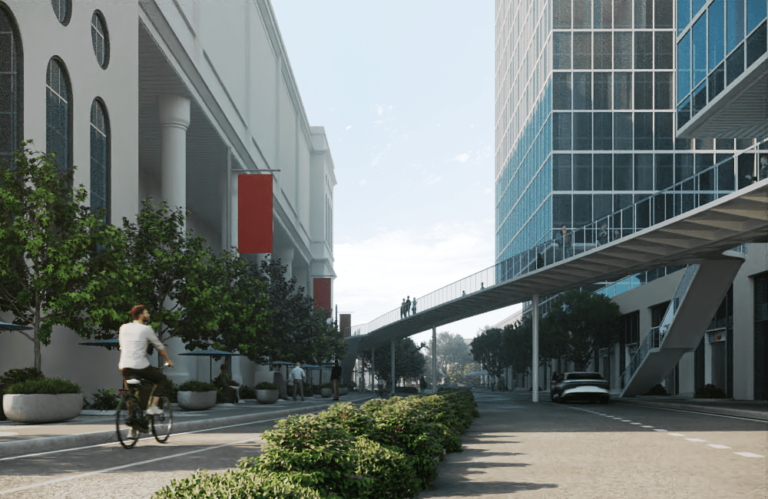
Net-zero city planning for sprawling urban areas: six characteristics of healthy urbanisation, from density to transport, that cut emissions by 2050.
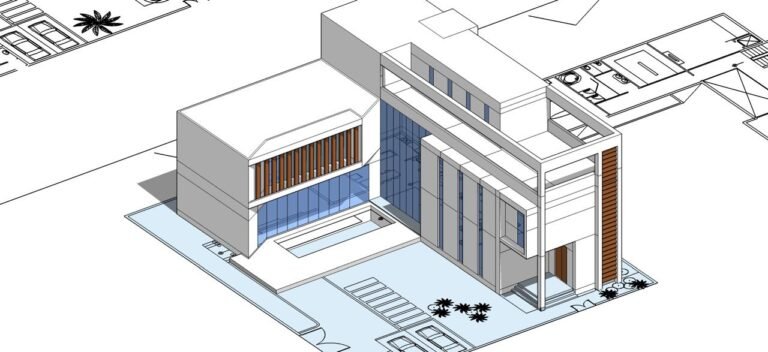
Value Added by a good architect in seven ways: modern kitchens, efficient layouts and sustainable choices that raise a property’s worth and appeal.