5 Ways Technology is Proven to Support Improving Construction Efficiency
Technology in construction: five proven ways new tools improve efficiency, and how professionals can assess which investments deliver long-term savings.


Technology in construction: five proven ways new tools improve efficiency, and how professionals can assess which investments deliver long-term savings.

3D architectural models in the digital age: how new technology makes modelling accessible, and the advantages it brings to project visualisation for clients.
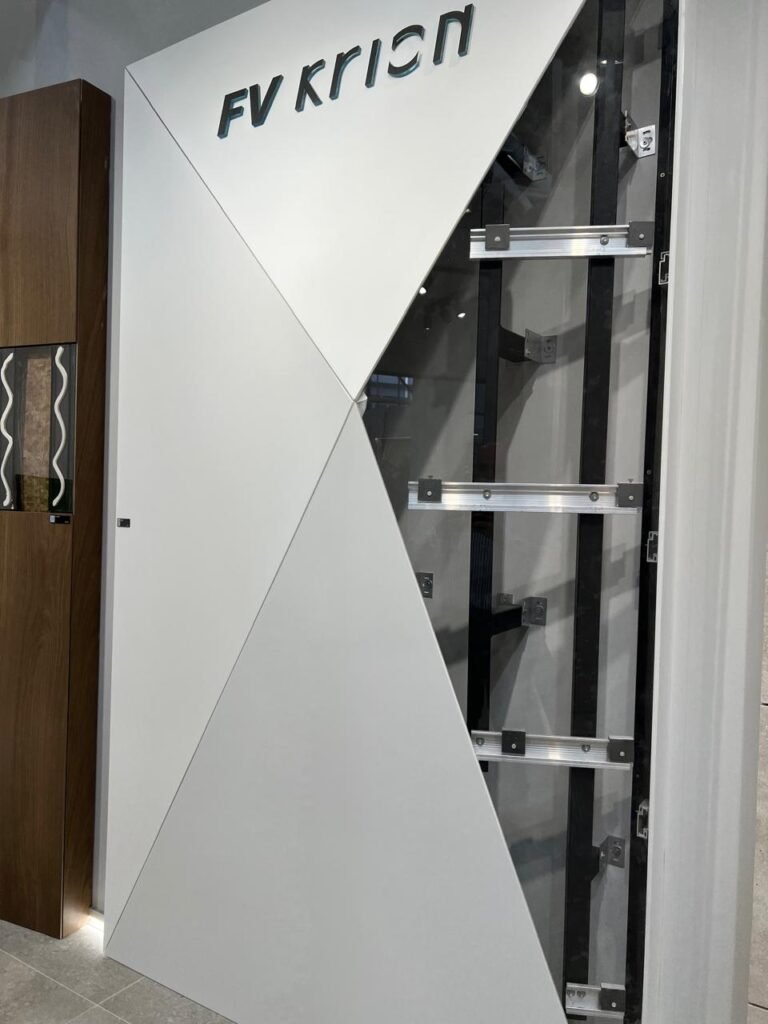
Newest technological trends for reducing environmental impact: smart appliances, eco-friendly construction, solar and wind power, biodegradable materials.
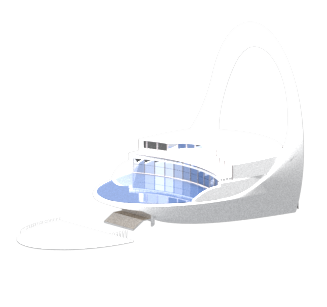
Dynamic architecture and how it applies to architectural elements: start by defining a measurable purpose, such as cutting solar heat gain, glare or ventilation.

The impact of technological progress on dynamic architecture: two kinds of movement, dynamic in the visual field and static in perception, and designer control.

Architecture of transportation: an overview of how travel evolved from walking to trains, planes and metros, and how it shaped stations and urban design.

Tools for online mapping compared: four digital planning platforms, including GeoCommons, assessed on nine criteria to help choose the right one for a project.
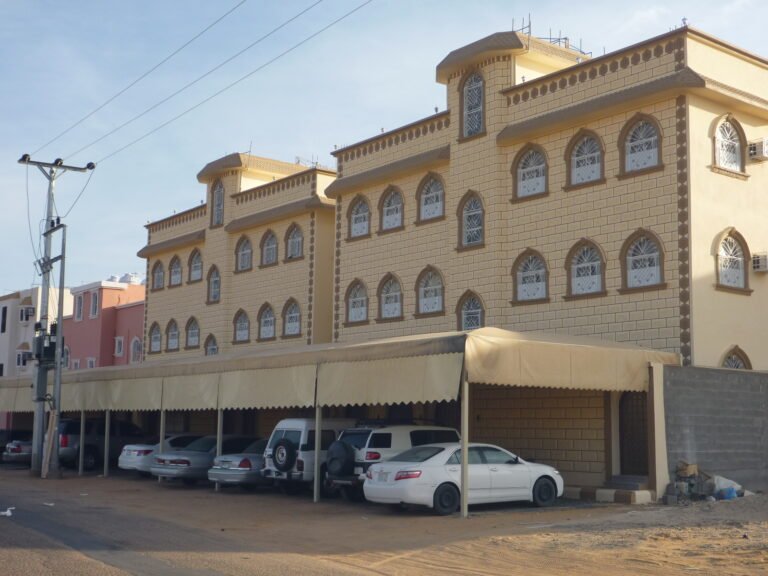
A working field method for photographing a building on site, covering preparation, timing and natural light, controlling verticals, lens and viewpoint, and the progress and handover documentation that serves a live project.

Architectural photography is how most buildings enter public memory. This essay treats it as a discipline of seeing, from composition and light to vertical correction and the ethics of representing a building truthfully.
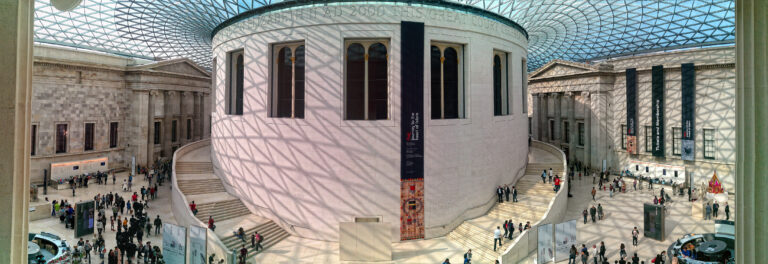
A professional guide to building an auditable parametric design workflow, from variables and constraints to validation, coordination and fabrication.

Engineering is the invisible discipline behind daily life, from bridges and aircraft to the water and power systems a society quietly depends on each day.

Congestion is not solved by more asphalt but by smarter systems, and the smartest cities treat intelligence as strategy rather than mere gadgetry.
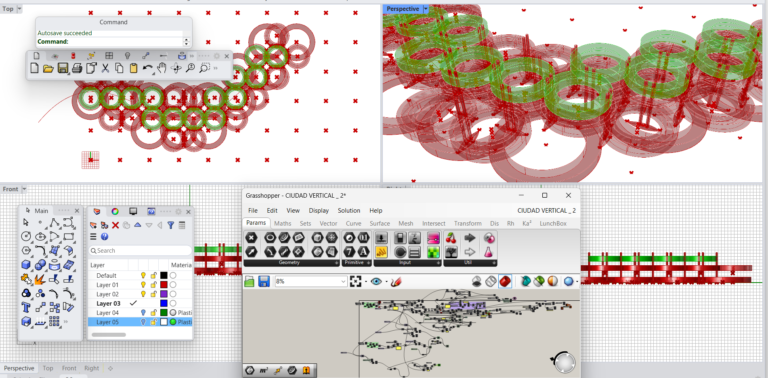
Parametric design has moved from architectural experiment to the core of how ambitious buildings are conceived. We explain what it means, why it unites beauty and performance, and why it suits the complex, climate driven work now under way across the Gulf.

Augmented reality uses in engineering and design: how VR and AR help architects present projects, convince clients and improve the design process itself.
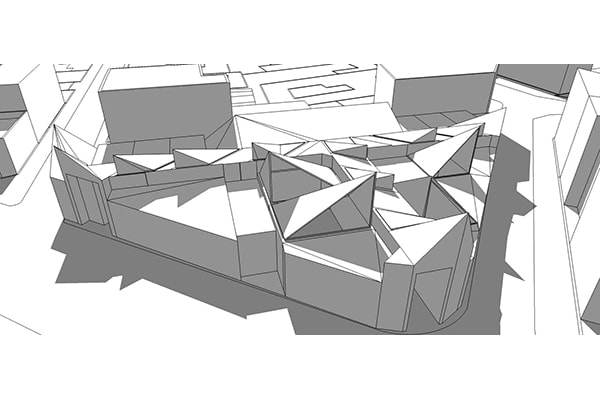
Building technology evolves in the tension between the economic drive for stability with the least material and the expressive drive toward meaningful form, from the Gothic vault to the towers of the Gulf.
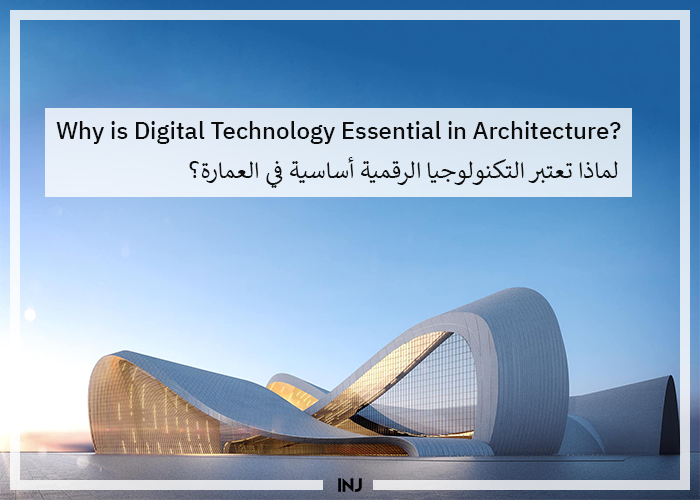
Why is digital technology essential in architecture? How digital tools help architects visualise, evaluate and refine designs before construction begins.
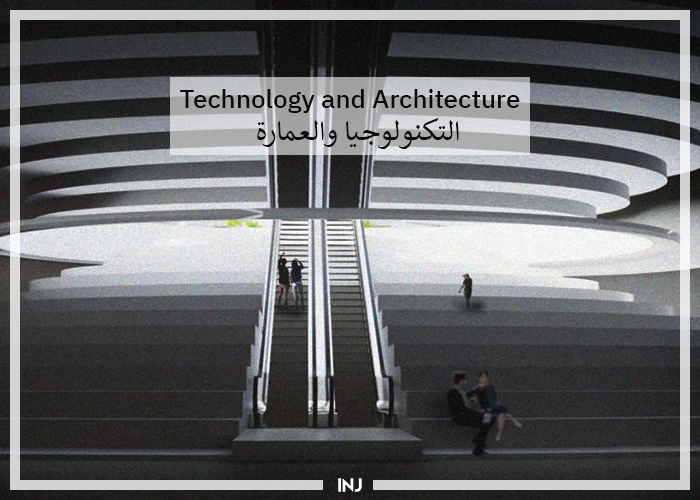
Technology and architecture: how advanced technology is changing architectural and interior design, the ideas it makes possible and its impact on practice.