The Concept of Luxury in Modern Interior Design
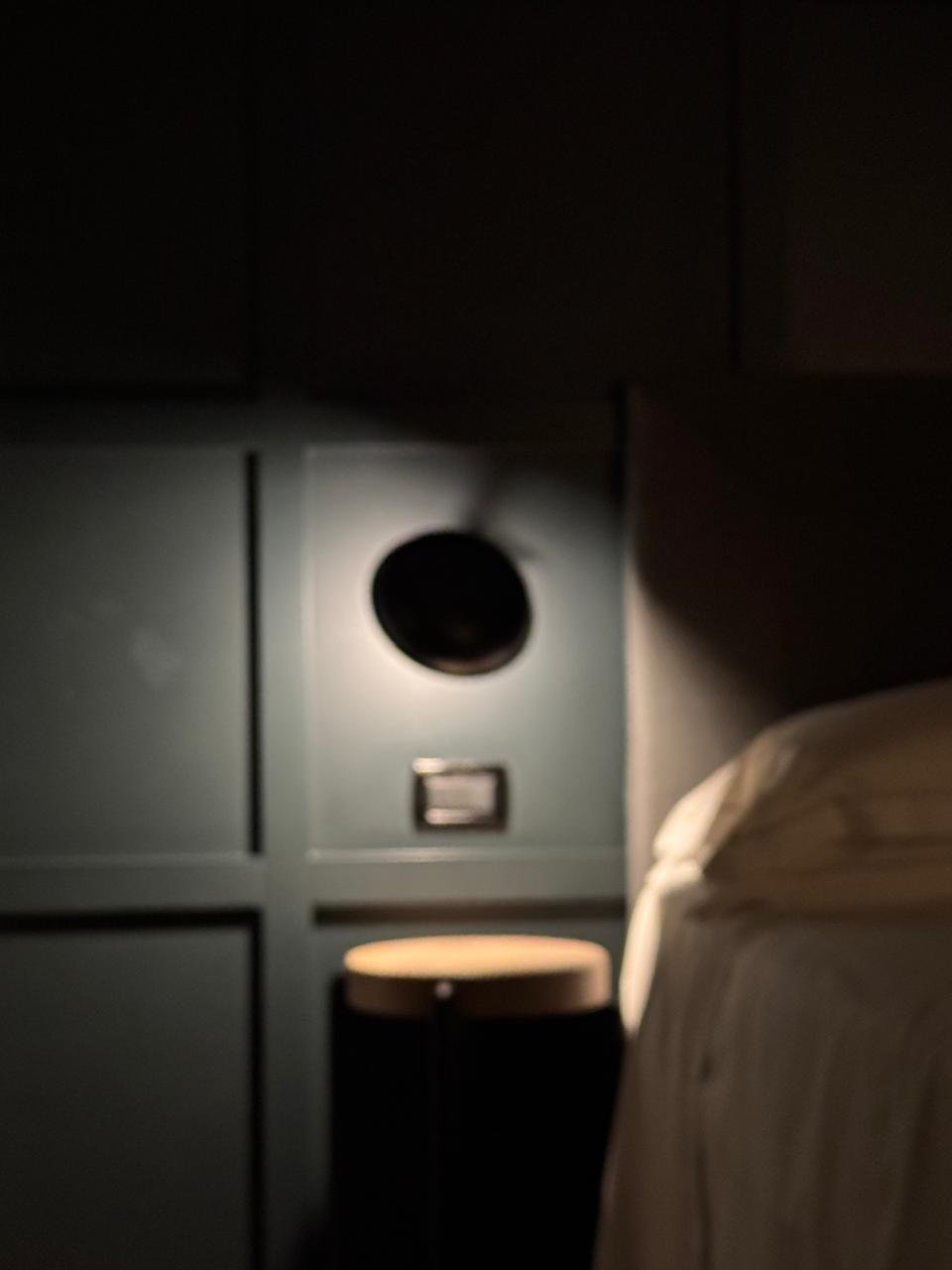
Bedroom display with an upholstered headboard and bedside lighting. Photography: INJ Architects.
Luxury in modern interior design is a quality of restraint rather than excess, a sense of calm, sophistication and comfort achieved through considered choices rather than expensive ones. The word luxury often makes owners fear a costly renovation, yet the modern reading of it shows that a space can look and feel expensive without being so, because luxury here is a discipline of editing, not of spending.
What modern luxury actually means
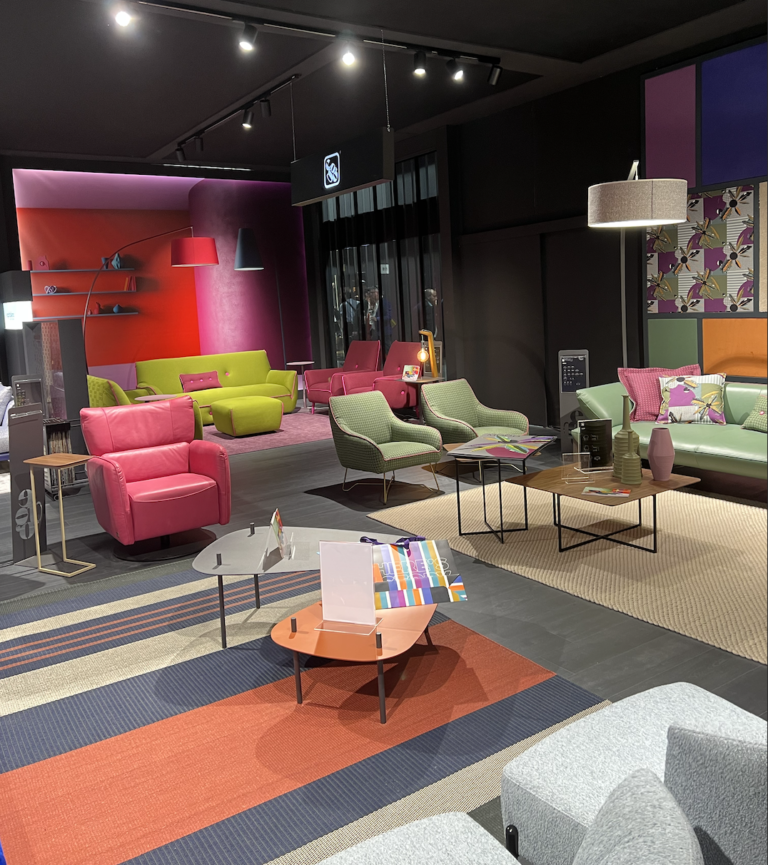
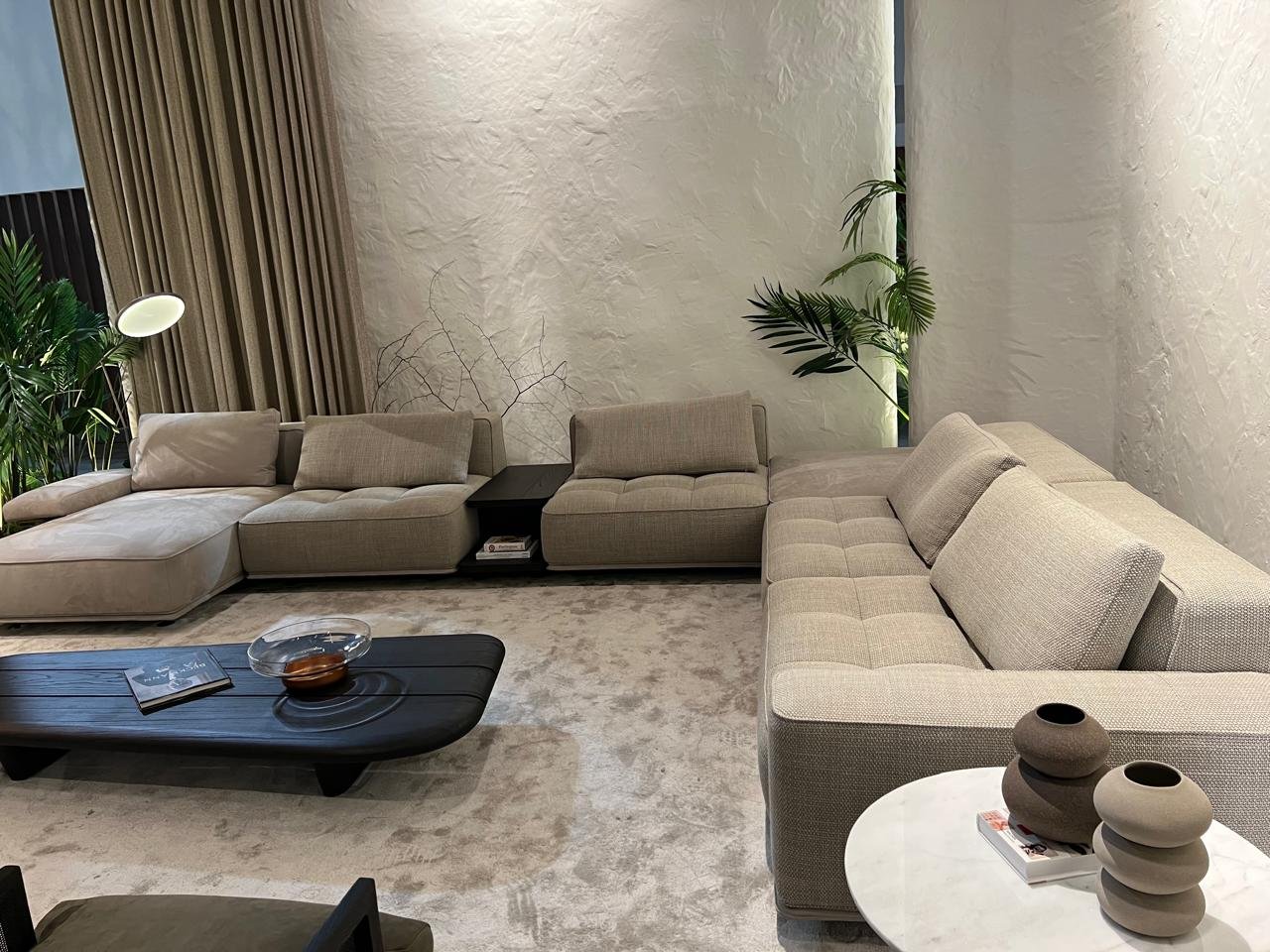
Modern luxury is built on the clean, uncluttered modern style that emerged in the late nineteenth century, and it signals a high standard of living through simplicity rather than ornament. It is assembled from a careful palette, a controlled set of materials, a measured arrangement of furniture and a few deliberate details. Often a single well chosen piece, a sculptural chair or a work of art, carries the luxury of a whole room, which is the clearest sign that the effect comes from judgement rather than quantity.
Colour, material and the discipline of the palette
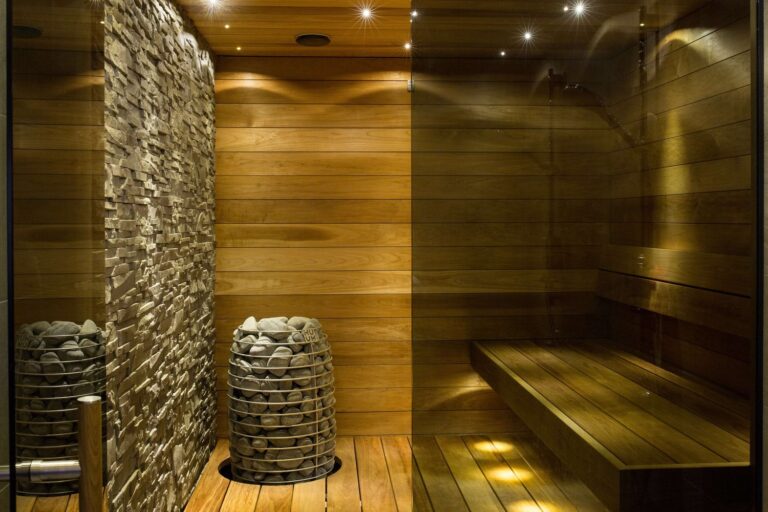
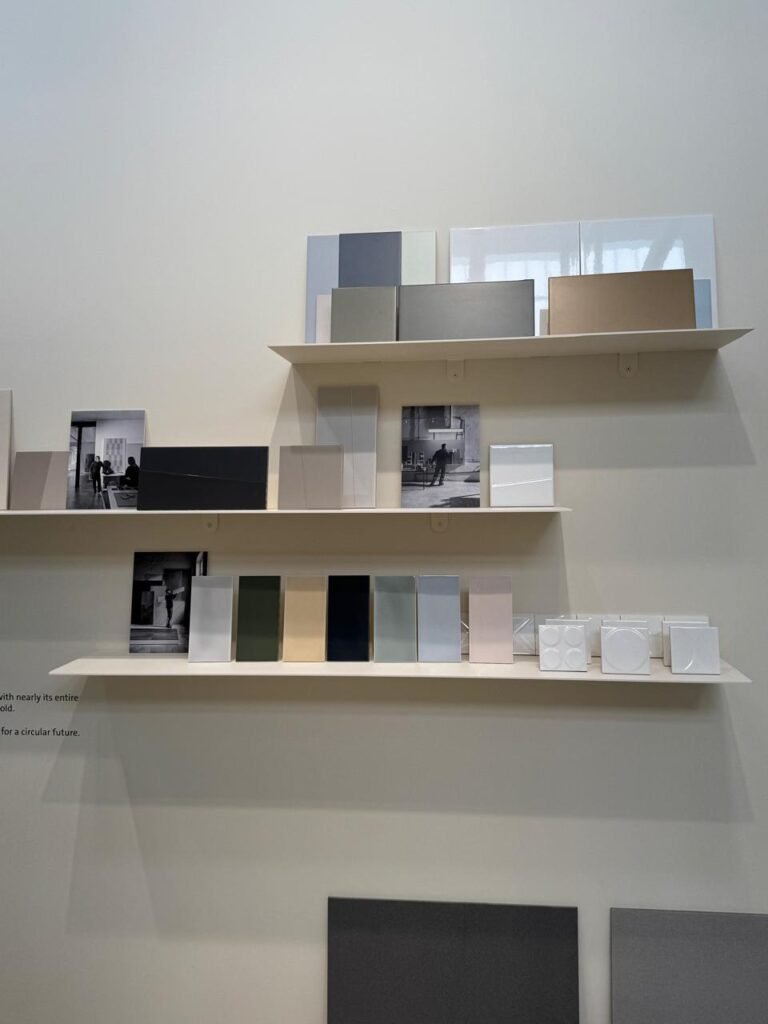
Colour sets the tone. A modern luxury interior usually rests on a base of neutral and modern tones, grey, black, white, brown and beige, lifted by a restrained use of metallic or jewel accents such as deep red, emerald or warm gold. A reliable method is to choose a small number of neutral base colours and let one or two richer tones act only as accents. Material does similar work. Durable natural fabrics such as cotton, linen, silk and leather, and richer ones such as velvet, sit alongside natural stone, timber and even exposed concrete to give a space depth and a sense of permanence. Where natural marble or hardwood is beyond the budget, well made engineered alternatives carry much of the same character, provided pattern is kept quiet, because the style depends on an uncluttered environment.

Furniture, light and the final details
Furniture in this language favours clean straight lines and simple geometry over curves and intricate detail, so the most useful pieces are the quietly practical ones that settle into the room rather than compete with it. Marble and glass surfaces, matt or polished finishes and discreet metallic trim all read as quality without shouting. Lighting then shapes the mood, with a restrained modern pendant or chandelier set against recessed and accent fixtures, and warm light chosen to make the space feel composed and welcoming. The last layer is the smallest, a few vases, a considered stack of books, a piece of modern art in a simple frame, the details that make a room feel finished.
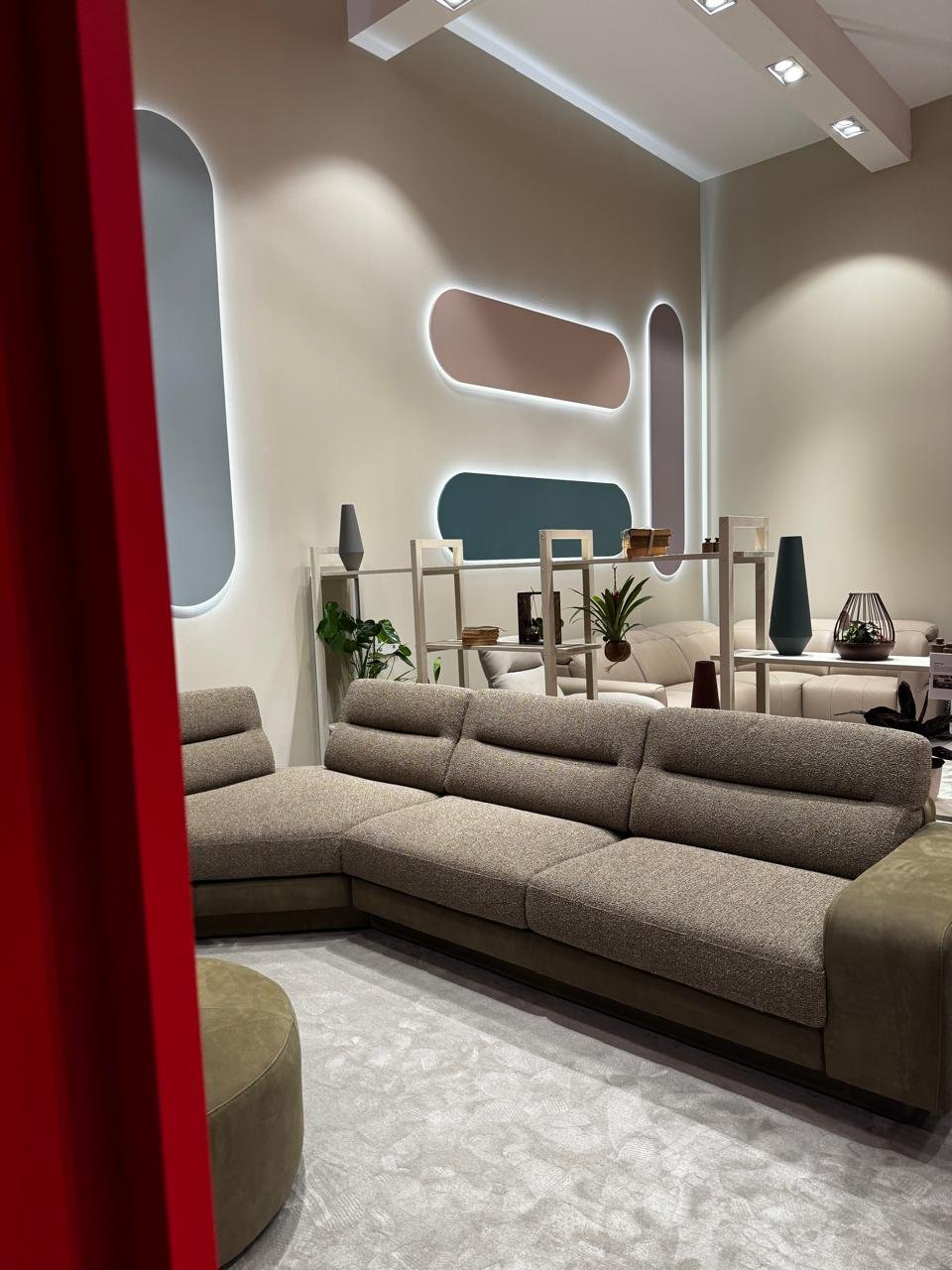
Read this way, luxury stops being a price and becomes a point of view, one that values space, light and restraint above display. It is an approach that travels easily into a Saudi home, where a love of generous hospitality and fine material meets a modern taste for calm, and it connects naturally to our wider reading of interior design trends in Saudi Arabia and of sustainable architectural design. The best interior, in the end, is not the most expensive one but the one its owner genuinely loves to live in.
Sources: Pile, J. F., A History of Interior Design; Ching, F. D. K., Interior Design Illustrated.