Design Debt: Cost Never Disappears. It Moves to Someone Else
Value engineering is not deletion. It is the discipline of tracing where cost moves across time, cash flow, construction, operation and maintenance.
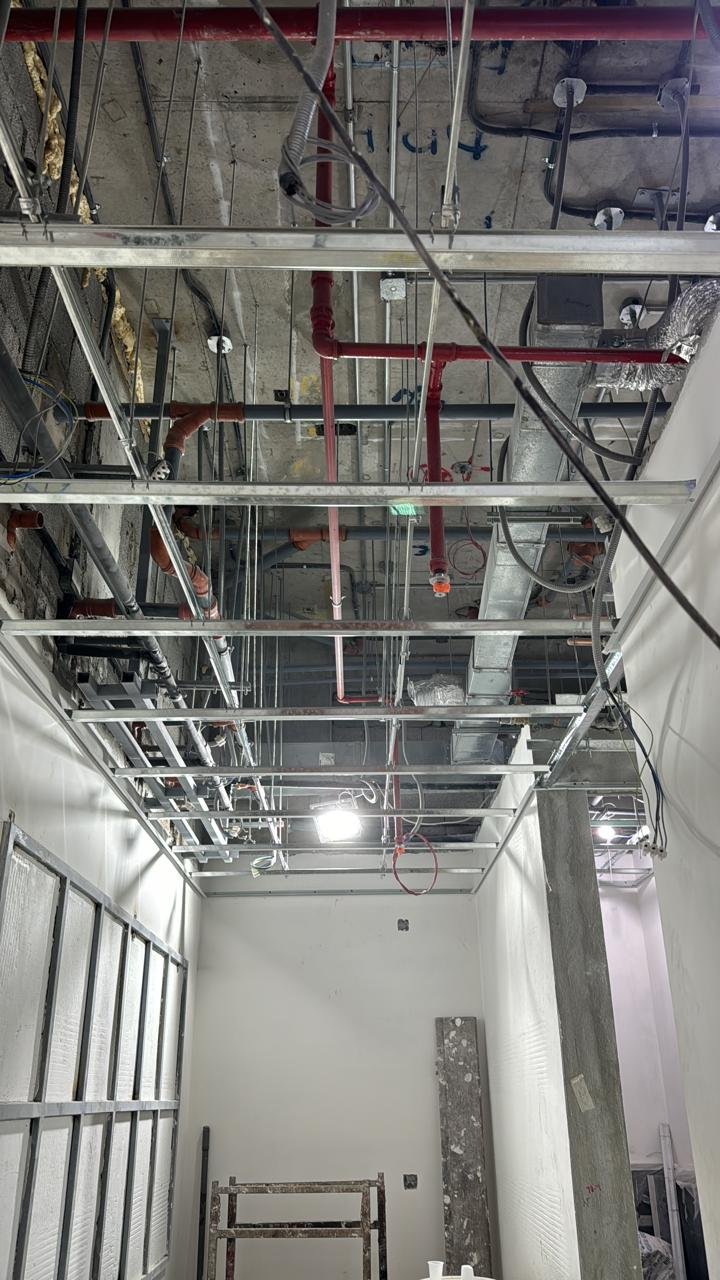
Value engineering is not deletion. It is the discipline of tracing where cost moves across time, cash flow, construction, operation and maintenance.
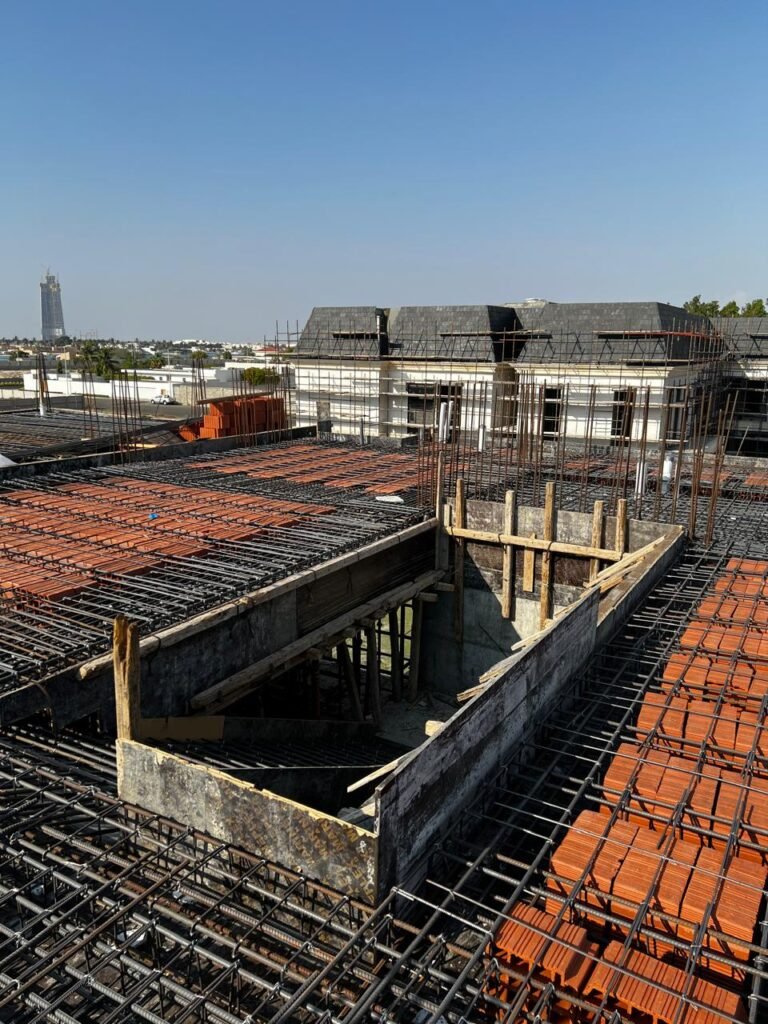
An analysis of late design changes in major projects, from engineering coordination and variation costs to programme impact and contractual responsibility.
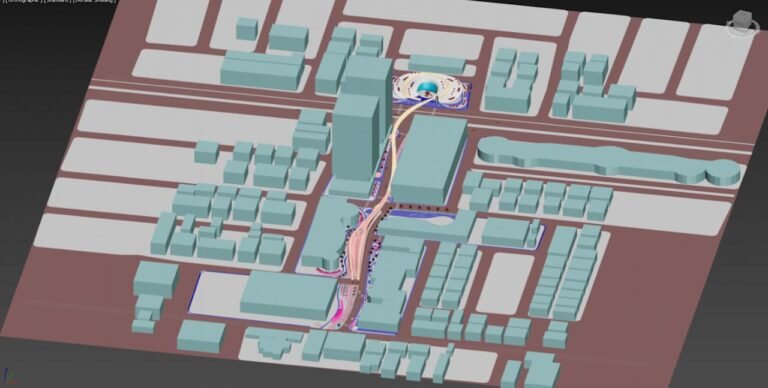
What to expect from briefing to handover: client decisions, design deliverables, approvals, cost reviews, site changes and project-team responsibilities.

Explain your vision to an architect through daily routines, priorities, budget boundaries and annotated references, then record clear decisions as design develops.

The indecisive client can derail timelines and design integrity. We explain why clients change their minds and how architects manage shifting decisions.

Turnkey project leadership is redefining the architect’s role, from design consultant to Design-Build or EPCM leader managing budget, contractors and delivery.

Technical Returnable (TR) documents are key to securing major projects. What a prequalification submission should include, common mistakes and strategies.
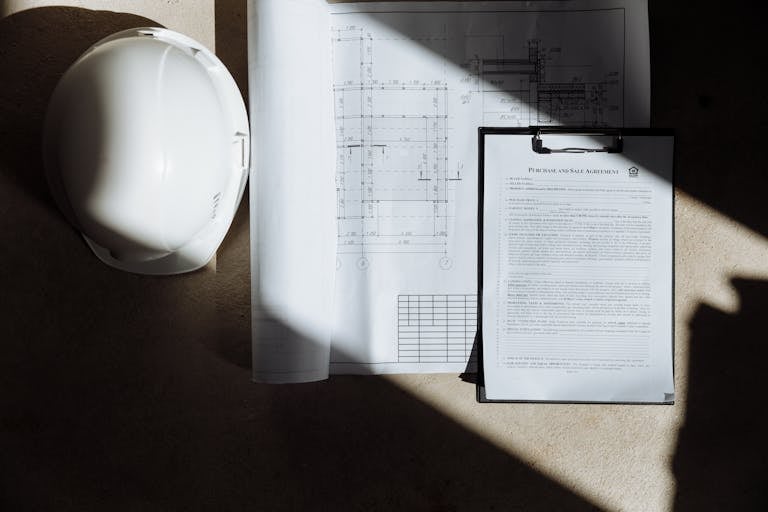
Types of contracts in architectural projects, from design-only to design-build, with the scope, advantages and challenges of each across global practice.

Tariffs on imported materials raise costs and reshape budgets, timelines and feasibility in architecture and construction. Key trends, statistics and forecasts.

Blockchain in real estate and architecture: how decentralised ledgers and smart contracts bring transparency and security to transactions and records.
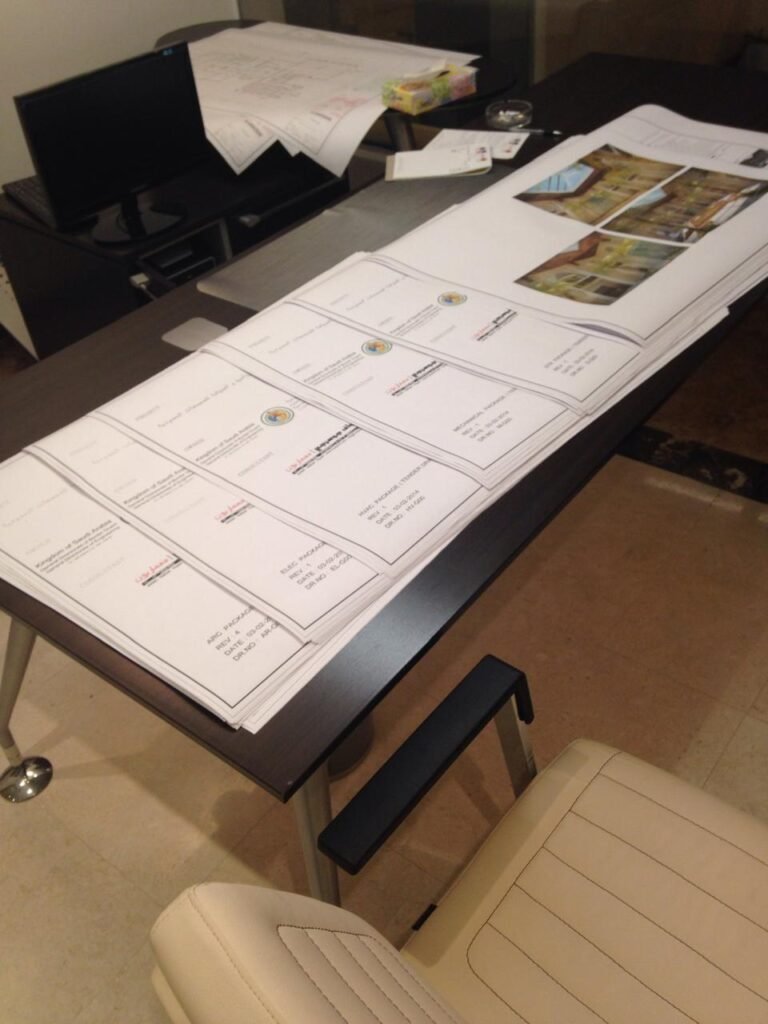
In the world of architecture, managing the diverse personalities of property owners is no easy feat. It requires a unique blend of technical skill, emotional intelligence, and interpersonal communication. The architect’s ability to navigate these personality differences can significantly impact the success of a project. Do you want to know how to handle the visionary owner with grand ideas or the detail-oriented owner who focuses on specifics? What about effectively managing costs while still delivering quality work? If so, keep reading to learn practical strategies for working with each type of property owner personality.
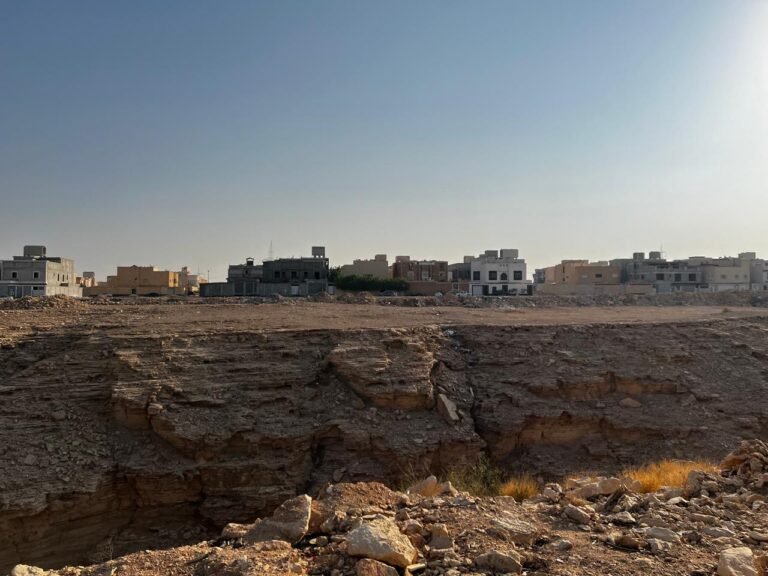
Discover how architects and engineers navigate complex geological challenges to get their projects approved in this insightful article. From unstable rock formations to high water tables, geological issues pose major obstacles that must be overcome for regulatory compliance. Learn about the essential stages and tools used in addressing such challenges, including comprehensive geological surveys, detailed site analysis, and adaptive engineering design. Explore case studies of successful projects that overcame challenging geological conditions through innovative solutions and cutting-edge technologies. Don’t let geological obstacles get in the way of your architectural dreams – read on to find out how to overcome them today!

Proposals for Architects: the key elements of an architectural project proposal and how early-career architects can prepare the document properly.
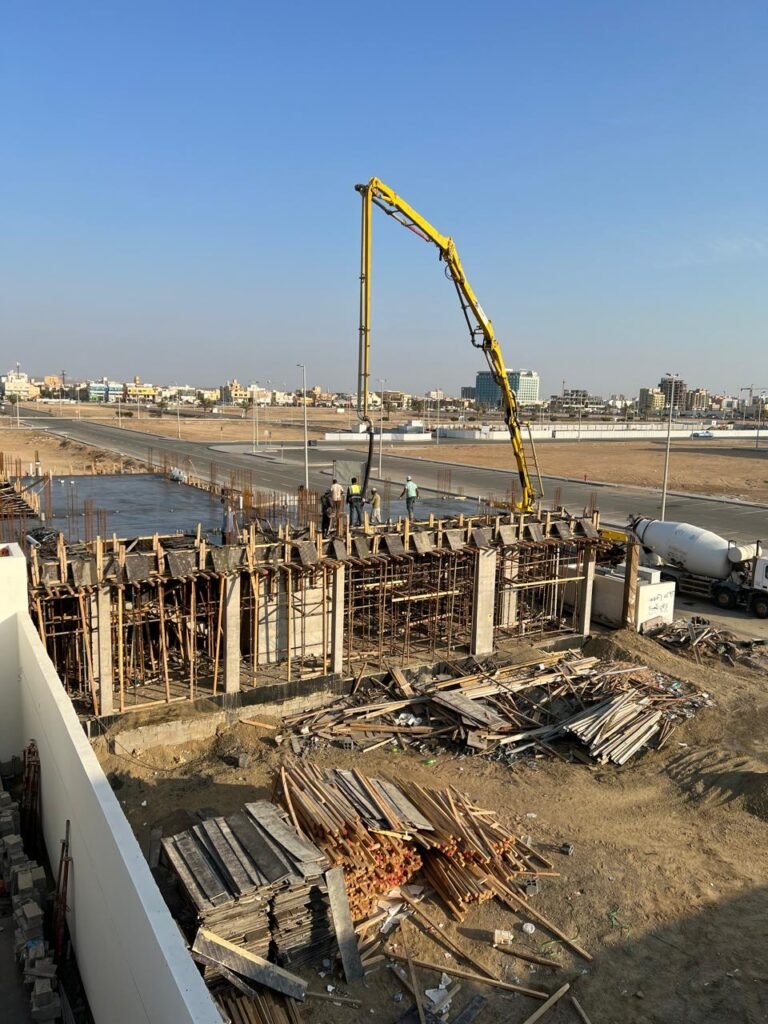
Construction challenges: seven problems slowing the building sector, starting with paperwork and document management, and methods that help address them.
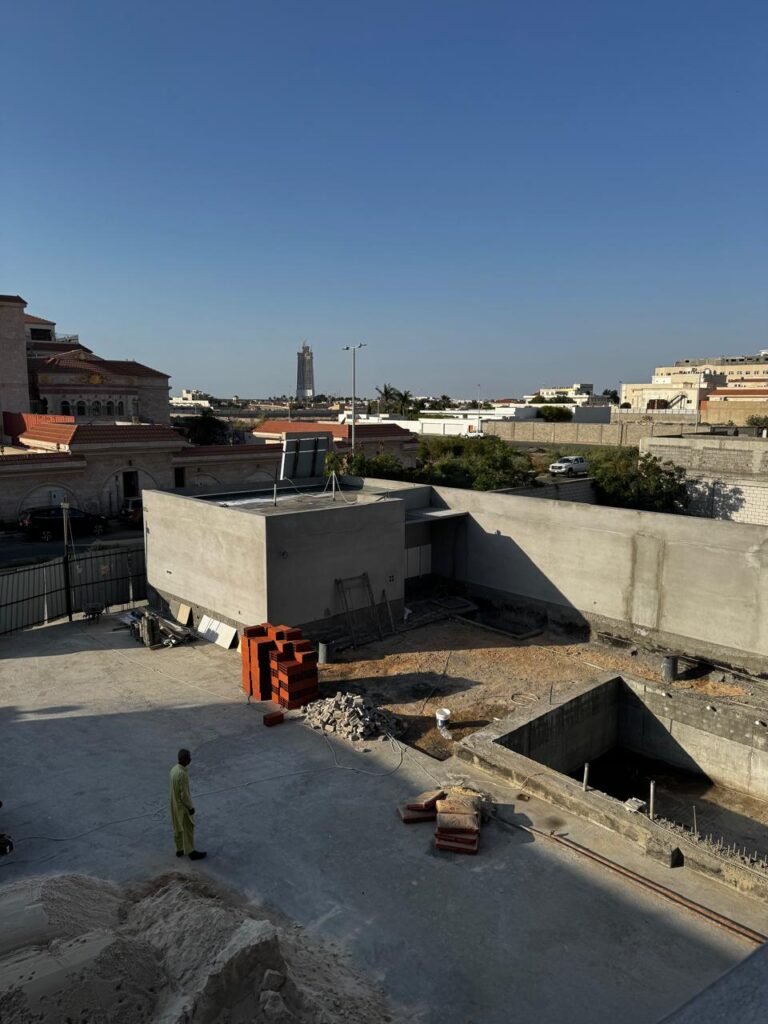
Risk factors in construction projects and their effect on time overrun: how lean construction principles reduce their impact using the PET and PPC metrics.

Lean Production Principles in construction: minimising waste through task-level planning, constraint analysis, PPC and the Last Planner System (LPS) on site.

The manifestations of Islamic architecture in Andalusia: how Muslims rebuilt cities, raised landmark buildings and established centres of learning in Spain.
Plan contract essentials for interior design: ten elements every written agreement between designer and client should cover to avoid disputes.
Types of engineering contracts explained: the five main construction contracts, from lump sum to time and materials, and when each one suits a project.

Choose architectural applications by task: site records, sketching, model communication and project management, with checks for support and data access.