The Advantages of Mirrors in Interior Design
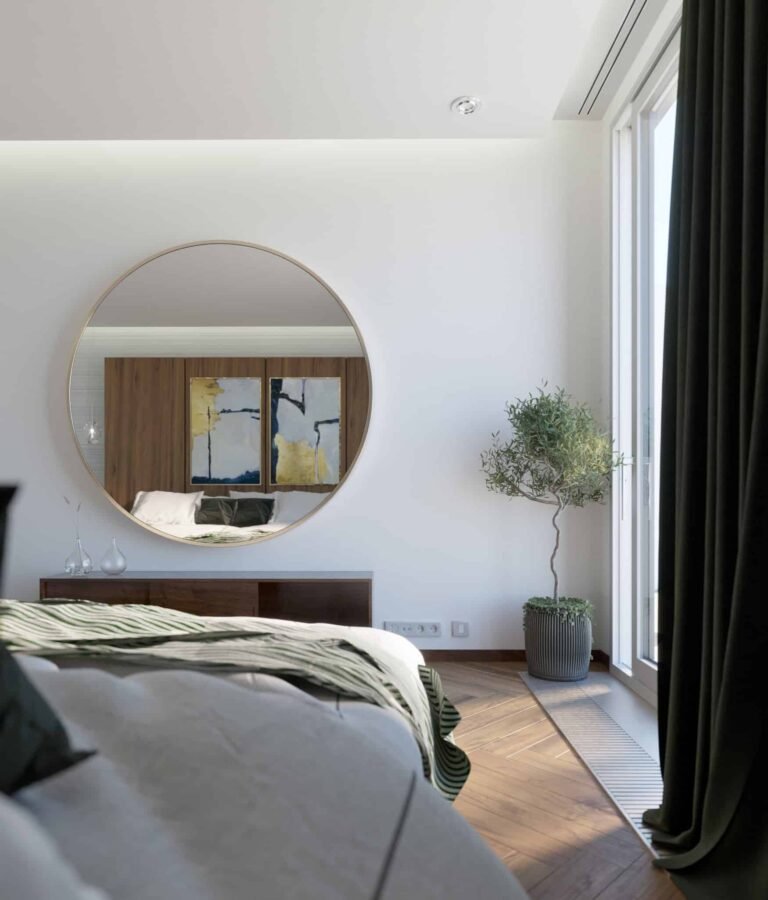
Mirrors in Interior Design: how a well-placed mirror makes rooms feel larger and brighter, becomes a focal point and completes a gallery wall.


Mirrors in Interior Design: how a well-placed mirror makes rooms feel larger and brighter, becomes a focal point and completes a gallery wall.
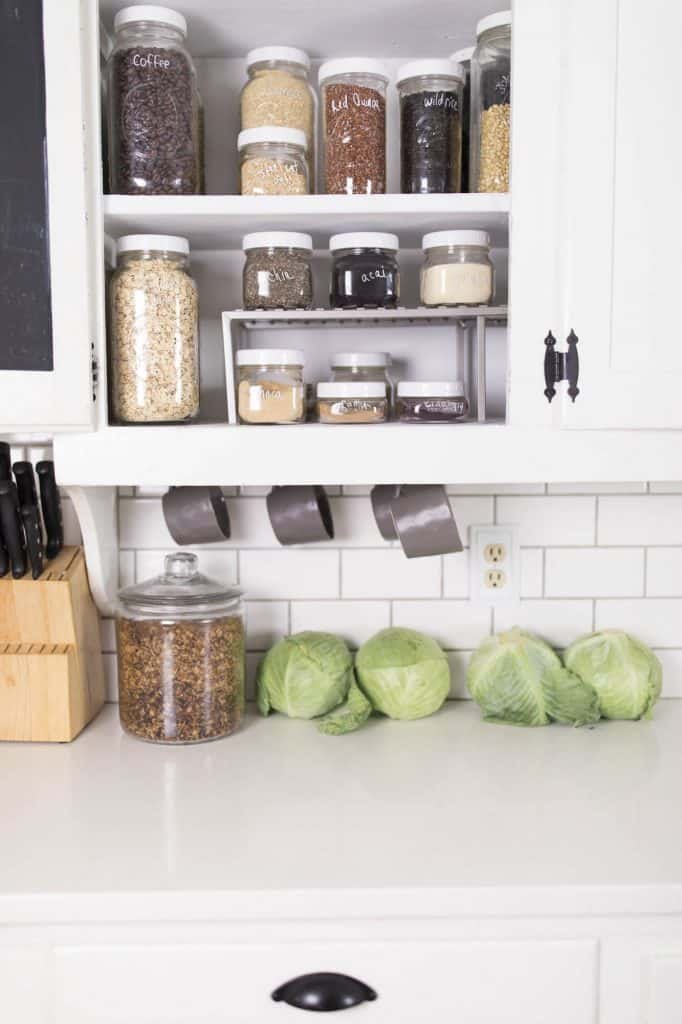
Mason Jars in ten ingenious uses: from matching spice bottles to decorative storage, simple and inexpensive ideas that need no special crafting skills.
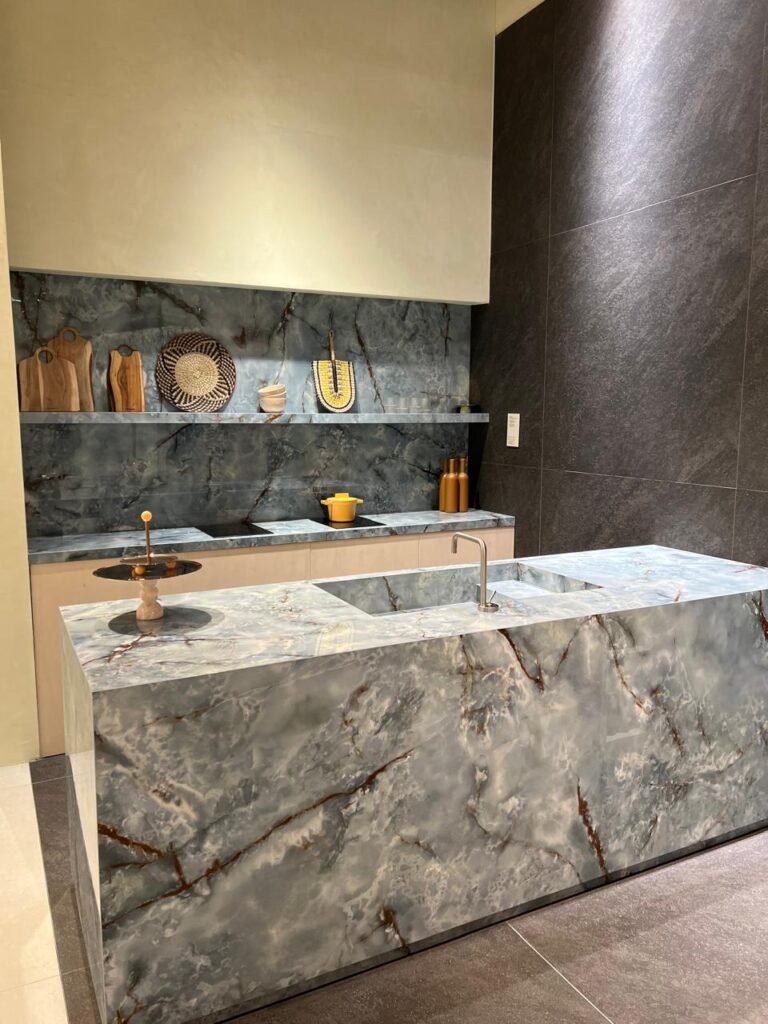
Minimalist Kitchen design step by step: decluttering, streamlined storage and clean finishes that create a functional, uncluttered cooking space.
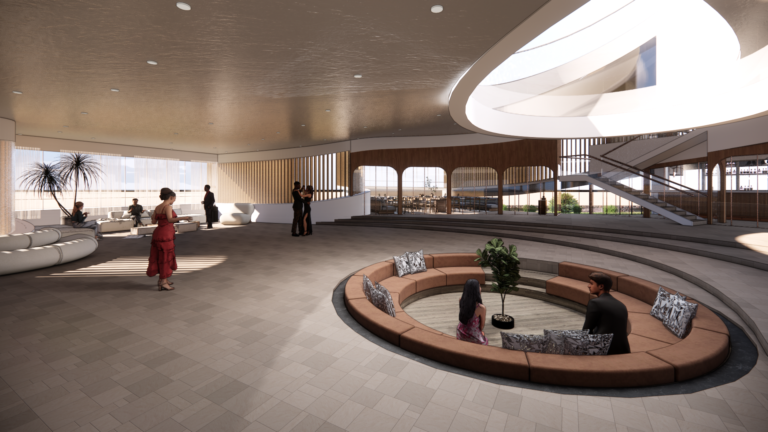
The Nature of Spaces in Architecture: how architects design beyond four walls and a roof, balancing order and chaos to engage sight and the other senses.

The Influence of Color on Architecture: what red, orange and other hues communicate in a space, and how layout and intensity change the way they are perceived.
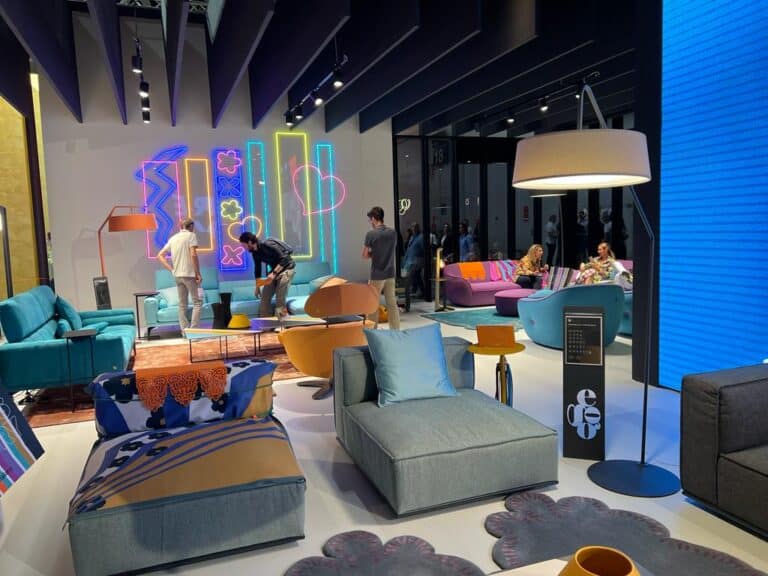
How color flows throughout your home: choose a neutral signature colour, vary accents from room to room, keep floors consistent and relate paint to furniture.
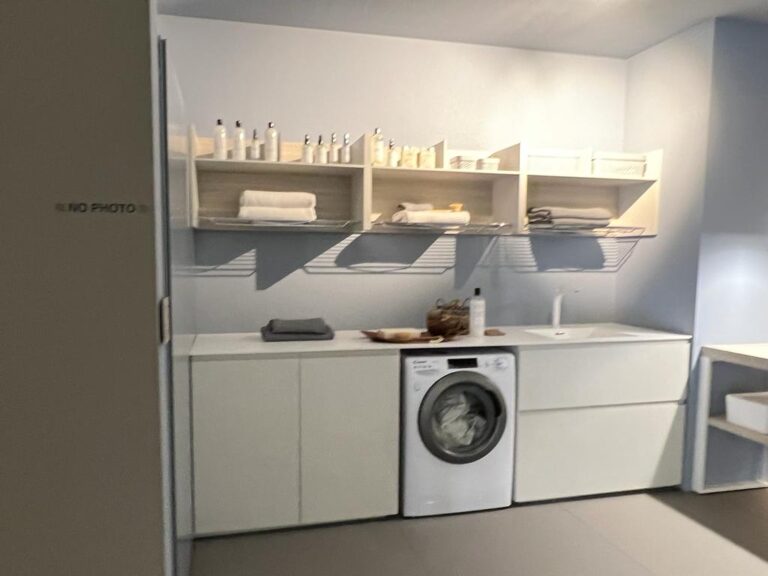
Laundry room design patterns: how to choose the best layout for your space, borrowing L-shaped, U-shaped and open-plan ideas from kitchen planning and storage.
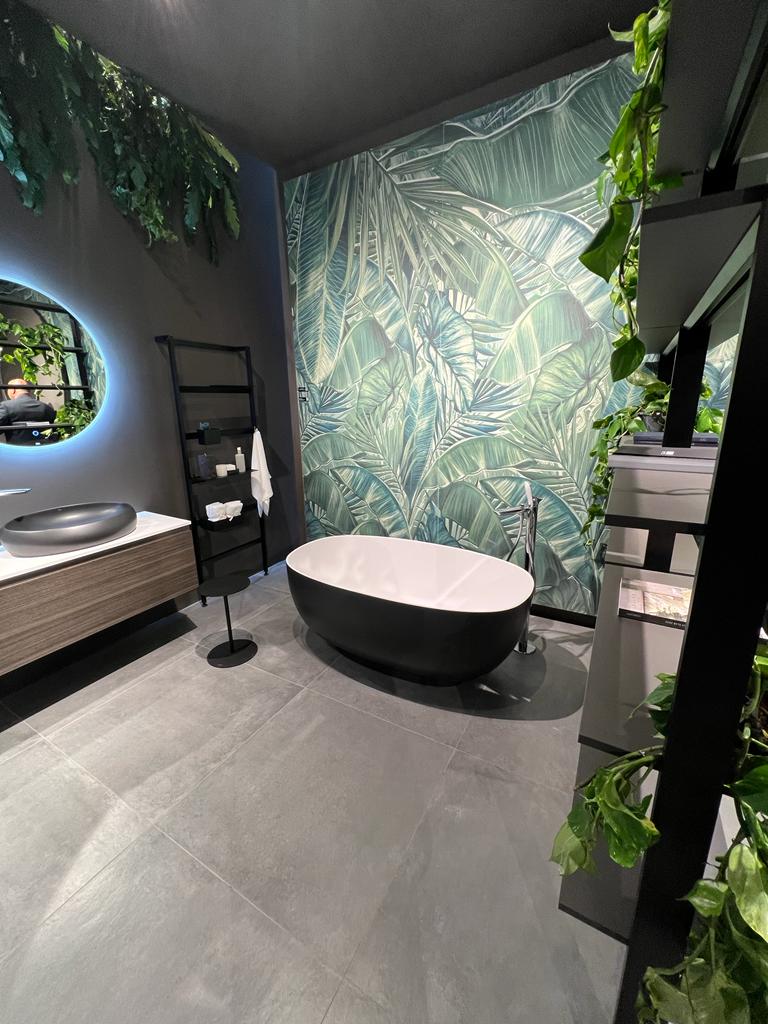
Ways to take advantage of bathroom spaces: practical ideas to unlock a bathroom’s untapped potential, starting with a simple tub-to-shower conversion.
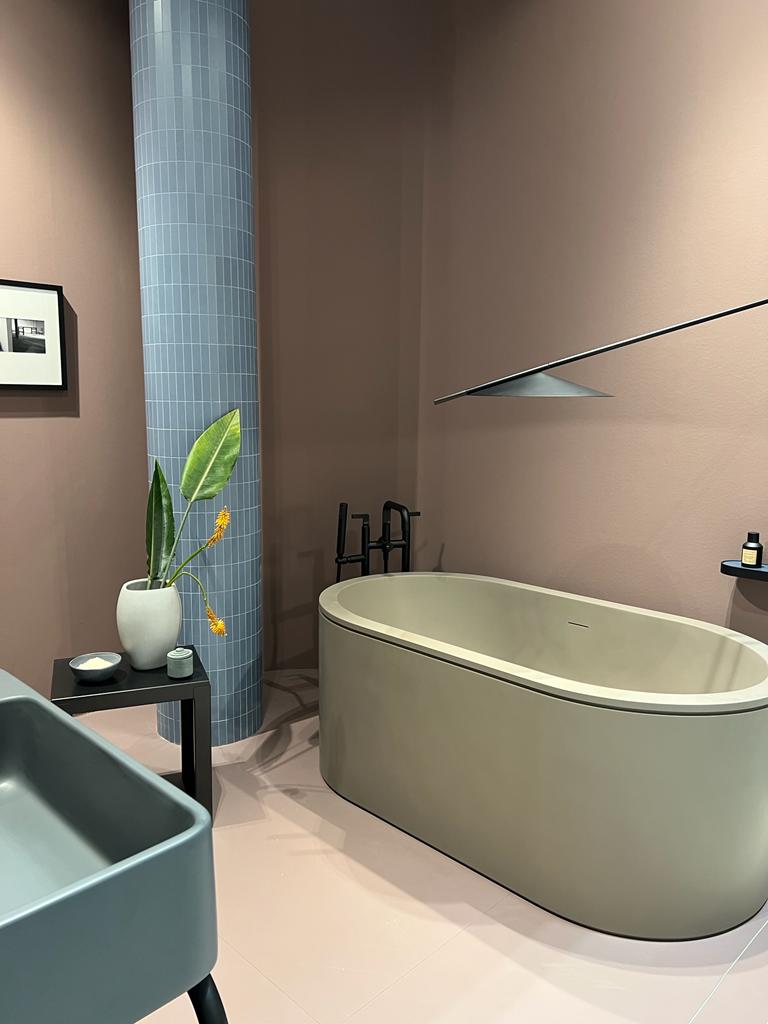
How to take advantage of bathroom space when remodeling: replace tubs with showers, rethink the layout and add storage to make a bathroom feel larger.

The effect of color style on the mood of interior design: how colour psychology shapes ambiance, and how palettes evolved from Art Deco to mid-century pastels.
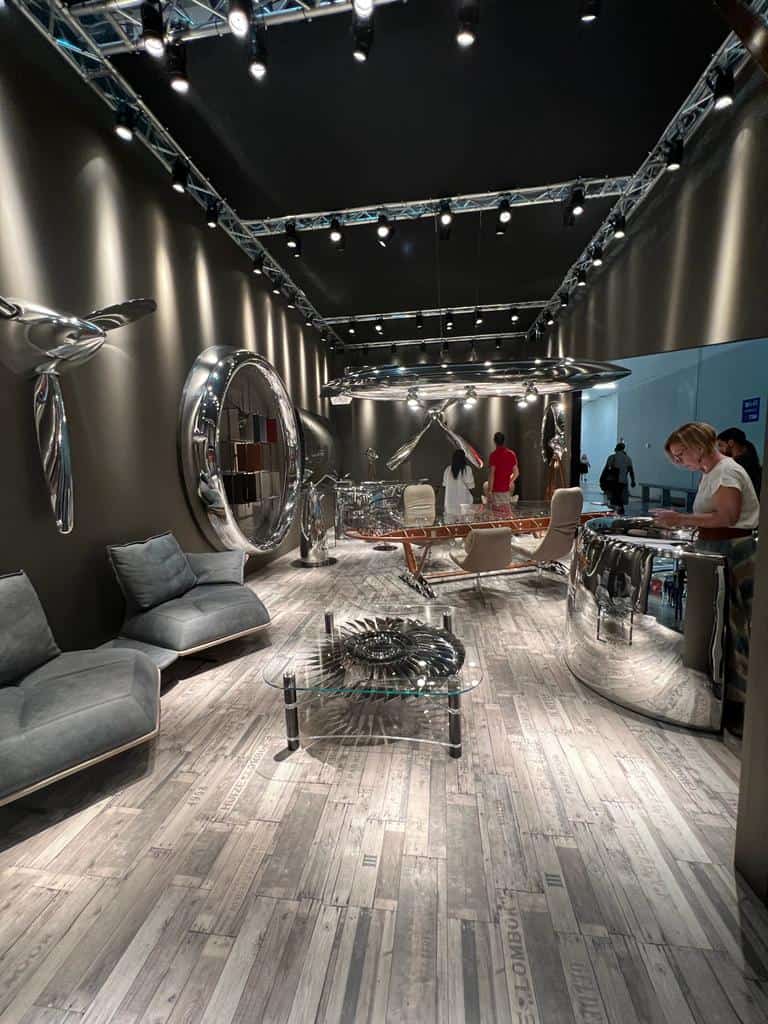
How to use colors in your home interior design: a look at the most influential colour trends, from the Bauhaus to Johannes Itten’s seven categories of contrast.

How to change the design of the bathroom to expand its space: rework the layout, remove unused fixtures and create the illusion of a larger room on budget.

Classroom design for the 21st century: six key considerations, from collaborative environments to flexible interiors that support critical thinking.
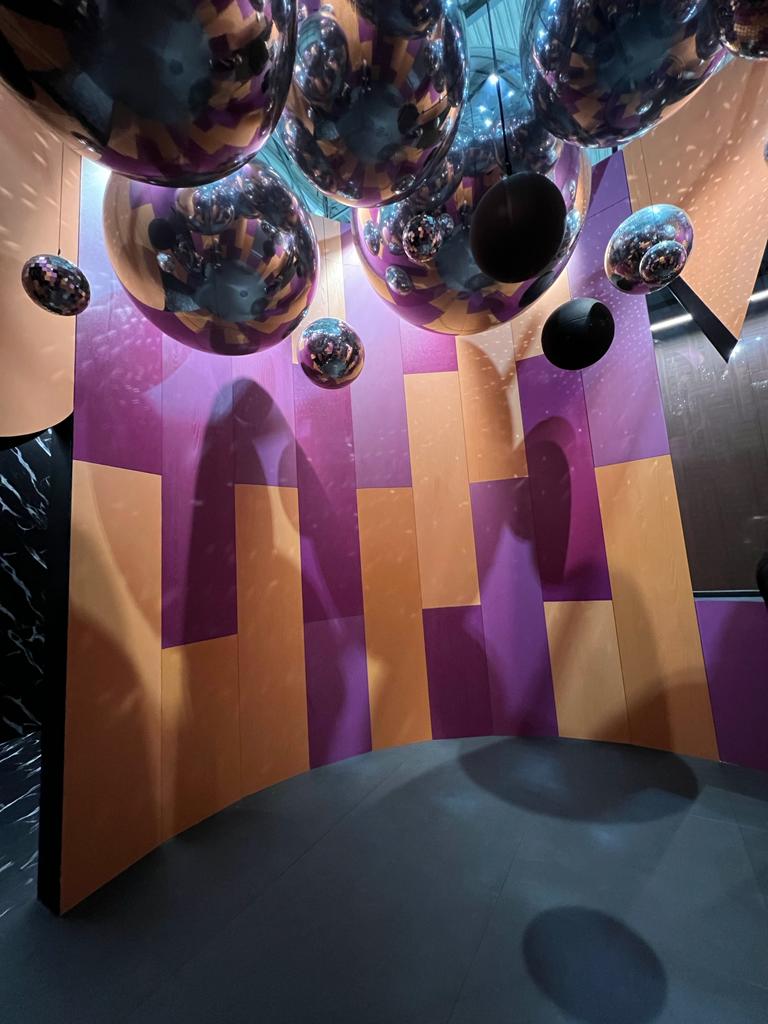
Choosing the colors in the furniture: practical tips on where to start when decorating a new or renovated room, and how furniture colour affects its mood.

Retail interior design trends: seven cutting-edge approaches, from interactive retail experiences and digital technology to visual merchandising in store.

Retail interiors that inspire: three inventive store examples, beginning with The Sill’s light, greenhouse-like Chicago space designed for every gardener.
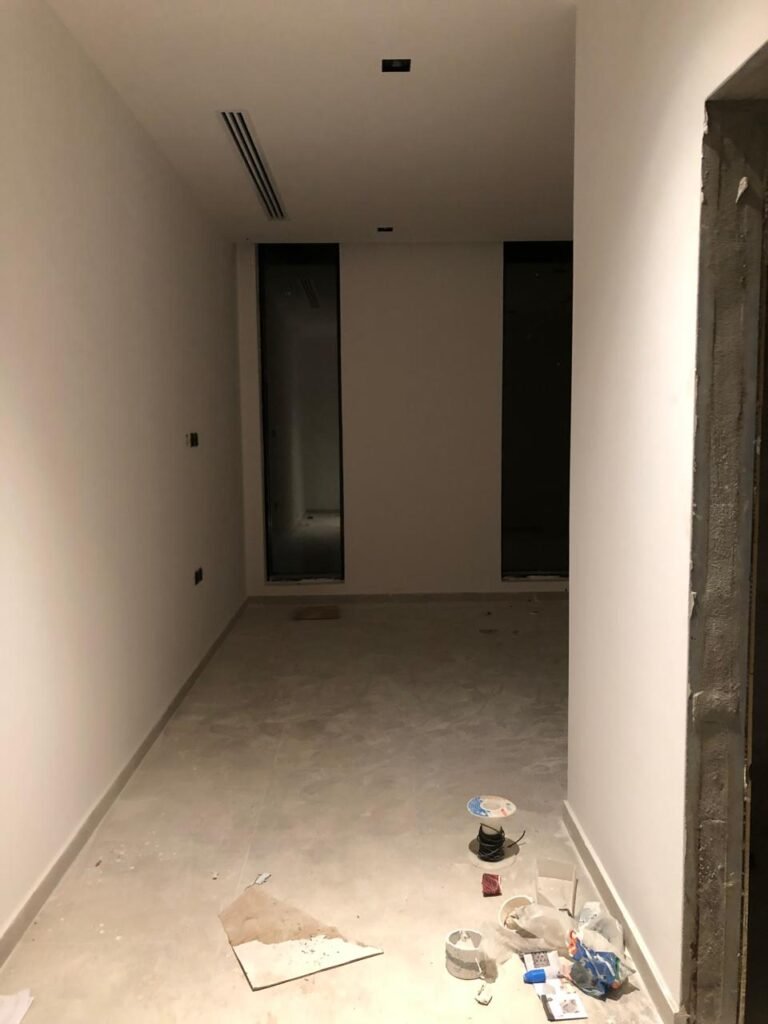
Laundry and ironing room design to make the most of your space: simple storage solutions, such as a narrow rolling cart between washer and dryer, for small rooms.
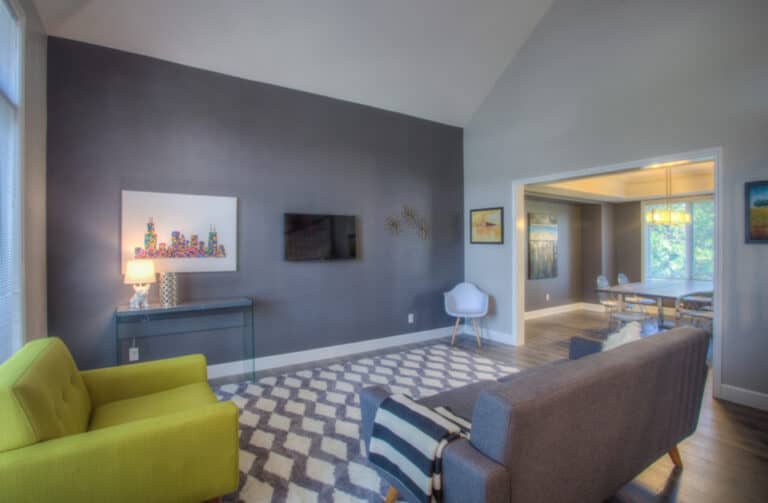
Maximize small homes with six interior design strategies, from freeing floor space with wall-mounted furniture and floating shelves to choosing shallow pieces.
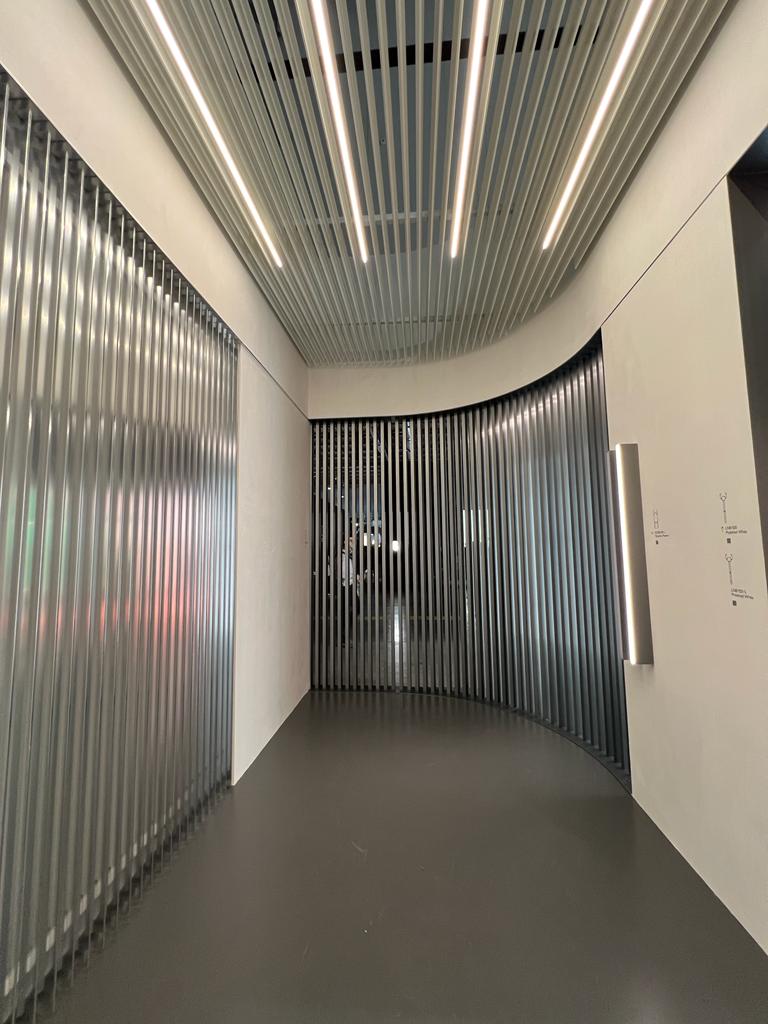
Reconfigure environments with dividers and partitions: how screens define zones indoors and out, in commercial and residential settings, and add dimension.

Minimalism in interior design is more than a white box: this article traces the philosophy of less is more, its 20th-century origins and its focus on function.
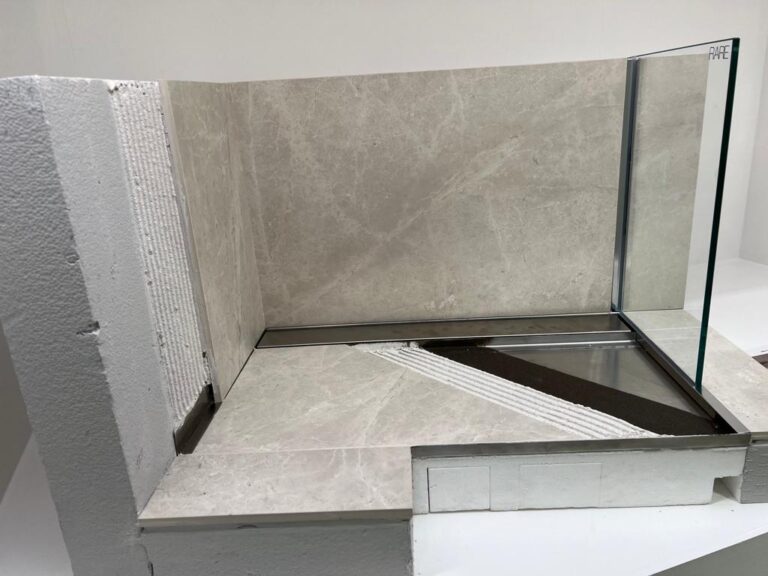
One of the best shower base flooring options for your budget: this article compares tile bases, tileable base systems and other choices on cost and safety.

Exterior VS Interior Design: how the two disciplines differ in users, technical demands, materials and site, and where they meet at the threshold.
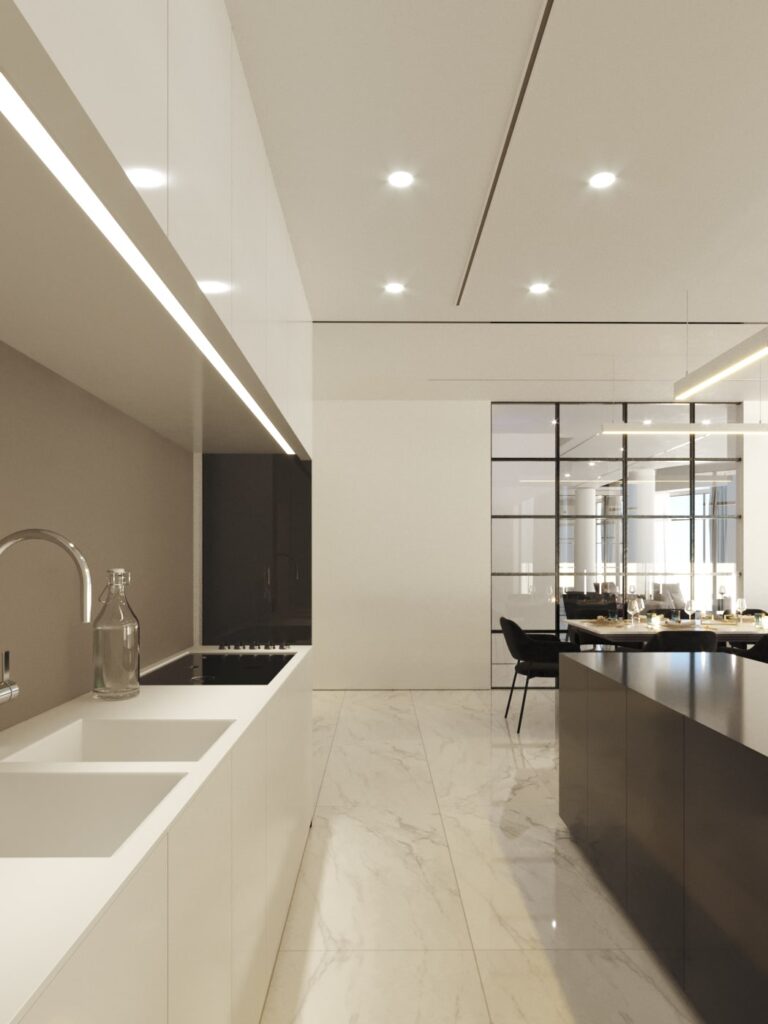
Entertaining Kitchen remodeling ideas: open-concept layouts, island seating, storage and finishes that make a kitchen work for hosting guests at home.
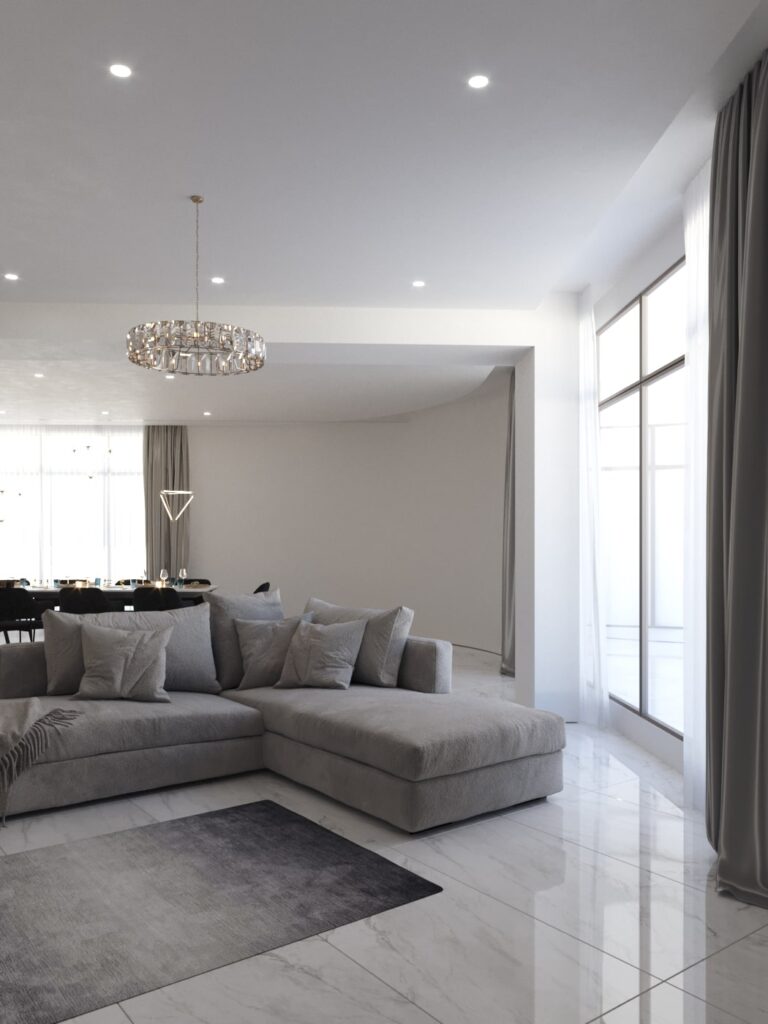
Living area tips for interior design: turning balconies and outdoor spaces into usable rooms with cushions, plants, weatherproof textiles and seating.

Indoor and Outdoor Living combined in one room: how to define a vision, choose materials and furnishings, and connect the home with its surroundings.
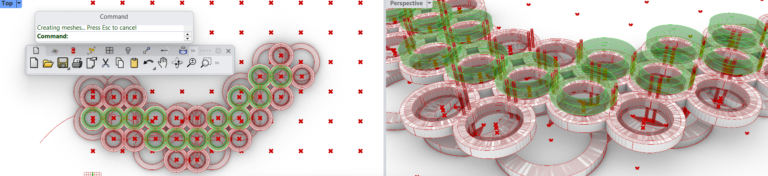
The Industrial Property Rights for architectural designs: how copyright and industrial design registration protect your work as intellectual property.
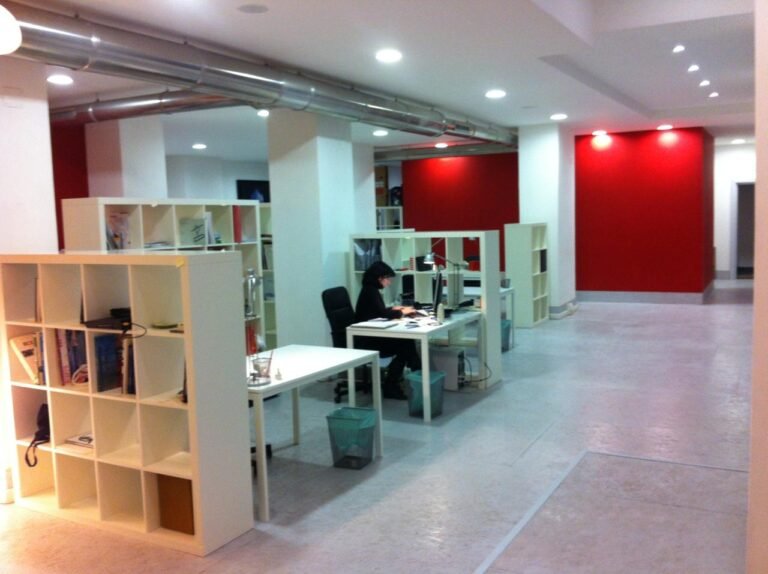
Campus study area design: how to allocate and organise space so students can read, study and socialise comfortably in a welcoming, secure setting.
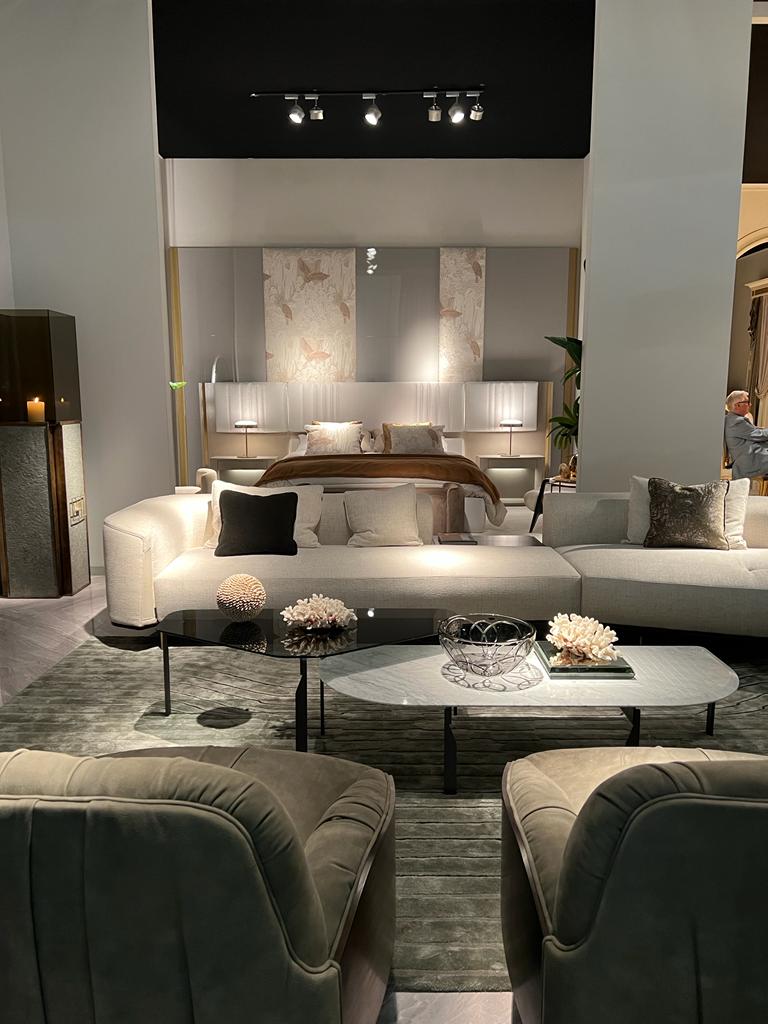
Remodeling a space in three easy steps: choosing a unifying theme, planning the layout and selecting finishes, with advice from designer Jen Chapman.
Interior Design fundamentals for novices: what the profession involves and five principles to get started, from balance and colour to space planning.

Saudi architecture and its future possibilities: whether a distinct national identity is still forming, and how cultural change shapes its direction.