Industrial Design: 4 Attributes of Modern Engineering
Industrial design in architecture: four attributes of buildings born of the Industrial Revolution, from power plants to factories, built for function first.
Architecture articles on spatial design, typology, composition, and the relationship between form, use, and place.
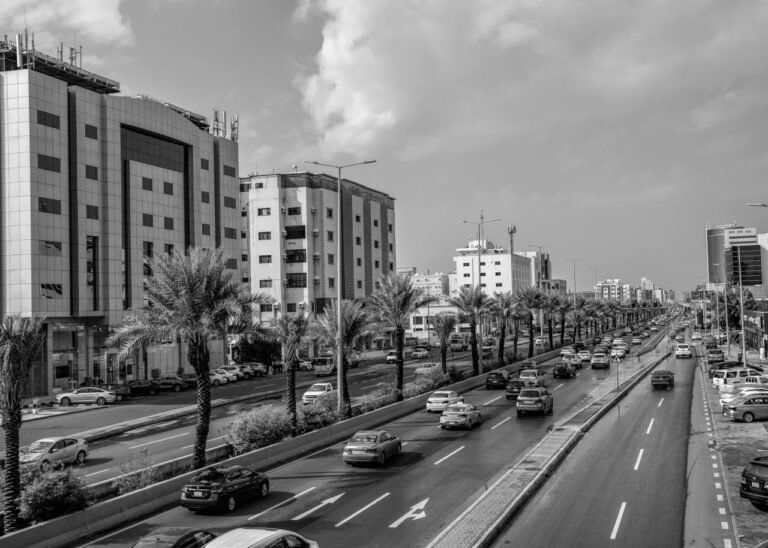
Industrial design in architecture: four attributes of buildings born of the Industrial Revolution, from power plants to factories, built for function first.

A reading of mosque elements across Medina, Cairo and Edirne, connecting the history of materials and furnishings with circulation, hearing and a contemporary INJ design proposal.
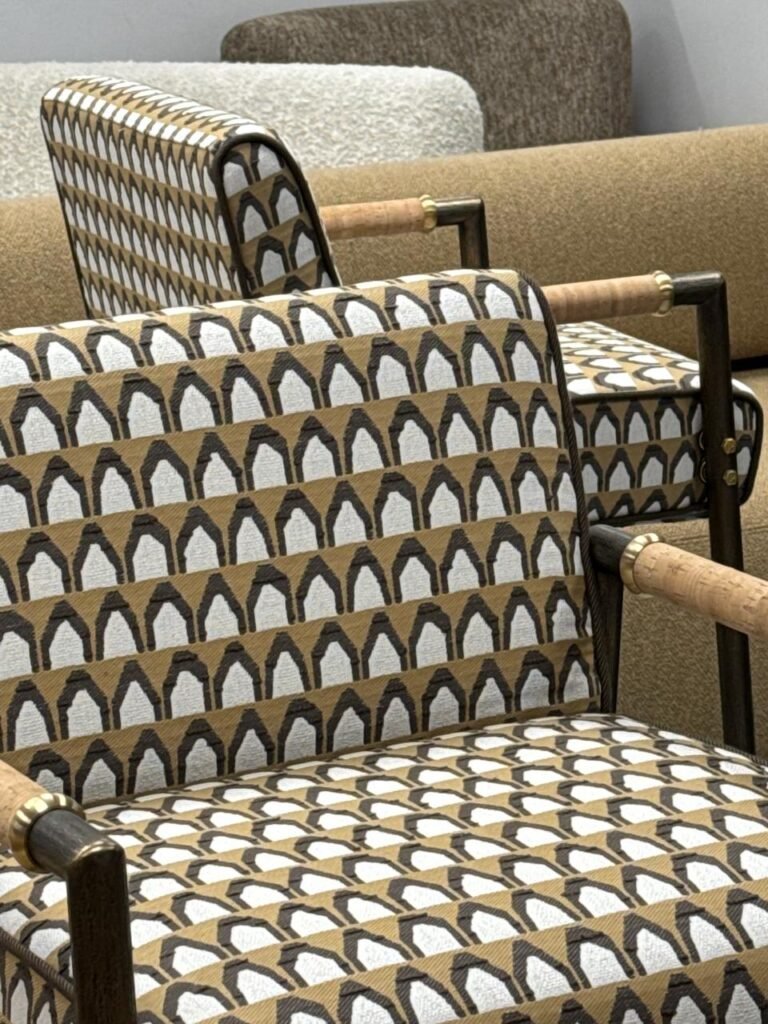
Interior design trends in Saudi Arabia change with the beliefs and technologies of each era: from the mashrabiya of Najd architecture to contemporary styles.

Before style enters the picture, planning a house means weighing land, soil, orientation, budget, and the way a family really lives, so that early decisions produce a home that is comfortable, efficient, and sensibly built.
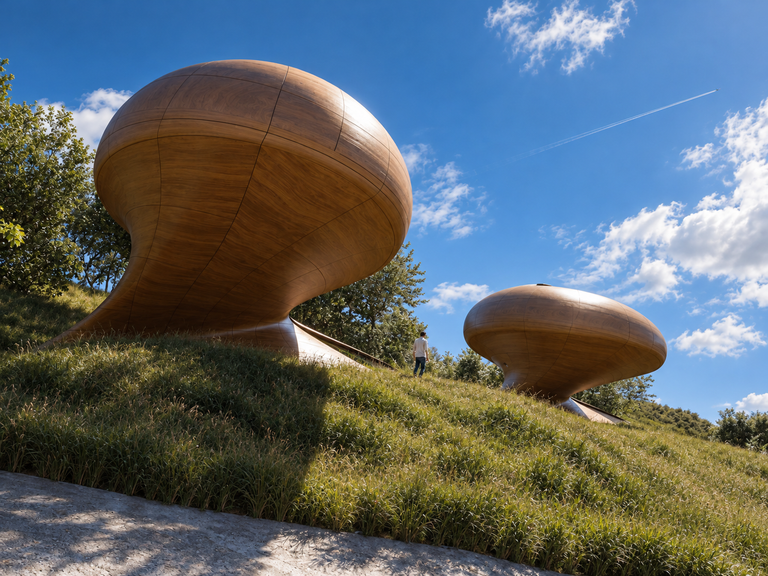
Temporary shelter after an earthquake succeeds only when survivors help shape it, turning a technical response into housing that respects custom and dignity.
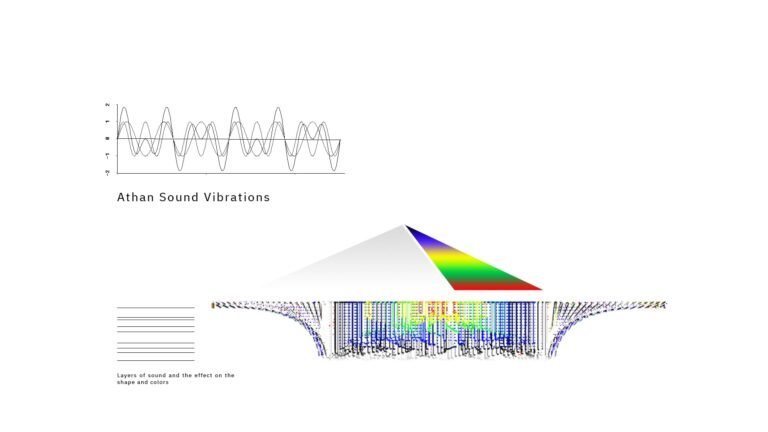
Shading and colour in design: how the hues of a room or facade affect mood, alertness and perception, from blue light to cultural associations with red.

Light is not an accessory to architecture but the medium that makes it perceptible. Shaped as deliberately as stone, it reveals volume, mood and meaning.

Spatial efficiency is the architectural skill of making a modest footprint feel generous. This essay looks at planning, storage as architecture, vertical space, daylight and sightlines rather than quick consumer fixes.
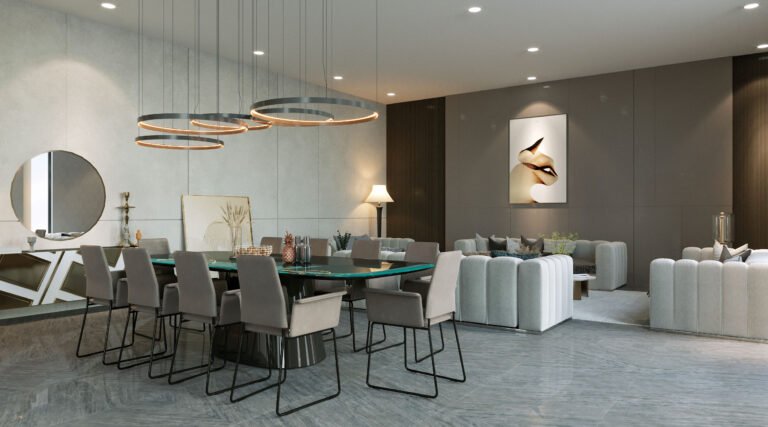
A small living room is a design question, not a limitation. Perception, light, height and furniture that works twice make a modest footprint feel generous.
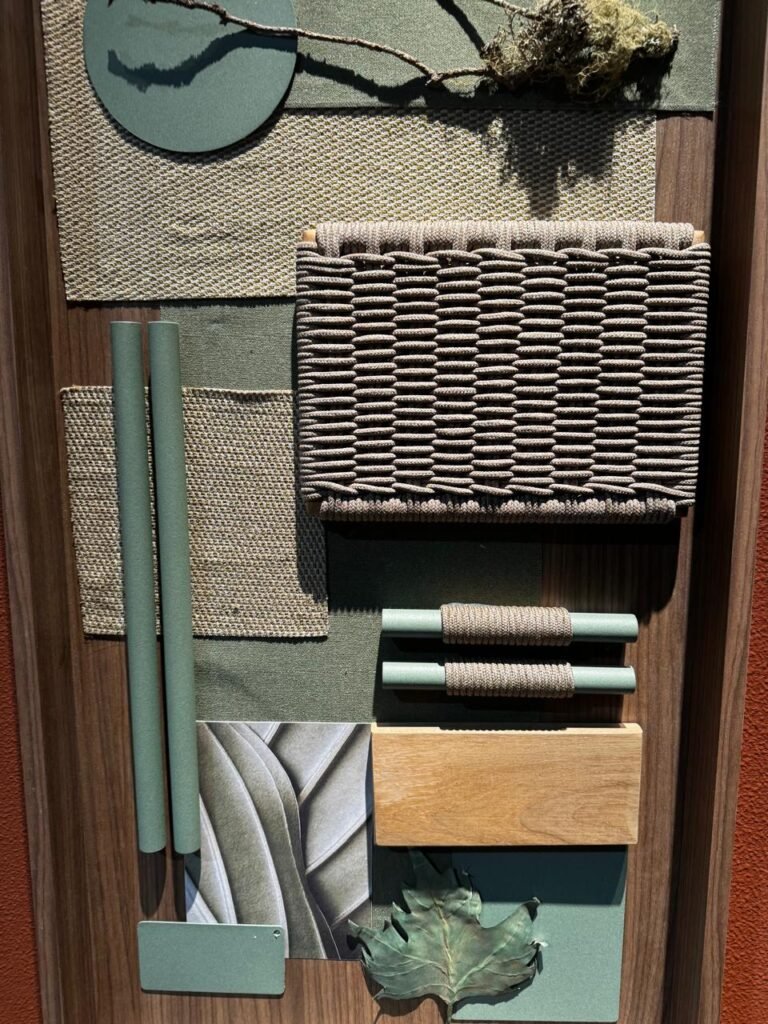
Design concepts in architecture: why a strong concept matters and three tips, beginning with reading books, for finding the idea behind your design.
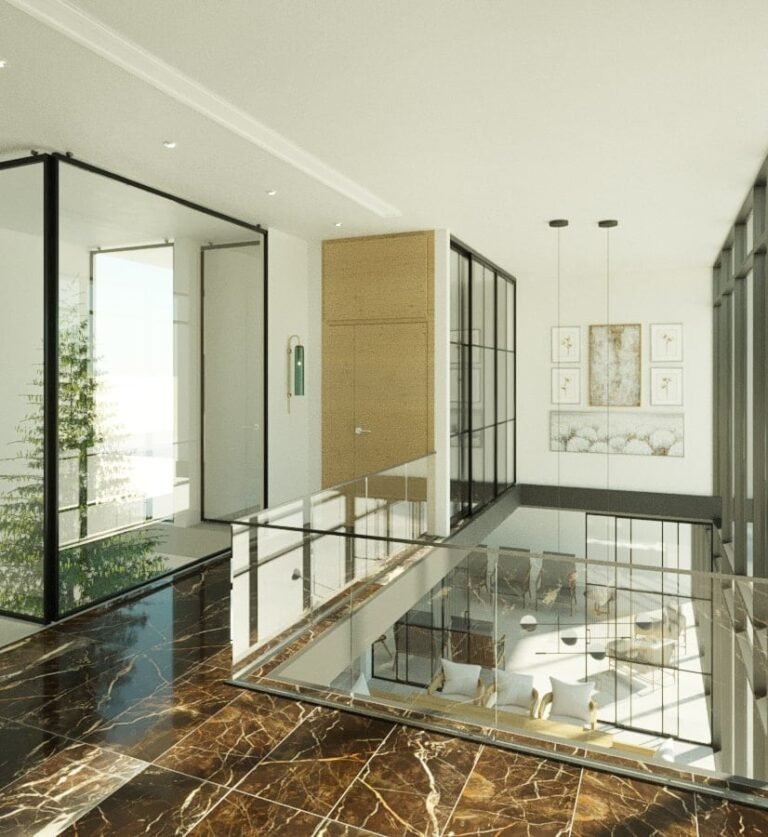
Double-height living room design: how the technique adds visual luxury and another dimension to the home, and how solids and voids shape the living space.
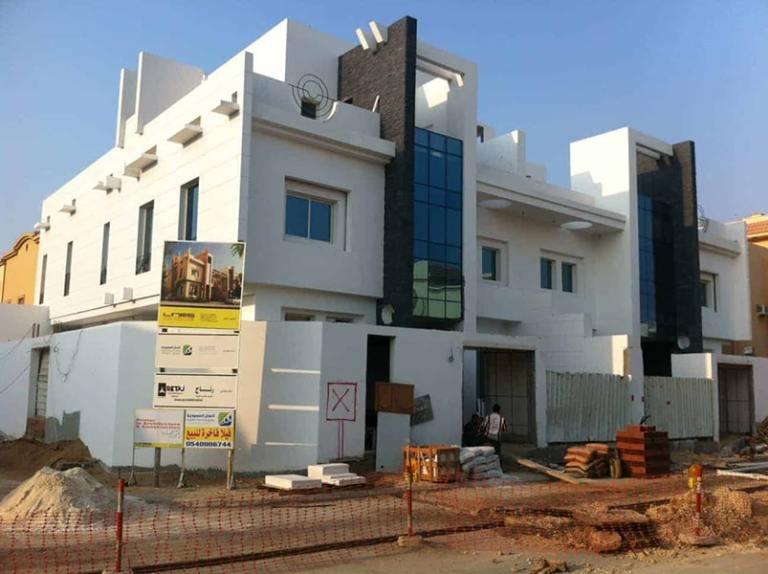
Small homes can feel larger: eight design tips, from connecting spaces while defining them to choosing ceiling heights, that make compact houses feel open.

Architectural sketching can be improved with three techniques, starting with the Hit-Go-Hit method, that help architects draw and communicate ideas.
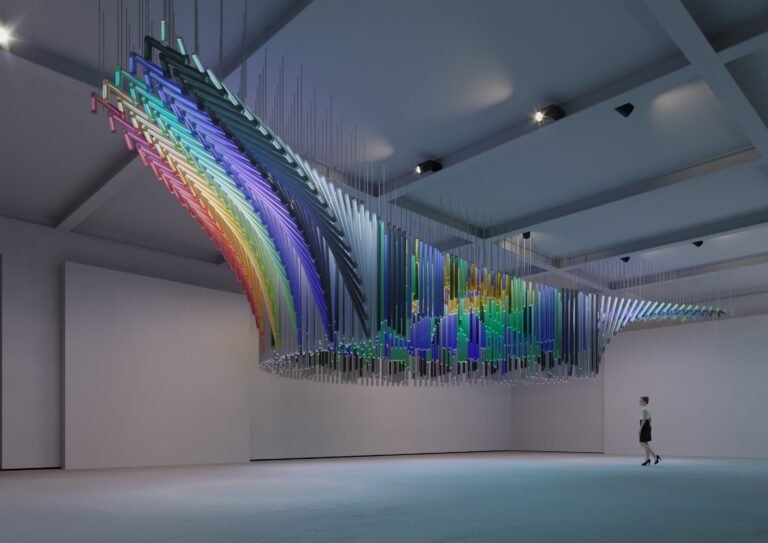
Architecture offers six design lessons: designing in context, architecture as narrative, and principles that apply to interaction design and other fields.

Architectural design begins with key points: defining the building program, analysing the site and gathering the information needed before design starts.

Development of a custom architectural style as a feature of the project: what defines a style, its elements, and how to brief your architect from the start.
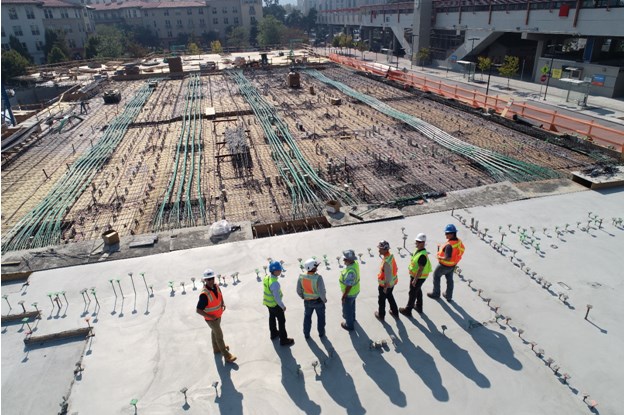
Site analysis before architectural design: how climatic, historical, geographical and social analysis of the site informs the project from the very start.
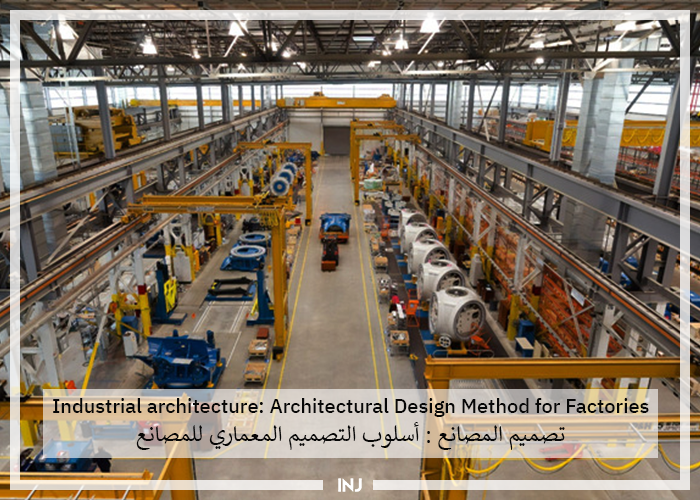
Industrial architecture: an architectural design method for factories that starts from the production process, covering flows, safety, services and change.

Correct architectural design prevents maintenance: the planning phases, starting with architectural programming, that balance aesthetics and practicality.
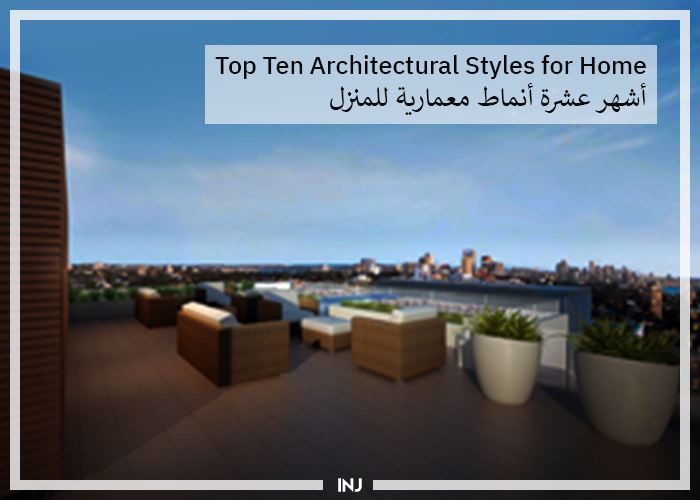
Ten of the most popular architectural home styles, summarised with their common characteristics, to help you narrow down the right style for your home.
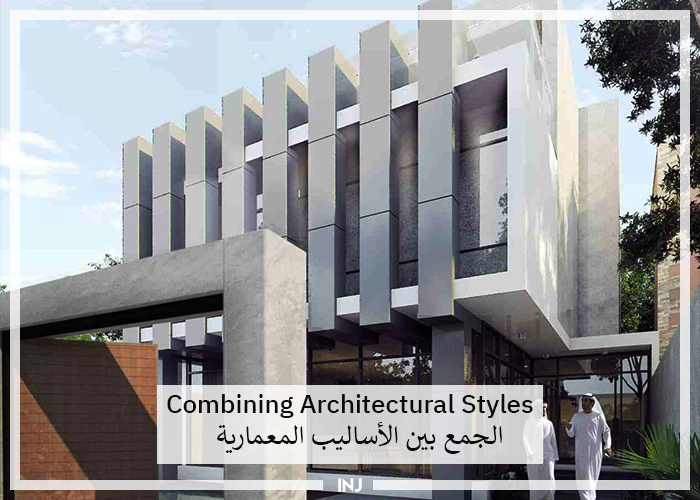
Combining architectural styles in one house: practical strategies, starting with choosing a primary and a secondary style, for clients with differing tastes.
How to design a double height living room: why the double height adds visual luxury and another dimension to the home, and how solids and voids shape the space.
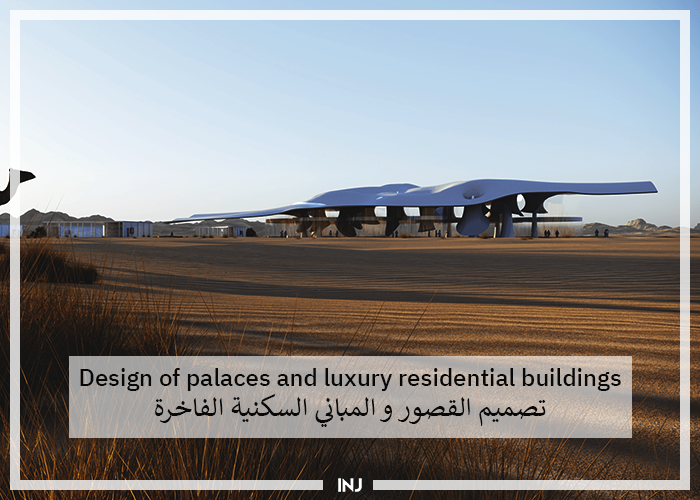
Design of palaces and luxury residential buildings: INJ Architects shares its experience from a 2013 family palace project in a modern style, stage by stage.
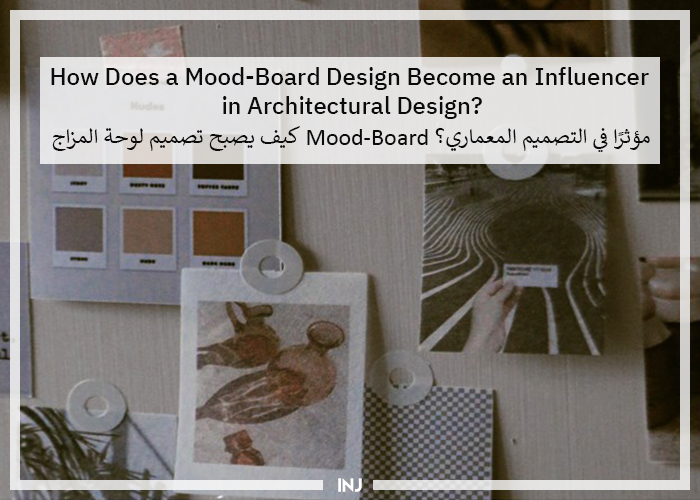
Mood board design in architecture: what a mood board is, its physical and digital types, and how it shapes a project before the design is fully developed.

Architectural design for museums in five steps: from the basic factors of museum planning to the features a museum needs to convey its message to visitors.
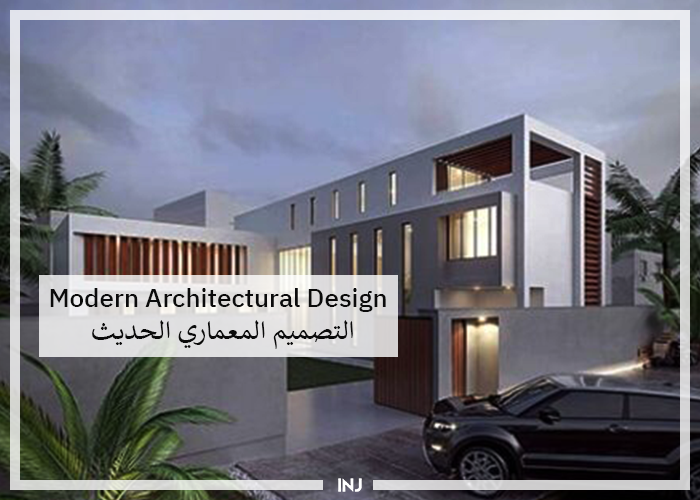
Modern architectural design: its standards and characteristics, from simplicity and functionality to exposed steel, glass and wood, and its origins.
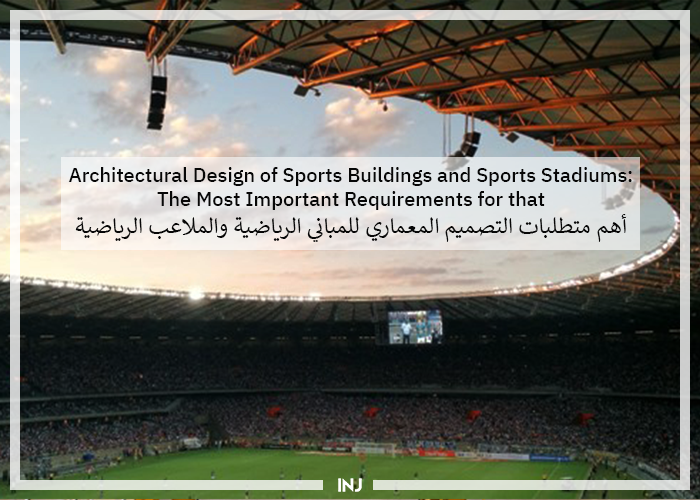
Architectural design of sports buildings and sports stadiums: the most important requirements, starting with selecting the right architect for the project.
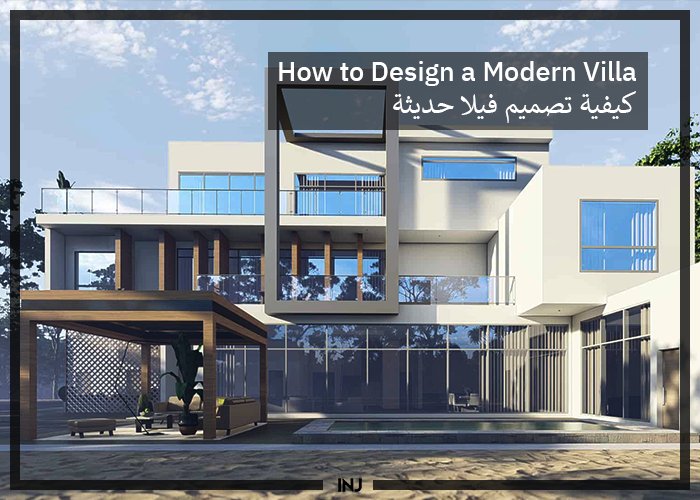
A modern villa is shaped by its site and the people who will use it. Planning everyday movement, privacy and future needs provides a firmer basis than choosing a façade first.
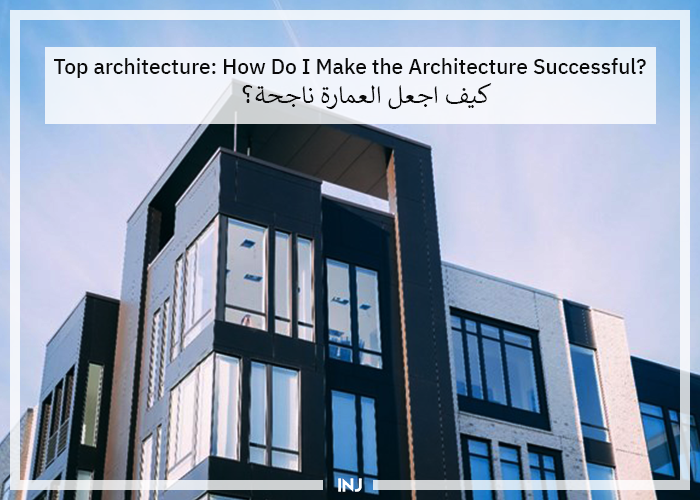
A successful design needs evidence beyond the presentation image. Five tests connect the client’s brief to everyday use and performance.
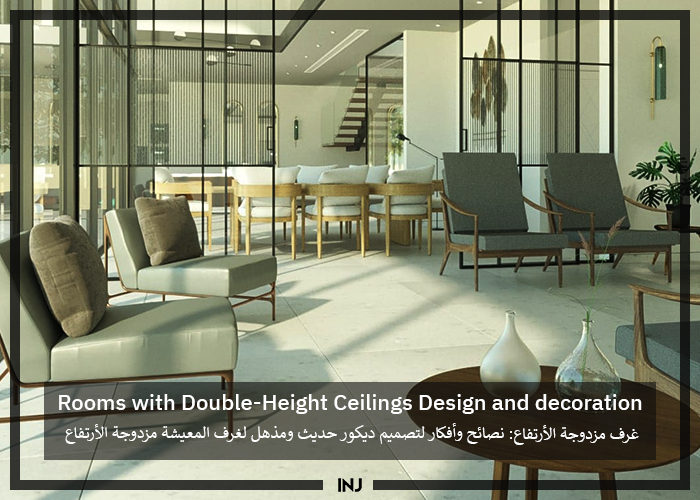
A tall room is experienced from a chair as well as from the entrance. Furniture, materials and light can establish a comfortable scale while preserving the openness of the architecture.